Panasonic Plans Factory Humanoid Robots by 2029, Betting on Safer Batteries
Category
humanoidPublished
October 5, 2026
Reading Time
5 min read
Author
Origin Of Bots Editorial Team
A Household Name Enters the Humanoid Race
Panasonic, the Japanese electronics giant behind everything from televisions to the batteries in millions of electric cars, is building humanoid robots. The company's chief AI officer, Akira Sakakibara, told Nikkei Asia in an interview published on October 5, 2026, that Panasonic aims to begin manufacturing them by 2029.
The plan matters because Japan, long famous for robots, has been overtaken by Chinese companies in the race to build human-shaped machines. Panasonic's entry signals that one of Japan's best-known manufacturers believes humanoids will become a real business, and that it intends to compete rather than simply supply parts to others.
Robots for the Factory Floor First
According to Nikkei, Panasonic will initially aim its humanoids at factory production lines and warehouses. These are places where tasks repeat all day, where many companies struggle to hire enough workers, and where a machine shaped like a person can use the same tools, shelves and workstations built for people.
That choice reflects a pattern across the industry. Most humanoid makers see industrial work as the first realistic market, because factories are controlled environments with clear rules. Homes, with their clutter, pets and unpredictable children, remain a much harder challenge that most companies, Panasonic included, are not yet promising to tackle.
The Battery Problem Panasonic Wants to Solve
Panasonic is leaning on its biggest strength: batteries. Humanoid robots carry large lithium-ion battery packs, the same type used in phones and electric cars, and those packs can overheat and catch fire if damaged or poorly managed. Sakakibara pointed to that fire risk as a barrier holding back wider use of humanoids.
He told Nikkei that batteries made by Panasonic Energy, the group's battery arm, had not been involved in any serious fire incidents to date, and expressed confidence that Panasonic could build safer robots as a result. That is a company claim, but it rests on decades of supplying batteries to carmakers including Tesla.
Parts Panasonic Already Makes
The company is not starting from zero. Panasonic already sells components used in humanoid robots, including power-management chips that control how electricity flows, thermal materials that carry heat away from hot electronics, tactile pressure sensors that give robot hands a sense of touch, and compact motors.
Owning so many pieces of the puzzle could help Panasonic keep costs down and control quality, much as carmakers that build their own batteries and chips gain an edge. It has not said, however, which of these parts will end up in its own robots, or whether it will design the whole machine in-house.
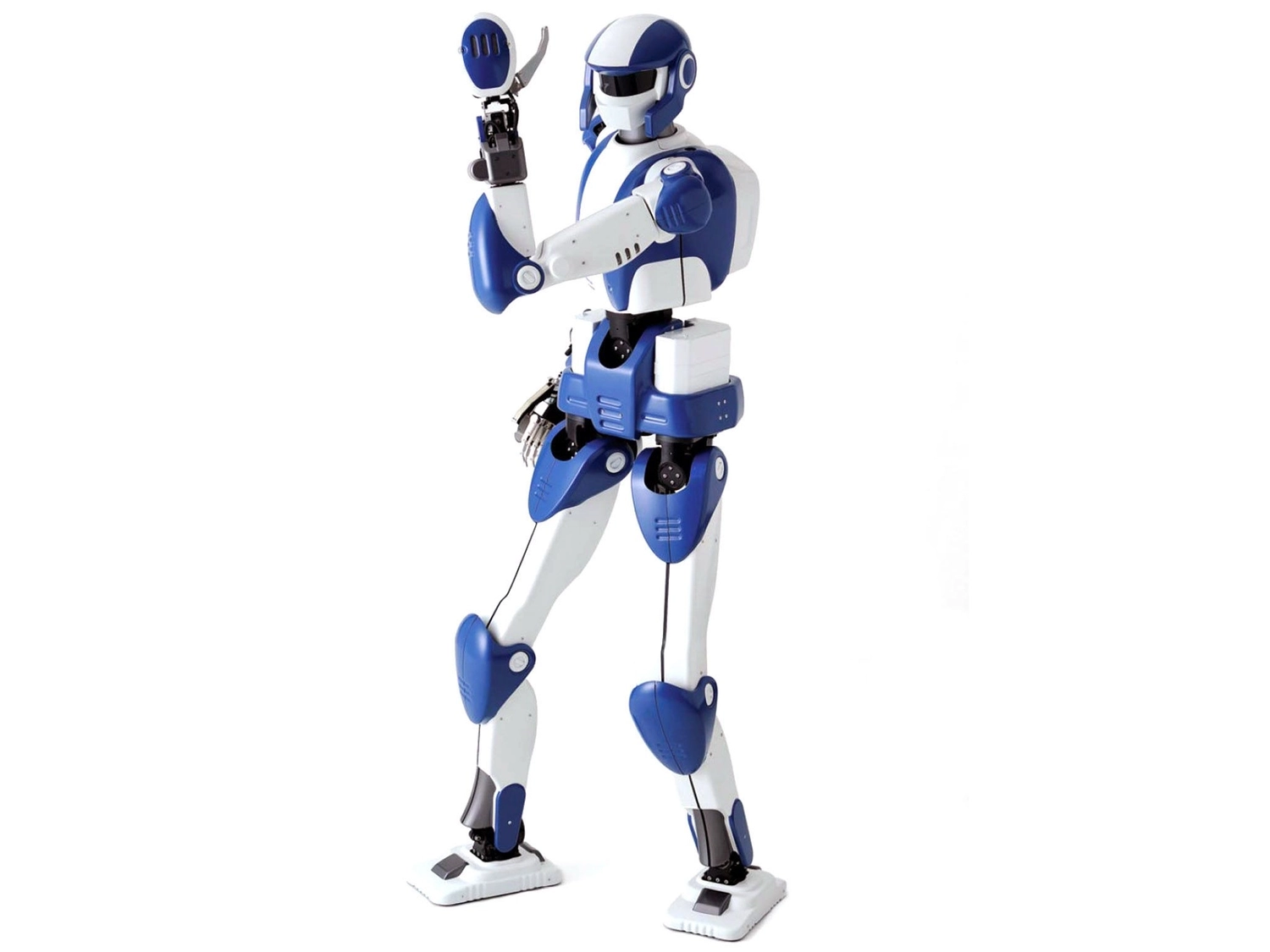
A New Lab to Lead the Work
The project is being led by a new AI and robotics research division that Panasonic created on October 1. In an August 28 announcement, the company said the lab would gather its specialists in artificial intelligence, robotics, cloud computing and data, and work with its business units to speed up the use of AI across the group.
According to Nikkei and TASS, research has already begun on the AI models, the software brains that will let the robots see, plan and move, along with the other technology needed to manufacture them. Sakakibara is the executive steering this push as the group's chief AI officer.
Few Details, Long Timeline
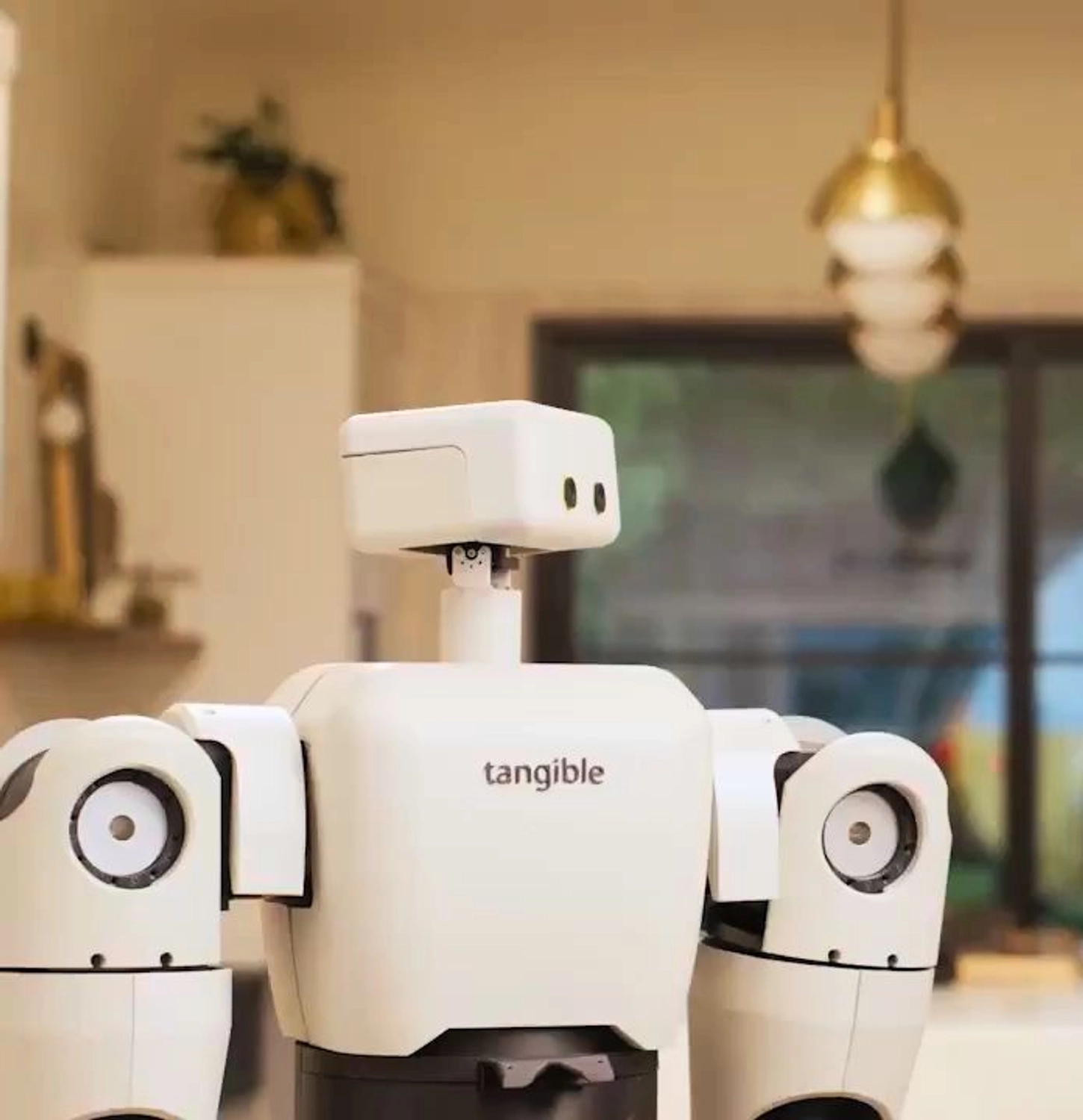
For now, Panasonic is keeping its cards close. Sakakibara said the company's management could not disclose details yet, and there is no public design, prototype, price or target production volume. Even the 2029 date describes when manufacturing could start, not when robots would be widely available.
Three years is also a long time in a fast-moving field. Chinese makers alone shipped most of the roughly 22,000 to 25,000 humanoids sold worldwide in the first half of 2026, according to market researchers Counterpoint and IDC. Panasonic will need a compelling product to win customers who can already buy robots today.
Why Battery Safety Could Matter to Everyone
If humanoids are going to work beside people, safety is not a side issue. A robot that falls over or gets crushed in a warehouse could damage its battery, and a fire in a crowded factory would be dangerous. Insurers, regulators and employers are likely to demand strong evidence that these machines will not become hazards.
Panasonic's bet is that trust, not just clever software, will decide which robots get hired. That message also fits a broader move at the company: Panasonic Energy named humanoids as an emerging use for its batteries when it announced a new battery research hub in September.
What to Watch Next
The next milestone will be something people can see: a published design, a prototype or a working demonstration on a factory line. Those would show whether Panasonic is building a full humanoid with legs and hands, or a simpler machine tailored to specific jobs.
Until then, the announcement is best understood as a statement of intent from a company with deep manufacturing experience and a strong battery business. If Panasonic delivers on its 2029 target, it could give Japan a homegrown contender in a market that many expect to grow rapidly over the next decade.
Sources
- Nikkei Asia: Panasonic to make humanoid robots, leveraging its battery business (interview with chief AI officer Akira Sakakibara)
- Panasonic Holdings: Organizational Changes, Assignment of Responsibility to an Executive Officer, and Personnel Change (August 28, 2026)
- TASS: Panasonic developing humanoid robots
- Humanoids Daily: Panasonic humanoid robots by 2029 with a battery-safety pitch