Frequently Asked Questions
Get answers to common questions about this robot
Q1. What is the robot dog Thermonator, and what problem does it solve?
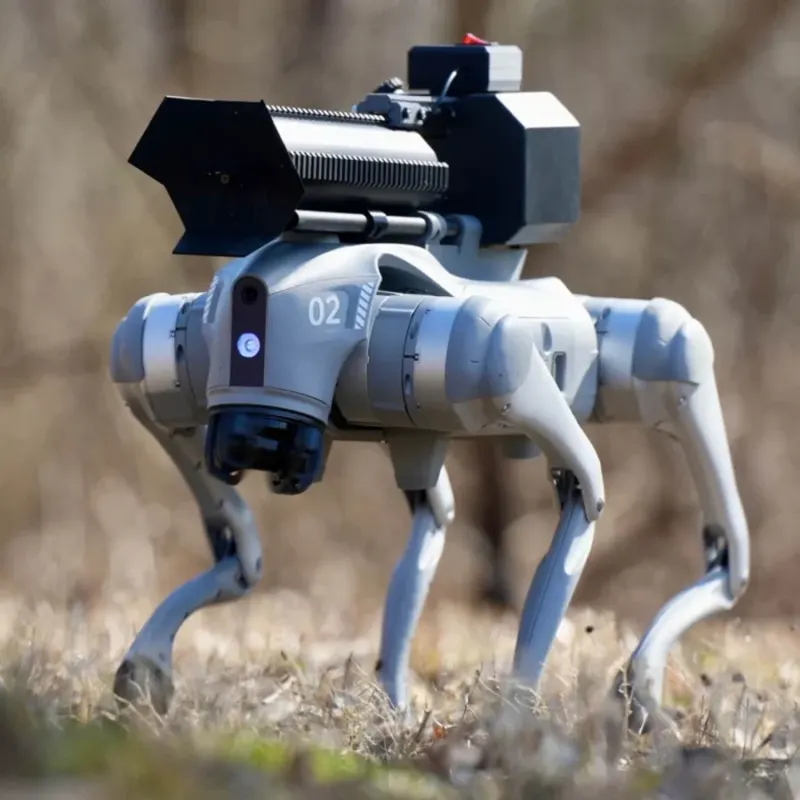
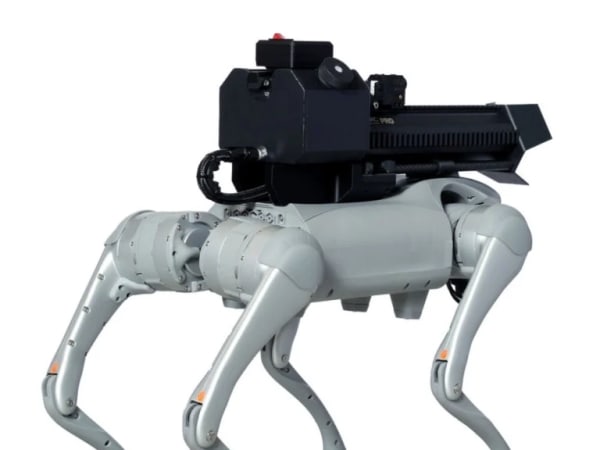
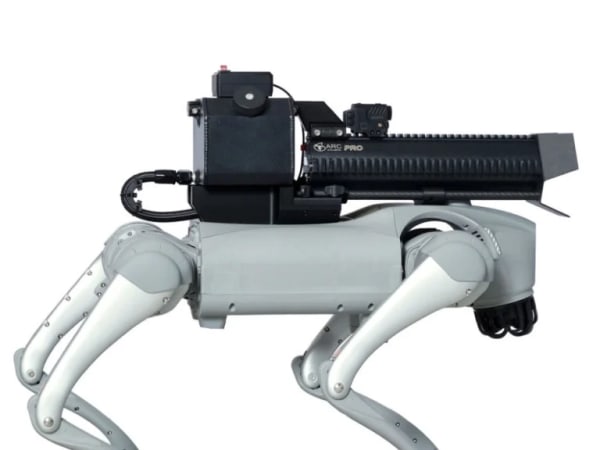
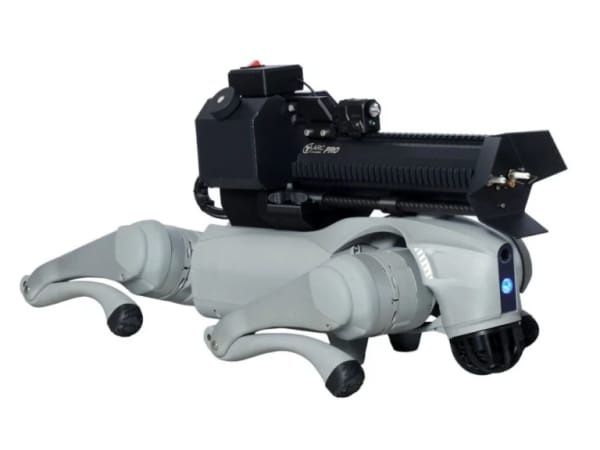
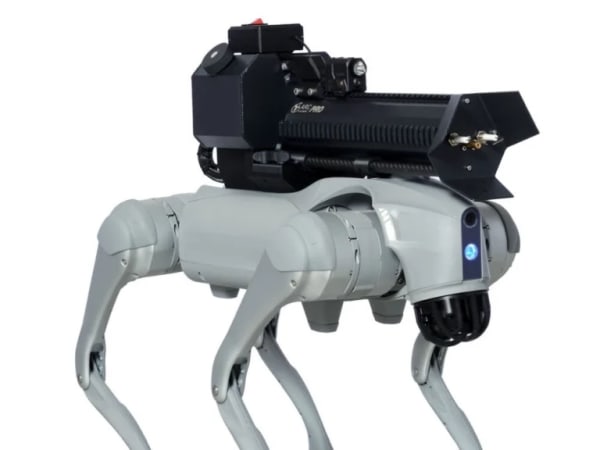
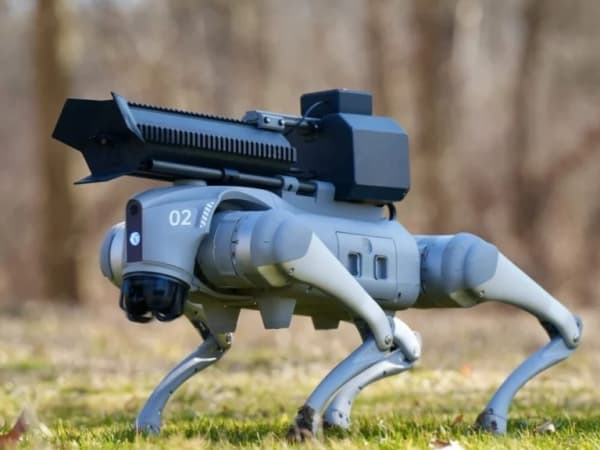
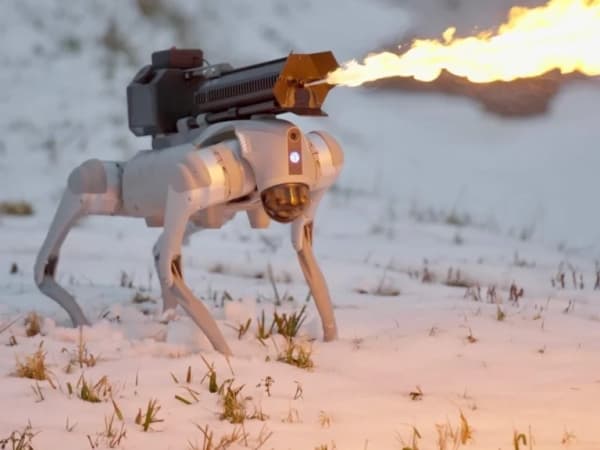
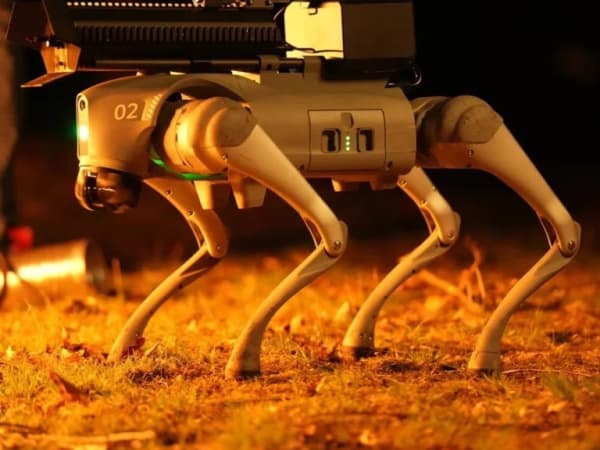
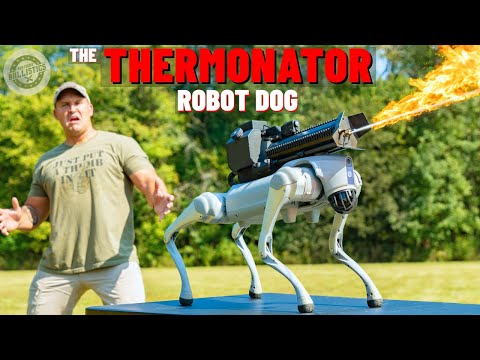
Thermonator is a four-legged robotic platform manufactured by Throwflame, an Ohio-based flamethrower manufacturer. The system integrates a custom electric flamethrower onto a quadruped robot frame, designed to perform fire-related tasks remotely. According to the manufacturer, it addresses the need for remote fire application in hazardous environments where human operators face safety risks, including wildfire prevention, controlled agricultural burns, and snow removal in difficult-to-access locations.
Q2. What are the main capabilities and key features of Thermonator?
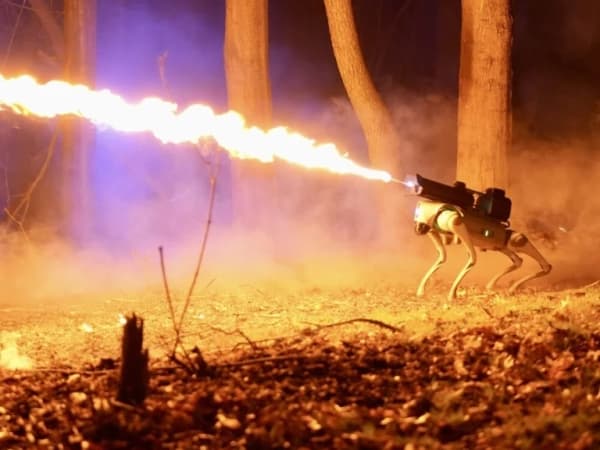
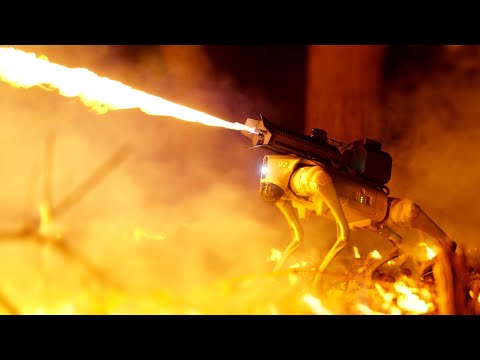
Thermonator is equipped with the ARC electric flamethrower, capable of projecting flames approximately 30 feet. The system features LIDAR-based obstacle avoidance for autonomous navigation, first-person view camera control via smartphone, laser-based flame aiming, and approximately one hour of battery runtime per charge. The robot can operate on varied terrain including forests and snowy fields, and supports both manual remote control and semi-autonomous operation modes.
Q3. Who is Thermonator built for, and which industries benefit from it?
According to Throwflame, intended applications include wildfire management agencies, agricultural operations, ecological conservation programs, and municipal snow and ice removal services. The manufacturer also lists entertainment and special effects production as potential use cases. The system is marketed as a tool for professional fire management rather than consumer applications.
Q4. Is Thermonator a commercial product or a research prototype?
Thermonator is a commercial product available for purchase. Throwflame markets it as a production system rather than an experimental platform, with specifications and pricing publicly listed on the manufacturer's website and retail channels.
Q5. Is Thermonator currently available for purchase?
Yes, Thermonator is available for purchase in the United States market. The manufacturer lists the price at approximately $9,420. Sales are currently restricted to the United States, according to available information.
Q6. How does Thermonator perform in real-world environments and rough terrain?
According to product documentation, Thermonator is designed to traverse forests with dense leaf coverage and snowy fields. The LIDAR system enables autonomous obstacle detection and avoidance in complex environments. The robot can operate on uneven terrain and is capable of executing dynamic movements such as jumping while maintaining flame projection capability.
Q7. When was Thermonator announced or officially launched?
Thermonator was introduced to the market by Throwflame in 2024. The system has been available for commercial purchase since its launch, with promotional materials and demonstration videos released through the manufacturer's official channels.
Q8. How does Thermonator compare to other quadruped robot dogs?
Thermonator is distinguished by its integrated flamethrower system, which is not a standard feature on commercial quadruped platforms. While other robot dogs focus on mobility and sensing, Thermonator combines locomotion with active fire projection. Direct technical comparisons with other quadruped systems are limited in available documentation.
Q9. Does Thermonator support third-party software development or SDKs?
Available documentation does not indicate that Throwflame provides software development kits or APIs for third-party integration. The system appears to operate through the manufacturer's proprietary control interface, accessible via smartphone application over WiFi and Bluetooth connectivity.
Q10. What is the future roadmap or planned upgrades for Thermonator?
No official roadmap or planned upgrades have been publicly announced by Throwflame. The manufacturer continues to market the current system for its stated applications in fire management, agriculture, and conservation, but future development plans are not documented in available sources.