Frequently Asked Questions
Get answers to common questions about this robot
Q1. What is Vision 60, and what problem is it designed to solve?
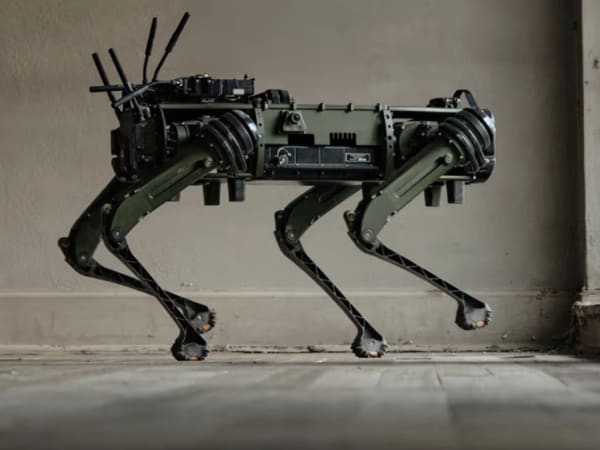
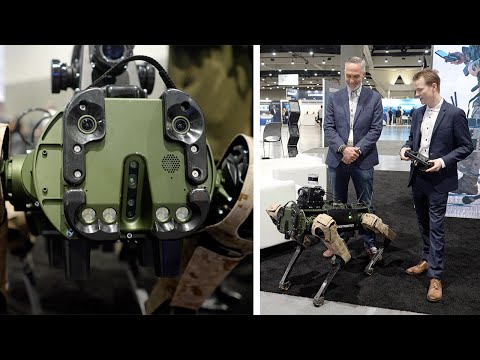
Vision 60 is a quadrupedal unmanned ground vehicle designed by Ghost Robotics for autonomous navigation in challenging, hazardous, or difficult-to-access environments. According to the manufacturer, it addresses the need to deploy robotic systems for reconnaissance, inspection, and situational awareness in terrain where wheeled or tracked vehicles are limited, reducing human exposure to risk.
Q2. What are the main capabilities and key features of Vision 60?
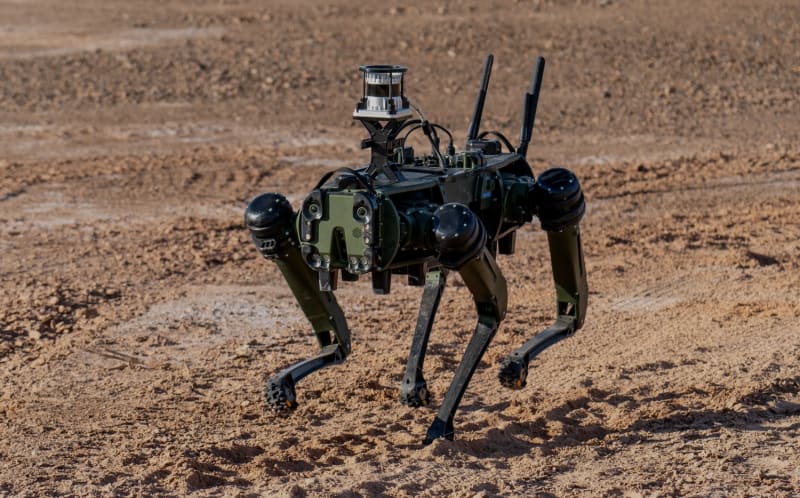
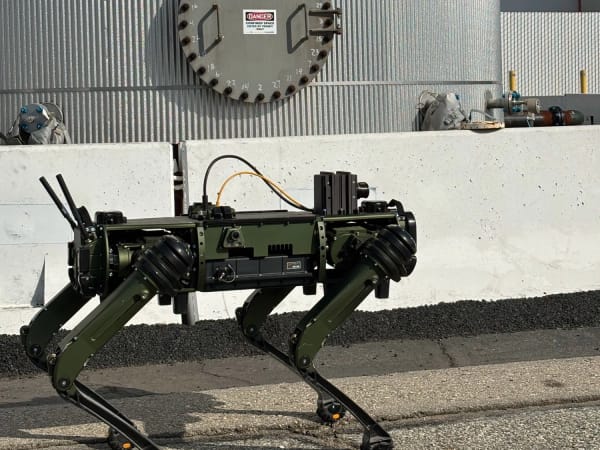
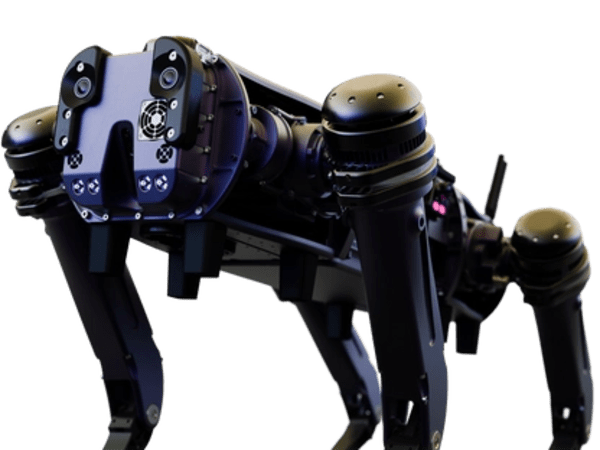
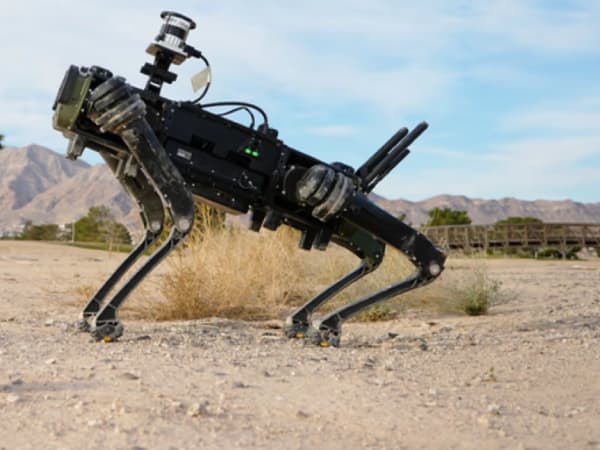
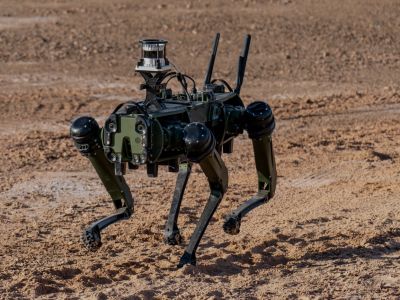
Vision 60 features four-legged locomotion enabling traversal of rocks, sand, stairs, and steep terrain. The system includes multiple RGB and depth cameras for 360-degree environmental awareness, operates in all-weather conditions with IP67 protection, supports autonomous navigation modes including record-and-playback mission automation, and integrates NVIDIA computing for onboard processing. According to Ghost Robotics, the platform can self-right from immobilization and operate fully inverted when necessary.
Q3. Who is Vision 60 built for, and which industries can benefit from it?
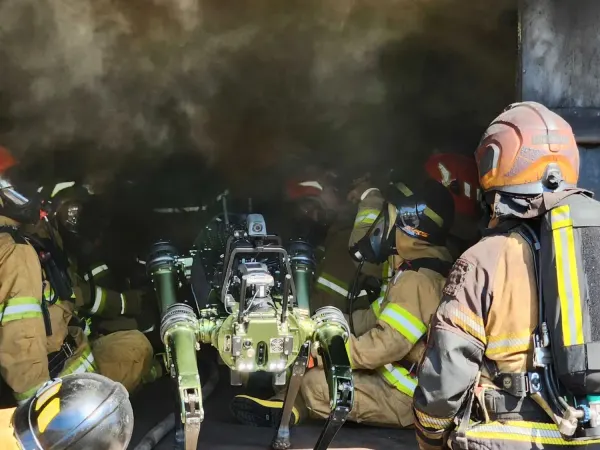
Vision 60 targets defense, homeland security, and enterprise applications. According to the manufacturer, intended users include military and law enforcement for tactical operations, industrial facilities for infrastructure inspection, and organizations requiring autonomous reconnaissance in hazardous environments such as contaminated sites or extreme terrain.
Q4. Is Vision 60 a commercial product or still a research prototype?
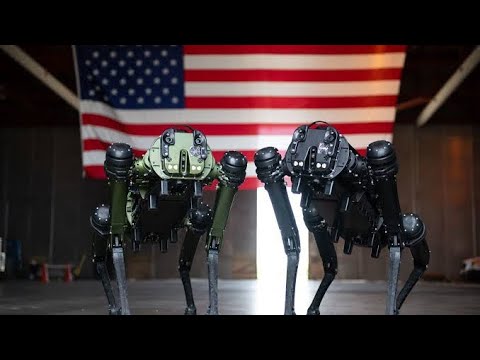
Vision 60 is a commercially available product. Ghost Robotics markets it as a mature platform with modular design for field repairs and multiple autonomy modes, indicating production-ready status rather than experimental development.
Q5. Is Vision 60 currently available for purchase?
Yes, Vision 60 is commercially available. Ghost Robotics lists sales contact information and offers the platform through authorized distributors, with customization options for various sensor and payload configurations.
Q6. How does Vision 60 perform in real-world environments and rough terrain?
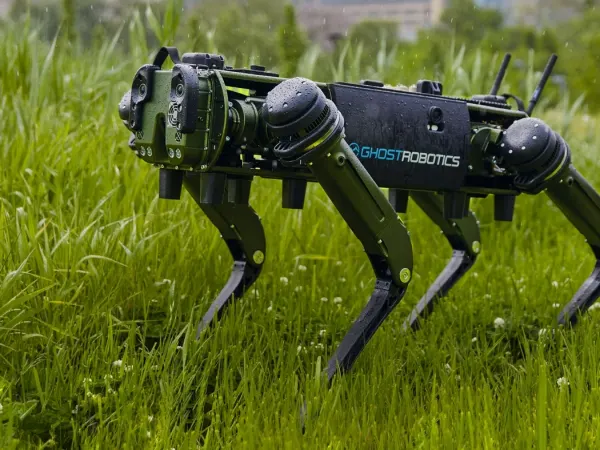
According to Ghost Robotics, Vision 60 traverses complex terrain including rocks, sand, hills, stairs, and steep embankments. The system operates across extreme temperature ranges and can function in dusty, wet environments. The platform includes blind-mode navigation enabling operation when vision sensors fail, and can recover from slips or falls to maintain mission continuity.
Q7. When was Vision 60 announced or officially launched?
The search results do not provide a specific announcement or launch date for Vision 60. The available documentation references it as a mature product with multiple generation iterations, but exact timeline information is not available in current sources.
Q8. How is Vision 60 different from other robot dogs in the same category?
According to Ghost Robotics, Vision 60 is the only commercially available quadrupedal ground robot with IP67 rating enabling all-weather submersion capability. The manufacturer emphasizes its modular design for rapid field repairs, back-drivable motor architecture enabling inverted operation, and software-based compliance control using force sensing at high bandwidth rather than mechanical springs.
Q9. Does Vision 60 support third-party software development or SDKs?
Yes, Ghost Robotics provides a software development kit enabling third-party integration. The platform supports standard joystick and touchpad controllers and uses a scriptable mission format with reusable task-based plug-ins, allowing customization for specific operational requirements.
Q10. What is the future roadmap or planned upgrades for Vision 60?
Ghost Robotics has announced plans to expand communication capabilities, with 5G connectivity currently in trials. The company aims to increase sprint speed performance and continues developing payload options including robotic arms and specialized sensor packages, though specific timelines for these enhancements are not publicly detailed.