Cultural Design Meets Industrial Power: Deep Robotics Redefines Quadruped Robotics with Year of the Horse Edition
Robot Details
Robo Horse • Deep RoboticsPublished
March 19, 2026
Reading Time
3 min read
Author
Origin Of Bots Editorial Team
When Engineering Embraces Tradition
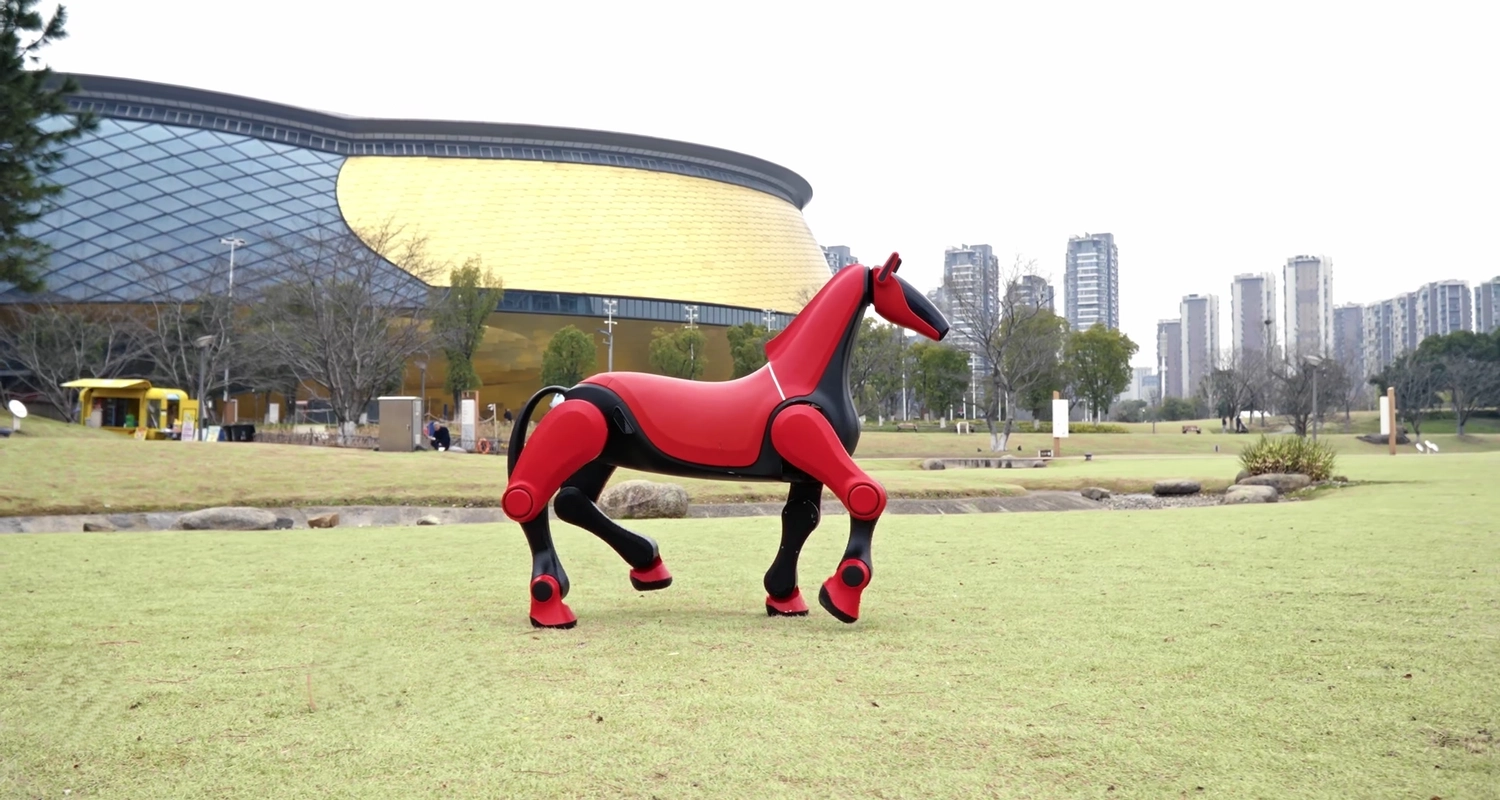
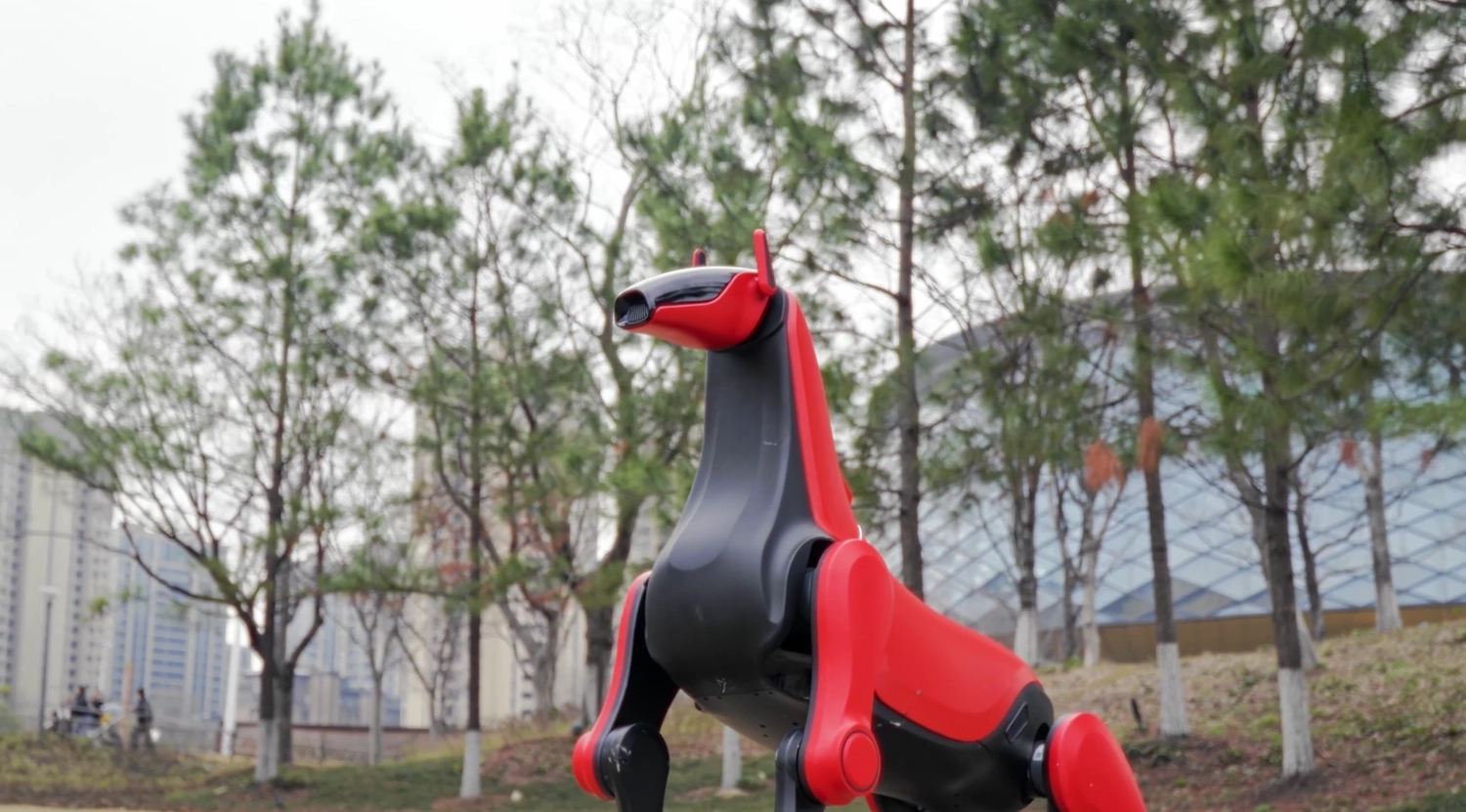
Deep Robotics has transformed its industrial Lynx M20 Pro platform into a culturally significant machine that challenges conventional thinking about robotics aesthetics and functionality. The company's Year of the Horse Special Edition, created to commemorate the 2026 lunar calendar milestone, demonstrates that sophisticated automation need not sacrifice visual identity or cultural meaning. This bionic equine platform retains full industrial-grade capabilities while adopting sculpted legs and hoof-inspired feet that replicate authentic horse movement patterns. The strategic redesign signals a broader industry shift toward robotics that communicate personality and cultural relevance alongside technical performance, positioning DEEP Robotics at the intersection of engineering innovation and creative expression.
Beyond Aesthetic Reimagining
What distinguishes this robo-horse from standard quadruped platforms extends well beyond cosmetic modification. The platform achieves autonomous navigation through dual 96-line LiDAR systems providing 360-degree field awareness, enabling real-time obstacle detection and dynamic path planning without human intervention. The integration of high-precision inertial measurement units and joint torque sensors allows the machine to adapt gait mechanics in response to terrain variability, whether traversing muddy industrial sites, ascending stairs, or navigating crowded pedestrian zones. This sensory sophistication permits deployment in scenarios where traditional wheeled systems fail, while the proprietary control architecture inherited from the Lynx M20 foundation ensures predictable, repeatable performance across diverse environmental conditions.
Engineering Architecture That Delivers
The technical foundation powering this platform reflects years of development in embodied AI and motion control systems. Dual 1080P wide-angle RGB cameras feed real-time visual data into the LiDAR-based SLAM (Simultaneous Localization and Mapping) system, creating redundant environmental perception that prioritizes mission reliability. The wheeled-legged hybrid mobility architecture enables the machine to traverse obstacles that would immobilize conventional robots, while hot-swappable battery modules extend operational duration up to three hours per charge cycle. Operating across temperature extremes from minus 4°F to 131°F with IP66 dust and water resistance, the platform demonstrates engineering maturity designed for deployment in harsh industrial environments where equipment failure carries operational and financial consequences.
Where Performance Meets Purpose
The robo-horse addresses practical deployment scenarios spanning themed entertainment venues, cultural festival demonstrations, robotics education programs, and light logistics operations in high-traffic pedestrian areas. Industrial inspection teams leverage the platform's stair-climbing capability and obstacle avoidance intelligence for infrastructure assessment in confined spaces inaccessible to human operators. Entertainment venues recognize the machine's cultural symbolism and movement authenticity as attractions that engage audiences while showcasing automation advances. Educational institutions deploy the platform to demonstrate embodied AI principles and quadruped locomotion mechanics to engineering students. This multifaceted applicability reflects a design philosophy that refuses to compartmentalize robotics into purely utilitarian or purely recreational categories.
Key Specifications and Practical Capabilities
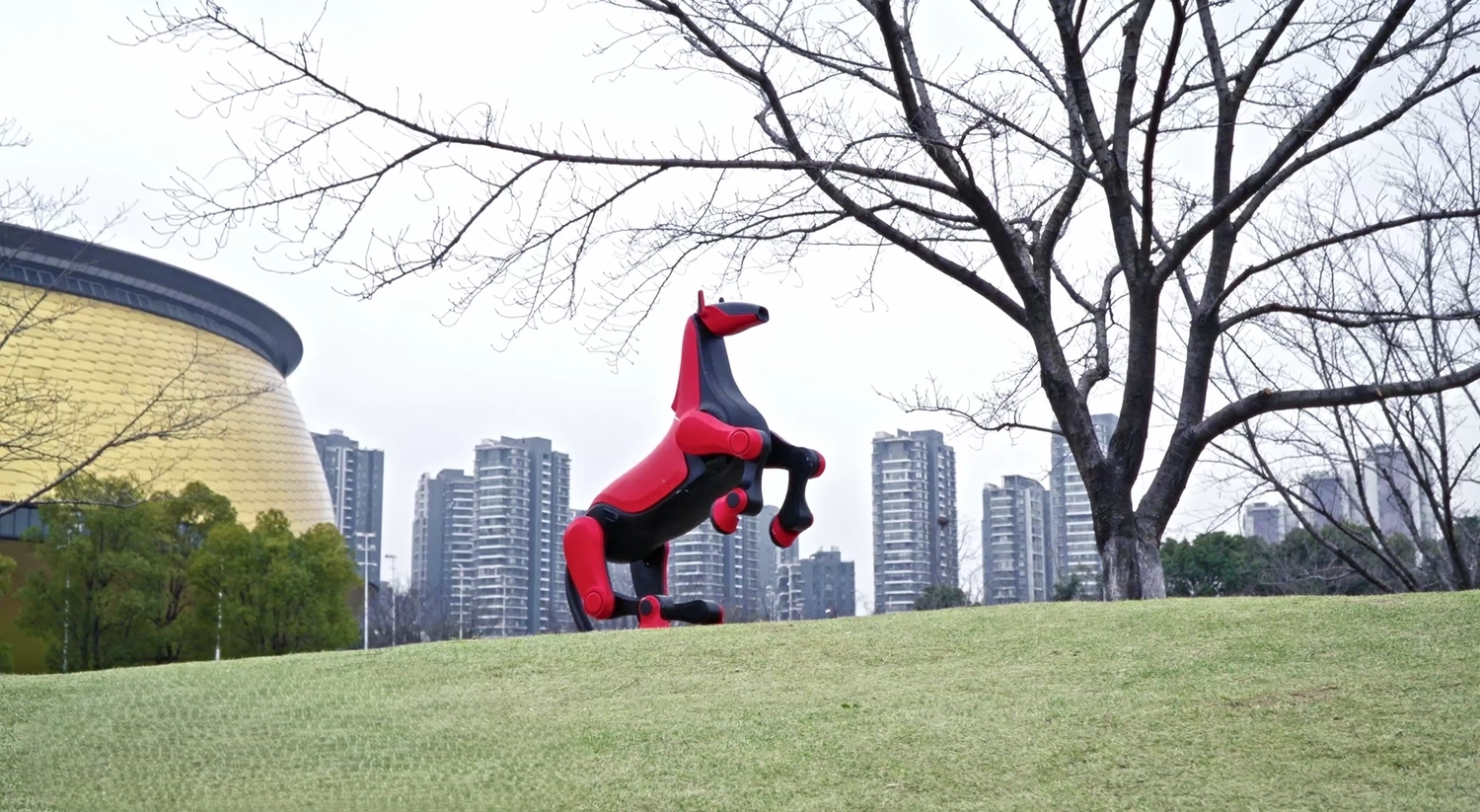
The robo-horse measures 82 centimeters in length, 43 centimeters in width, and 57 centimeters in height when standing, with a total operational weight of 33 kilograms (72.7 lbs) including battery systems. Peak laboratory-tested speed reaches 5 meters per second, though recommended field operating speed remains 2 m/s (approximately 7.2 km/h) to maintain stability and control precision on uneven terrain. The platform accommodates effective payloads of 15 kilograms with maximum load capacity reaching 50 kilograms, enabling deployment scenarios ranging from human riders to mounted industrial sensor packages. High-end lithium-ion battery cells provide an expected service life of three to five years, supporting mission continuity across thousands of operational hours. The dual-LiDAR configuration with 360-degree field of view, combined with joint torque sensors and IMU systems, enables autonomous operation without constant human oversight, reducing operator fatigue during extended deployment cycles.
Related Articles
GrooveX CEO Challenges Lovot Copycats at CES 2026
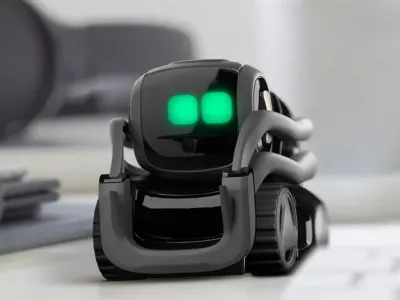
Digital Dream Labs Restores Vector Server Access November 2024, Revives Discontinued Robot
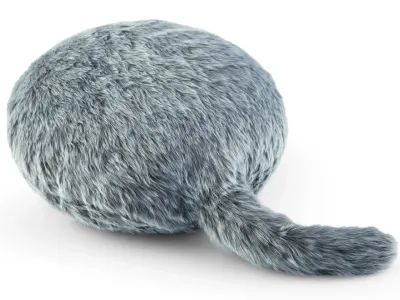
Qoobo Series Milestone Reflects Enduring Appeal

BeatBots Revives Keepon with Enhanced Eye Cameras for Therapy Trials
Learn More About This Robot
Discover detailed specifications, reviews, and comparisons for Robo Horse.
View Robot Details →