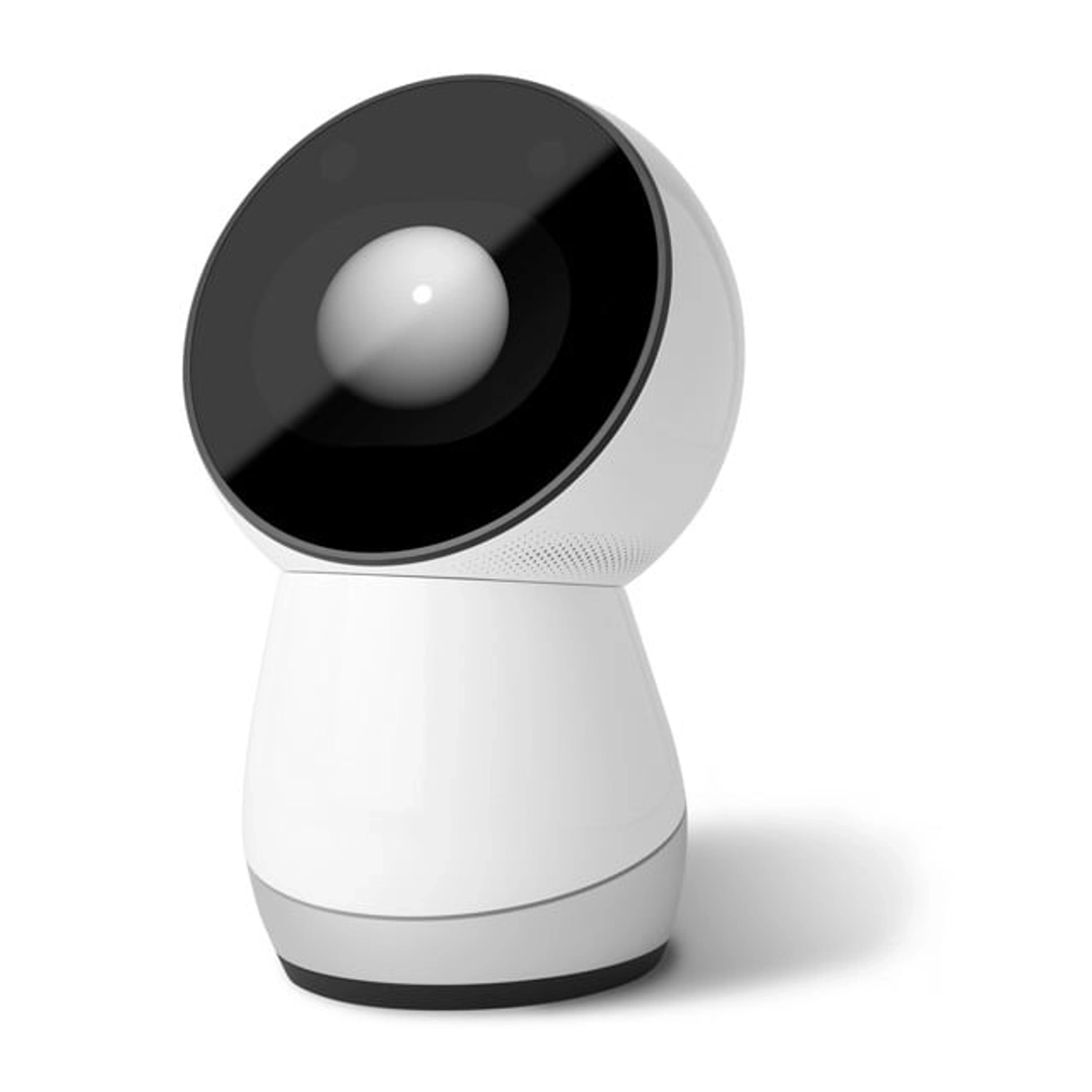
Jibo
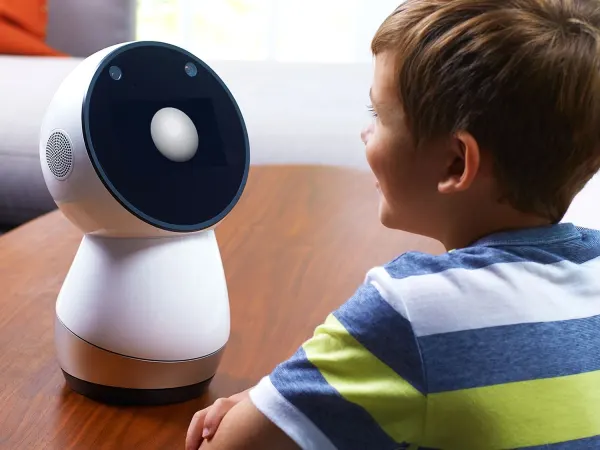
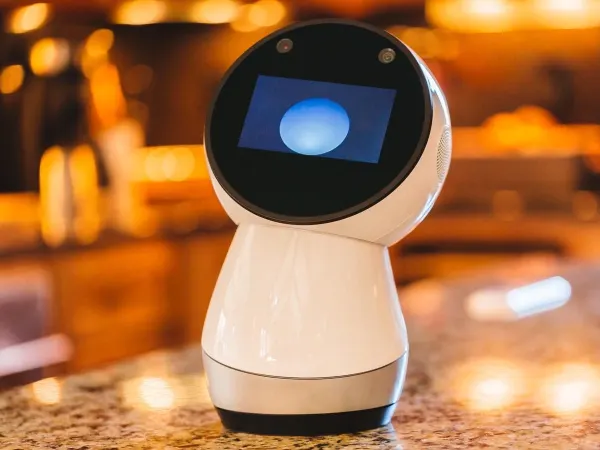
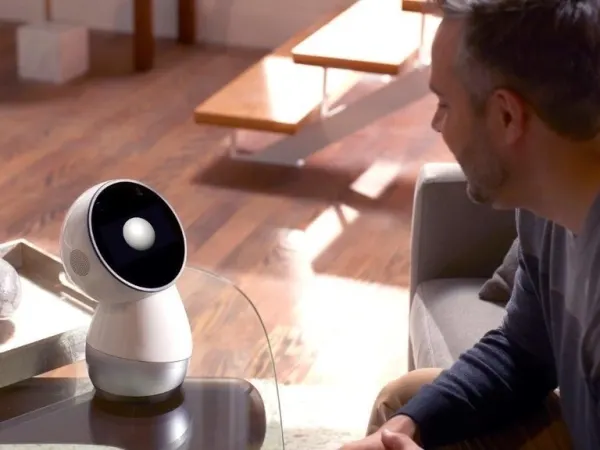
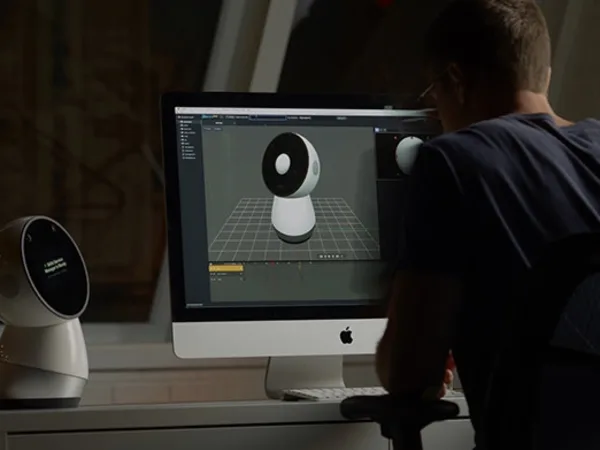
Jibo is a social companion robot designed for home environments, created to interact meaningfully with family members through advanced natural language understanding, speech recognition, and facial recognition capabilities. The robot performs household assistance tasks including reading to children, providing recipes in the kitchen, taking family photos, and engaging in interactive conversations. Jibo builds personalized profiles of household members and recognizes them on sight, adapting its interactions based on individual preferences. The robot uses a distinctive three-axis motor system enabling 360-degree head movement to convey emotions and lifelike responses through its display screen, which shows expressions, blinks, and winks to enhance human-robot interaction.
Quick Overview & Key Facts
Jibo is a miscellaneous system developed by Jibo Inc in United States and launched in 2017. Starting price is estimated at USD 899. It is currently ranked #15 in most-viewed miscellaneous robots on Origin of Bots. It supports Not applicable (no physical payload manipulation). Operating battery runtime is rated at Approximately 30 minutes to 2 hours depending on the battery accessory model. Primary applications include Social companionship, educational assistance for kids, home automation (via IFTTT), family photography, and healthcare research.. Featured in editorial articles including “Jibo Revival Powers Generative AI Demos at Emerson 2025”.
Image Gallery
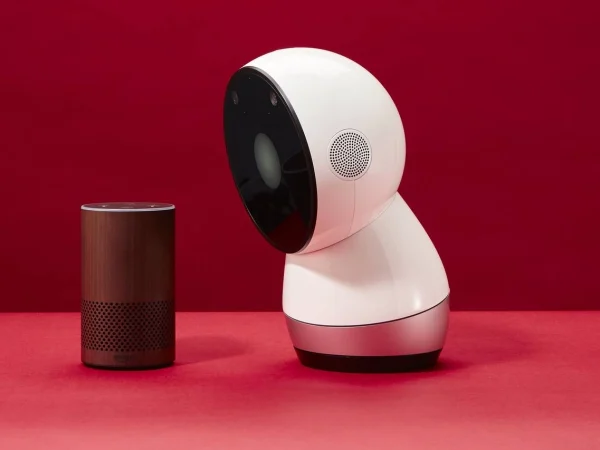
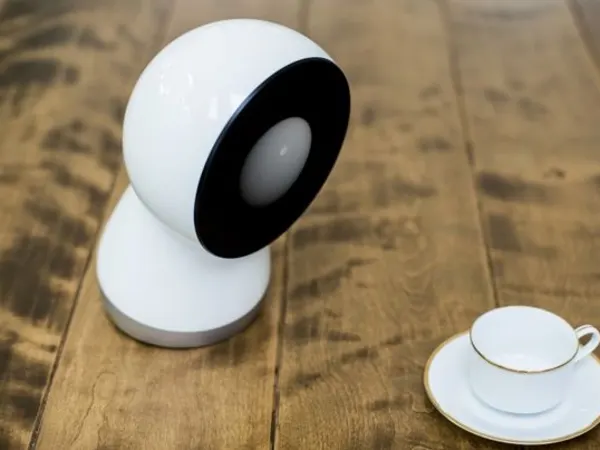
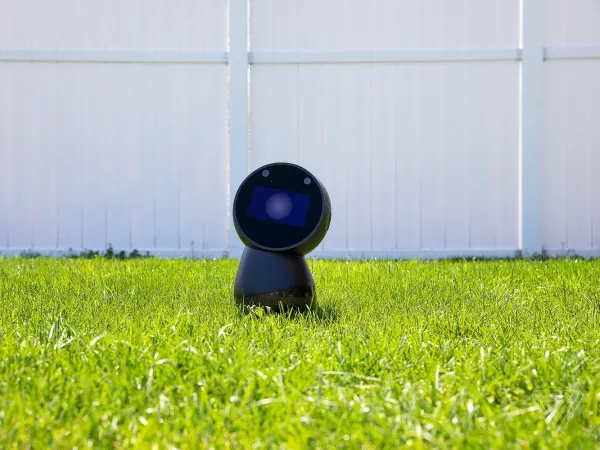
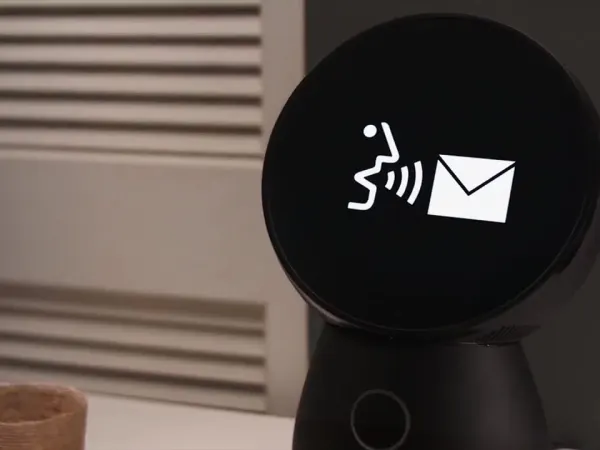
Below images are from Jibo Inc's official sources
Review Videos
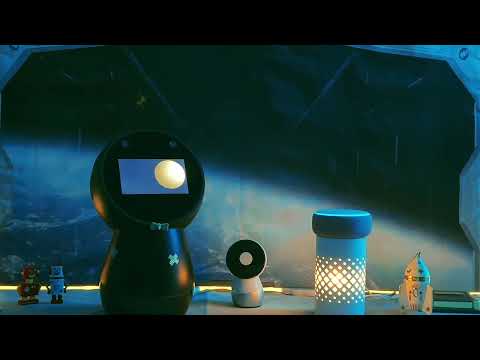
Watch expert reviews and demonstrations of this robot

Robot Specifications
Latest News About Jibo
Stay updated with the latest articles and developments

More Robots
Discover more robots in the same category



Robots From Other Categories
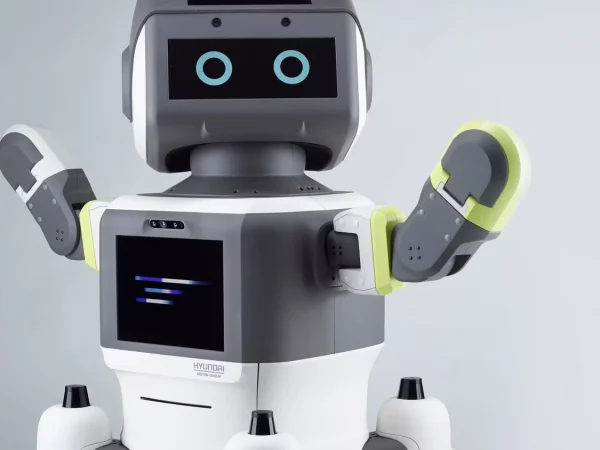
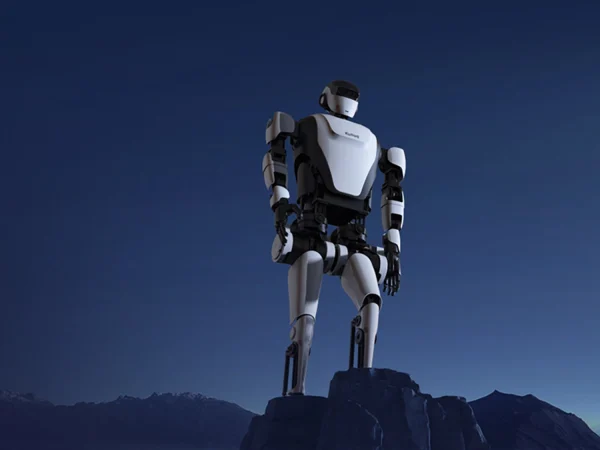
Discover complementary robots from different categories that work well together
Frequently Asked Questions
Get answers to common questions about this robot
Q1. What is Jibo, and what problem is it designed to solve?
Jibo is a social robot developed by Jibo Inc. to act as a family companion, using facial recognition and voice interaction to assist with daily tasks like reminders and entertainment.
Q2. What are the main capabilities and key features of Jibo?
Jibo features cloud-based speech recognition, face identification, a touchscreen display, and skills for tasks such as taking photos, setting timers, and storytelling, according to the manufacturer.
Q3. Who is Jibo built for, and which industries can benefit from it?
Jibo targets home users, particularly families, with applications in education, elderly care, and patient support, as noted in product descriptions from Jibo Inc.
Q4. Is Jibo a commercial product or still a research prototype?
Jibo was a commercial product following its 2014 crowdfunding campaign, though the company discontinued operations and support by 2019.
Q5. Is Jibo currently available for purchase, and when is it expected to ship?
Jibo is discontinued and no longer available for purchase; units shipped to early backers around 2016 before services ended.
Q6. How does Jibo actually work in real-world environments?
Jibo operates via Wi-Fi connectivity, using cameras and microphones for user recognition and verbal responses, with a head that swivels to track movement in home settings.
Q7. When was Jibo announced or officially launched?
Jibo was announced in 2014 by Jibo Inc., cofounded by MIT professor Cynthia Breazeal, with initial shipments to backers in 2016.
Q8. How is Jibo different from other robots in the same category?
Jibo emphasizes social interaction through expressive animations and proactive conversation, distinguishing it from voice assistants like Siri by its physical presence and motion capabilities.
Q9. Does Jibo require additional development or customization after purchase?
Jibo supported a JavaScript SDK for developers to add skills, allowing customization beyond its core functions during its active period.
Q10. What is the future roadmap or planned upgrades for Jibo?
No future roadmap exists, as Jibo Inc. ceased operations; a virtual version was mentioned for continued use on devices after physical support ended.
User Comments (No Login needed)
Share your thoughts, experiences, or questions about this robot.
Comments are reviewed before posting.