Sanctuary Ignites Robotics Era with Phoenix Debut
Robot Details
Phoenix • Sanctuary AIPublished
December 13, 2025
Reading Time
4 min read
Author
Origin Of Bots
Unveiling Sparks Revolution
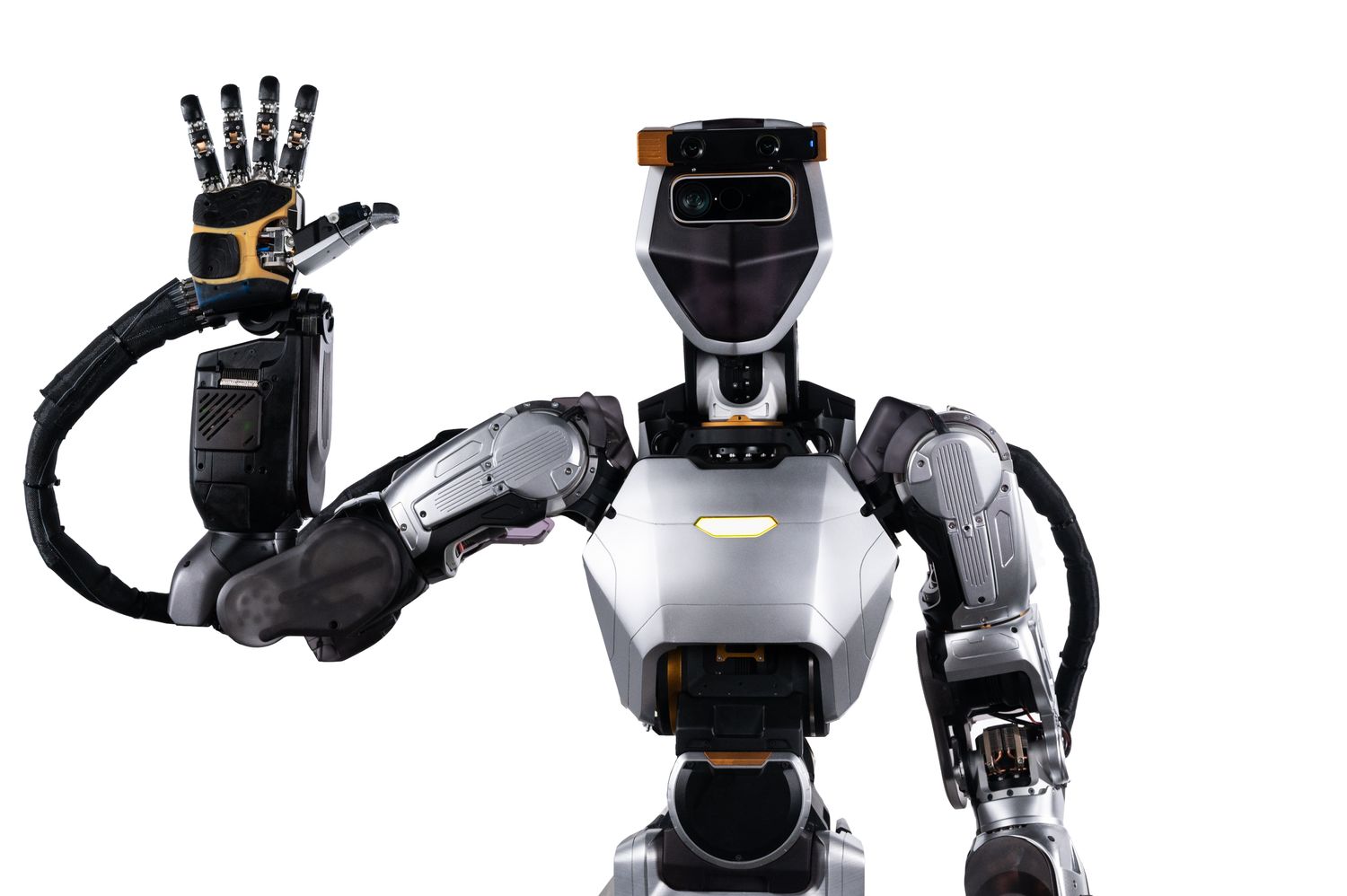
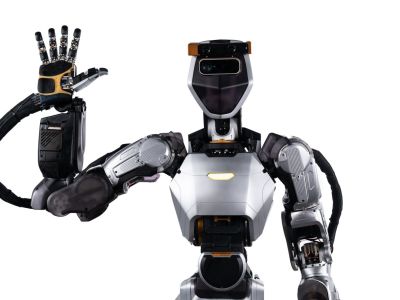
Sanctuary AI just launched Phoenix, its sixth-generation bipedal humanoid, positioning it as a workforce transformer amid global labor shortages. Announced yesterday from Vancouver, this general-purpose robot debuts without a published price (industry estimates run $50,000 to $100,000), making advanced automation accessible to factories and service sectors. By mimicking human dexterity for hundreds of customer-validated tasks across industries, Phoenix disrupts traditional hiring, promising to fill gaps where workers are scarce. Early adopters report rapid integration, signaling a pivot from experimental bots to deployable assets that redefine operational efficiency.
Dexterity Redefines Limits
Phoenix captivates with hands boasting 20 degrees of freedom, rivaling human finesse through proprietary haptic tech that senses pressure, vibration, and texture in real time. Unlike rigid grippers in prior models, these actuators enable delicate feats like needle threading alongside heavy lifts up to 55 pounds. The Carbon AI platform fuses natural language processing with symbolic reasoning, letting operators issue voice commands for instant task execution. This blend of tactile intuition and cognitive agility sets Phoenix apart, turning vague instructions into precise actions without endless reprogramming.
Engineering Leaps Forward
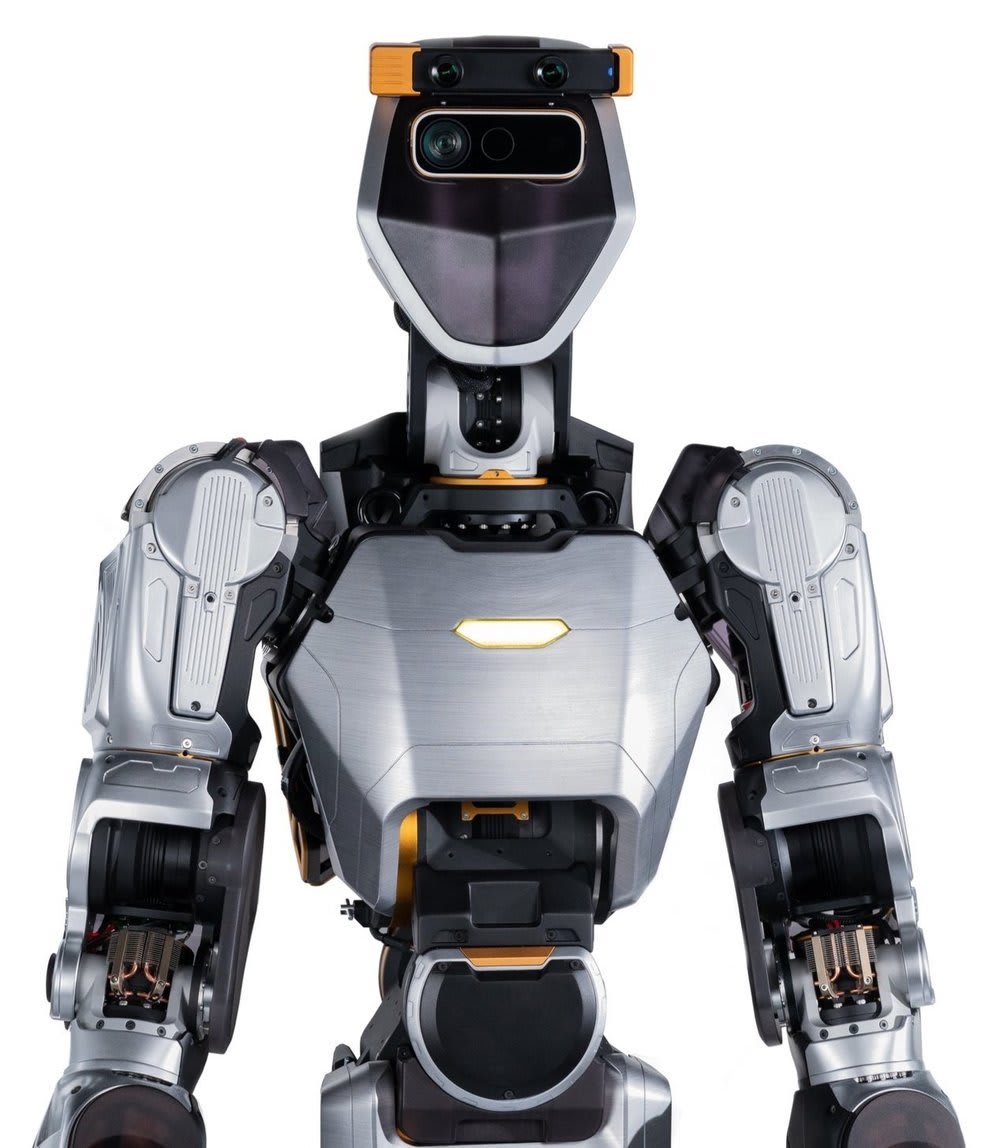
At its core, Phoenix harnesses hydraulic drives for explosive power and precision, paired with a Linux-based system that's fully ROS-compatible for seamless developer tweaks. Innovations in its proprietary AI framework deliver explainable decision-making, blending large language models with reinforcement learning for adaptive behaviors. Embedded micro-cameras and force sensors across limbs create a feedback loop that refines movements on the fly, while physics-realistic simulations accelerate training. These breakthroughs elevate Phoenix from mimicry to genuine autonomy, outpacing earlier Sanctuary prototypes in reliability and speed.
Tasks Transformed Daily
Imagine Phoenix streamlining hospital rounds by assisting nurses with patient lifts or inventory checks, or navigating warehouses to sort logistics parcels with unerring accuracy. In retail, it restocks shelves and aids customers via conversational interfaces; in R&D labs, it captures data for AI refinement. Industrial floors benefit from its payload handling of tools and parts, while customer service roles leverage its personable interactions. These applications, validated in over a dozen sectors, showcase Phoenix bridging human needs with machine endurance, fostering safer, faster workflows without fatigue.
Specs Power Performance
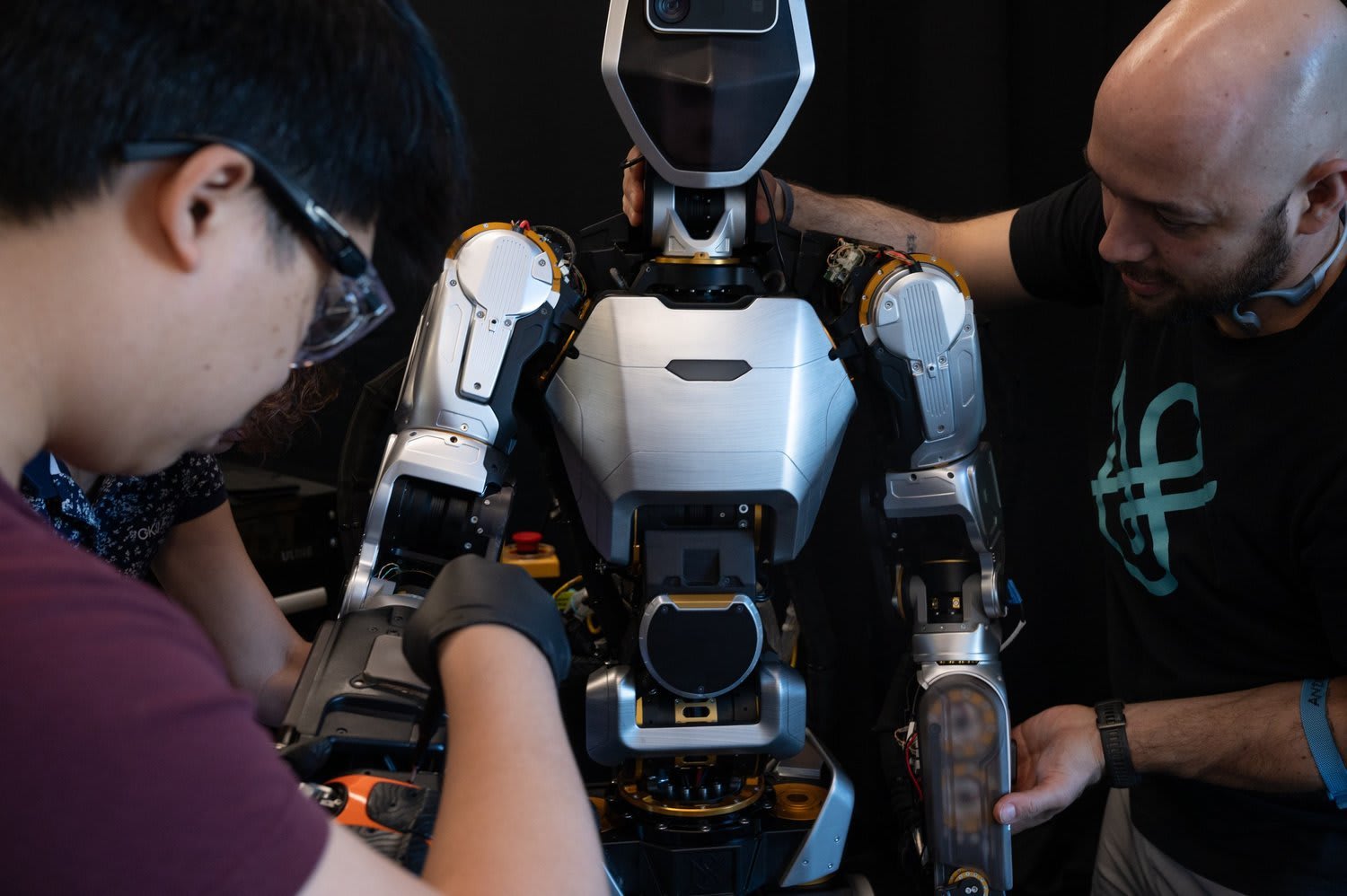
Standing 170 x 55 x 60 cm and weighing 70 kg, Phoenix achieves a top bipedal walking speed of 5 km/h (1.34 m/s), ideal for dynamic environments. Its battery endures 5 years of rigorous use, fueled by RGB cameras, embedded micro-cameras for vision, tactile sensors with haptic feedback, IMU, gyroscope, and force sensors in hands and arms, plus temperature detectors. Navigation relies on LiDAR, SLAM, and visual odometry for obstacle-free paths. Safety includes emergency stops, collision avoidance, and proximity alerts. Running a Linux-based, ROS-compatible OS with proprietary AI, it hauls tools, goods, and industrial parts across uses like automation and healthcare.
Rivals Faceoff Verdict
Against Dex's bulkier frame and Astribot S1's wheeled agility, Phoenix shines in bipedal versatility for uneven terrains, though it trails GR-2's raw speed and AgiBot A2's lighter 50 kg build. Its haptic hands outmaneuver Dex's simpler grippers for fine tasks, and Carbon AI trumps Astribot's basic scripting in reasoning depth, enabling faster learning. Weaknesses include a 5 km/h cap versus GR-2's sprint potential and higher 70 kg weight than AgiBot, impacting portability. Overall, Phoenix leads in dexterity and multi-industry adaptability, positioning it as the balanced powerhouse for real-world deployment.
Industry Shifts Ahead
Phoenix propels Sanctuary toward mass commercialization, building on recent deployments to forecast billions in robotics revenue by 2030. As competitors scramble, its open ecosystem invites partnerships, accelerating AI grounding in physical tasks. Labor markets will evolve, with Phoenix handling repetitive strains to free humans for creative roles, potentially slashing downtime by 50% in adopting firms. This trajectory disrupts manufacturing giants and service providers alike, heralding an era where humanoids become standard infrastructure, not novelties.
Explore Humanoids
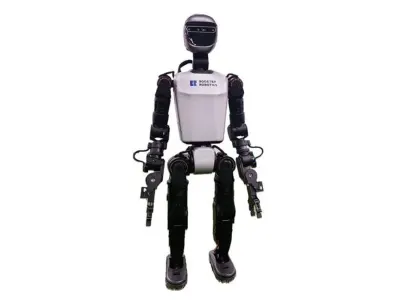
Related Articles
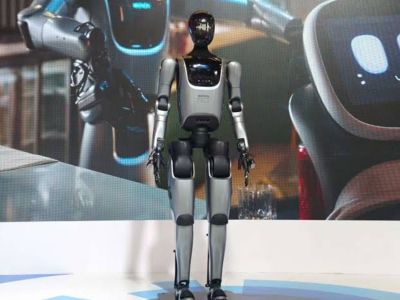
XMAN-F1 Partners Johnnie Walker, M104 for AI Bartending Breakthrough
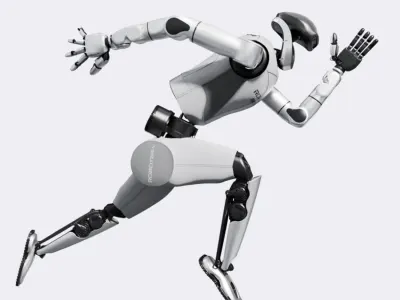
RobotEra L7 Racing Into Warehouses: 14.4 km/h Humanoid Cuts Picking Costs with ERA‑42 Deal

Clone’s Protoclone V1 Mirrors Human Muscles with 1,000 Myofibers, 500 Sensors
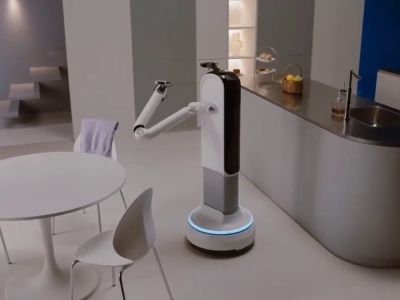
Samsung Bot Handy 2 Integrates Google Gemini, Boosts Dexterity with 3kg Dual-Arm Grip
Related Comparisons
Compare Phoenix with similar robots
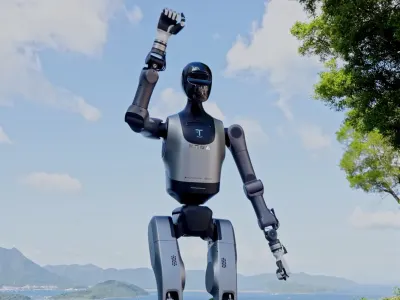
Phoenix vs Walker Tienkung
Compare Phoenix and Walker Tienkung. Detailed analysis of navigation, sensors, and speed.
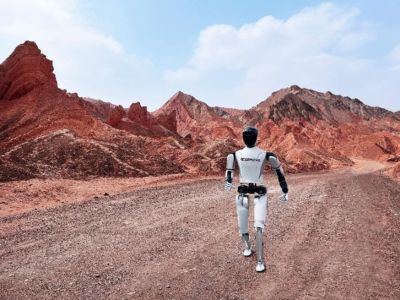
Star1 vs Phoenix
Compare Star1 and Phoenix. Detailed analysis of speed, sensors, AI capabilities, and navigation.

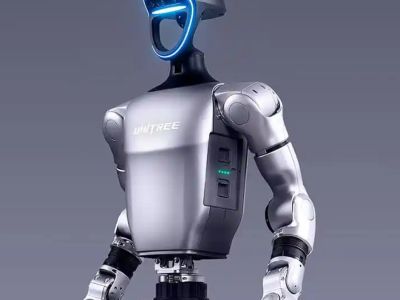
Optimus vs Unitree G1
Compare Optimus vs Unitree G1 for humanoid mobility, dexterity, autonomy, and payload capacity.
Unitree G1 vs Unitree H1
Head-to-head: Unitree G1 vs Unitree H1 compared on bipedal balance, AI learning, and real-world deployment.
Learn More About This Robot
Discover detailed specifications, reviews, and comparisons for Phoenix.
View Robot Details →