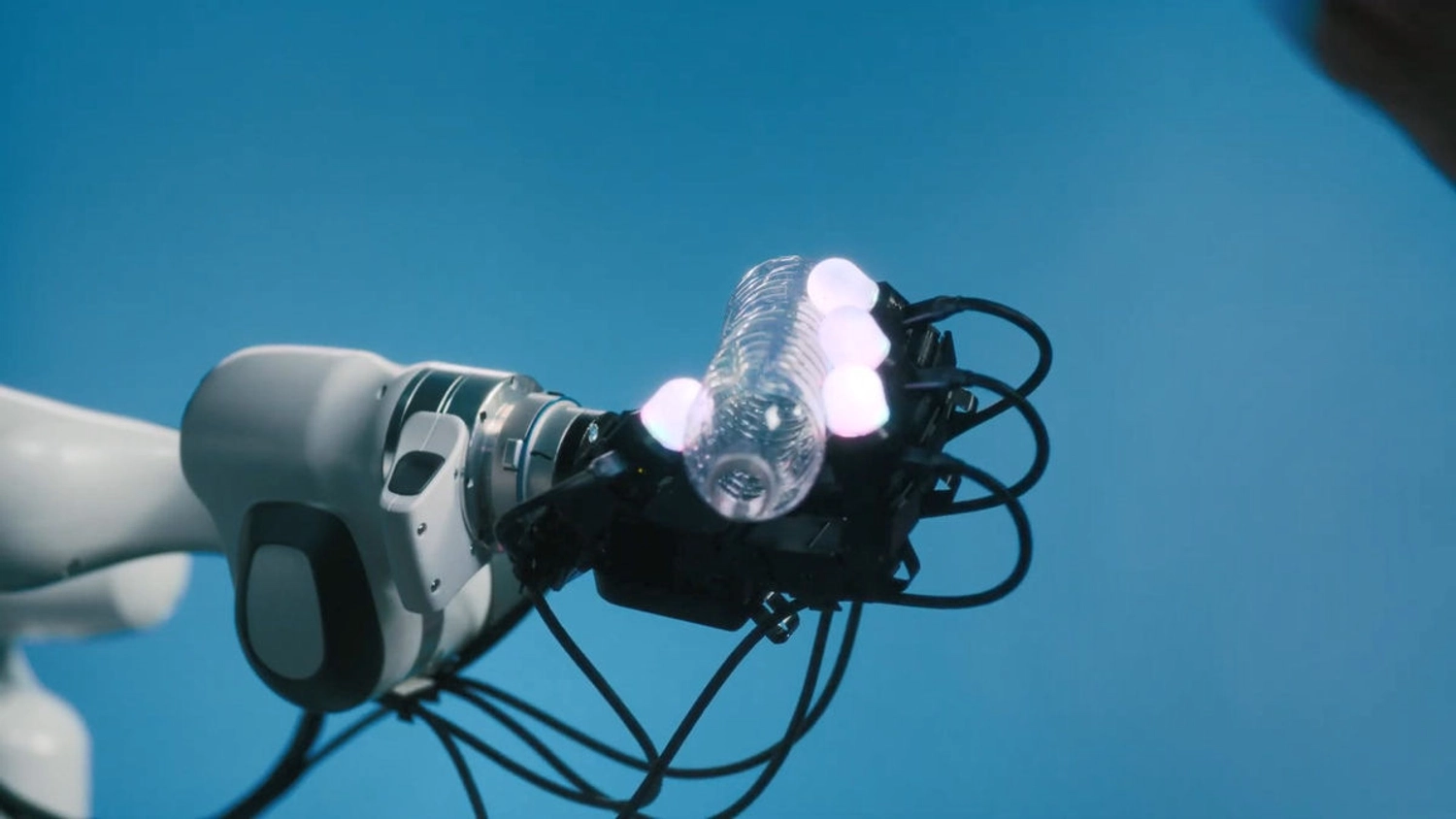
Digit 360
Last updated:
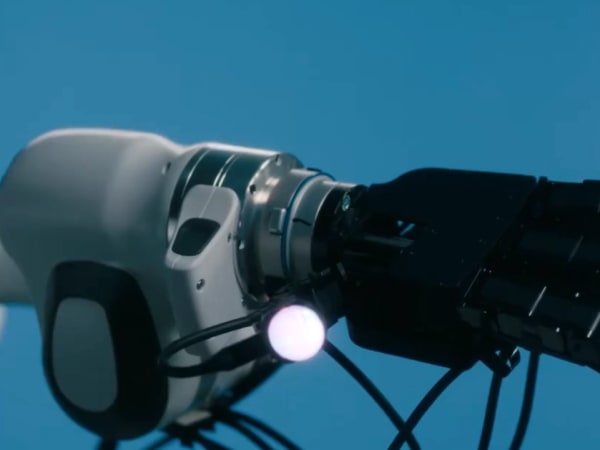
Digit 360 is an artificial fingertip-shaped tactile sensor developed by Meta AI Research in partnership with GelSight, announced October 31, 2024. It digitizes touch with human-level precision, featuring over 18 sensing modalities for rich tactile data including spatial details, forces as low as 1 millinewton, and omnidirectional surface deformations. GelSight will manufacture and distribute it for robotics research, with early access via proposals and wide availability targeted for 2025, advancing touch perception in AI and dexterous manipulation.
Robot Specifications
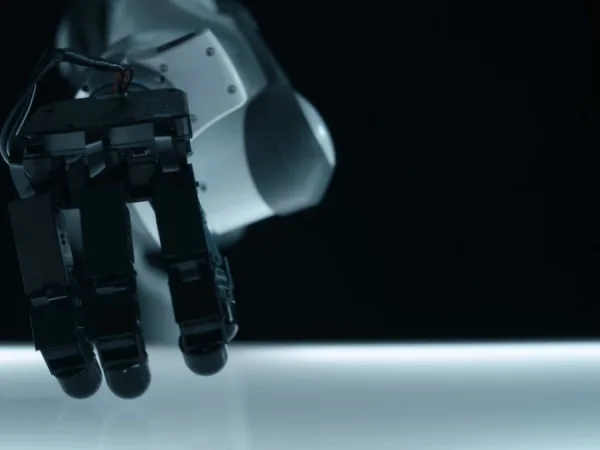
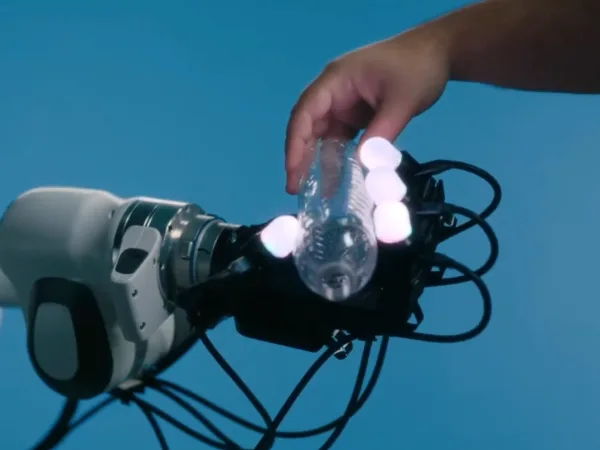
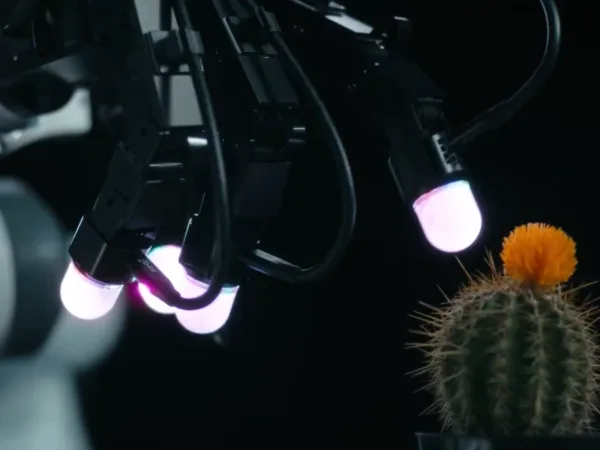
Image Gallery
Below images are from Meta's official sources




Review Videos
Watch expert reviews and demonstrations of this robot



Frequently Asked Questions
Get answers to common questions about this robot
Q1. What is the humanoid robot hand Digit 360, and what problem does it solve?
Digit 360 is a fingertip-shaped tactile sensor developed by GelSight and Meta AI for robotic fingers. It digitizes touch to provide detailed spatial and force data, addressing limitations in robotic perception of object surfaces and contact physics.
Q2. What are the main capabilities and key features of Digit 360?
Digit 360 features over 18 sensing modalities, high-resolution imaging-based tactile sensing, and omnidirectional touch detection. According to developers, it captures multi-modal signals for advancing touch perception in robotics.
Q3. Which industries and use cases is Digit 360 built for?
Digit 360 targets robotics research, dexterous manipulation, prosthetics, virtual reality, and telepresence. GelSight notes potential in surface analysis and complex object handling across material types.
Q4. What is the grip strength and dexterity of Digit 360?
Digit 360 emphasizes tactile sensitivity over grip strength, detecting forces as small as 1 millinewton with micron-level spatial resolution. It supports dexterous tasks through detailed surface imprint capture.
Q5. Is Digit 360 compatible with standard robotic arms?
Digit 360 connects via USB-3.1 Type-C and includes base CAD files for custom end-effector adaptors. Developers provide GitHub resources for integration with various robotic platforms.
Q6. Does Digit 360 support tactile sensing or force feedback?
Digit 360 provides advanced tactile sensing using elastomeric optics to digitize touch, including force and spatial details. It enables real-time multi-modal signal processing for force feedback applications.
Q7. What programming interfaces or SDKs are available for Digit 360?
Digit 360 offers drivers for data streaming and control, with all code and designs open-sourced by Meta AI. It supports on-device AI processing and integration with touch processing libraries.
Q8. How does Digit 360 compare to other robotic end-effectors?
Compared to prior sensors like the original Digit, Digit 360 adds omnidirectional sensing and over 18 features for enhanced multi-modal performance. GelSight describes it as advancing spatial and temporal tactile capabilities.
Q9. What level of maintenance is required for Digit 360?
As a modular tactile sensor, Digit 360 uses compliant elastomeric materials typical of imaging-based designs, suggesting routine checks on optical components. Specific maintenance details are provided in developer documentation.
Q10. Is Digit 360 currently available for commercial purchase?
Digit 360 is not yet commercially available; GelSight and Meta AI offer early access via a Call for Proposals. The partnership aims to commercialize it for researchers.
User Comments (No Login needed)
Share your thoughts, experiences, or questions about this robot.
Comments are reviewed before posting.