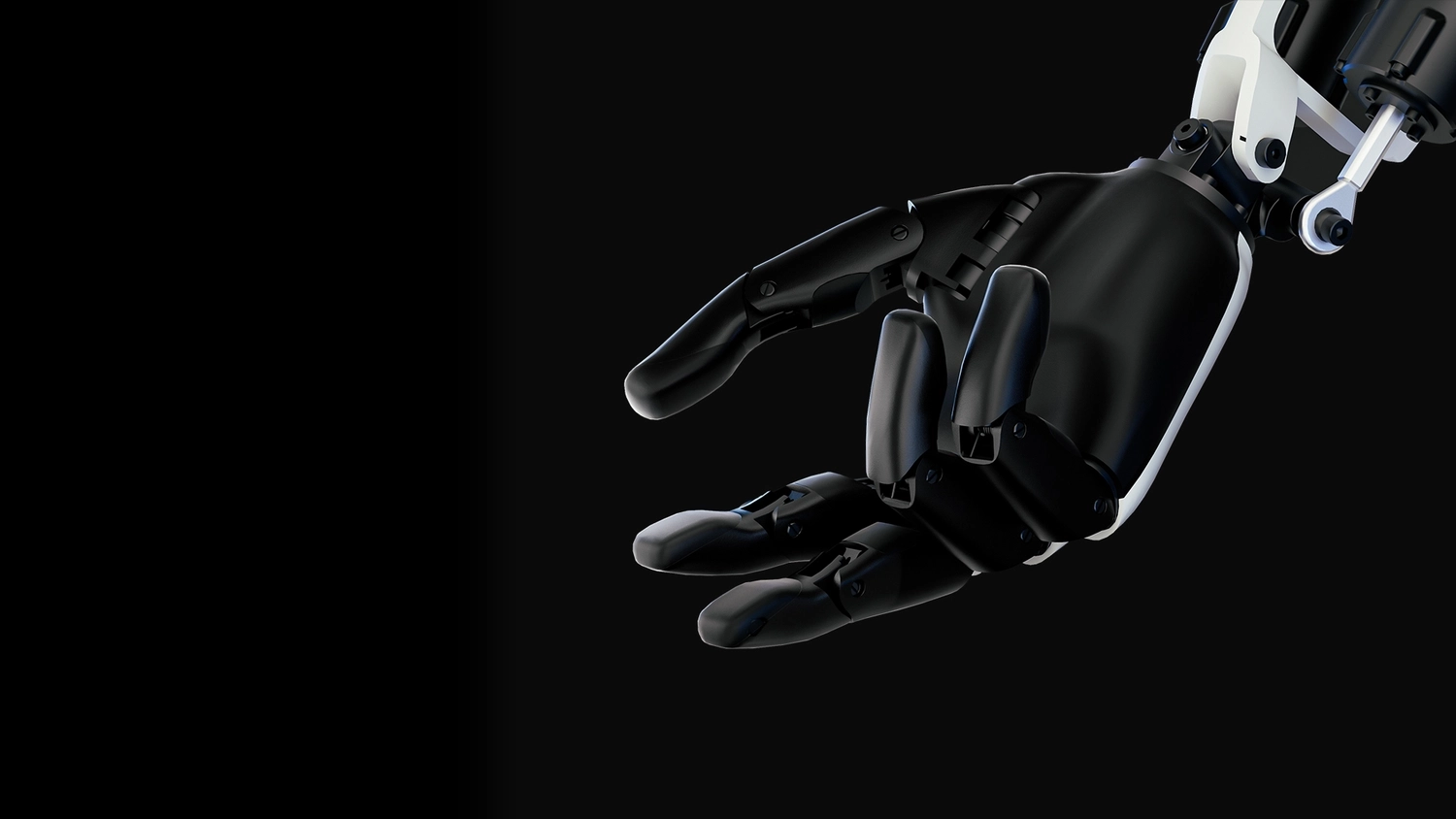
Kepler Forerunner Hand
Last updated:
The Kepler Forerunner Hand is a highly dexterous, sensor-packed anthropomorphic end-effector integrated into the Forerunner K2 humanoid robot, featuring five digits with rope-driven actuation for human-like manipulation. It supports up to 11-12 degrees of freedom (active and passive), enabling precise tasks like grasping and lifting up to 15 kg (33 lb) per hand. Fingertip sensor arrays with 96 contact points provide advanced tactile feedback for commercial applications in manufacturing, logistics, and research.
Robot Specifications
Image Gallery
Below images are from Kepler Robotics's official sources
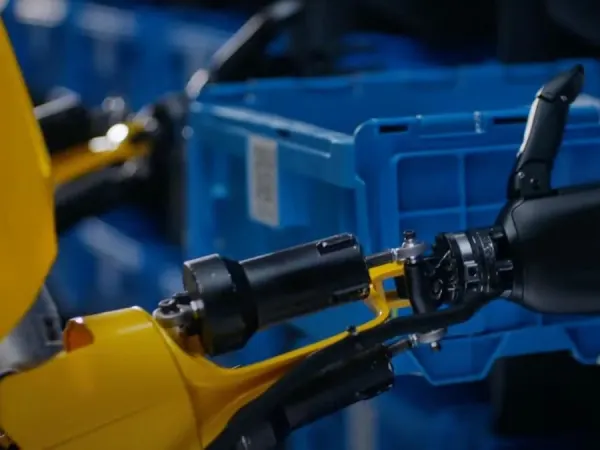
Review Videos
Watch expert reviews and demonstrations of this robot
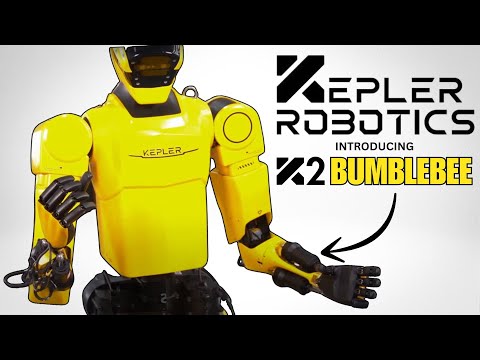
Frequently Asked Questions
Get answers to common questions about this robot
Q1. What is the humanoid robot hand Kepler Forerunner Hand by Kepler Robotics, and what problem does it solve?
The Kepler Forerunner Hand is a dexterous end-effector integrated into Kepler Robotics' Forerunner humanoid robots, such as the K2 model. According to Kepler Robotics, it addresses challenges in precise object manipulation for commercial robotic applications.
Q2. What are the main capabilities and key features of Kepler Forerunner Hand?
The hand features a rope-driven design with five digits, supporting active and passive degrees of freedom. According to Kepler Robotics, it enables human-like grasping with fingertip sensor arrays for tactile feedback.
Q3. Which industries and use cases is Kepler Forerunner Hand built for?
It is designed for industrial, research, and safety applications within Kepler's Forerunner series. The manufacturer states it supports tasks like visual recognition, hand-eye coordination, and handling objects in complex environments.
Q4. What is the grip strength and dexterity of Kepler Forerunner Hand?
Each hand in the Forerunner K2 supports up to 15 kg payload capacity, according to Kepler Robotics. It provides 11 degrees of active and passive freedom per hand for dexterous manipulation.
Q5. Is Kepler Forerunner Hand compatible with standard robotic arms?
The hand is integrated into Kepler's proprietary Forerunner humanoid arms using in-house actuators. Kepler Robotics has not specified compatibility with standard third-party robotic arms.
Q6. Does Kepler Forerunner Hand support tactile sensing or force feedback?
Yes, each fingertip includes a sensor array with 96 contact points. According to the manufacturer, this enables precise tactile sensing for object manipulation.
Q7. What programming interfaces or SDKs are available for Kepler Forerunner Hand?
The Forerunner series includes built-in intelligent programs for hand control, visual recognition, and coordination. Kepler Robotics offers a developer platform for these functions.
Q8. How does Kepler Forerunner Hand compare to other robotic end-effectors?
Kepler claims its hand achieves a balance of heavy load capacity and fine control via rope-driven mechanics and sensors. It is part of the fifth-generation Forerunner K2, tailored for commercial use.
Q9. What level of maintenance is required for Kepler Forerunner Hand?
The Forerunner K2 design features a star-shaped wiring layout for easier upgrades and maintenance. Kepler Robotics reports improved arm rigidity and manufacturability in this generation.
Q10. Is Kepler Forerunner Hand currently available for commercial purchase?
The Forerunner K2, including its hands, was announced as tailored for commercial applications following customer talks. As of 2024 launches, Kepler lists related models as prototypes.
User Comments (No Login needed)
Share your thoughts, experiences, or questions about this robot.
Comments are reviewed before posting.