Addverb Unveils Humanoid Revolutionizing AI Labor
Robot Details
ELIXIS • Addverb TechnologiesPublished
December 13, 2025
Reading Time
4 min read
Author
Origin Of Bots
Launch Ignites Robotics Shift
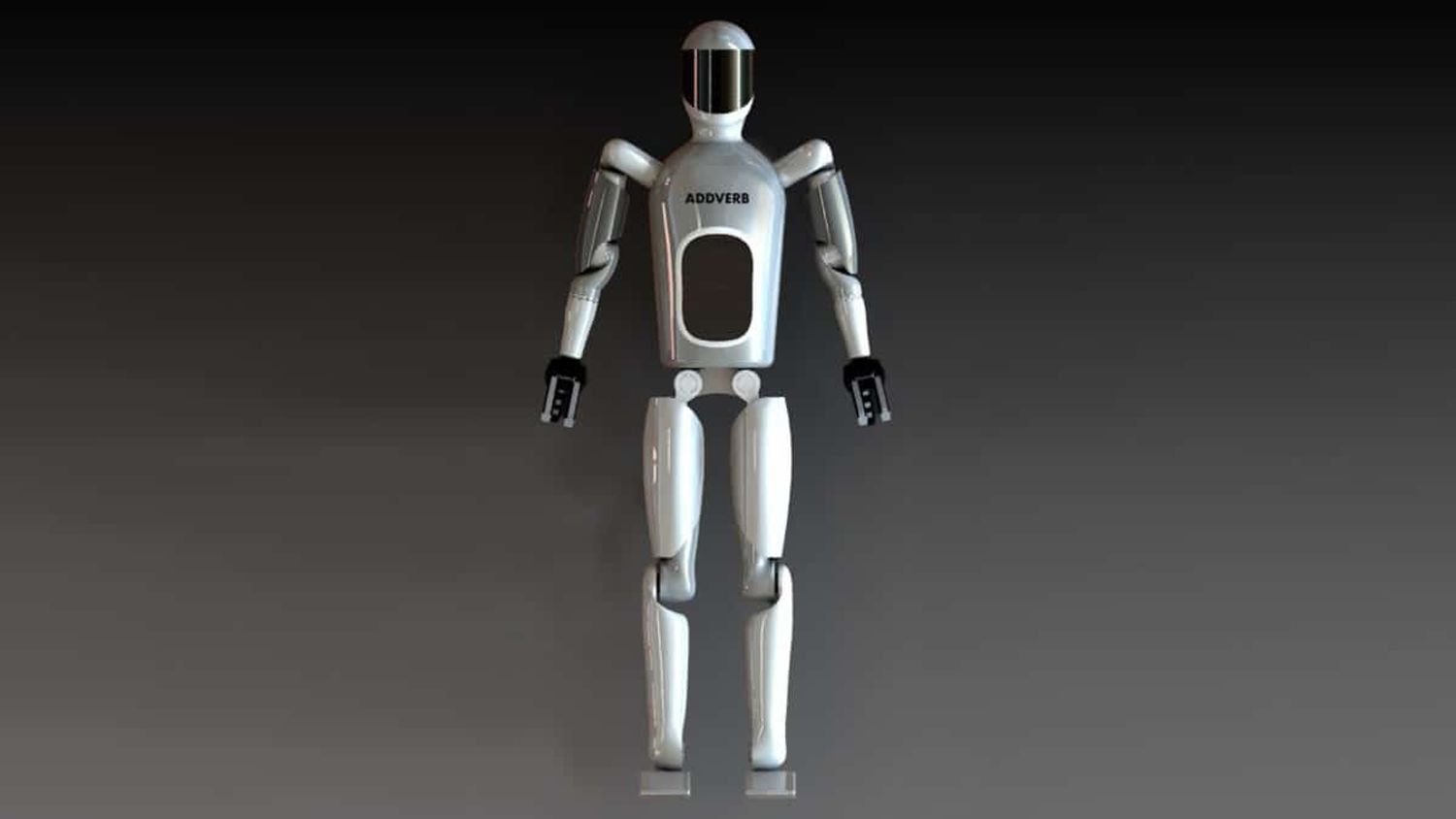
Addverb Technologies debuts its groundbreaking Addverb Humanoid today, thrusting India into the global humanoid robotics vanguard with a 2025 commercial rollout priced at an accessible $50,000 per unit. This announcement disrupts warehouse automation norms, evolving from the company's Trakr quadruped success to bipedal mastery that tackles dull, dirty, and dangerous jobs head-on. CEO Sangeet Kumar frames it as a catalyst for India's 'Make in India' push, blending AI prowess with modular design to deploy 100 units initially across high-stakes sectors. Investors buzz as this positions Addverb against Silicon Valley giants, promising scalable AI agents that learn and adapt without constant human oversight, redefining labor economics overnight.
Capabilities Redefine Autonomy
What elevates Addverb Humanoid is its fusion of visual-language-action tech, enabling seamless interpretation of spoken commands amid chaotic settings like bustling factories. Dual-arm dexterity handles fragile parcel sorting or precision assembly, outpacing rigid industrial arms with fluid, human-mimicking motions powered by low-energy actuators. Self-evolving algorithms process live feeds to improvise, such as rerouting around spills during inventory checks. Unlike static bots, it thrives in unstructured chaos—think dimly lit stockrooms—by dynamically mapping spaces and predicting hazards, introducing a new era of plug-and-play intelligence that slashes training times from weeks to hours and transforms rote tasks into strategic assets.
Engineering Leaps Forward
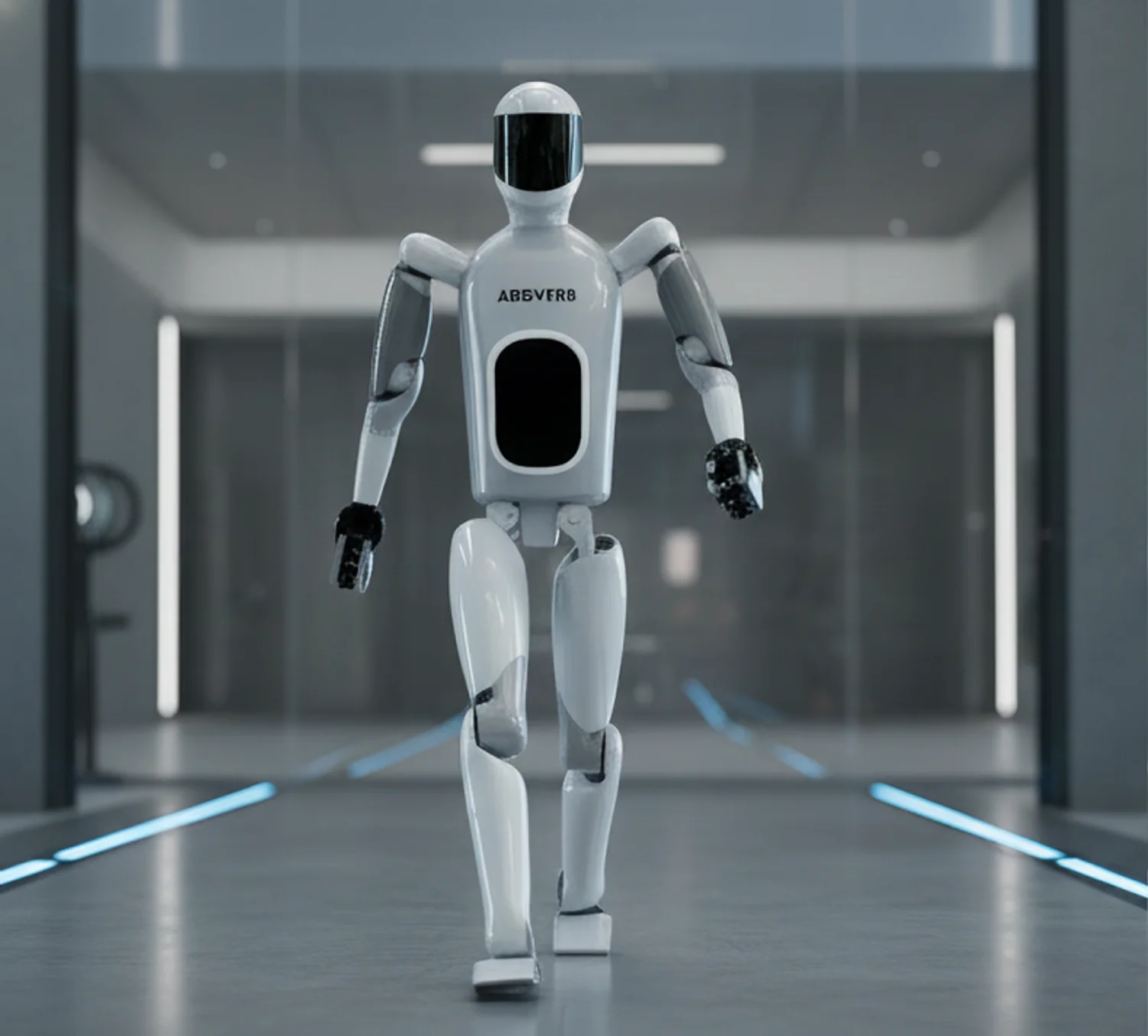
At its core, GPU-fueled brains crunch multi-modal inputs at blistering speeds, while eco-conscious actuators deliver tireless torque for marathon shifts. Bipedal gait algorithms conquer uneven floors, from gravel-strewn disaster zones to polished hospital corridors, thanks to integrated edge computing that offloads decisions without cloud dependency. Dual-arm synergy executes coordinated lifts, like threading tools through tight machinery, bolstered by real-time haptic feedback for gentle manipulations. This engineering symphony—melding ROS frameworks with custom Linux kernels—creates a robot that not only navigates but anticipates, forging pathways for AI hardware that endures extreme conditions without faltering.
Applications Transform Workflows
Warehousing gets a jolt as Humanoid zips through aisles for instant restocking, slashing fulfillment delays by half in fashion depots or petrochemical plants. Defense squads gain silent scouts for perimeter patrols, while healthcare corridors see it ferrying meds or aiding rehab with unerring stability. Disaster relief shines brightest: imagine it clambering rubble to deliver tools or scan survivors via audio cues, filling voids where wheels fail. Energy firms deploy it for high-voltage inspections, dodging sparks humans can't. These tailored interventions minimize downtime, boost safety, and unlock efficiencies in retail sorting or assembly lines, proving Humanoid as a versatile force multiplier across volatile frontiers.
Specs Power Performance
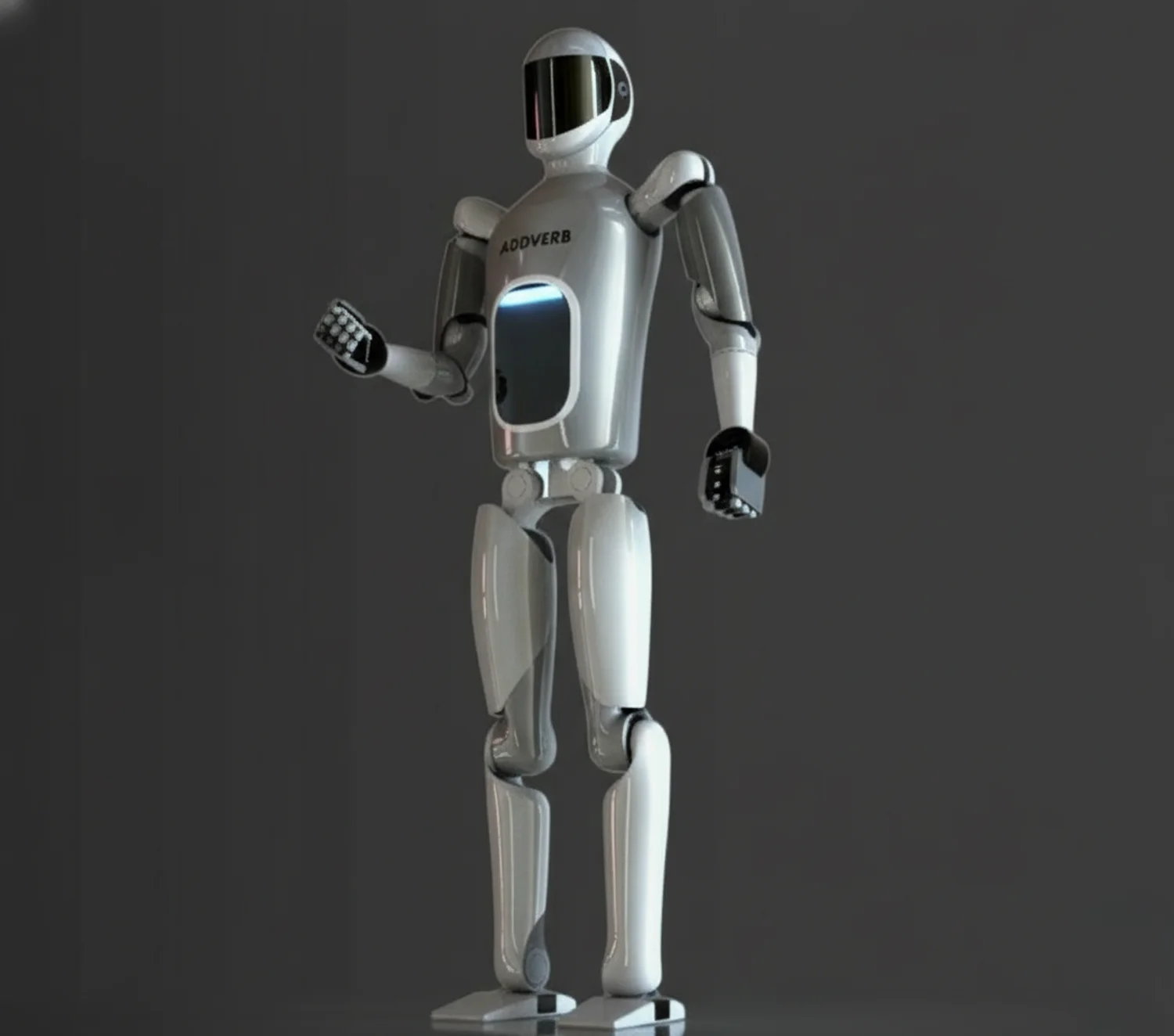
Standing tall at 170 cm high, 60 cm wide, and 40 cm deep, this bipedal dynamo cruises at 5 km/h while hauling goods or tools with ease. A remarkable 5-year battery endurance powers relentless operations, fed by vision cameras, microphone arrays, and tactile sensors for nuanced interactions. LiDAR-SLAM fusion with GPS ensures pinpoint navigation through fog or crowds, while emergency stops, obstacle radars, and collision buffers prioritize safety. ROS-Linux backbone with SDK openness invites developers to customize, making it a payload champ for warehousing lifts or defense gear, all in a compact frame that slips into human-scale spaces without retrofits.
Rivals Faceoff Verdict
Against GR-2's lab-bound agility, Addverb Humanoid claims superior real-world endurance with its 5-year battery trouncing short bursts; Atom's speed edges it slightly, but Humanoid's dual-arm versatility crushes in multi-task warehouses. Henry falters on unstructured terrain where Humanoid's SLAM excels, and PM01's payload lags behind its tool-hauling might—yet competitors boast snappier gaits at 7 km/h. Verdict: Humanoid dominates in battery longevity and sector adaptability for defense or relief, trading raw velocity for unmatched stamina and SDK flexibility, carving a niche as the pragmatic powerhouse over flashy prototypes.
Industry Horizons Expand
Addverb's thrust catapults humanoid adoption, eyeing Mars missions and military overhauls while spawning an Indian robotics ecosystem. With Reliance backing, global rollouts to US and Europe challenge Tesla's Optimus, potentially halving '3D' job costs and igniting a $100 billion market surge by 2030. Developers flock to its open SDK, fostering apps from retail AI clerks to space explorers. This isn't mere hardware—it's a blueprint for human-robot symbiosis, pressuring rivals to match its cost-effective AI edge and reshaping industries from grocery chains to battlefields into smarter, safer realms.
Explore Humanoids

Related Articles
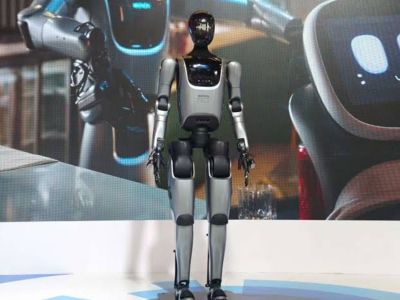
XMAN-F1 Partners Johnnie Walker, M104 for AI Bartending Breakthrough
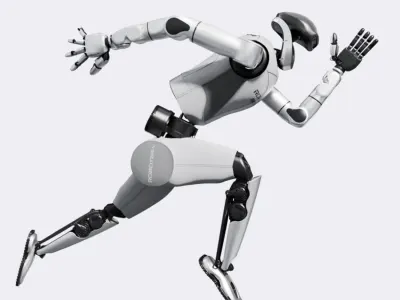
RobotEra L7 Racing Into Warehouses: 14.4 km/h Humanoid Cuts Picking Costs with ERA‑42 Deal

Clone’s Protoclone V1 Mirrors Human Muscles with 1,000 Myofibers, 500 Sensors

Samsung Bot Handy 2 Integrates Google Gemini, Boosts Dexterity with 3kg Dual-Arm Grip
Related Comparisons
Compare ELIXIS with similar robots

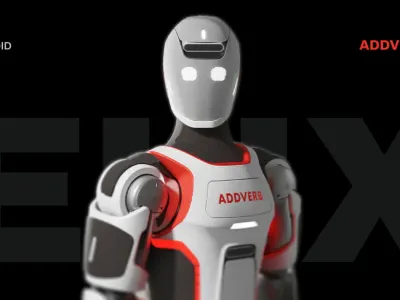
NEO Home Robot vs ELIXIS
NEO Home Robot or ELIXIS? See which humanoid robot performs better for manufacturing, logistics, and research.

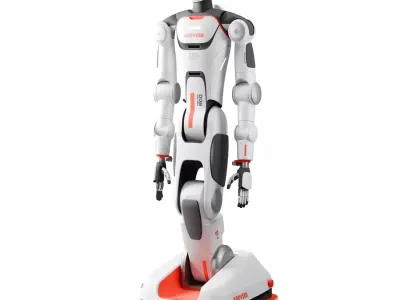
Q5 vs ELIXIS W
Compare Q5 by Robot Era and ELIXIS W by Addverb Technologies. Detailed analysis of sensors, navigation, battery, and price.

CloiD vs ELIXIS W
In-depth comparison of CloiD by LG Electronics and ELIXIS W by Addverb Technologies. Analyze sensors, navigation, and battery performance.

Optimus vs ELIXIS W
Which robot wins? Optimus vs ELIXIS W compared across sensors, battery, navigation, speed, and price for industrial applications.
Learn More About This Robot
Discover detailed specifications, reviews, and comparisons for ELIXIS.
View Robot Details →