Aisoy Robotics Unveils KiK Robot for Scratch-Based AI Coding
Robot Details
Aisoy KiK • Aisoy RoboticsPublished
May 5, 2026
Reading Time
3 min read
Author
Origin Of Bots Editorial Team
Bridging Coding Gaps
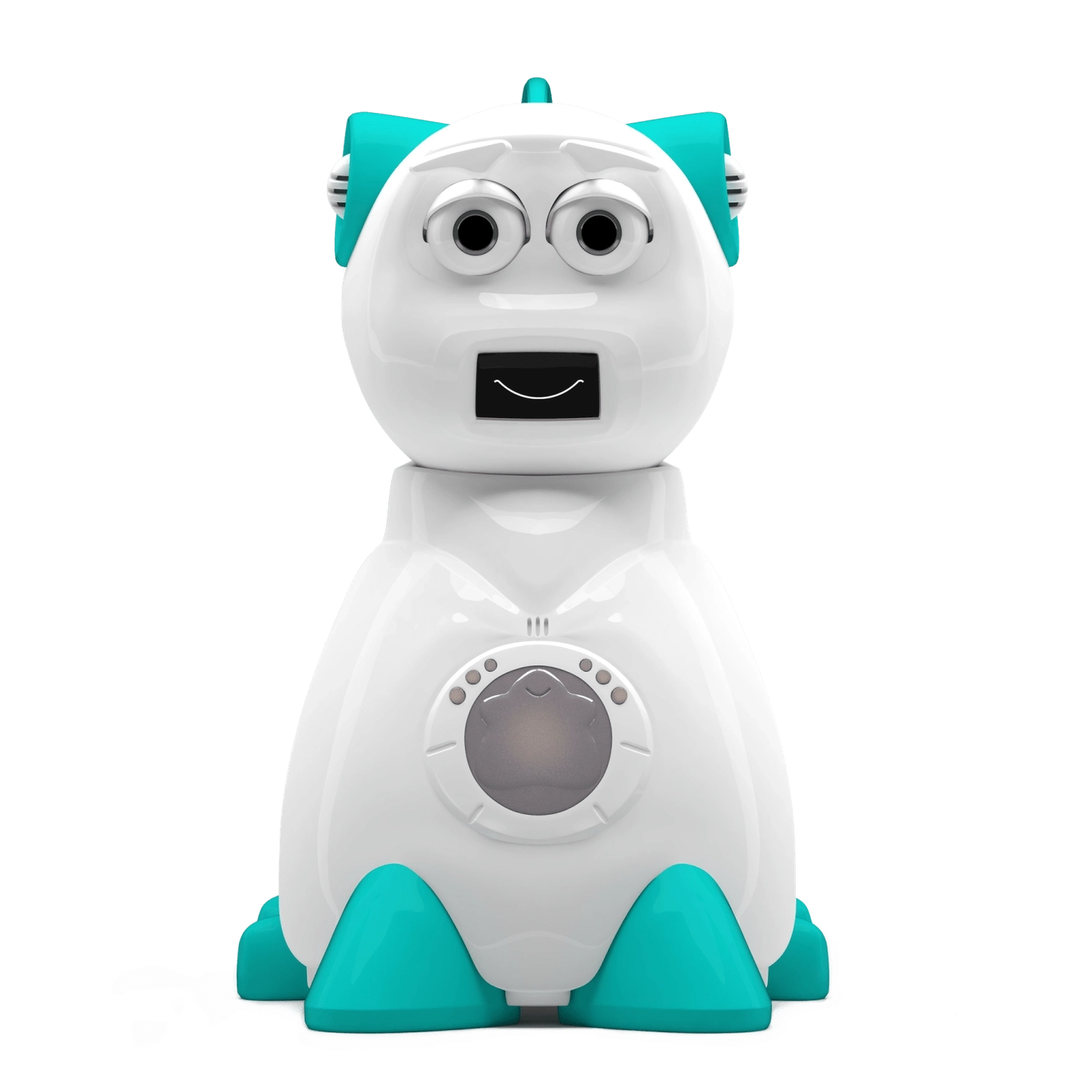
Educational robotics faces challenges in making AI and coding accessible to young learners without complex setups. Aisoy Robotics has introduced the Aisoy KiK, a stationary companion robot designed for children ages 8 and up, enabling visual programming with Scratch 3.0 to create interactive AI experiences. The robot, powered by a Raspberry Pi, supports natural language processing and machine vision through simple block-based coding.
Niche AI Enabler
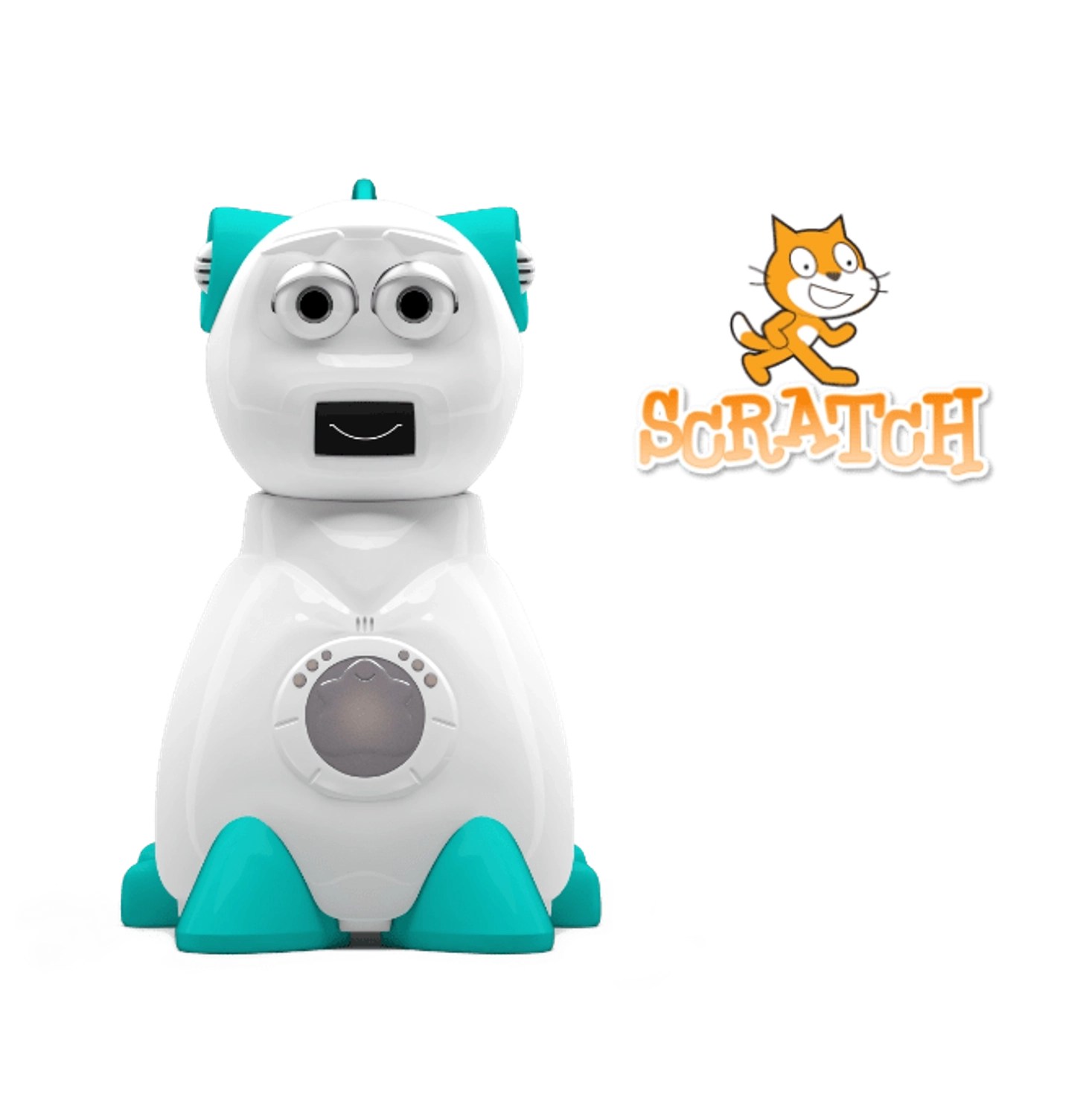
Aisoy KiK stands out with its integration of natural language as the primary interface in Scratch, allowing kids to build speaking companions or games without text-based coding. Its purpose-built design for STEM education emphasizes specialized AI tasks like voice recognition and facial detection in visual blocks. Meanwhile, touch sensors and expressive servos enable targeted emotional responses. KiK redefines entry-level AI robotics through Scratch-native intelligence.
Sensing to Expression
KiK operates via sensor input from its 3MP camera, microphone, accelerometer, and touch sensors, feeding data into Raspberry Pi OS processing with Scratch 3.0 extensions and Python support. This specialized pipeline handles natural language and vision algorithms, triggering targeted outputs like servo movements for head, eyebrows, and eyelids, or responses via its OLED screen and speaker. The flow keeps interactions intuitive for non-experts.
Classroom Coding Labs
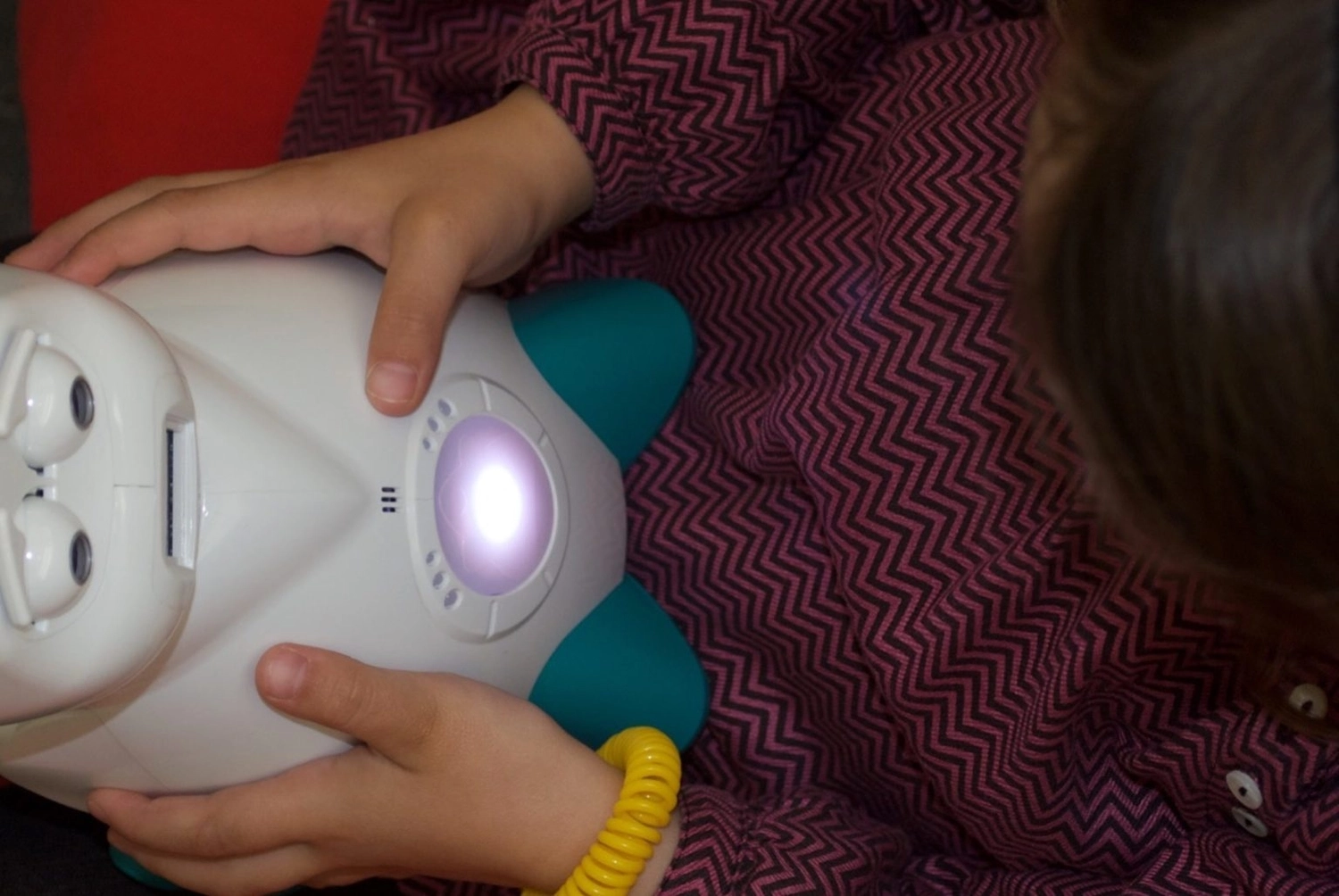
In school programming classes, teachers deploy KiK as a hands-on tool where students code it to recognize faces via camera input, process commands in Spanish or English, and respond with animated expressions or speech. Groups collaborate on Scratch projects to evolve the robot from a basic greeter to an interactive game character, fostering teamwork in AI concepts. This setup turns abstract coding into tangible, expressive outcomes.
Compact Capability Set
KiK's 22.3 x 16.3 x 16.5 cm frame and 1 kg weight make it desk-friendly for educational use, while the on/off button ensures simple safety in kid-focused environments. Its 2-3 year battery cycle life supports sustained classroom sessions without frequent recharges. Stationary design with no navigation keeps focus on interactive learning.
Filling EdTech Niche
Aisoy KiK carves a unique space in the robotics landscape as an affordable, Scratch-centric platform that blends AI with visual coding, targeting homes and schools underserved by pricier or mobile-focused bots. Unlike general-purpose educators, it prioritizes natural language and vision in a compact, expressive form for creating personal assistants or games. This positions it as a gateway for 8+ learners into professional AI tools, expanding miscellaneous robotics into child-led innovation.
EdRobotics Expansion
KiK signals a push in miscellaneous robotics toward hyper-specialized educational tools that embed AI directly into familiar platforms like Scratch, moving beyond hardware to software ecosystems. This trend hints at broader adoption in structured learning environments, where niche bots enable scalable skill-building without infrastructure overhauls. It underscores growth in stationary, task-specific designs for emerging automation in pedagogy.
Sources
Related Articles
Pillo Health Automates Multi-Dose Packaging for Home Robots March 2026
Genrobotics Bandicoot Robot Advances Safe Manhole Cleaning in India
Limitbit's Doly Robot Evolves as Open-Source Companion Four Years Post-Kickstarter
Yukai Engineering's BOCCO emo Bridges Family Gaps with Emotional Robotics
Learn More About This Robot
Discover detailed specifications, reviews, and comparisons for Aisoy KiK.
View Robot Details →