Genrobotics Bandicoot Robot Advances Safe Manhole Cleaning in India
Robot Details
Bandicoot • GenroboticsPublished
May 5, 2026
Reading Time
3 min read
Author
Origin Of Bots Editorial Team
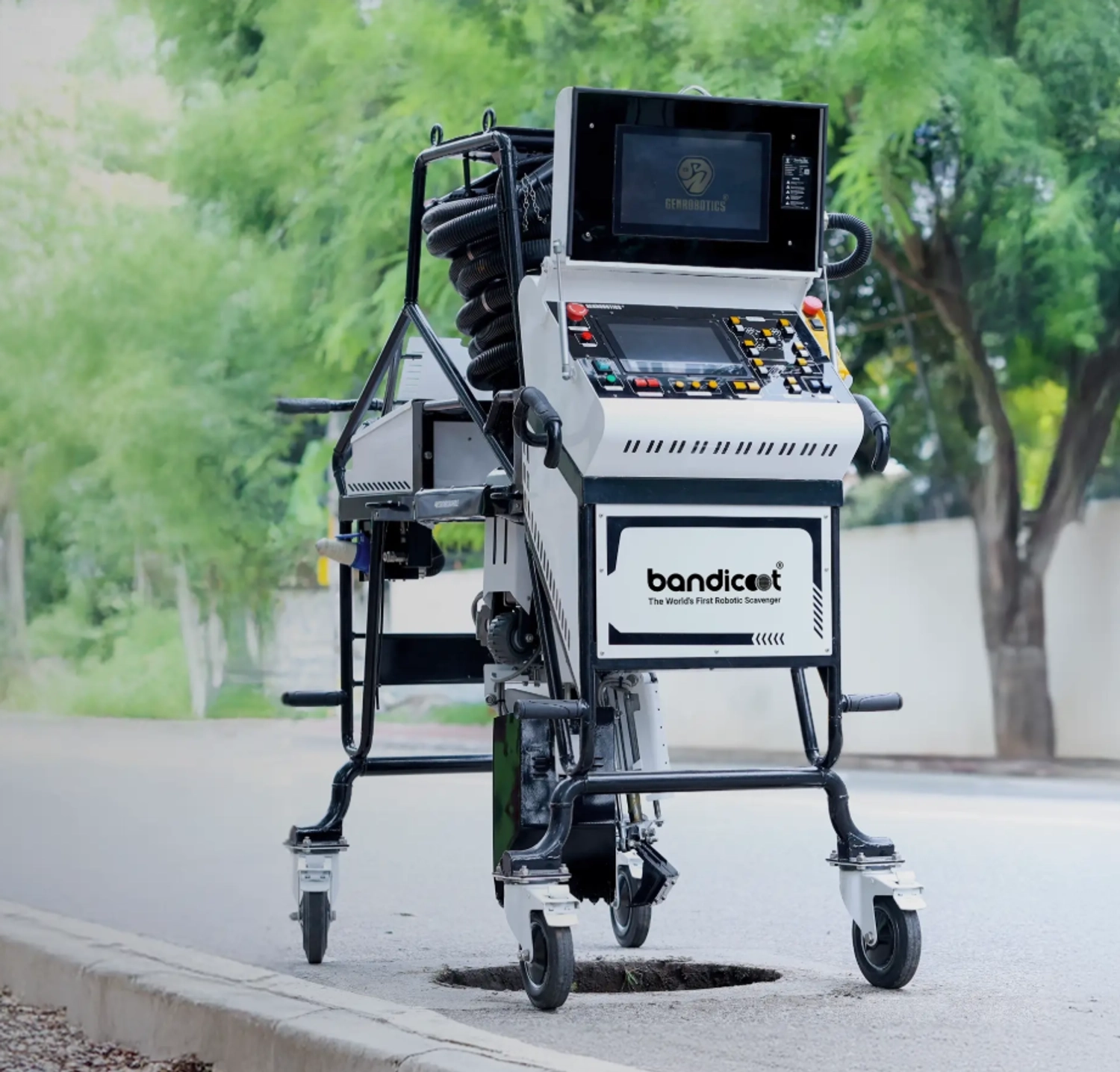
Ending Manual Scavenging
Manual scavenging remains a deadly practice in urban sanitation worldwide, claiming lives in confined sewer spaces. Genrobotics, a Kerala-based innovator, developed the Bandicoot robot to eliminate human entry into manholes, with over 20 units deployed in Gujarat as part of a national push to convert hazardous manholes into roboholes. The robot, controlled remotely, handles solid waste removal that previously required workers to descend into toxic environments.
Purpose Built for Safety
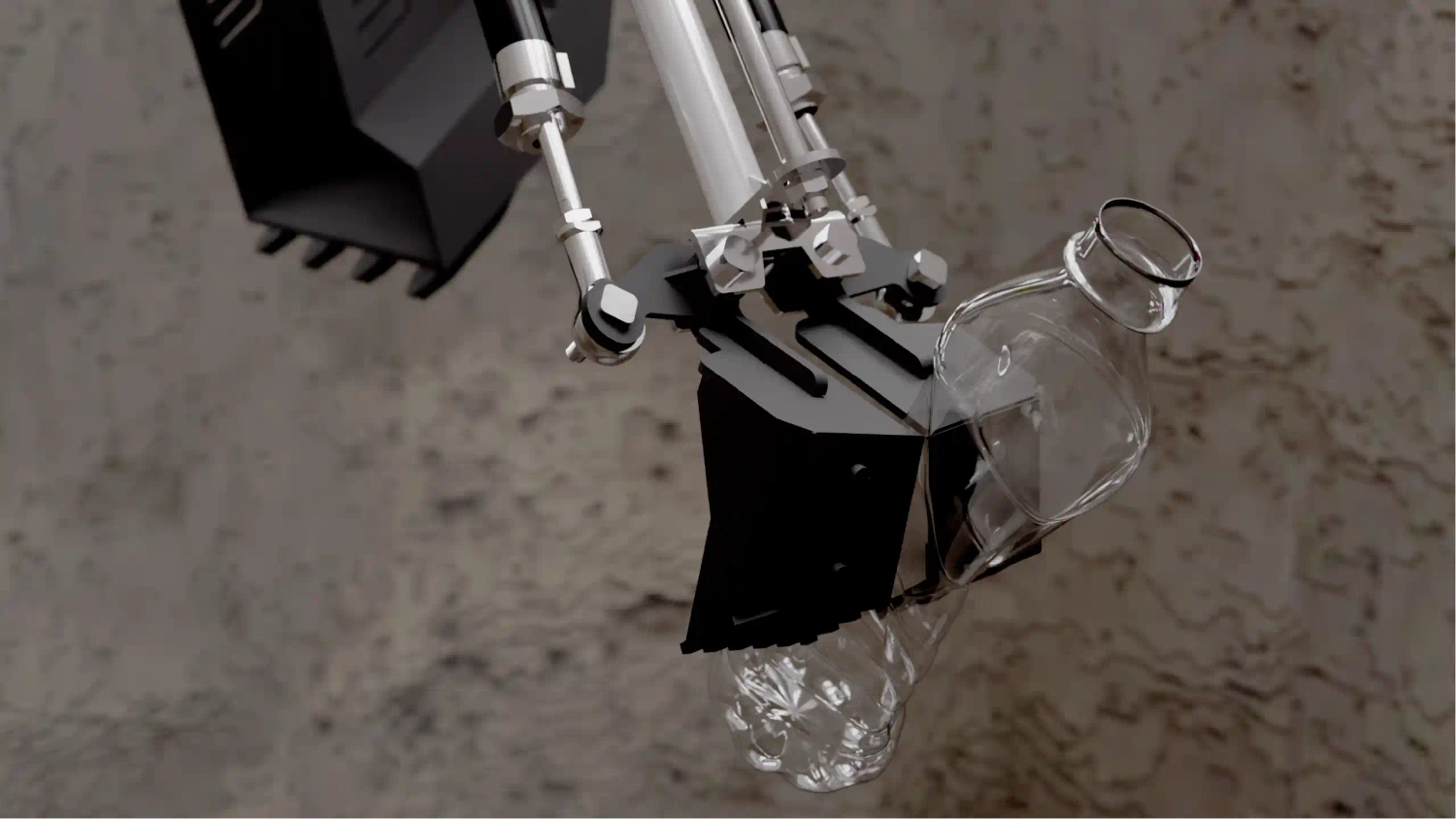
Bandicoot stands out with its human-like robotic arm offering six degrees of freedom to mimic manual tasks, four expandable legs for stability in varying manhole sizes, and real-time monitoring that keeps operators at a safe distance. These features address the niche challenge of sewer blockages by pulling out rocks, silt, and sludge up to 125kg per cycle, reducing cleaning time from hours to minutes. Bandicoot prioritizes human rehabilitation by training former scavengers as operators.
Sensing to Extraction
Sensor input from four HD cameras, night-vision, gas detectors, and environmental monitors feeds into proprietary software for real-time teleoperation. This processing delivers feedback on manhole conditions, enabling precise control of the crawler legs and arm. The output executes targeted waste shoveling and removal, unblocking sewers without human risk.
Urban Sewer Deployment
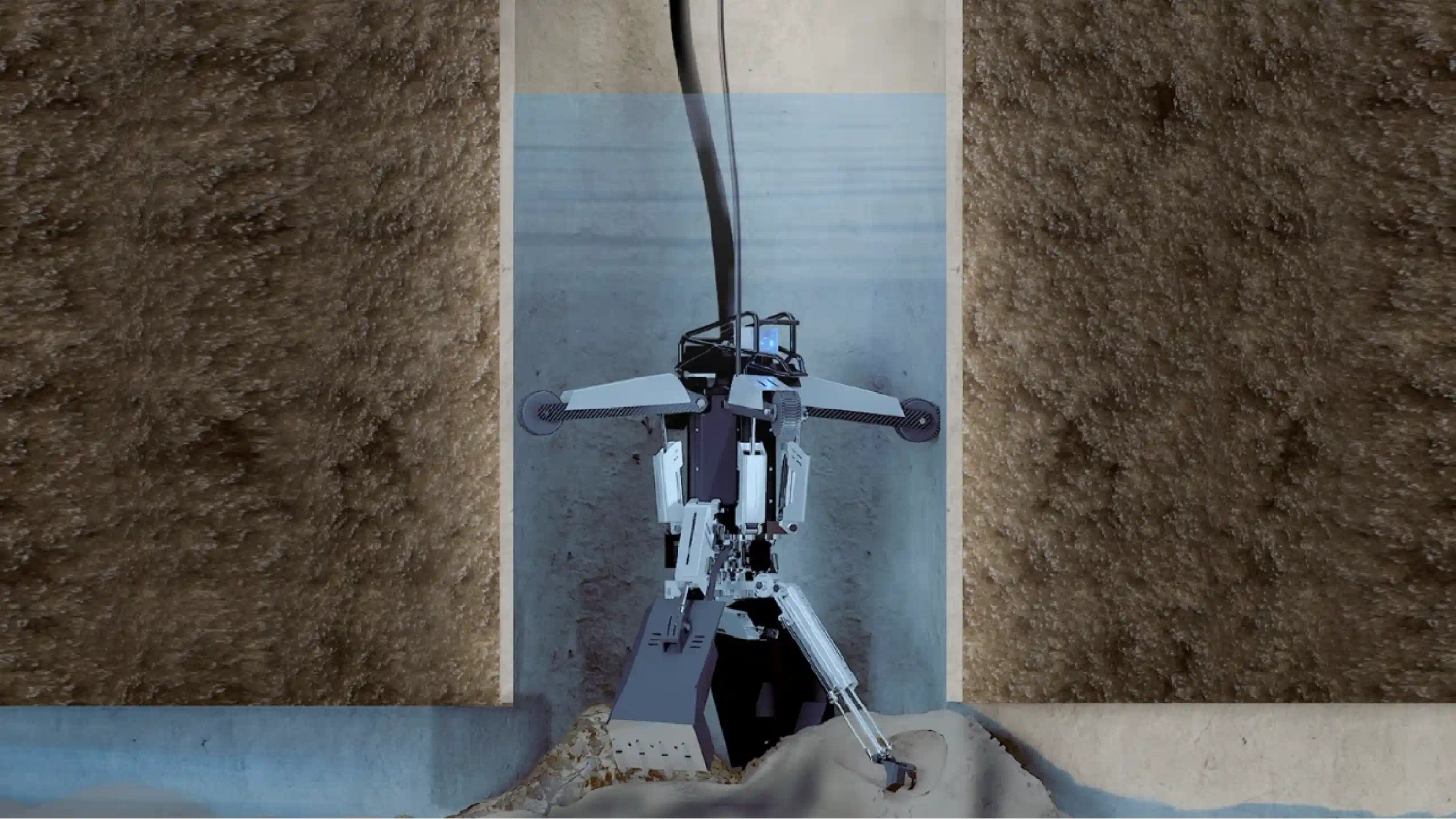
In a typical city operation, the Bandicoot unit, sized at 60 x 40 x 50 cm, lowers into a blocked manhole via a vehicle like Mobility+, expands its legs for grip, and uses the arm to load waste into buckets for hoisting. Operators outside view live 4K feeds to navigate hazards like chemicals or poor visibility, completing the job in under 30 minutes while collecting samples for inspection. This process has enabled zero human entry in Gujarat deployments.
Enabling Capabilities
The 150kg frame with 0.1 m/s crawler speed suits confined navigation, while gas and environmental sensors trigger emergency stops to prevent toxic exposure. Real-time video and teleoperation ensure safe handling of diverse payloads like sludge and non-biodegradables. These specs support reliable performance in structured urban sewers (Inferred from similar systems · Medium confidence).
Niche in Sanitation Robotics
Bandicoot carves a unique space in the robotics landscape by targeting manhole-specific automation, transforming a manual, high-risk task into a remote operation aligned with India's Make in India initiative. Unlike broader industrial or inspection bots, its crawler design and waste-handling arm fill the gap in urban sanitation, where narrow access and variable waste types demand specialized mechanics. Deployments in states like Gujarat position it as a scalable model for municipalities seeking efficient, dignity-preserving solutions.
Signaling Niche Expansion
This robot signals a broader shift in miscellaneous robotics toward automating hazardous, niche manual labors long deemed impractical for machines. It highlights growing investments in purpose-driven deep tech for social impact, paving the way for similar innovations in confined-space tasks like industrial inspections. As adoption spreads, it underscores robotics' role in socio-economic reform beyond high-volume industries.
Sources
Related Articles

Cultural Design Meets Industrial Power: Deep Robotics Redefines Quadruped Robotics with Year of the Horse Edition

Jennie Delights Seniors in CES 2026 Real-World Demos
Furhat Robotics Revives Misty II for Education Push

Pillo Health Automates Multi-Dose Packaging for Home Robots March 2026
Learn More About This Robot
Discover detailed specifications, reviews, and comparisons for Bandicoot.
View Robot Details →