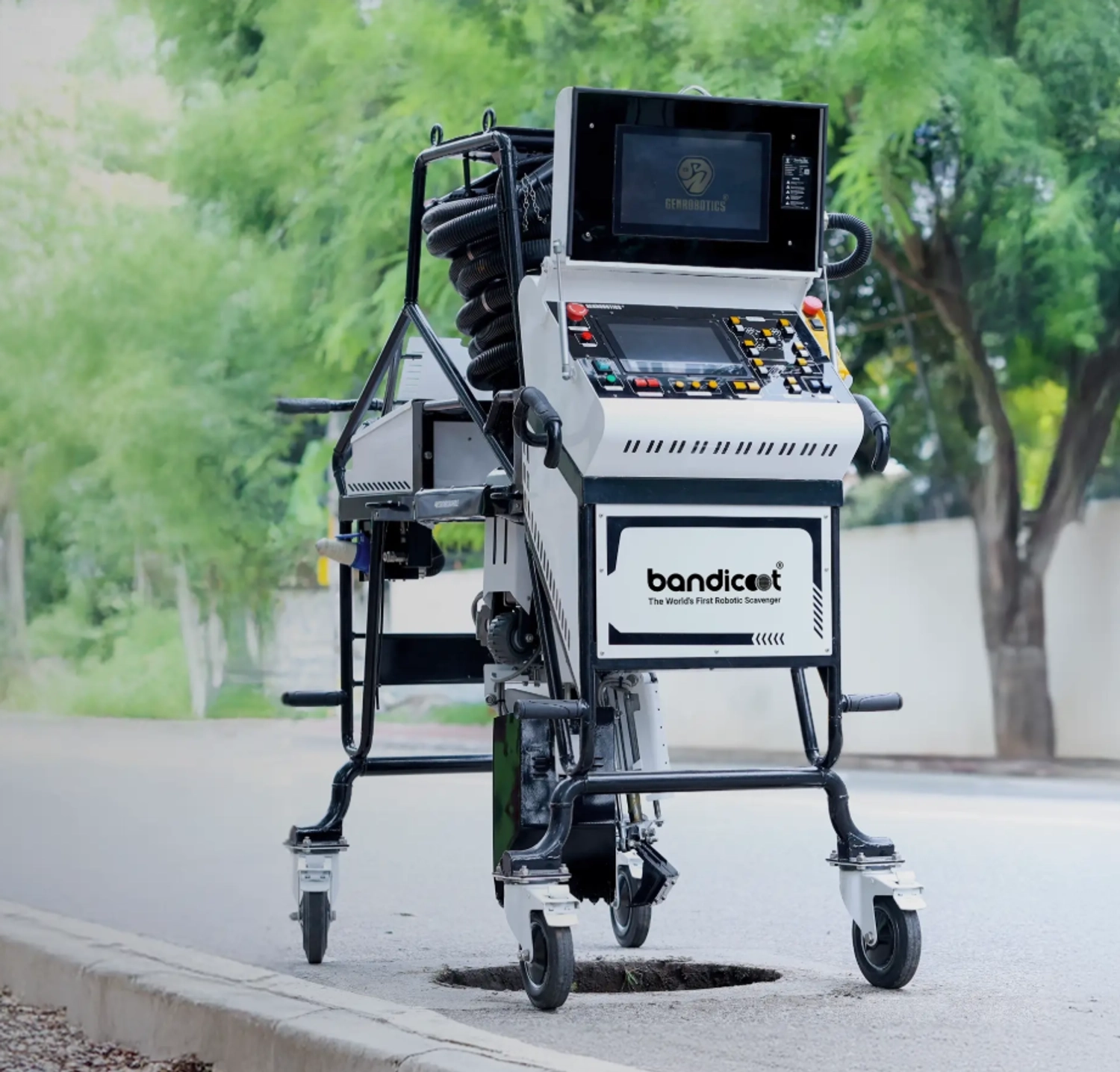
Bandicoot
AI ChatLast updated:
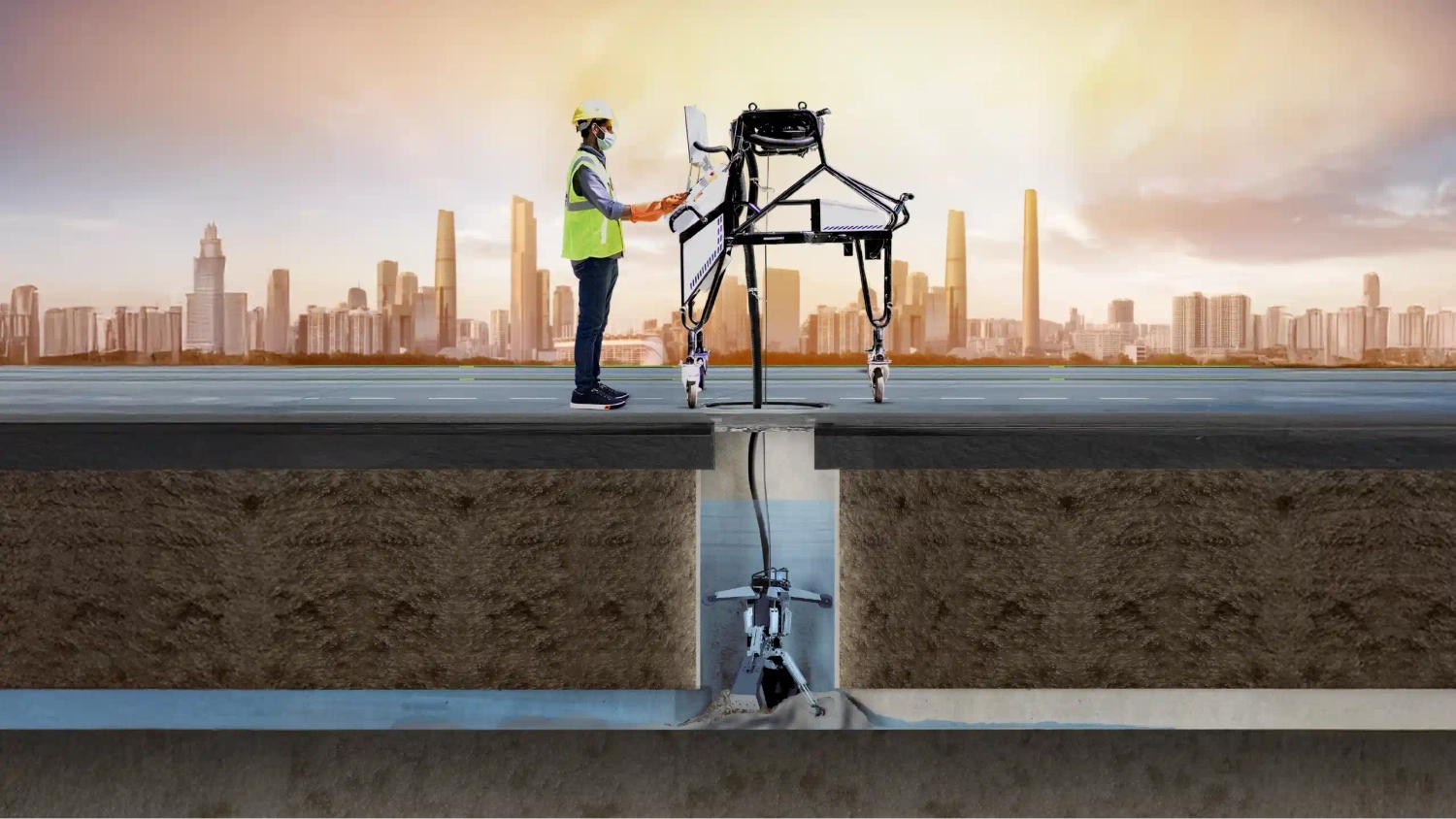
The Bandicoot is a specialized sanitation robot designed to eliminate manual scavenging by autonomously cleaning sewer manholes. It features a deployable drone unit with expandable robotic legs for stability, a 6-DOF human-like robotic arm for grabbing, shoveling, and unblocking solid wastes like rocks, sand, silt, sludge, and non-biodegradables, and an integrated waste bucket for extraction. Equipped with 4 HD cameras, gas sensors, and night-vision for real-time 4K video in harsh, corrosive environments, it operates up to 12m depth via a tethered control panel. Used by municipalities for efficient manhole cleaning (30 minutes vs. 3 hours manually), inspection, and sample collection, with IP68 waterproofing and nano-coating for durability in hazardous sewers. Bandicoot Mobility+ variant integrates with vehicles for rapid deployment in urban settings.
Quick Overview & Key Facts
Bandicoot is a robot made by Genrobotics in India, launched in 2018 and built for manhole cleaning, sewer unblocking, and waste extraction. Its estimated price is USD 50,000 - 100,000. Featured in “Genrobotics Bandicoot Robot Advances Safe Manhole Cleaning in India”.
- Dimensions
- 60 x 40 x 50 cm (drone unit)
- Weight
- 150 kg
- Mobility
- Crawler with 4 expandable legs
- Top speed
- 0.1 m/s
- Payload capacity
- Solid waste (rocks, sand, silt, sludge, non-biodegradables up to 125kg per cycle)
- Sensors
- 4 HD cameras, night-vision camera (4K), gas sensors, environmental sensors (humidity, temperature, chemicals, manhole dimensions)
- Operating environment
- Sewer manholes, underground drains, hazardous sanitation environments
Image Gallery
Below images are from Genrobotics's official sources


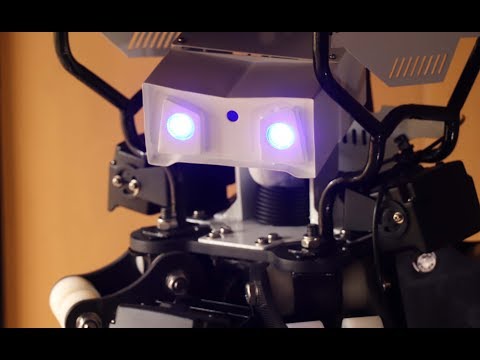
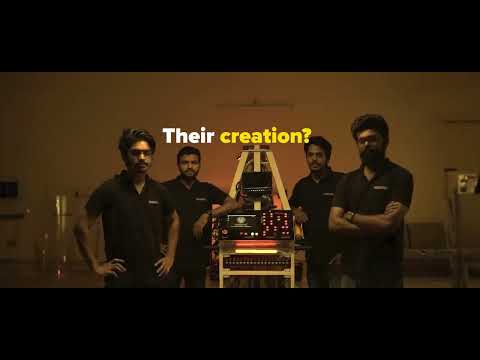
Review Videos
Watch expert reviews and demonstrations of this robot
Robot Specifications
Values without a Confirmed badge are compiled from public sources and may not be manufacturer-verified.
Not yet published by Genrobotics: safety certifications and pet safety.
Latest News About Bandicoot
Stay updated with the latest articles and developments
More Robots
Discover more robots in the same category



Robots From Other Categories
Discover complementary robots from different categories that work well together


Frequently Asked Questions
Get answers to common questions about this robot
Q1. What is Bandicoot and what specific problem or task is it designed to solve?
Bandicoot is a manhole cleaning robot developed by Genrobotics. It addresses manual scavenging by performing cleaning tasks inside manholes, such as removing solid waste to unblock sewer lines, without requiring human entry.
Q2. What are the core capabilities and standout features of Bandicoot?
Bandicoot features a 6-degree-of-freedom robotic arm for picking and shoveling waste, four robotic legs for stability and mobility inside manholes, and multiple cameras for monitoring. It collects solid and semi-solid waste like sludge and debris using a bucket system.
Q3. Who uses Bandicoot, and which industries or sectors benefit from it?
Bandicoot is used by municipalities and sanitation departments in India, such as in Kerala, and refineries for sewer cleaning. It benefits urban sanitation and industrial sectors by reducing human exposure to hazardous conditions.
Q4. Is Bandicoot a commercially available product, or is it still a research prototype?
Bandicoot is a commercially available product from Genrobotics, deployed in operational settings like cities and refineries. Initial development occurred in 2017, with testing and use reported since 2018.
Q5. How does Bandicoot operate autonomously, and what level of human oversight is required?
Bandicoot operates under remote control via an external control panel with a user interface and displays. An operator monitors cameras and sensors for positioning, gas levels, and cleaning, with no autonomous operation described.
Q6. What sensors, AI, and navigation technology does Bandicoot use?
Bandicoot uses IP68 waterproof cameras, infrared cameras, gas sensors, and environmental sensors for manhole dimensions, chemicals, humidity, and temperature. It employs computer vision, pneumatic and electric actuators for the arm, with robotic legs for stabilization and movement.
Q7. How does Bandicoot compare to similar robots or competing solutions in its category?
Bandicoot cleans small manholes in 15 minutes and larger ones in 45 minutes, compared to up to three hours manually. According to Genrobotics, it performs tasks equivalent to human cleaners using a human-like arm, with no direct competitors detailed in available descriptions.
Q8. What are the known limitations, trade-offs, or challenges of using Bandicoot?
Bandicoot requires an operator for control and monitoring, limiting full autonomy. It is designed for specific manhole sizes, with deployment needing a stand unit or vehicle, potentially restricting use in very narrow or inaccessible areas without detachment.
Q9. What does it cost to acquire or deploy Bandicoot, and what is the expected ROI?
Cost details for acquiring or deploying Bandicoot are not publicly specified by Genrobotics. ROI stems from reduced manual labor risks and faster cleaning times, enabling worker retraining as operators.
Q10. What is the future roadmap or planned improvements for Bandicoot?
Genrobotics has integrated Bandicoot into Mobility+ vehicles for enhanced mobility and waste management. The company expanded from manhole cleaning to broader sanitation and industrial safety solutions, with no specific future technical upgrades detailed.
Rating and Reviews
Share your experience and help others decide!
Loading...
User Reviews
No user reviews. Be the first one to review!
User Comments (No Login needed)
Share your thoughts, experiences, or questions about this robot.
Comments appear after moderator review.