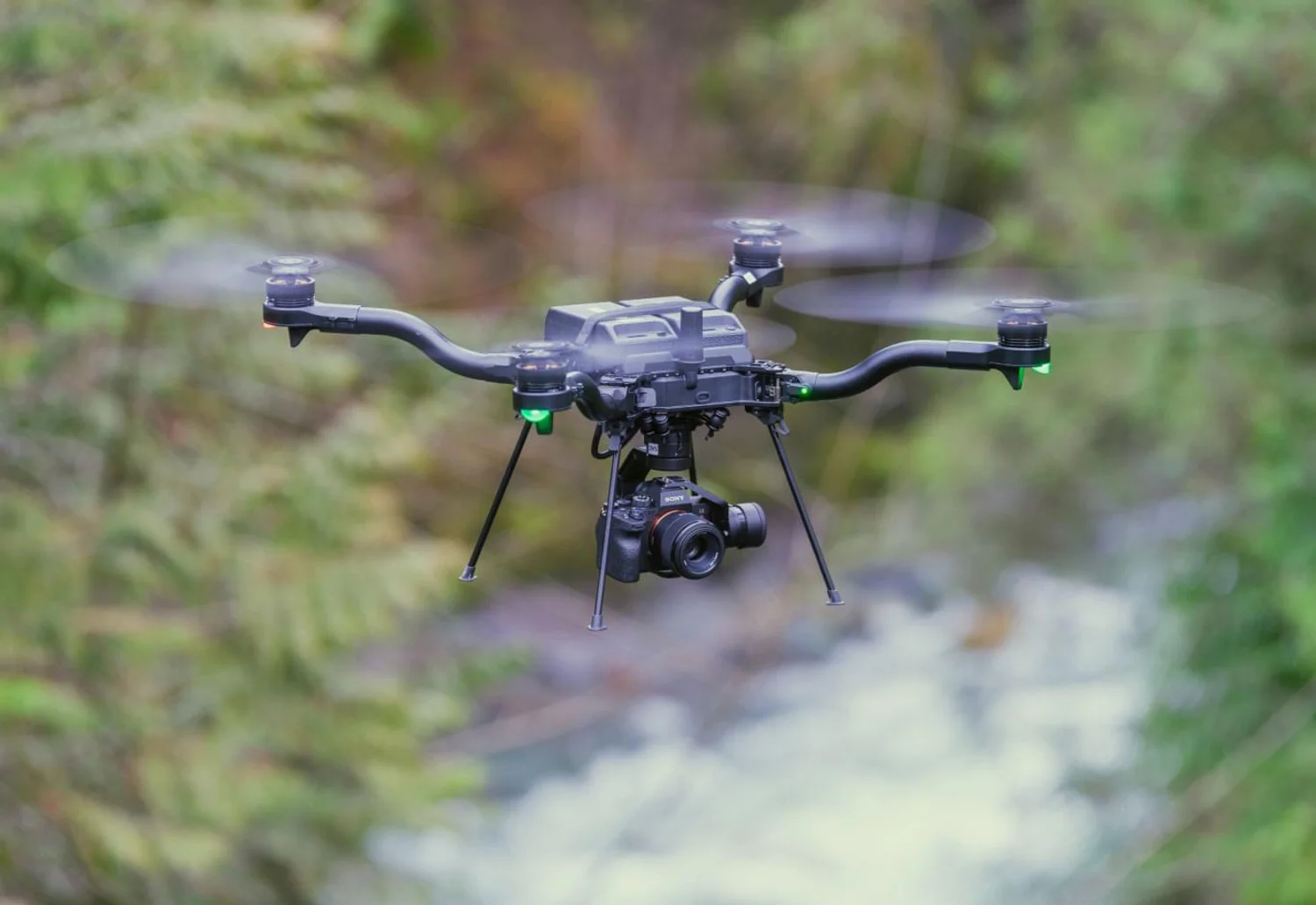
Astro
Last updated:
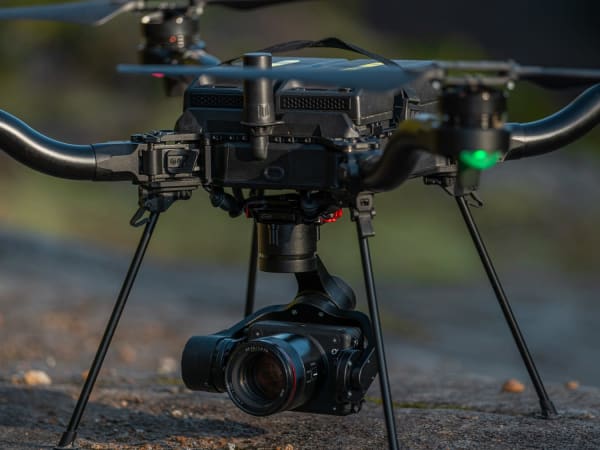
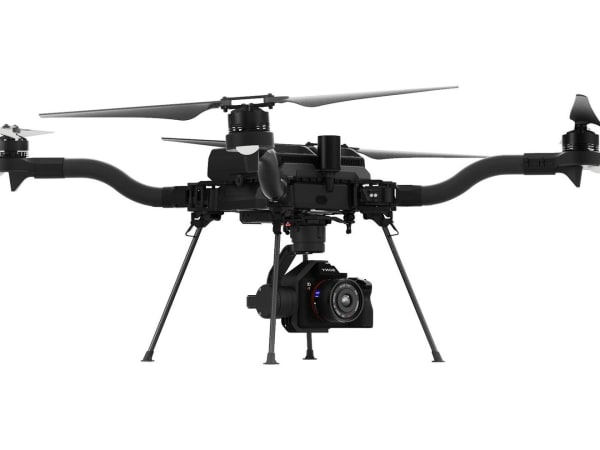
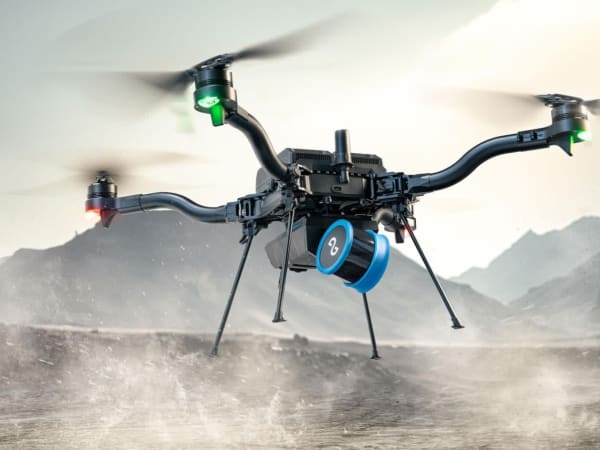
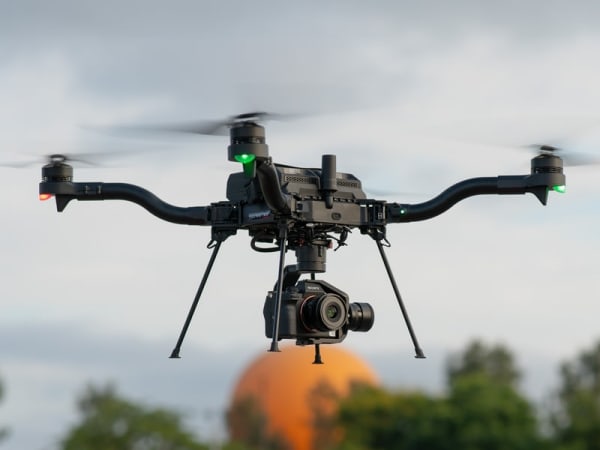
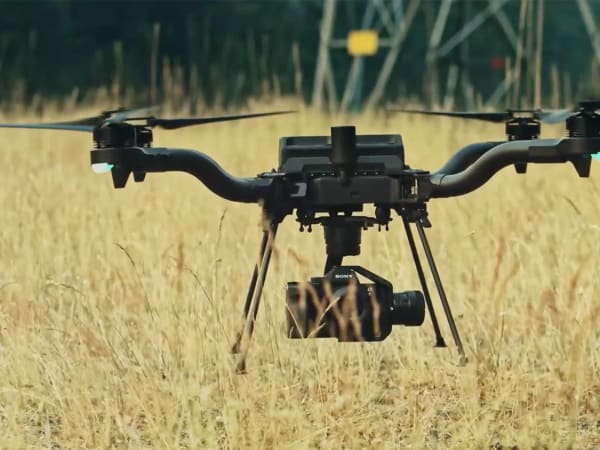
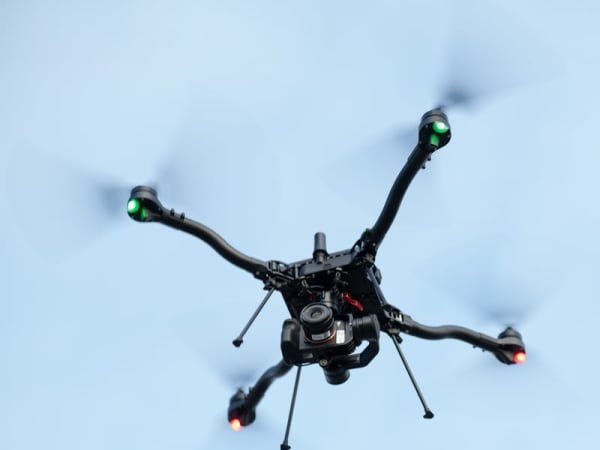
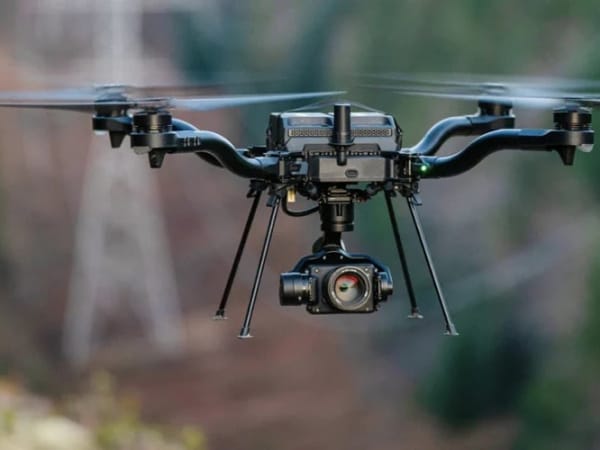
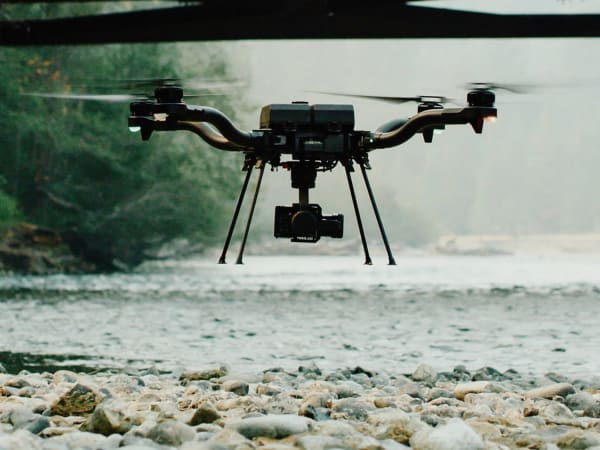
The Freefly Astro is a compact, US-made industrial quadcopter drone designed for professional surveying, mapping, inspection, and data collection tasks. Featuring a foldable carbon-fiber frame, it offers rapid deployment from case to flight in under two minutes. Powered by four high-efficiency 7010 motors with 21-inch folding propellers, it delivers up to 43 minutes of flight time without payload and supports 3 kg maximum payload for heavy sensors like LiDAR, thermal cameras, and multispectral systems. Integrated RTK GNSS provides centimeter-level positioning, while LTE connectivity enables real-time cloud data streaming. Running AuterionOS, it supports autonomous missions via Auterion Mission Control, with vibration-isolated quick-release payload mounts for tools-free sensor swaps. Weather-sealed to IP43, it handles demanding environments with redundant smart batteries, precise flight controls, and open APIs for custom integrations, making it ideal for enterprise operations requiring reliability and efficiency.
Quick Overview & Key Facts
Astro is a drone Camera system developed by FREEFLY in United States and launched in 2022. Starting price is estimated at USD 20,000-30,000. It is currently ranked #22 in most-viewed drones on Origin of Bots. It supports Cameras, LiDAR, thermal sensors, multispectral. Primary applications include Surveying, mapping, infrastructure inspection, agriculture, public safety. Featured in editorial articles including “Astro Max Doubles Payload to 3kg with 60% Thrust Boost”.
Image Gallery
Below images are from FREEFLY's official sources
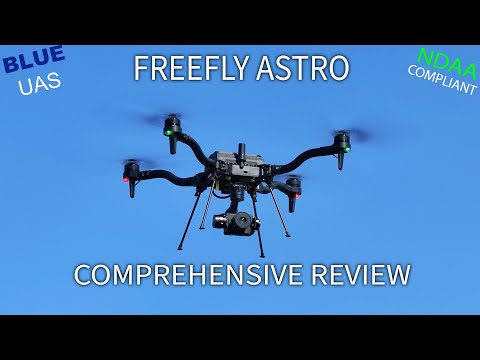
Review Videos
Watch expert reviews and demonstrations of this robot
Robot Specifications
Latest News About Astro
Stay updated with the latest articles and developments
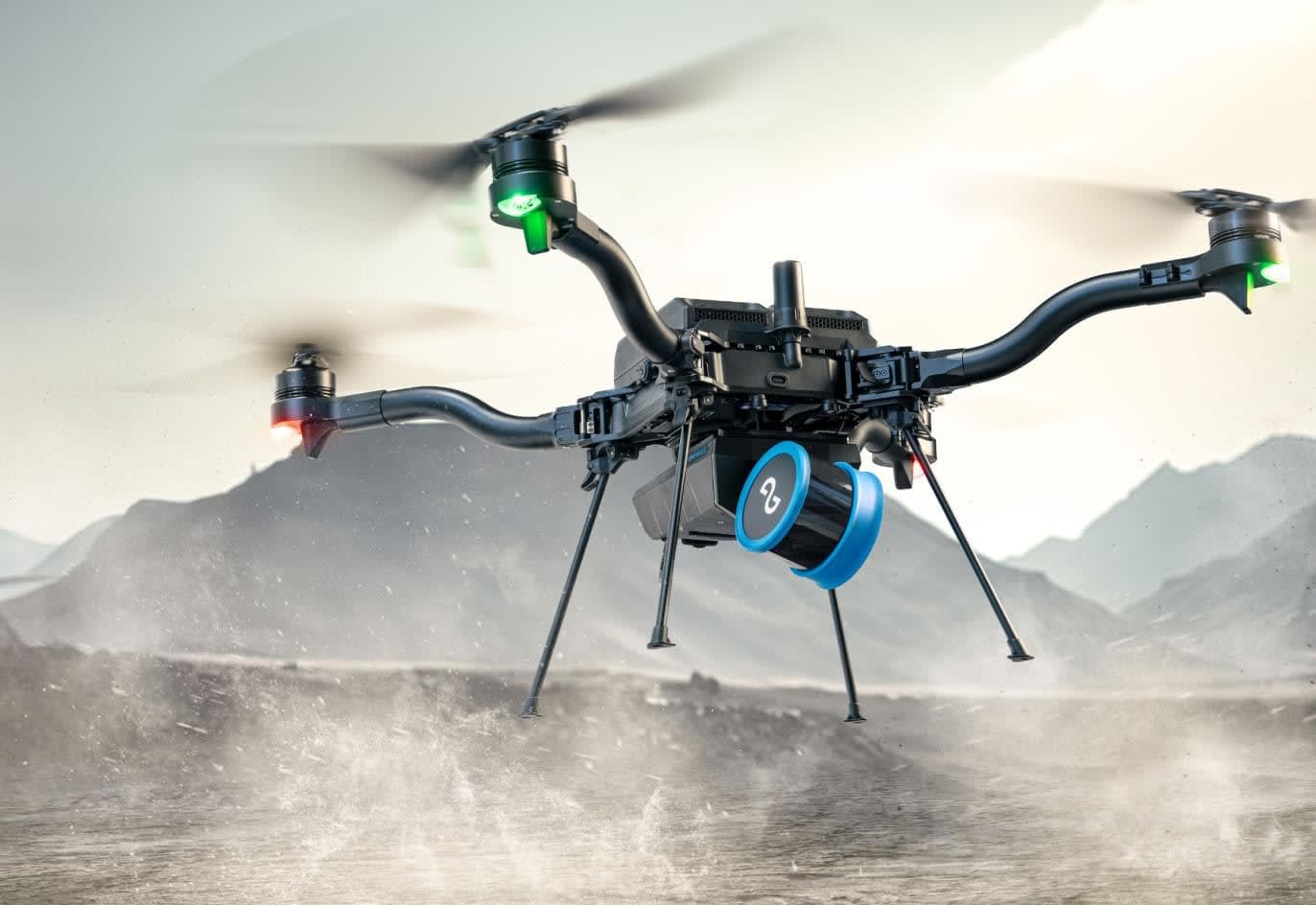
More Robots from FREEFLY
Explore other robots from this manufacturer
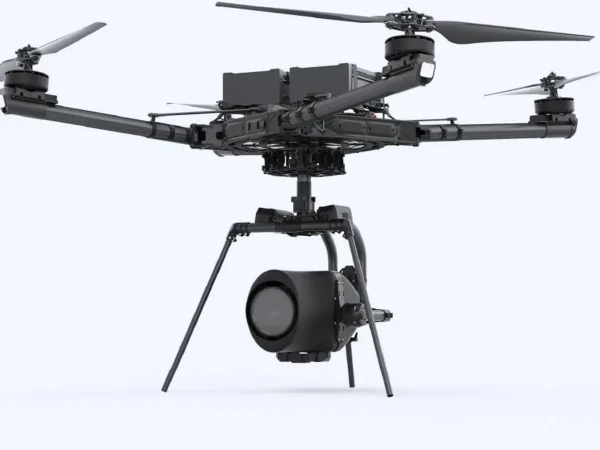
Alta X
Manufactured by FREEFLY
The Alta X by FREEFLY is a professional-grade heavy-lift quadcopter drone designed for demanding aerial cinematography, industrial inspections, and mapping applications. Featuring a unique folding design that reduces size by half for easy transport, it supports payloads up to 35 lbs with a maximum takeoff weight of 77 lbs. Powered by four high-efficiency X9 motors and 33-inch folding carbon fiber propellers, it achieves top speeds over 60 mph and flight times up to 50 minutes unloaded or 15-20 minutes with heavy payloads. ActiveBlade technology minimizes vibrations to one-fifth normal levels, ensuring stable footage. It integrates a custom PX4 flight controller with GPS/Glonass/Beidou/Galileo GNSS for precise manual, position, mission, and return-to-home modes. Boom-mounted orientation lights and FPV capability enhance situational awareness, while modular mounting options accommodate cinema cameras like ARRI Alexa or RED systems. Built for reliability, it operates from -20°C to 50°C with IP43-equivalent protection.
More Drones
Discover more robots in the same category

Robots From Other Categories
Discover complementary robots from different categories that work well together

Frequently Asked Questions
Get answers to common questions about this robot
Q1. What is Astro, and what problem is it designed to solve?
Astro is a full-size AI humanoid robot developed by Freefly Systems. According to the manufacturer, it is designed for research and service tasks, addressing challenges in autonomous manipulation and human-like operation in unstructured environments.
Q2. What are the main capabilities and key features of Astro?
Astro features dual arms with human-like operational parameters, supported by a software-hardware integrated system. According to Freefly, it enables learning from demonstrations via imitation learning, with capabilities for precise object interaction and VR teleoperation.
Q3. Who is Astro built for, and which industries can benefit from it?
Astro targets researchers, universities, and enterprises in AI and robotics. Freefly positions it for scientific research, data collection centers, and industries focused on embodied AI models and algorithm development.
Q4. Is Astro a commercial product or still a research prototype?
As of 2026, Astro is designed primarily for scientific research, with parameters unlockable for enhanced performance. Freefly offers it as a research platform with development toolchains, rather than a mass-market consumer product.
Q5. Is Astro currently available for purchase, and when is it expected to ship?
Astro is available through manufacturer channels for research purposes. Freefly has announced plans for commercial deployments, with shipping timelines dependent on orders and fulfillment as of 2026.
Q6. How does Astro actually work in real-world environments?
Astro uses a vision system for real-time object detection and a whole-body imitation learning framework to execute tasks autonomously. According to Freefly, it operates via coupled AI capabilities with hardware, enabling adaptation to household and research settings.
Q7. When was Astro announced or officially launched?
Astro debuted publicly at the 2024 World Robot Conference in Beijing. Freefly unveiled significant updates in a 2025 academic paper detailing its framework.
Q8. How is Astro different from other robots in the same category?
Astro employs cable-driven arms emulating human musculature for compliant motion and safety. Freefly states it integrates a full AI toolchain, distinguishing it from teleoperation-reliant humanoids through autonomous imitation learning.
Q9. Does Astro require additional development or customization after purchase?
Yes, Astro supports comprehensive APIs, simulation platforms, and visual interfaces for customization. Freefly provides toolchains and guidelines to enable researchers to develop and deploy algorithms post-purchase.
Q10. What is the future roadmap or planned upgrades for Astro?
Freefly has announced plans to expand from research ecosystems toward broader service applications. This includes enhancements in model verification, data collection, and generalization for enterprises and institutions.
Rating and Reviews
Share your experience and help others decide!
Loading...
User Reviews
No user reviews. Be the first one to review!
User Comments (No Login needed)
Share your thoughts, experiences, or questions about this robot.
Comments are reviewed before posting.