Astro Max Doubles Payload to 3kg with 60% Thrust Boost
Robot Details
Astro • FREEFLYPublished
March 12, 2026
Reading Time
2 min read
Author
Origin Of Bots Editorial Team
Thrust Leap Redefines Limits
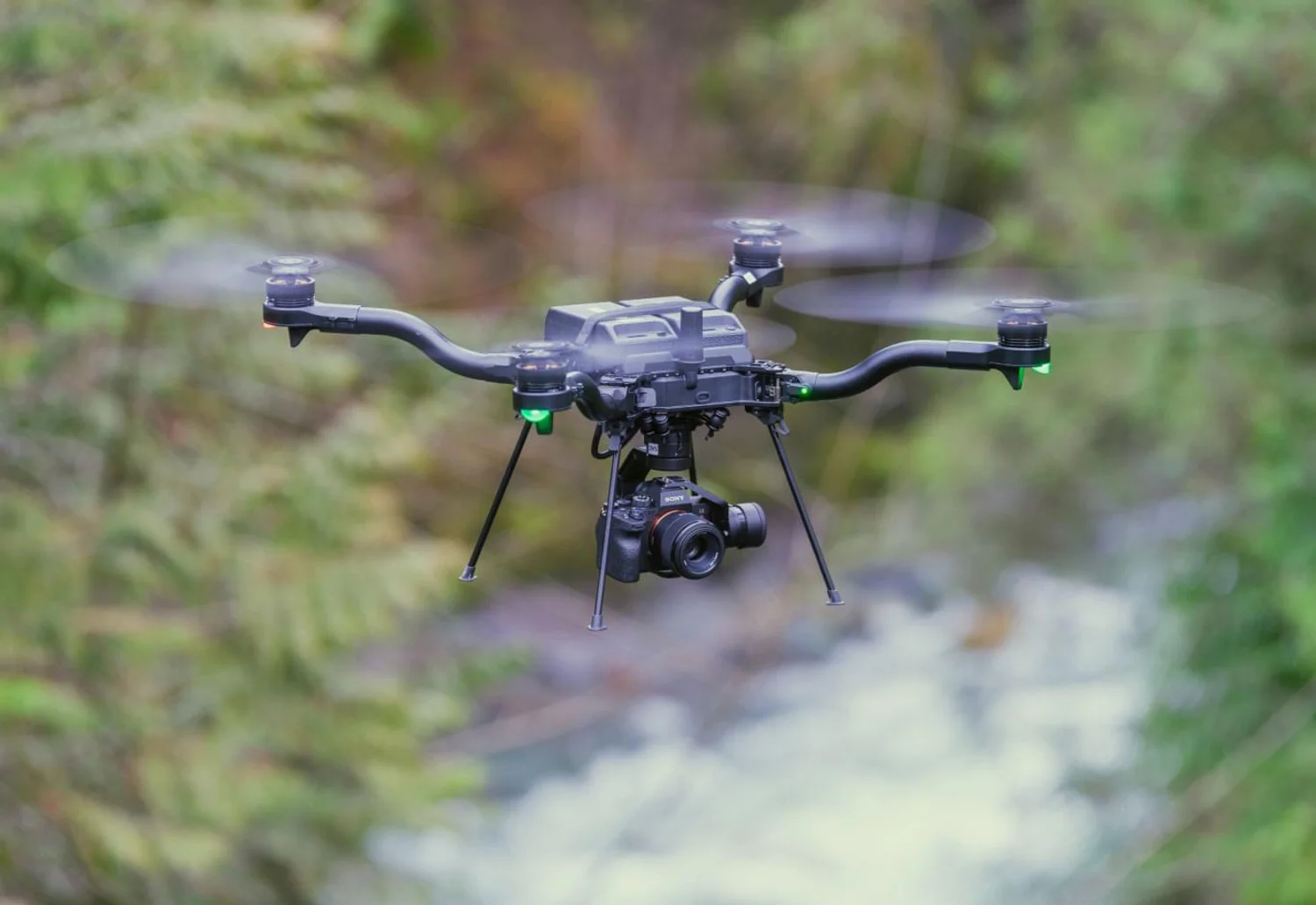
Freefly Systems deploys the Astro Max drone, doubling payload capacity to 3kg while delivering a 60% thrust surge over the original Astro, as demonstrated in field trials during late 2025. This upgrade equips professionals with a compact powerhouse for demanding missions, transforming how teams handle heavy sensors in tight spaces. Operators at recent infrastructure inspections reported seamless integration of LiDAR and thermal payloads, slashing setup times by half compared to prior models. The boost stems from larger 21-inch propellers and custom 7010 motors, enabling sustained power without compromising flight stability.
Powerplant Precision Evolves
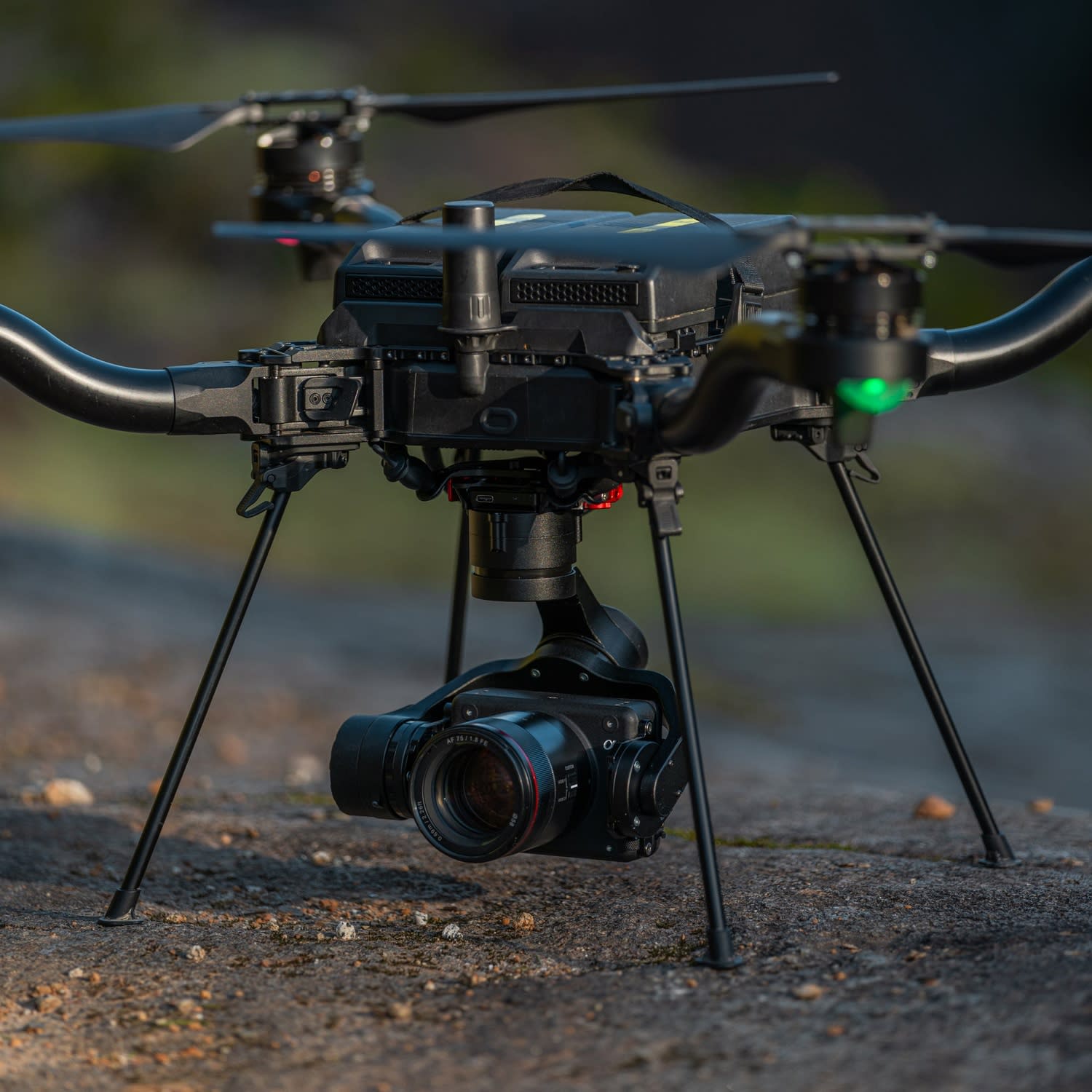
Engineers at Freefly optimized the Astro Max with 350W continuous motor output per unit, peaking at 600W instantaneously, paired with Silent-Drive ESCs for whisper-quiet operation. This configuration disrupts traditional drone constraints, allowing 39 minutes of no-payload flight even in gusty conditions. Recent deployments in agricultural mapping showcased how the folding carbon-fiber booms halve transport size, making it ideal for rapid site arrivals. The smart Dovetail interface further accelerates payload swaps, empowering cinematographers to switch from 61MP Sony LR1 cameras to Emesent Hovermap LiDAR in under two minutes.
Engineering Edges Emerge
Astro Max integrates RTK GNSS for centimeter-level precision alongside redundant BMS and active cell balancing, fortifying reliability during extended operations. Dual SL8-Air batteries provide failover protection, while vibration-isolated mounts ensure gimbal footage remains razor-sharp amid turbulence. Trials in October 2025 highlighted SLAM capabilities in GPS-denied environments, where the drone autonomously navigated industrial corridors. These advances position it as a benchmark for enterprise-grade autonomy, outpacing legacy systems in harsh weather endurance.
Missions Gain Momentum
Surveyors leverage Astro Max for 220-acre mappings at 2cm resolution in single flights, while public safety teams deploy thermal Wiris Pro for nighttime searches. Infrastructure inspectors scan power lines with Flux L1 LiDAR, detecting flaws missed by ground crews. In agriculture, multispectral payloads monitor crop health across vast fields, optimizing yields through data-driven decisions. These applications demonstrate how the drone's robustness supports Blue UAS compliance, accelerating NDAA-approved operations in restricted zones.
Specs Fuel Superiority
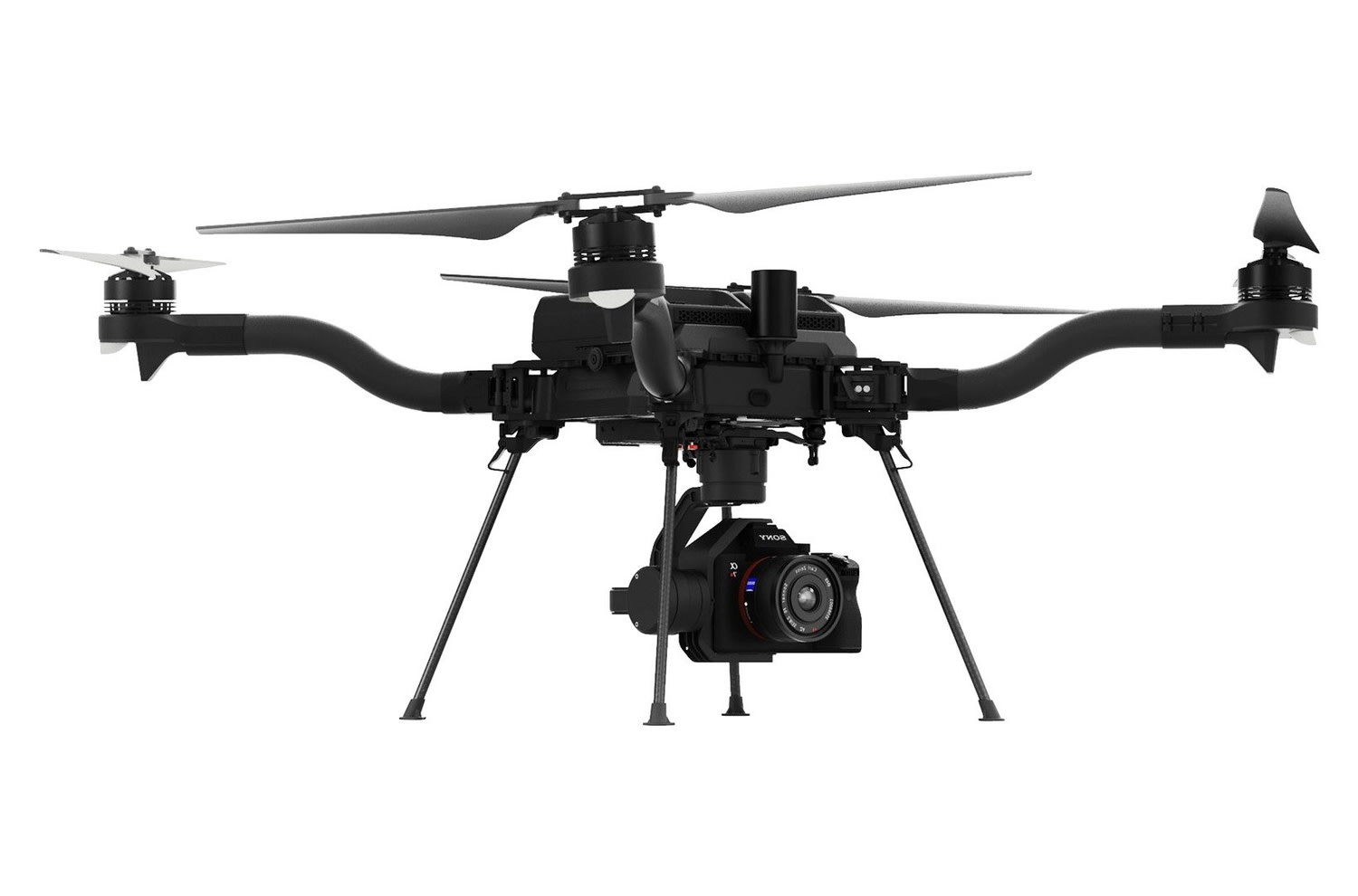
Astro Max measures 930mm diagonal unfolded without props, 359mm tall, folding to 508 x 178mm for portability at 3.523kg empty weight and 8.7kg max takeoff. It hits 25 m/s in sport mode, backed by IR rangefinder, multi-constellation GNSS, IMU, barometer, and LTE modem. RTK, visual odometry, and SLAM enable precise navigation with cameras, LiDAR, or thermal payloads. Safety includes geofencing, return-to-home, and anti-collision, all on AuterionOS with MAVLink. Quadcopter design with folding props and 500+ battery cycles powers surveying, inspections, and agriculture.
Rivals Faceoff Analysis
| Robot | Key Advantage | Where Astro Wins | Target Use |
|---|---|---|---|
| ANAFI Ai | Lightweight 900g design | 3kg payload doubles capacity | Quick urban patrols |
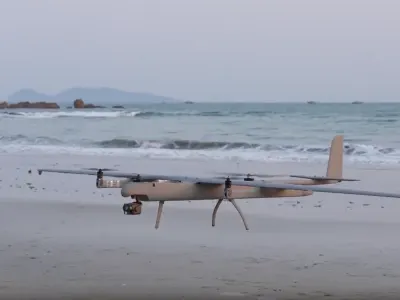
| Dragonfish Pro | 50-min endurance | 60% thrust for heavy loads | Long-range surveying |
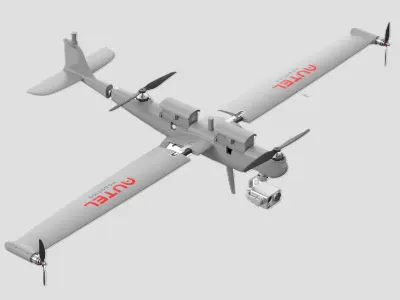
| Dragonfish-25 | Compact thermal integration | Folding frame halves storage | Infrastructure checks |
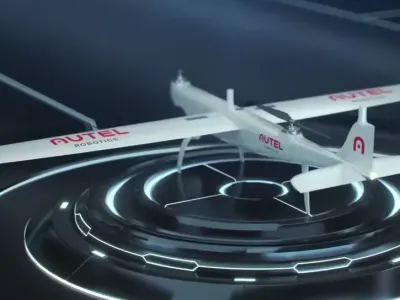
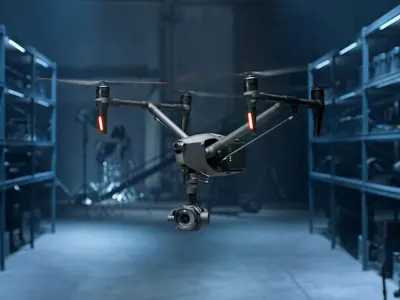
| DJI Inspire 3 | 4K HDR cinema quality | RTK/SLAM in GPS-denied spots | Professional filming |
Explore Humanoids
Related Articles
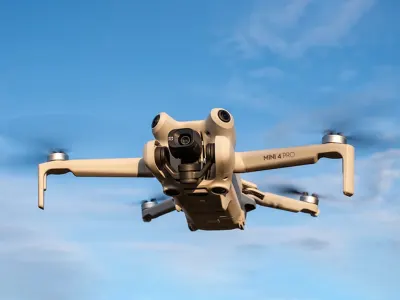
DJI Mini 4 Pro Tops 2026 Creator Picks for 4K Vertical Mastery
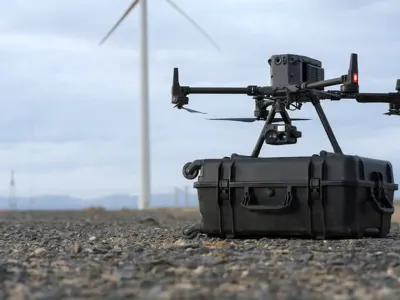
DJI Matrice 350 RTK Dominates Recent Enterprise Trials
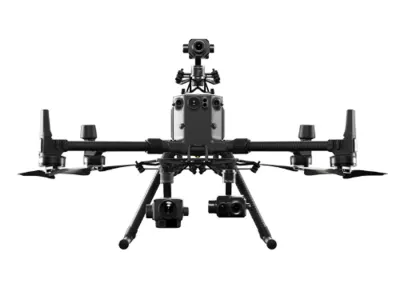
DJI Matrice 300 RTK Expands Battery Ecosystem with TB65 Upgrade Path
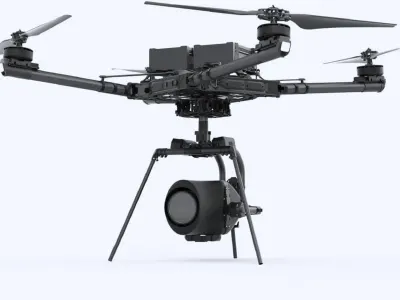
XTI Aerospace Adds Alta X Gen2 with 35lb Payload, NDAA February 2026
Related Comparisons
Compare Astro with similar robots
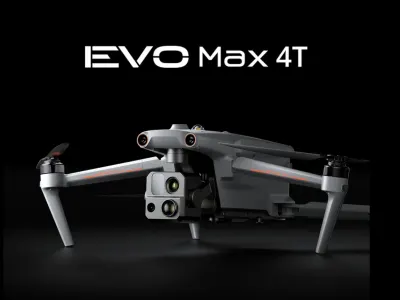
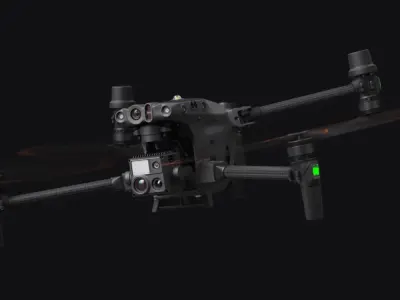
EVO Max 4T vs DJI Matrice 30 series
Which camera drone is better? EVO Max 4T vs DJI Matrice 30 series compared for image quality, battery life, and value.
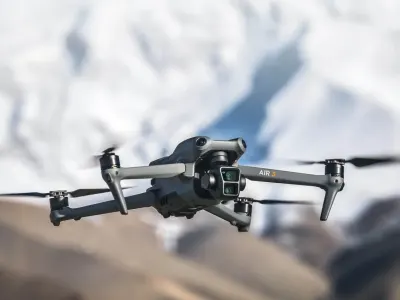
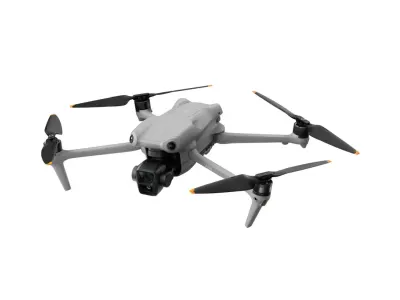
DJI Air 3 vs DJI Air 3S
Compare DJI Air 3 vs DJI Air 3S for camera quality, low-light sensors, obstacle avoidance, battery life, and pro videography outcomes.

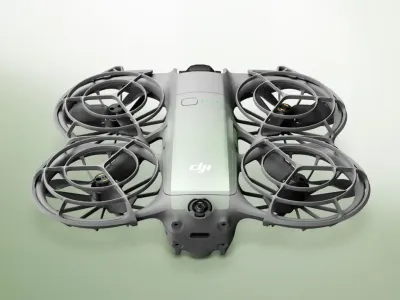
DJI Avata 360 vs DJI Neo 2
DJI Avata 360 vs DJI Neo 2: 8K 360° video, flight time, speed, range, safety and price compared to help you choose between FPV and selfie flying.

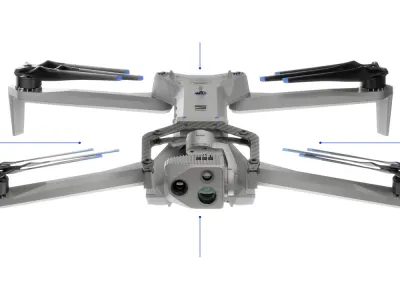
Skydio X2D vs Skydio X10
Compare Skydio X2D vs Skydio X10 for camera quality, flight time, range, and cinematic capabilities in defense and inspection.
Learn More About This Robot
Discover detailed specifications, reviews, and comparisons for Astro.
View Robot Details →