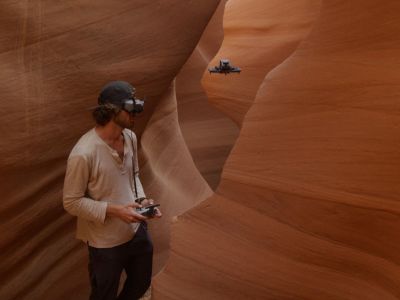
The DJI Avata 3 positions itself as a high-performance FPV drone camera for racing and cinematography enthusiasts. It stands out with a maximum speed of 140 km/h, a 155° field of view, and a 1-inch CMOS sensor enabling 4K video at 120fps and 48MP stills. Compared to entry-level models, the DJI Avata 3 offers superior stabilization via electronic image stabilization with horizon leveling and a single-axis mechanical gimbal, alongside omnidirectional obstacle avoidance. Its 7-mile range and 160g weight make it suitable for aggressive maneuvers in aerial content creation.
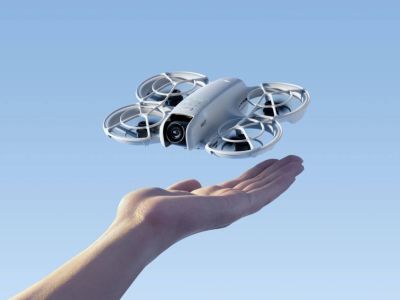
The DJI Neo 2 targets beginners and casual users with its compact, lightweight 135g design and palm takeoff/landing features. Priced lower at $400-$600, it provides 4K UHD at 60fps from a 1/1.3-inch CMOS sensor with an 82° FOV, ideal for travel vlogging and social media. Lacking mechanical stabilization, it relies on vision-based obstacle avoidance and propeller guards for safety. Both share a 7-mile range and 120m max altitude, but the DJI Neo 2 emphasizes ease of use over speed, topping at 16 m/s.
Detailed Analysis
Camera Quality & Sensor Performance
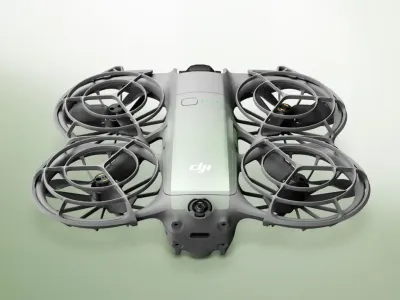
The DJI Avata 3 features a larger 1-inch CMOS sensor supporting 4K video at 120fps and 48MP still images, outperforming the DJI Neo 2's 1/1.3-inch CMOS with 4K UHD at 60fps. The Avata 3's 155° wide-angle FOV captures immersive FPV-style footage, while the Neo 2's 82° FOV suits standard videography. Avata 3 includes electronic image stabilization with horizon leveling and a single-axis mechanical gimbal; Neo 2 has no stabilization listed. Larger sensor in Avata 3 improves low-light performance and dynamic range. Both deliver high-resolution output for content creation.
Flight Time & Battery Efficiency
Both the DJI Avata 3 and DJI Neo 2 list a battery lifespan of 2-3 years, but specific flight durations are not detailed beyond this metric. Avata 3's design supports agile FPV flights, potentially aligning with rumored 23-25 minute times from similar models. Neo 2 prioritizes efficiency in sport mode at lower speeds. Shared battery protection features include low battery return-to-home. Actual runtime depends on usage, wind, and mode, with no direct per-flight comparison available.
Range & Transmission Technology
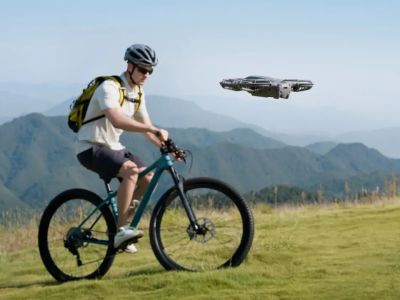
DJI Avata 3 and DJI Neo 2 both achieve a maximum range of 7 miles using DJI Fly OS and proprietary firmware. Transmission relies on the DJI Fly app ecosystem for both, ensuring stable connectivity. Avata 3's FPV focus may leverage enhanced low-latency video transmission for high-speed flights. Neo 2 supports similar distances in casual modes. Geofencing applies to both for regulatory compliance.
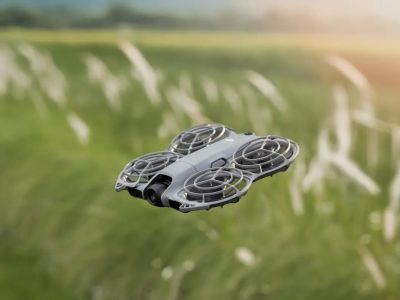
Obstacle Avoidance & Safety Features
DJI Avata 3 provides omnidirectional obstacle avoidance, return-to-home, geofencing, low battery protection, failsafe hover, and child lock. DJI Neo 2 offers obstacle avoidance with vision sensors, palm takeoff/landing, geofencing, low battery return-to-home, and propeller guards. Avata 3's system suits high-speed FPV with broader sensing; Neo 2 emphasizes beginner-friendly guards and hand launch. Both include core safety like return-to-home. Differences reflect use cases: racing vs. casual flying.
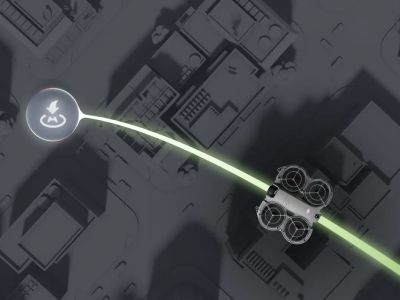
Intelligent Flight Modes & Tracking
DJI Avata 3 supports FPV racing modes with easy ACRO flips, rolls, and drifts via DJI Fly app and compatible goggles/controllers. DJI Neo 2 enables palm takeoff/landing and sport/manual modes for casual tracking. Neither lists advanced autonomous tracking, but Avata 3's ecosystem integrates motion control for immersive flight. Neo 2 focuses on simple videography tracking. Shared app supports firmware updates for both.
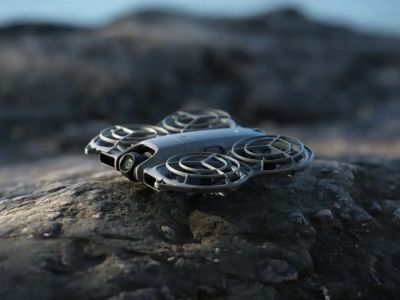
Portability & Build Quality
DJI Avata 3 measures 18.5 cm x 18.5 cm x 7 cm at 160g, optimized for FPV with propeller guards. DJI Neo 2 is smaller at 13.0 x 9.0 x 5.0 cm folded and 135g lighter, enhancing travel portability. Both under 250g avoid many regulations. Avata 3's cinewhoop style withstands aggressive use; Neo 2 includes guards for casual protection. Dimensions favor Neo 2 for bags, Avata 3 for performance durability.
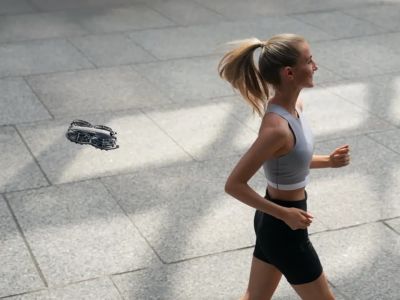
Controller & App Experience
Both drones use DJI Fly OS, proprietary firmware with regular updates, and the DJI Fly app ecosystem. DJI Avata 3 adds compatibility with goggles and motion controllers for FPV immersion. DJI Neo 2 integrates palm controls for quick setup. App features overlap in flight planning and safety. Avata 3 suits advanced users; Neo 2 beginners.
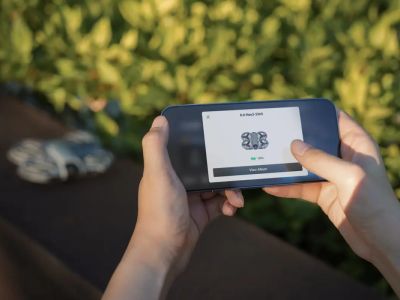
Which drone is better for professional videography?
DJI Avata 3 excels for professional videography with its 1-inch sensor, 4K/120fps, 155° FOV, and advanced stabilization, enabling cinematic FPV shots. DJI Neo 2's 4K/60fps and narrower FOV limit it to casual use. Avata 3's speed and range support dynamic filming. For pro needs, select DJI Avata 3.
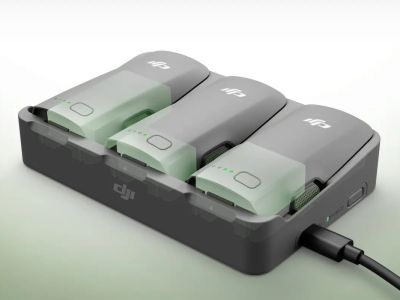
Which drone is better for beginners and travel?
DJI Neo 2 suits beginners and travel with 135g weight, palm takeoff, smaller folded size, and propeller guards at lower price. DJI Avata 3's higher speed and FPV focus demand more skill. Neo 2's casual modes ease entry. For beginners, choose DJI Neo 2.
Analysis Score Summary
Total Score
9
DJI Avata 3
VS
Based on Detailed Analysis
Total Score
9
DJI Neo 2
📊 Win: 2 points | Trade-off: 1 point each
Scores are summed across every insight: a clear winner earns 2 points, while balanced trade-offs give each robot 1 point. The total reflects how often each robot outperforms the other (or shares the spotlight) throughout the detailed analysis sections.
Technical Specifications
Head-to-head performance data and metrics
| Specification | Model ADJI Avata 3 | Model BDJI Neo 2 |
|---|---|---|
Functional Utility & Use Cases4 Comparative Metrics | ||
Control Method | Remote controller, motion control, app control, autonomous flight modes | Remote controller, smartphone app, autonomous flight modes, gesture control (palm takeoff/landing) |
Use Cases | FPV racing, aerial cinematography, content creation, recreational flying | Aerial videography, travel vlogging, casual photography, social media content creation |
Multi Robot Coord | No multi-drone coordination features reported | No multi-robot coordination features |
Pet Friendly | Yes, with obstacle avoidance to reduce risk around pets | Yes, capable of handling pet hair in propeller guards area, but not designed specifically for pet environments |
Manipulation & Load Capacity2 Comparative Metrics | ||
Payload Type | Camera payload only (no dust/debris or water payload) | Camera payload (4K video, 12MP photos), no additional payload capacity |
Modular Attachments | No modular arms or grippers; camera module fixed | No modular arms or payload bays; fixed camera and gimbal system |
Kinematic Architecture & Dexterity3 Comparative Metrics | ||
Material | High-strength plastic and carbon fiber frame | High-strength plastic and lightweight magnesium alloy frame |
Mobility Type | Multirotor quadcopter with four-blade propellers | Quadrotor with brushless motors and propellers |
Hardware Interface | USB-C port for charging and data, magnetic battery contacts | USB-C port for charging and data transfer, magnetic charging contacts |
Functional Utility & Use Cases
4 Comparative Metrics
Manipulation & Load Capacity
2 Comparative Metrics
Kinematic Architecture & Dexterity
3 Comparative Metrics
Frequently Asked Questions
How does the DJI Avata 3 perform in low-light conditions compared to DJI Neo 2?
DJI Avata 3's 1-inch CMOS sensor improves low-light performance over DJI Neo 2's 1/1.3-inch sensor, capturing cleaner footage with better dynamic range.
What is the maximum transmission range of DJI Avata 3 versus DJI Neo 2?
Both DJI Avata 3 and DJI Neo 2 offer a 7-mile maximum range via DJI Fly app ecosystem.
How do wind resistance and flight time compare between DJI Avata 3 and DJI Neo 2?
Both list 2-3 year battery life; DJI Avata 3 reaches 140 km/h speeds implying better wind handling than DJI Neo 2's 16 m/s.
Which drone is easier to set up and carry for travel vlogging?
DJI Neo 2's 13x9x5 cm folded size, 135g weight, and palm takeoff make it more portable than DJI Avata 3's 18.5 cm frame.
Which drone excels at action tracking and FPV racing footage?
DJI Avata 3's 140 km/h speed, 155° FOV, and ACRO modes outperform DJI Neo 2 for action tracking and racing.
Which provides better stabilization for cinematic shots?
DJI Avata 3's electronic stabilization, horizon leveling, and single-axis gimbal surpass DJI Neo 2's lack of stabilization.
Related Comparisons
Discover similar robot matchups to expand your knowledge and find the perfect solution
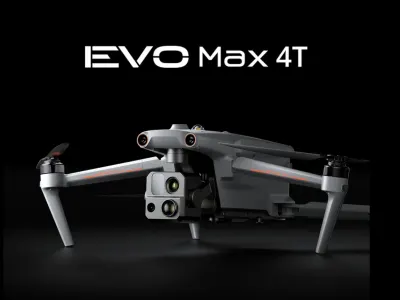
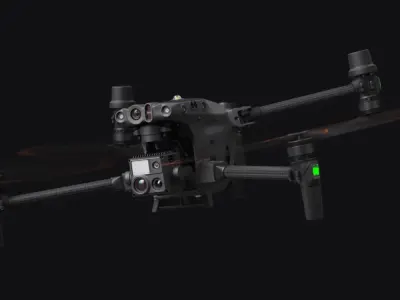
EVO Max 4T vs DJI Matrice 30 series
Which camera drone is better? EVO Max 4T vs DJI Matrice 30 series compared for image quality, battery life, and value.
DJI Air 3 vs DJI Air 3S
Compare DJI Air 3 vs DJI Air 3S for camera quality, low-light sensors, obstacle avoidance, battery life, and pro videography outcomes.
DJI FlyCart 30 vs DJI FlyCart 100
Compare DJI FlyCart 30 and FlyCart 100. Detailed analysis of sensors, navigation, battery lifespan, safety, and payload handling.
Skydio X2D vs Skydio X10
Compare Skydio X2D vs Skydio X10 for camera quality, flight time, range, and cinematic capabilities in defense and inspection.
Disclaimer
All content, comparisons, and verdicts on this website are based on our research, testing, and opinion. While we strive for accuracy, we do not guarantee the completeness, reliability, or suitability of any information. Performance, specifications, and results may vary depending on usage and conditions. This website and its authors are not responsible for any decisions, actions, or outcomes based on the information provided. Always verify product details with the manufacturer before making purchase or operational decisions.