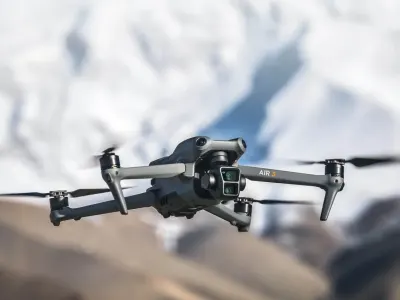
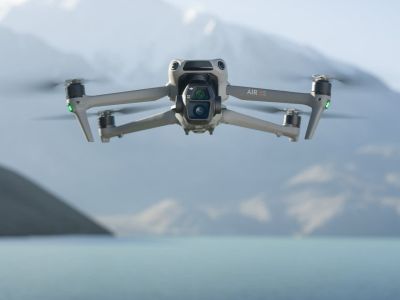
The DJI Air 3 positions itself as a mid-range drone camera optimized for aerial photography, videography, and inspections. It features dual 1/1.3-inch CMOS sensors at 48 MP with 82° wide and 35° tele FOV, supported by a 3-axis gimbal and 20 km range. Key differentiators include omnidirectional obstacle avoidance with APAS 5.0, Smart RTH, and a weight of 0.72 kg for portability. This makes it suitable for wildlife monitoring and general content creation in varied environments.
The DJI Air 3S serves as an upgraded mid-tier drone camera targeting travel cinematography, real estate, and nighttime photography. It upgrades to a 1-inch CMOS wide sensor at 50 MP alongside a 1/1.3-inch tele at 48 MP, with 84° wide FOV. Enhanced LiDAR-based obstacle sensing improves low-light safety, paired with ActiveTrack 360° and 20 km range. At 724 grams, it maintains compactness while prioritizing superior image quality and creative modes.
Detailed Analysis
Camera Quality & Sensor Performance
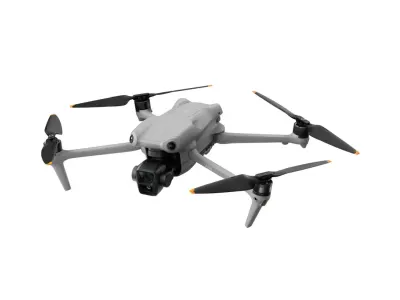
DJI Air 3 uses dual 1/1.3-inch CMOS sensors with 48 MP resolution on both wide and medium tele cameras. DJI Air 3S upgrades the wide camera to a 1-inch CMOS sensor at 50 MP for better low-light performance, dynamic range, and detail, while retaining 48 MP on the 1/1.3-inch tele. Both employ 3-axis mechanical gimbals for stabilization. The larger sensor in Air 3S enhances color fidelity and clarity in landscapes or urban scenes. FOV is marginally wider at 84° on Air 3S wide-angle versus 82° on Air 3.
Flight Time & Battery Efficiency
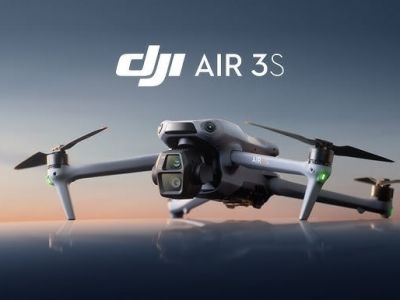
DJI Air 3 supports batteries with 300-500 cycles and achieves up to 46 minutes flight time. DJI Air 3S batteries handle 500-800 cycles with 45 minutes maximum flight time, using higher energy density Li-ion cells. Real-world tests show Air 3 edging out by 1-2 minutes due to efficiency differences. Both offer interchangeable batteries rated for similar wind resistance at 12 m/s or 43.2 km/h. Cycle life favors Air 3S for long-term use.
Range & Transmission Technology
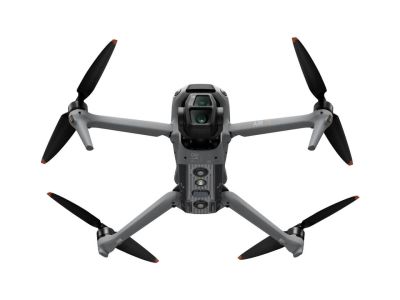
Both DJI Air 3 and DJI Air 3S achieve 20 km maximum range under FCC compliance, dropping to 10 km in CE/SRRC/MIC regions. They utilize proprietary DJI transmission systems via DJI Fly app or similar software. No major differences in signal reliability are noted, with both supporting stable feeds for extended flights. Internal storage expands to 42 GB on Air 3S from 8 GB on Air 3. Transmission remains consistent for professional shoots.
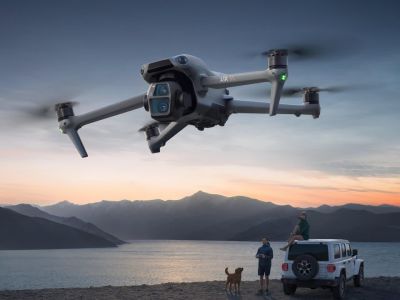
Obstacle Avoidance & Safety Features
DJI Air 3 provides omnidirectional avoidance with APAS 5.0 and Smart RTH. DJI Air 3S adds forward-facing LiDAR for enhanced low-light and nightscape detection, plus next-gen Smart RTH with path memorization sans satellite signals. Air 3S ActiveTrack 360° improves subject tracking in complex environments like bridges or foliage. Both include propeller guards and auto-landing options. LiDAR gives Air 3S superior safety in dim conditions.
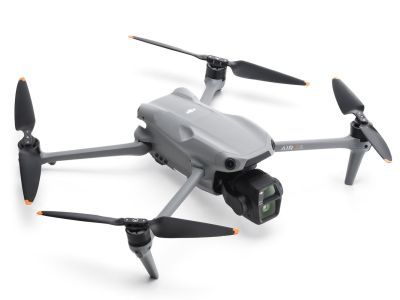
Intelligent Flight Modes & Tracking
DJI Air 3 runs ActiveTrack 5.0 for people, vehicles, and boats with QuickShots, MasterShots, and Hyperlapse. DJI Air 3S advances to ActiveTrack 360° for environment-aware path planning and partial subject occlusion handling. Both support 2.7K vertical shooting and panorama modes. Air 3S adds Free Panorama for creative flexibility. Tracking precision favors Air 3S in dynamic scenarios.
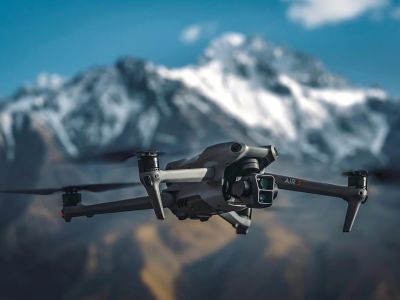
Portability & Build Quality
DJI Air 3 measures 210 × 100.5 × 91.1 mm folded (258.8 × 326 × 105.8 mm unfolded) at 720 grams. DJI Air 3S is 214.19 × 100.63 × 89.17 mm folded (266.11 × 325.47 × 106 mm unfolded) at 724 grams. Both fold compactly for backpack travel and meet C1 weight class limits. Wind resistance is identical at 12 m/s. Minor size variance does not impact portability significantly.
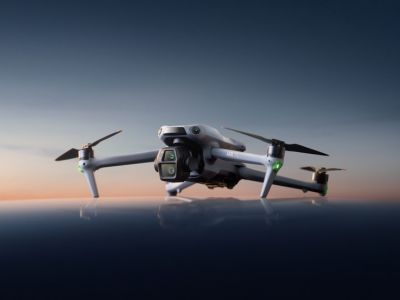
Which drone is better for professional videography?
DJI Air 3S outperforms DJI Air 3 in videography with its 1-inch sensor for superior low-light dynamic range and 50 MP stills convertible to video proxies. Air 3 matches on tele lens but lags in wide-angle detail. Both handle 4K/100fps, though Air 3S slow-motion shows better clarity. Air 3 suits general use, but Air 3S is preferable for pros needing cinematic quality. Recommendation: Choose DJI Air 3S for professional videography.
Which drone offers best value for nighttime photography?
DJI Air 3S provides better value for nighttime photography via 1-inch sensor low-light gains and LiDAR avoidance. DJI Air 3 relies on standard sensors with good but lesser performance in dim conditions. Pricing overlaps at USD 1,099 entry, with Air 3S adding storage and tracking upgrades. Both share similar battery and range. Recommendation: DJI Air 3S delivers superior value for nighttime work.
Analysis Score Summary
Total Score
8
DJI Air 3
VS
Based on Detailed Analysis
Total Score
8
DJI Air 3S
📊 Win: 2 points | Trade-off: 1 point each
Scores are summed across every insight: a clear winner earns 2 points, while balanced trade-offs give each robot 1 point. The total reflects how often each robot outperforms the other (or shares the spotlight) throughout the detailed analysis sections.
Technical Specifications
Head-to-head performance data and metrics
| Specification | Model ADJI Air 3 | Model BDJI Air 3S |
|---|---|---|
Functional Utility & Use Cases4 Comparative Metrics | ||
Control Method | remote controller, DJI Fly app, autonomous modes | App control, remote control |
Use Cases | aerial photography, videography, wildlife monitoring, inspections | Travel Cinematography, Real Estate, Nighttime Aerial Photography, Surveying, Content Creation |
Multi Robot Coord | No | - |
Pet Friendly | Yes, safe for pet filming | Yes |
Manipulation & Load Capacity2 Comparative Metrics | ||
Payload Type | camera payload | - |
Modular Attachments | propeller guards, ND filters, battery station | Camera mounts, gimbals |
Kinematic Architecture & Dexterity3 Comparative Metrics | ||
Material | high-strength composite plastic, aluminum alloy arms | - |
Mobility Type | quadcopter flight | Aerial |
Hardware Interface | USB-C, battery contacts | WiFi, Bluetooth |
Functional Utility & Use Cases
4 Comparative Metrics
Manipulation & Load Capacity
2 Comparative Metrics
Kinematic Architecture & Dexterity
3 Comparative Metrics
Frequently Asked Questions
How does DJI Air 3S low-light camera performance compare to DJI Air 3?
DJI Air 3S 1-inch CMOS wide sensor excels in low-light with higher sensitivity and dynamic range over DJI Air 3 dual 1/1.3-inch sensors.
What is the maximum transmission range of DJI Air 3 versus DJI Air 3S?
Both DJI Air 3 and DJI Air 3S reach 20 km FCC range, reliable for extended aerial shoots with proprietary DJI transmission.
Which drone has better real-world flight time in wind for DJI Air 3 or DJI Air 3S?
DJI Air 3 edges DJI Air 3S by 1-2 minutes real-world flight time; both resist 12 m/s winds equally well.
How portable is setup for DJI Air 3S compared to DJI Air 3 for travel?
Both DJI Air 3 and DJI Air 3S fold to similar compact sizes under 725g, enabling quick backpack deployment for travel.
Which is better for action subject tracking with DJI Air 3 or DJI Air 3S?
DJI Air 3S ActiveTrack 360° outperforms DJI Air 3 ActiveTrack 5.0 in occluded or complex environments.
Can DJI Air 3 or DJI Air 3S handle cinematic landscape shots effectively?
DJI Air 3S 1-inch sensor delivers superior detail for cinematic landscapes over DJI Air 3, with matching gimbal stability.
Related Comparisons
Discover similar robot matchups to expand your knowledge and find the perfect solution
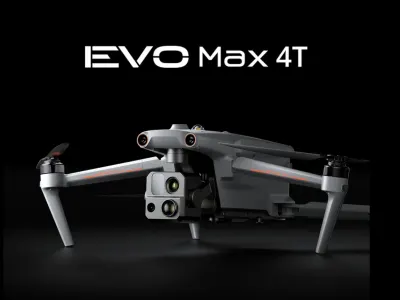
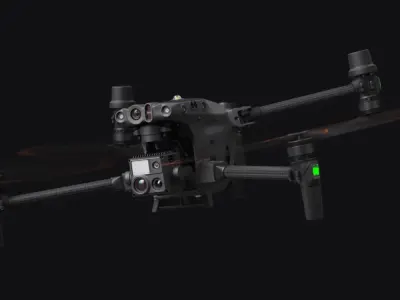
EVO Max 4T vs DJI Matrice 30 series
Which camera drone is better? EVO Max 4T vs DJI Matrice 30 series compared for image quality, battery life, and value.
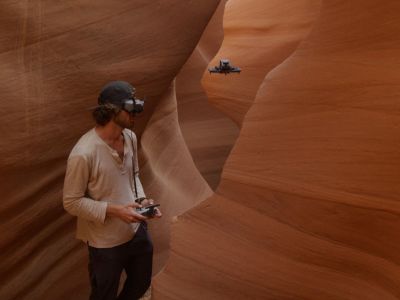
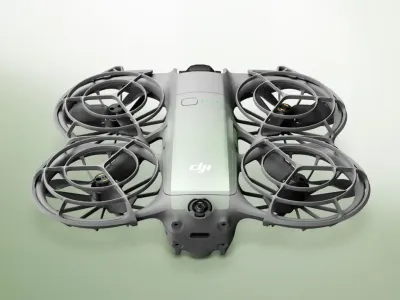
DJI Avata 3 vs DJI Neo 2
Which camera drone is better? DJI Avata 3 vs DJI Neo 2 compared for image quality, battery life, range, safety, and pro vs beginner use.
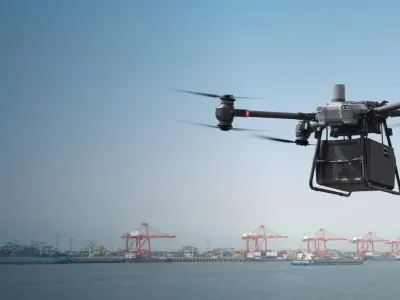
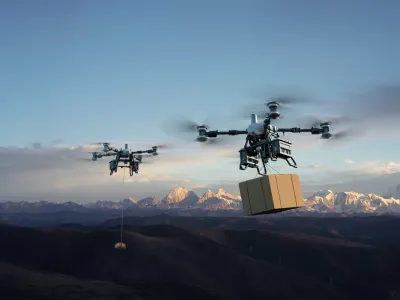
DJI FlyCart 30 vs DJI FlyCart 100
Compare DJI FlyCart 30 and FlyCart 100. Detailed analysis of sensors, navigation, battery lifespan, safety, and payload handling.

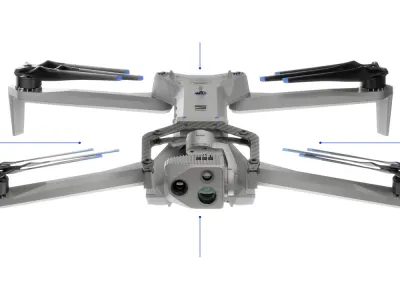
Skydio X2D vs Skydio X10
Compare Skydio X2D vs Skydio X10 for camera quality, flight time, range, and cinematic capabilities in defense and inspection.
Disclaimer
All content, comparisons, and verdicts on this website are based on our research, testing, and opinion. While we strive for accuracy, we do not guarantee the completeness, reliability, or suitability of any information. Performance, specifications, and results may vary depending on usage and conditions. This website and its authors are not responsible for any decisions, actions, or outcomes based on the information provided. Always verify product details with the manufacturer before making purchase or operational decisions.