DJI Matrice 300 RTK Expands Battery Ecosystem with TB65 Upgrade Path
Robot Details
DJI Matrice 300 RTK • DJIPublished
March 12, 2026
Reading Time
3 min read
Author
Origin Of Bots Editorial Team
Battery Evolution Reshapes Flight Economics
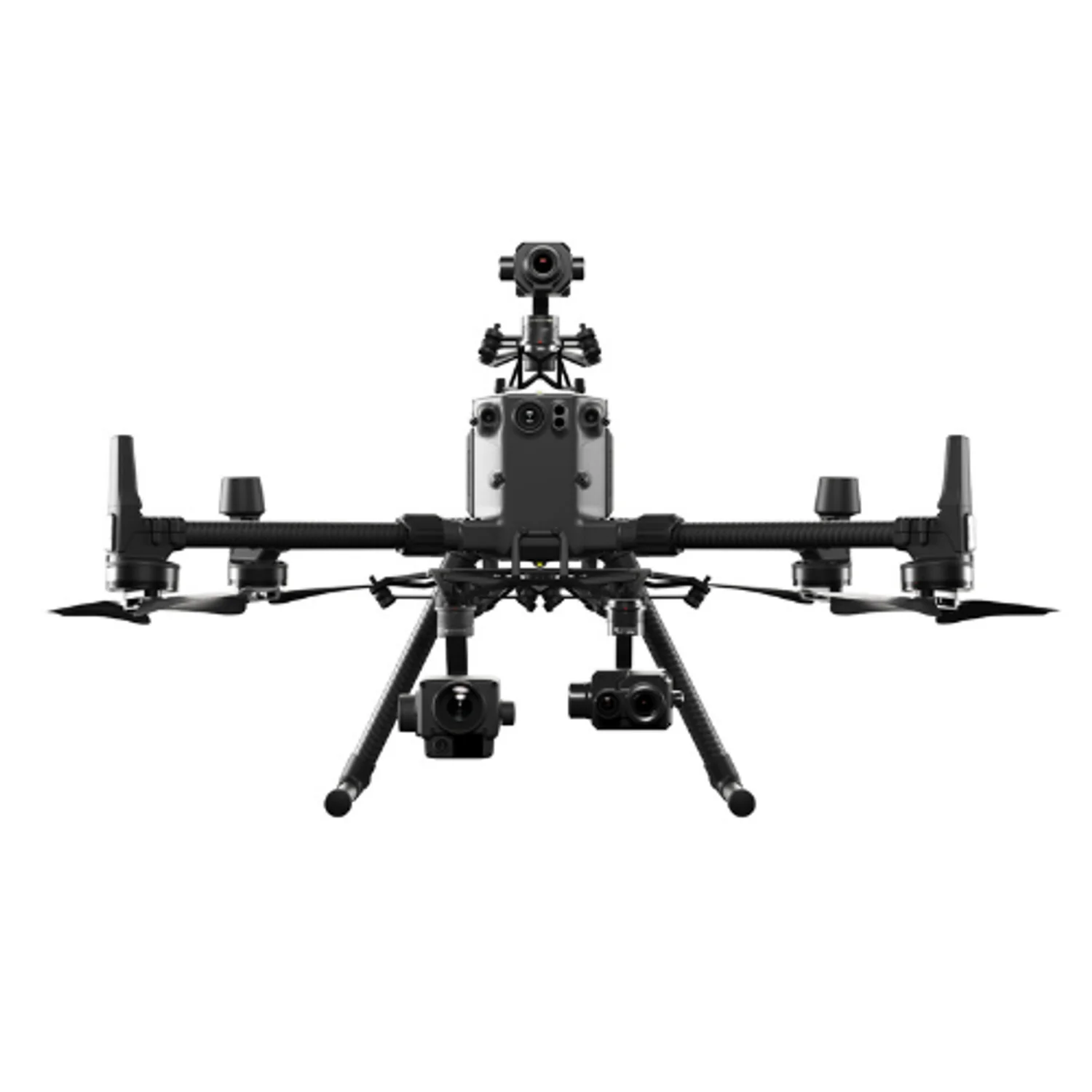
The DJI Matrice 300 RTK now supports the newer TB65 Intelligent Flight Battery through a firmware update, doubling the charge cycle lifespan from 200 cycles to 400 cycles. This backward-compatible upgrade transforms operational economics for infrastructure inspection teams, search-and-rescue operators, and surveying companies that rely on the platform for extended deployments. The extended battery longevity reduces replacement costs significantly while maintaining the proven 55-minute maximum flight time operators depend on for large-area surveys and critical infrastructure monitoring.
Six-Directional Obstacle Avoidance
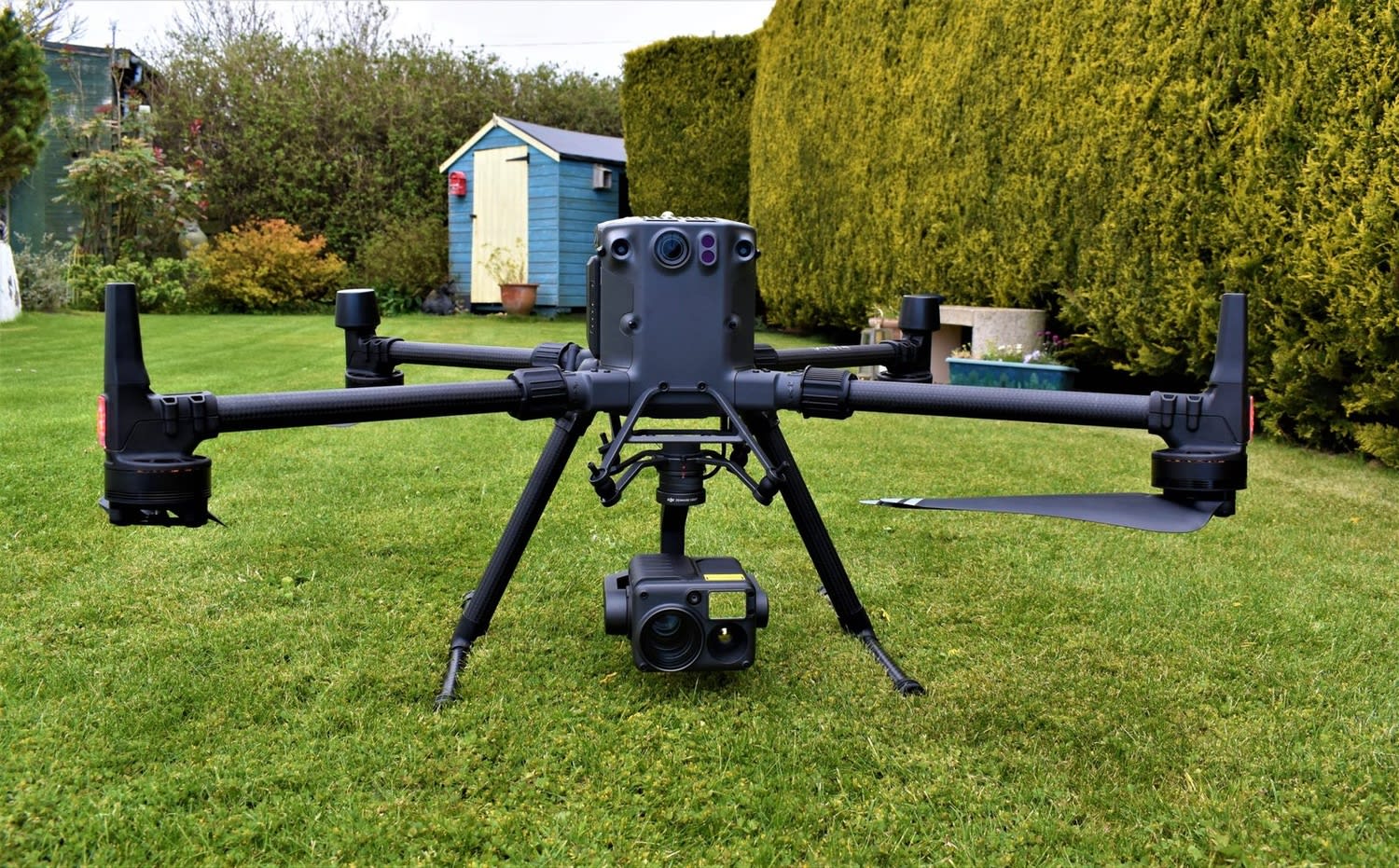
The Matrice 300 RTK's comprehensive vision architecture integrates six-directional binocular vision sensors paired with six-directional infrared ToF sensors, creating a protective envelope that detects obstacles from 0.7 to 40 meters horizontally and 0.6 to 30 meters vertically. This redundant sensing approach enables operators to fly with confidence in complex environments—dense urban corridors, overgrown utility corridors, and confined industrial spaces where single-camera systems falter. The 960p FPV camera with 145-degree field of view provides real-time situational awareness, while optional CSM Radar adds all-weather capability for operations during adverse visibility conditions.
Precision Navigation at Scale
Dual RTK antennas deliver centimeter-level positioning accuracy—1 centimeter plus 1 ppm horizontally and 1.5 centimeters plus 1 ppm vertically when RTK is fixed—enabling repeatable flight paths critical for change-detection surveys and infrastructure monitoring. GPS and GLONASS integration provides multi-constellation redundancy, ensuring consistent lock in challenging signal environments. This positioning precision transforms inspection workflows: operators can return to exact vantage points months or years later, comparing thermal imagery or structural condition with pixel-perfect alignment, accelerating damage assessment and maintenance prioritization.
From Powerlines to Search Operations
The platform's multi-sensor payload architecture—supporting visual, thermal, LiDAR, gas detection, and laser rangefinder modules—positions it across diverse mission profiles. Power utility companies deploy the Matrice 300 RTK for automated corridor inspections and vegetation management, while public safety agencies leverage its endurance for search-and-rescue operations over terrain where ground teams cannot reach. Precision mapping professionals use the RTK capabilities for cadastral surveys and volumetric analysis, while law enforcement and wildlife management teams exploit the thermal payload for nocturnal operations and wildlife population monitoring.
Key Specifications & Performance
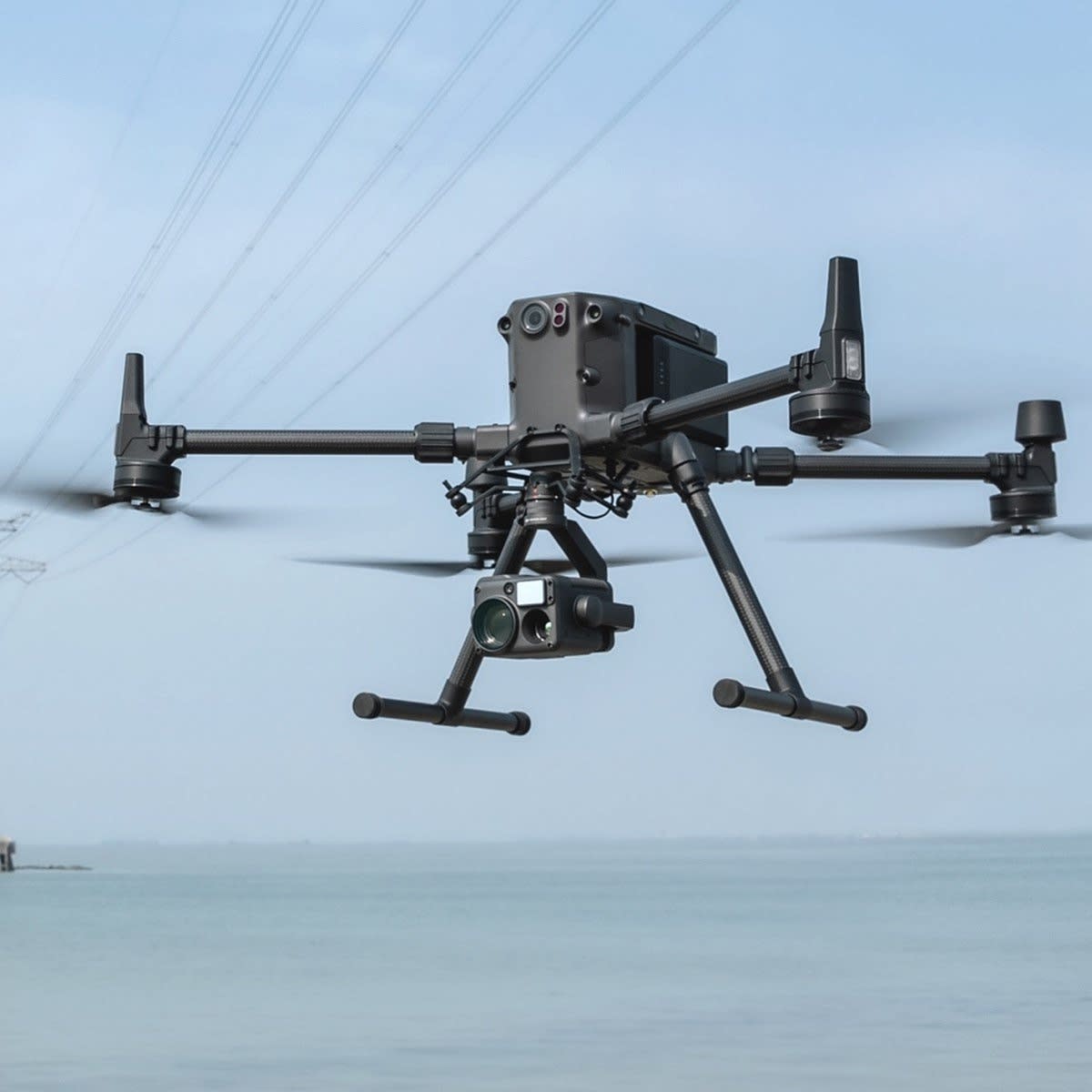
The Matrice 300 RTK weighs 6.3 kilograms with dual TB60 batteries, folding to 43.0 × 42.0 × 43.0 centimeters for transport yet expanding to 81.0 × 67.0 × 43.0 centimeters unfolded. Maximum speed reaches 23 m/s (51 mph) in Sport Mode and 17 m/s (38 mph) in Normal Mode, with ascent rates to 6 m/s and descent capabilities to 5 m/s vertically. The platform achieves a 5,000-meter service ceiling with standard propellers and 7,000 meters with upgraded 2195 propellers, enabling operations across varied terrain and altitude profiles. Six-directional obstacle sensing, 960p FPV camera with 145-degree field of view, and dual RTK antennas form the core sensing stack, while optional CSM Radar extends capability into low-visibility scenarios.
Versus Rivals Breakdown
| Robot | Key Advantage | Where DJI Matrice 300 RTK Wins | Target Use |
|---|---|---|---|
| DJI Mavic Mini Nano Drone | Ultra-lightweight portability under 250g | Superior endurance, multi-sensor payload capacity, RTK precision | Consumer/light inspection |
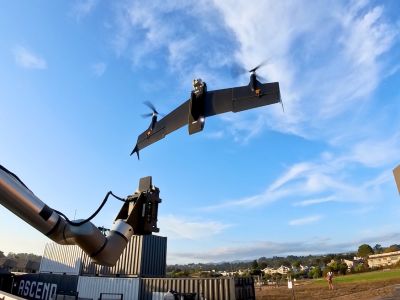
| Skydio F10 | Autonomous obstacle avoidance in GPS-denied environments | RTK positioning accuracy, longer flight time, established enterprise ecosystem | Enterprise inspection |
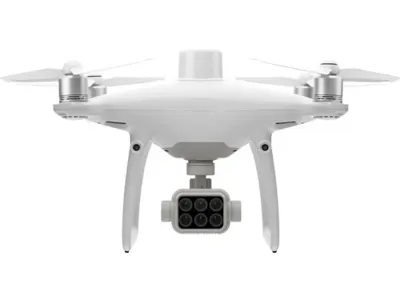
| Skydio X2D | Compact dual-operator design with integrated redundancy | Larger payload capacity, proven industrial thermal suite, longer range | Industrial surveying |
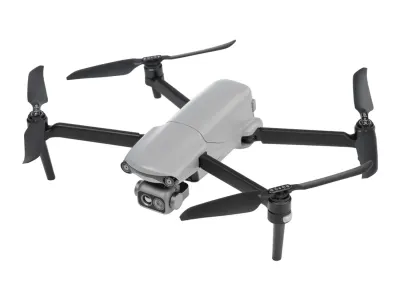
| EVO Lite Enterprise Series | Modular payload bay for rapid sensor swaps | Extended flight time, dual RTK antennas, multi-constellation GNSS resilience | Critical infrastructure |
Explore Humanoids

Sources
Related Articles
DJI Mavic 4 Pro Boosts Flight Control with January 2026 Firmware
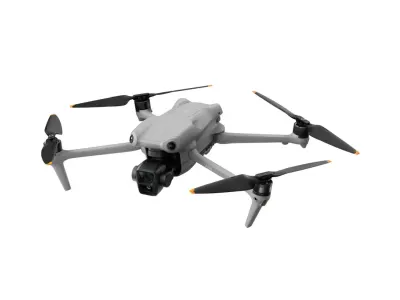
UK Caps DJI Air 3S Speed at 42mph Under 2026 Rules
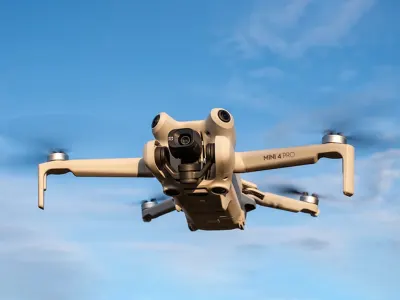
DJI Mini 4 Pro Tops 2026 Creator Picks for 4K Vertical Mastery
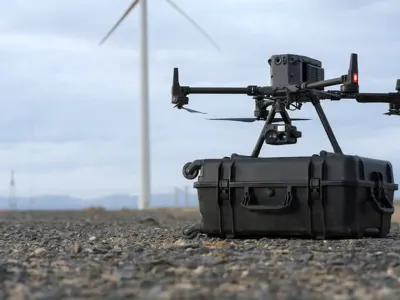
DJI Matrice 350 RTK Dominates Recent Enterprise Trials
Related Comparisons
Compare DJI Matrice 300 RTK with similar robots
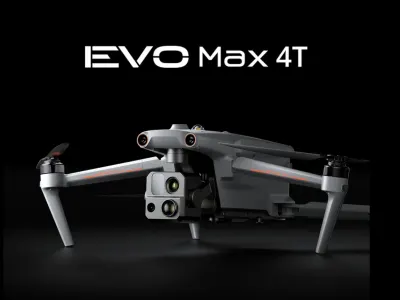
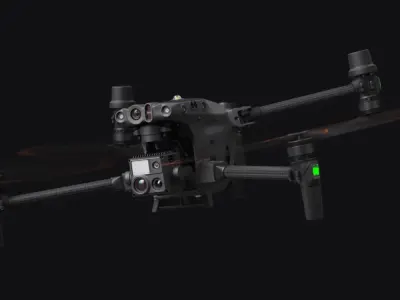
EVO Max 4T vs DJI Matrice 30 series
Which camera drone is better? EVO Max 4T vs DJI Matrice 30 series compared for image quality, battery life, and value.
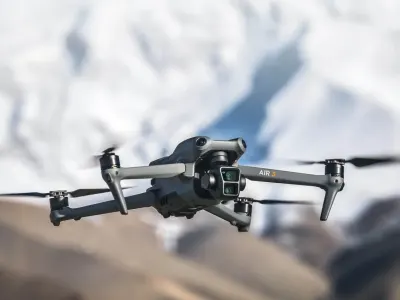
DJI Air 3 vs DJI Air 3S
Compare DJI Air 3 vs DJI Air 3S for camera quality, low-light sensors, obstacle avoidance, battery life, and pro videography outcomes.

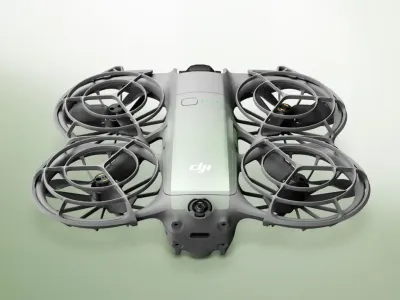
DJI Avata 360 vs DJI Neo 2
DJI Avata 360 vs DJI Neo 2: 8K 360° video, flight time, speed, range, safety and price compared to help you choose between FPV and selfie flying.
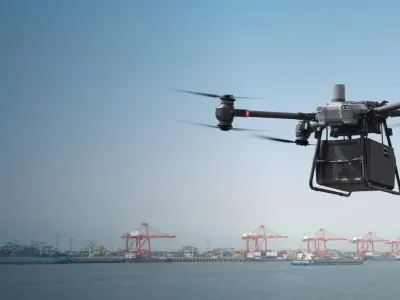

DJI FlyCart 30 vs DJI FlyCart 100
Compare DJI FlyCart 30 and FlyCart 100. Detailed analysis of sensors, navigation, battery lifespan, safety, and payload handling.
Learn More About This Robot
Discover detailed specifications, reviews, and comparisons for DJI Matrice 300 RTK.
View Robot Details →