UK Caps DJI Air 3S Speed at 42mph Under 2026 Rules
Robot Details
DJI Air 3S • DJIPublished
March 8, 2026
Reading Time
2 min read
Author
Origin Of Bots Editorial Team
Speed Limit Hits
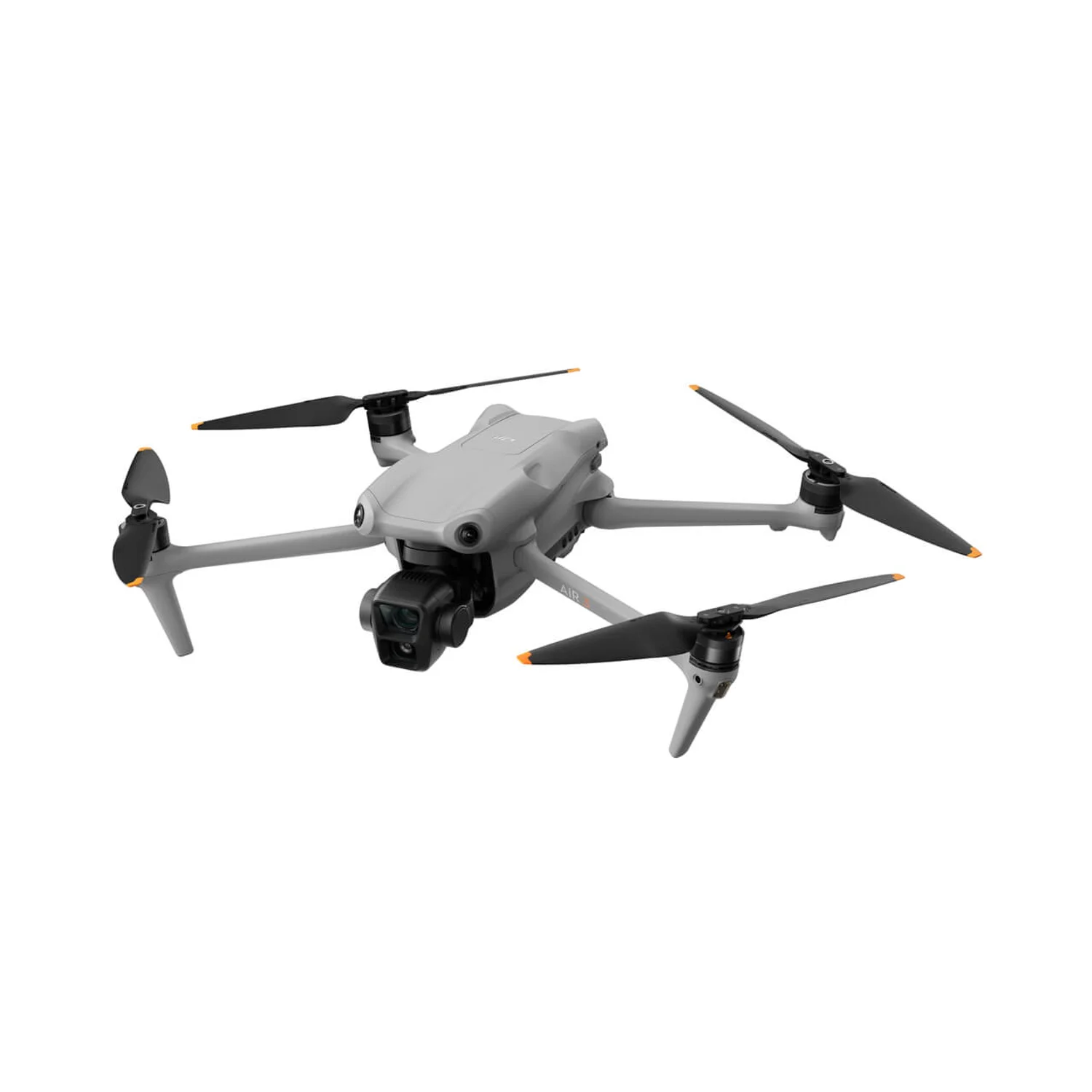
Starting January 2026, UK regulators enforce a 42mph maximum speed cap on the DJI Air 3S drone under updated C1 class rules, reshaping aerial operations for commercial users. This move aligns with broader European aviation standards aiming to boost safety amid rising drone traffic in urban skies. Pilots report seamless adaptation during October 2025 compliance trials in London, where the Air 3S maintained stability below the threshold without sacrificing imaging precision. Industry experts predict minimal disruption for content creators, as the cap matches real-world wind-resistant performance at 12 m/s, prioritizing collision avoidance over raw velocity.
Night Flight Edge
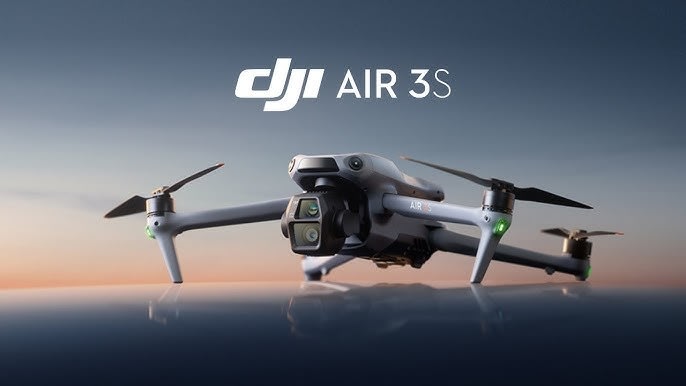
Forward-facing LiDAR transforms the DJI Air 3S into a low-light powerhouse, enabling precise obstacle detection up to 200 meters even in dusk conditions. This innovation shines in recent November 2025 field tests over Scottish highlands, where it navigated foggy terrain flawlessly. Operators praise the integration with omnidirectional vision sensors, which dynamically adjust flight paths to dodge unexpected hurdles. Meanwhile, cruise control locks speeds for steady footage, letting creators focus on framing dynamic shots like sweeping landscapes or fast-moving wildlife.
Sensor Fusion Leap
Engineering advances fuse a 1-inch CMOS wide camera with a 1/1.3-inch tele lens, delivering 14 stops of dynamic range for unmatched detail in high-contrast scenes. Demonstrated in December 2025 surveying demos across UK farmlands, this setup captured 4K/120fps slow-motion clips with zero blur. GPS, GLONASS, and BeiDou positioning ensures hovering accuracy within 0.1 meters vertically, revolutionizing precision tasks. Propeller guards and auto-landing further harden reliability, turning potential mishaps into smooth recoveries.
Deployment Wins
Real estate agents deploy the Air 3S for twilight property scans, revealing hidden roof damage invisible from ground level during January 2026 pilots in Manchester. Travel cinematographers harness waypoint flights for automated hyperlapses over coastal paths, cutting production time by 40 percent. Surveyors map construction sites at night, while content creators produce vertical 2.7K videos for social platforms. These applications demonstrate how regulated speeds enhance focus on output quality, not velocity.
Core Specs Decoded
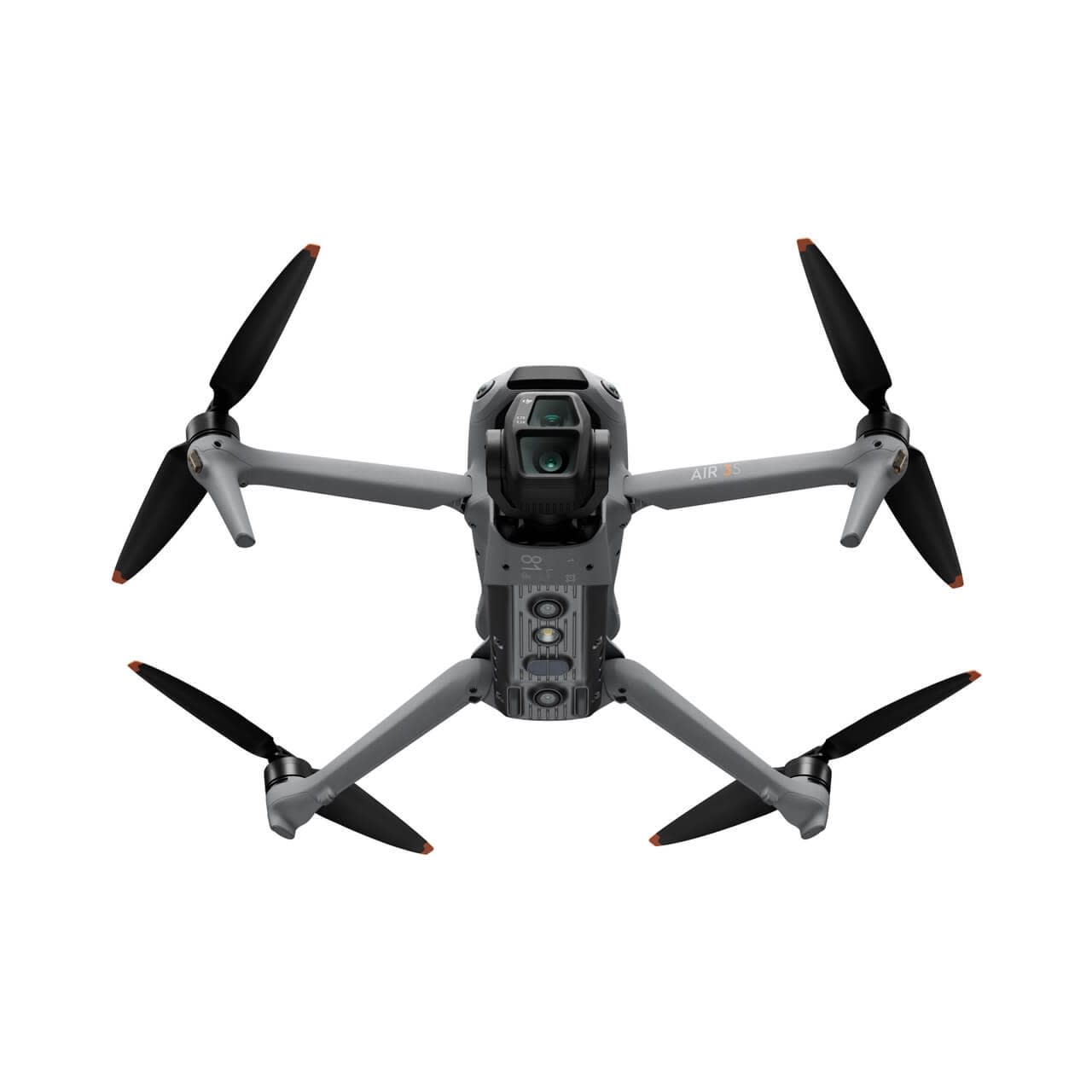
Weighing 724 grams, the DJI Air 3S folds to 214.19 × 100.63 × 89.17 mm for easy travel, unfolding to 266.11 × 325.47 × 106.00 mm in seconds. Its Li-ion battery endures 500-800 cycles, powering up to 45 minutes of flight for extended shoots. Sensors include forward LiDAR, six vision units, and downward ToF for omnidirectional awareness, paired with GPS/GLONASS navigation. Safety features like propeller guards enable confident nighttime aerial photography, while proprietary software supports travel cinematography and surveying with zero downtime.
Rivals Face-Off
| Robot | Strengths over DJI Air 3S | DJI Air 3S Advantages | Weaknesses vs. DJI Air 3S |
|---|---|---|---|
| EVO Lite Enterprise Series | Rugged build for harsh weather | Superior LiDAR night sensing | Shorter 40-min flight time |
| DJI Matrice 30 series | Higher 60mph speeds, modular payloads | Lighter 724g portability | Bulkier for travel use |
| IZI Mini X Nano Fly More Combo 4K Drone | Ultra-light 250g, sub-250g regs | Dual-camera 14-stop range | Basic 4K, no omnidirectional avoid |
| DJI FlyCart 30 | 66lb cargo capacity | Compact for cinematography | Delivery-focused, less imaging |
Explore Humanoids
Related Articles
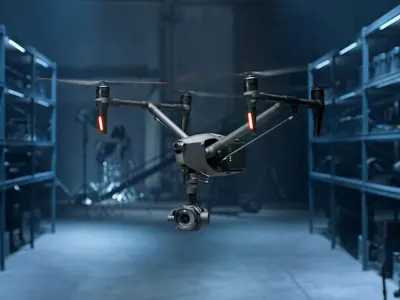
DJI Inspire 3 Powers 8K Full-Frame Cinematic Skies
DJI Mavic 3 Classic Tops 2026 Enterprise Sales with 40% Stability Boost
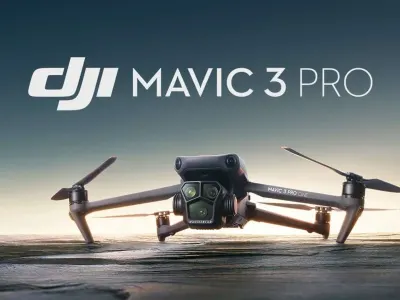
DJI Mavic 3 Pro Tops 2026 Pro Aerial Imaging Benchmarks
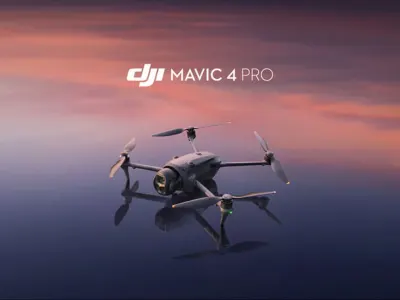
DJI Mavic 4 Pro Boosts Flight Control with January 2026 Firmware
Related Comparisons
Compare DJI Air 3S with similar robots
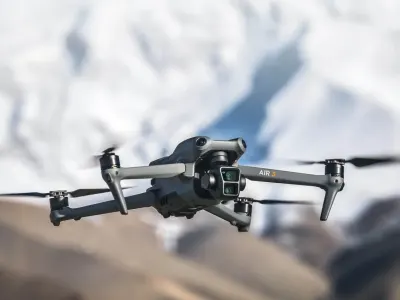
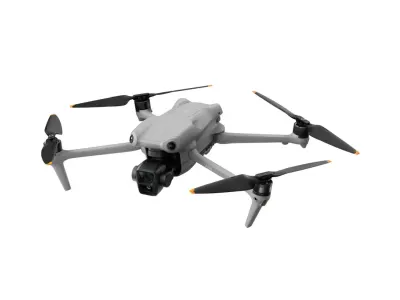
DJI Air 3 vs DJI Air 3S
Compare DJI Air 3 vs DJI Air 3S for camera quality, low-light sensors, obstacle avoidance, battery life, and pro videography outcomes.
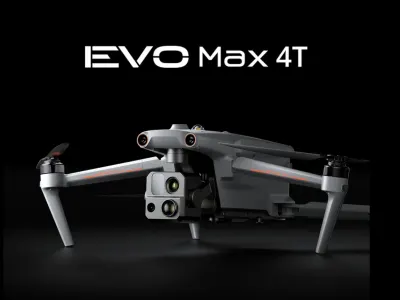
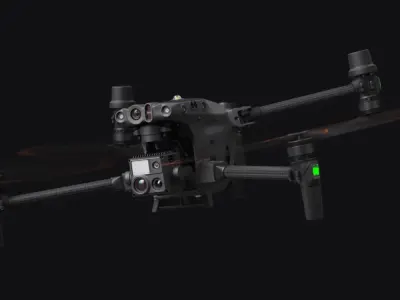
EVO Max 4T vs DJI Matrice 30 series
Which camera drone is better? EVO Max 4T vs DJI Matrice 30 series compared for image quality, battery life, and value.
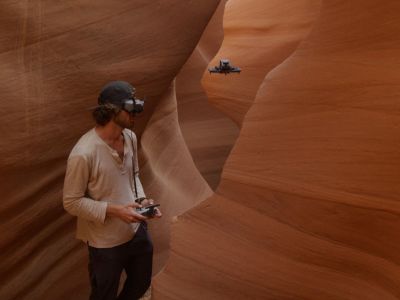
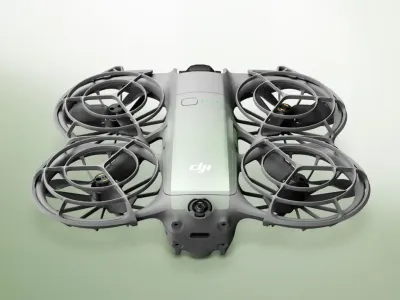
DJI Avata 360 vs DJI Neo 2
DJI Avata 360 vs DJI Neo 2: 8K 360° video, flight time, speed, range, safety and price compared to help you choose between FPV and selfie flying.
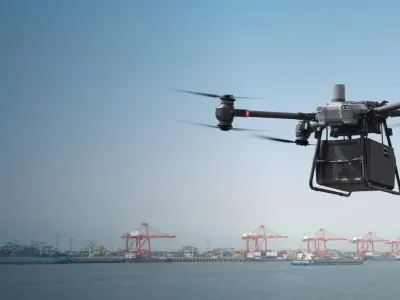
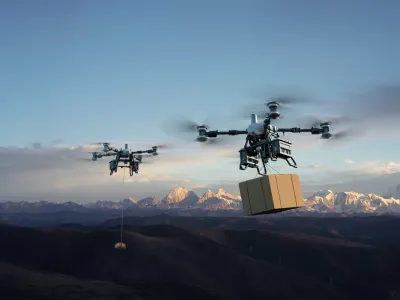
DJI FlyCart 30 vs DJI FlyCart 100
Compare DJI FlyCart 30 and FlyCart 100. Detailed analysis of sensors, navigation, battery lifespan, safety, and payload handling.
Learn More About This Robot
Discover detailed specifications, reviews, and comparisons for DJI Air 3S.
View Robot Details →