DJI Inspire 3 Powers 8K Full-Frame Cinematic Skies
Robot Details
DJI Inspire 3 • DJIPublished
March 7, 2026
Reading Time
3 min read
Author
Origin Of Bots Editorial Team
Professional Cinema Takes Flight
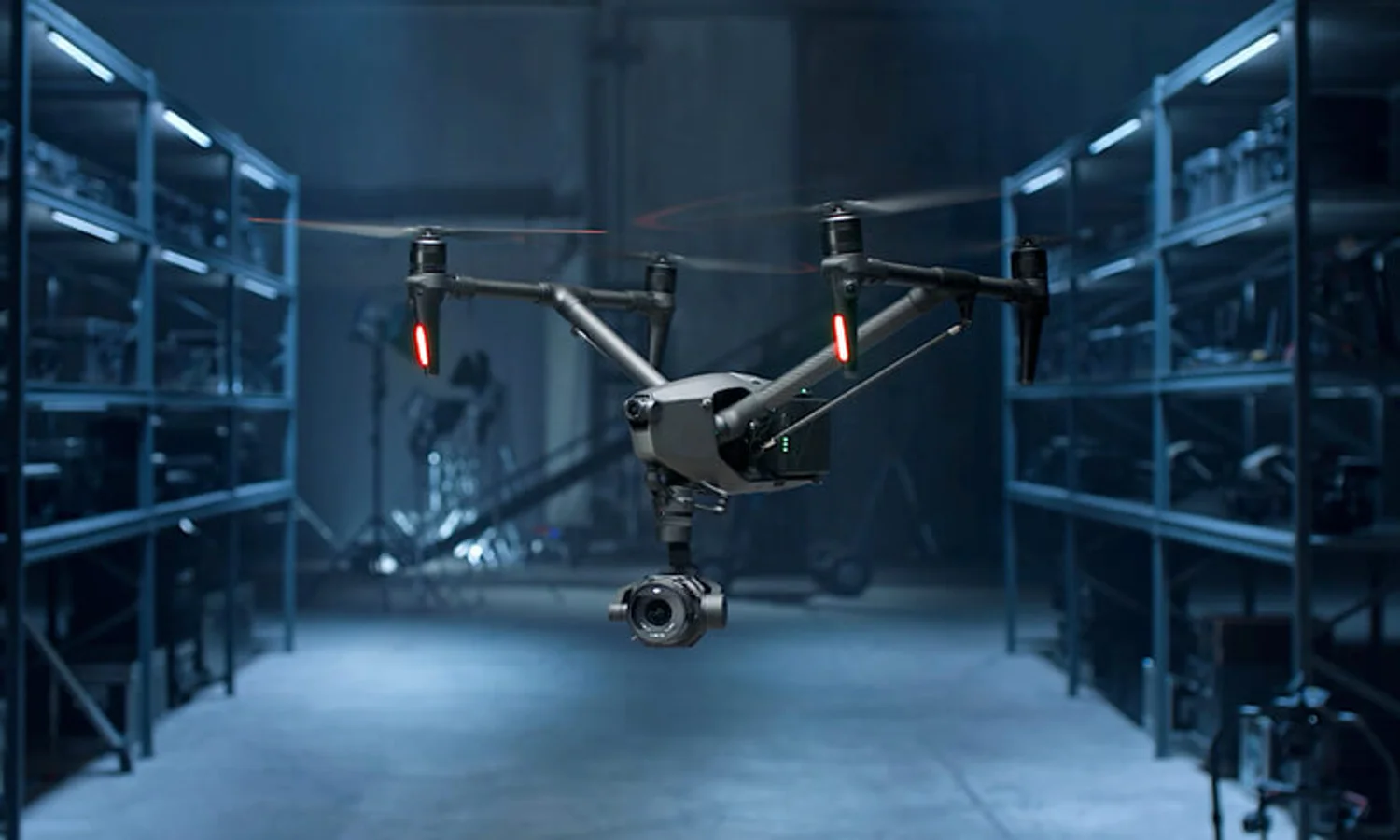
DJI has solidified its position at the forefront of aerial cinematography with the Inspire 3, a full-frame 8K cinema drone engineered for production teams demanding broadcast-quality imagery without compromise. This integrated system combines a 44.7-megapixel full-frame sensor with advanced stabilization, dual-control architecture, and omnidirectional obstacle avoidance into a single platform that transforms how filmmakers approach aerial storytelling. The drone's emergence reflects a fundamental shift in production workflows, where professional-grade imaging no longer requires ground-based equipment or helicopter rentals.
Engineering Dual Control Innovation
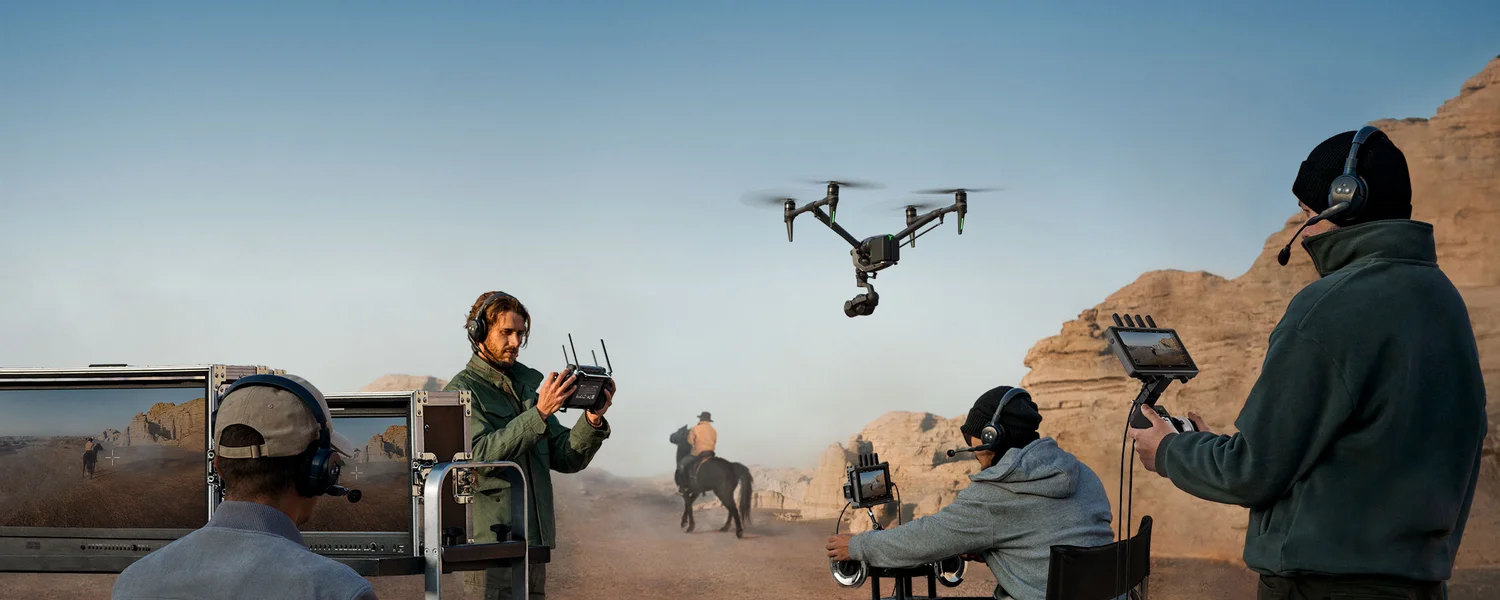
The Inspire 3 introduces a pivotal architectural advancement: dual-operator control that separates camera work from flight dynamics. One pilot manages aircraft movement while a dedicated camera operator controls gimbal orientation, focus, and exposure independently, mirroring traditional cinema crews. This configuration eliminates the cognitive overload of simultaneous flight and framing decisions, enabling operators to execute complex aerial choreography with cinematic precision. The 3-axis gimbal stabilizes footage across all axes while supporting tilt angles up to 55 degrees in emergency brake mode, allowing dramatic perspective shifts within single shots.
Computational Vision Architecture
At the system's core lies the O3 Pro video transmission standard, delivering live 1080p feeds at 60 frames per second across distances exceeding 13 kilometers in optimal conditions. The drone's nine-sensor omnidirectional sensing array combines forward, backward, lateral, upward, and downward binocular vision systems with a dedicated ToF infrared sensor, creating a perception envelope that identifies obstacles from every direction simultaneously. This computational redundancy enables the aircraft to maintain stable hovering even in GPS-denied environments, while the CineCore 3.0 image processing engine handles real-time color grading and tone mapping directly onboard.
Reshaping Production Workflows
Production teams across documentary, commercial, and narrative filmmaking have begun leveraging the Inspire 3 for applications previously reserved for expensive aerial platforms. Surveyors use its centimeter-level RTK positioning for infrastructure inspections, while cinematographers exploit its 8K capture capability to future-proof footage for 4K delivery with substantial digital zoom flexibility. The hot-swappable battery system enables extended shooting sessions without returning to base, while the integrated cinema camera payload eliminates the need for third-party gimbal integration, reducing setup time on location.
Key Specifications and Performance
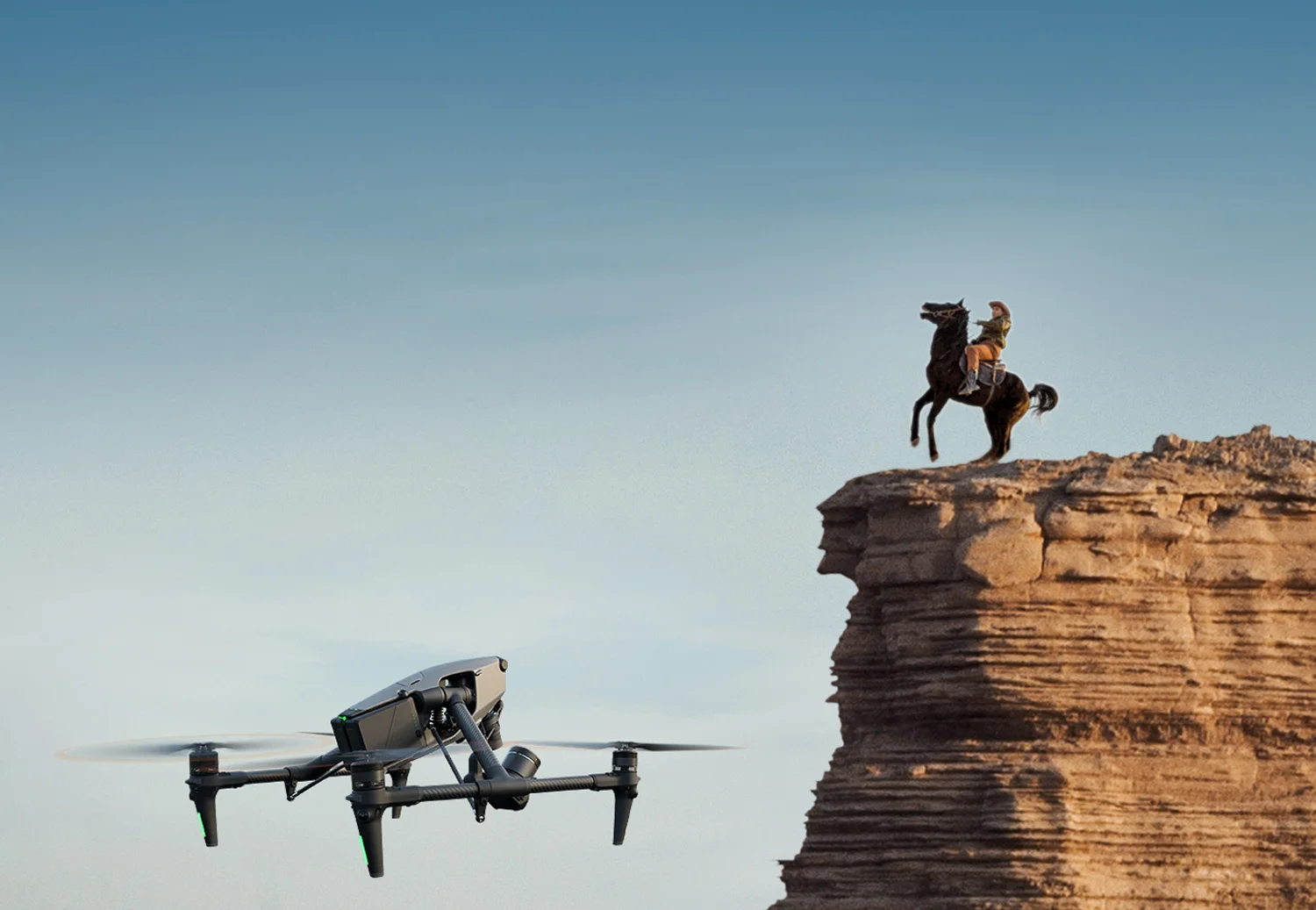
The aircraft weighs 3.99 kilograms at maximum takeoff, delivering 28 minutes of flight time under ideal conditions while maintaining precise control through 200 degrees-per-second pitch and roll rates. Its forward-sensing system measures obstacles from 1.5 to 48 meters away, enabling autonomous flight through complex environments at speeds up to 23 meters per second. The full-frame X9-8K camera captures 8K video in both CinemaDNG and Apple ProRES formats, supporting ISO ranges from 100 to 25,600 for low-light cinematography. Battery management incorporates 300-cycle lifespan engineering, with DJI Pilot 2 software providing intuitive control across both operator stations while GNSS integration spans GPS, BeiDou, and Galileo constellations.
Versus Rivals Breakdown
| Robot | Strengths over DJI Inspire 3 | DJI Inspire 3 Advantages | Weaknesses vs. DJI Inspire 3 |
|---|---|---|---|
| Skydio X2D | Longer endurance in some wind conditions; modular payload system | Full-frame 8K cinema camera integrated; dual-operator architecture; superior gimbal range | Lower video resolution; less stabilization; smaller sensor |
| ANAFI Ai | Compact form factor; lower weight; faster deployment | 8K full-frame imaging; extended flight time; professional dual-control workflow | Limited to 4K video; smaller sensor; reduced gimbal capability |
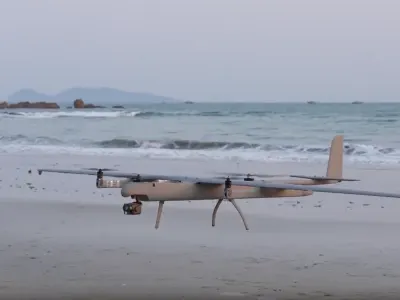
| Dragonfish-25 | Specialized industrial sensors; longer range in specific applications | Cinema-grade stabilization; broadcast-ready color science; real-time processing | Purpose-built for surveys; lacks cinematic features; no 8K capture |
| Autel Alpha | Competitive pricing; simplified operator training | Superior obstacle avoidance; 28-minute flight time; professional gimbal mechanics; RTK precision | Lower resolution imaging; less sophisticated sensing array; single-operator only |
Explore Humanoids
Related Articles
DJI Axes Mavic Mini Support April 2026
DJI Neo Fly More Combo Dominates 2026 Beginner Drone Charts
DJI Air 3 Gains A1 Freedom as 2026 Rules Transform City Flying
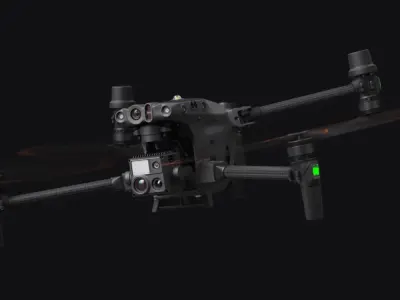
DJI Axes Matrice 200 Support, Urges M30 Series Upgrade
Related Comparisons
Compare DJI Inspire 3 with similar robots
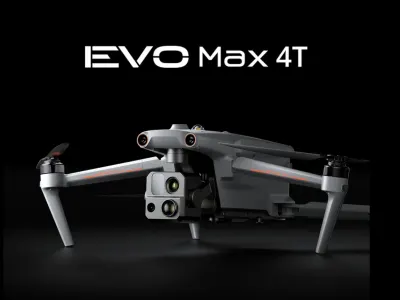
EVO Max 4T vs DJI Matrice 30 series
Which camera drone is better? EVO Max 4T vs DJI Matrice 30 series compared for image quality, battery life, and value.
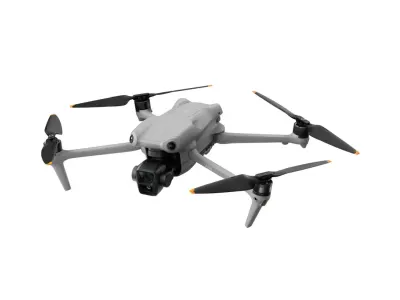
DJI Air 3 vs DJI Air 3S
Compare DJI Air 3 vs DJI Air 3S for camera quality, low-light sensors, obstacle avoidance, battery life, and pro videography outcomes.
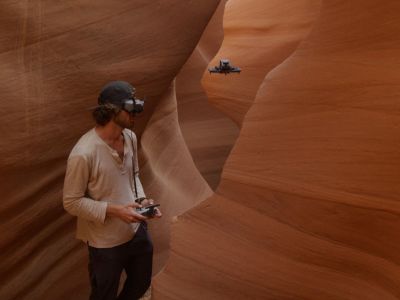
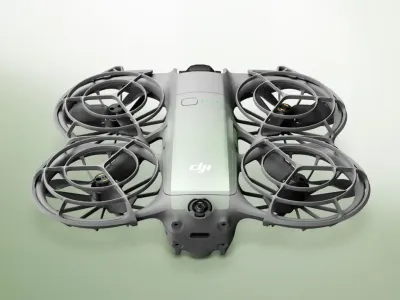
DJI Avata 360 vs DJI Neo 2
DJI Avata 360 vs DJI Neo 2: 8K 360° video, flight time, speed, range, safety and price compared to help you choose between FPV and selfie flying.
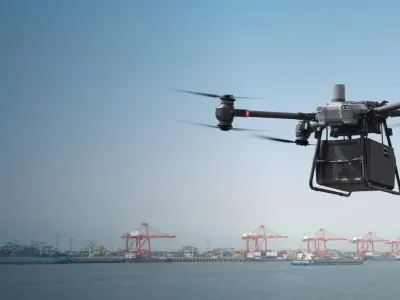
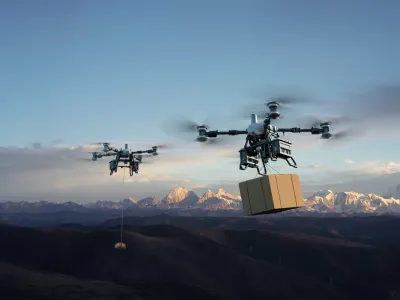
DJI FlyCart 30 vs DJI FlyCart 100
Compare DJI FlyCart 30 and FlyCart 100. Detailed analysis of sensors, navigation, battery lifespan, safety, and payload handling.
Learn More About This Robot
Discover detailed specifications, reviews, and comparisons for DJI Inspire 3.
View Robot Details →