DJI Air 3 Gains A1 Freedom as 2026 Rules Transform City Flying
Robot Details
DJI Air 3 • DJIPublished
March 6, 2026
Reading Time
2 min read
Author
Origin Of Bots Editorial Team
Regulatory Skies Open
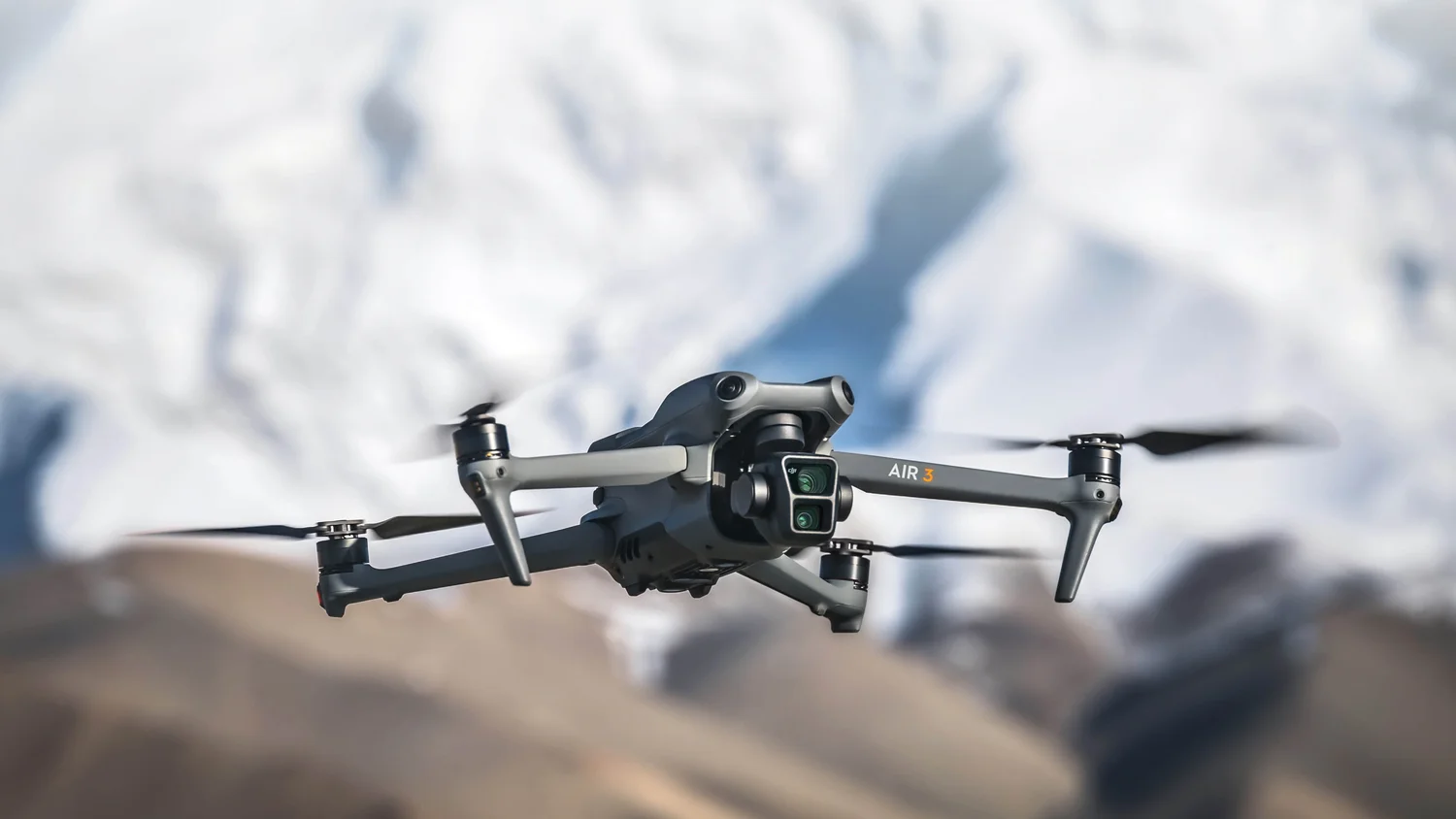
European regulators have certified the DJI Air 3 for A1 subcategory operations under the evolving 2026 drone rules, unlocking urban flights over people and congested areas without special permissions. This pivotal approval positions the 720-gram quadcopter as a frontrunner in compliant city airspace navigation, reshaping how creators and inspectors operate amid stricter EU aviation mandates. Launching operators into freer aerial workflows, the certification arrives just as cities ramp up drone integration for monitoring and delivery, promising safer, routine flights in populated zones.
Urban Flight Enablers
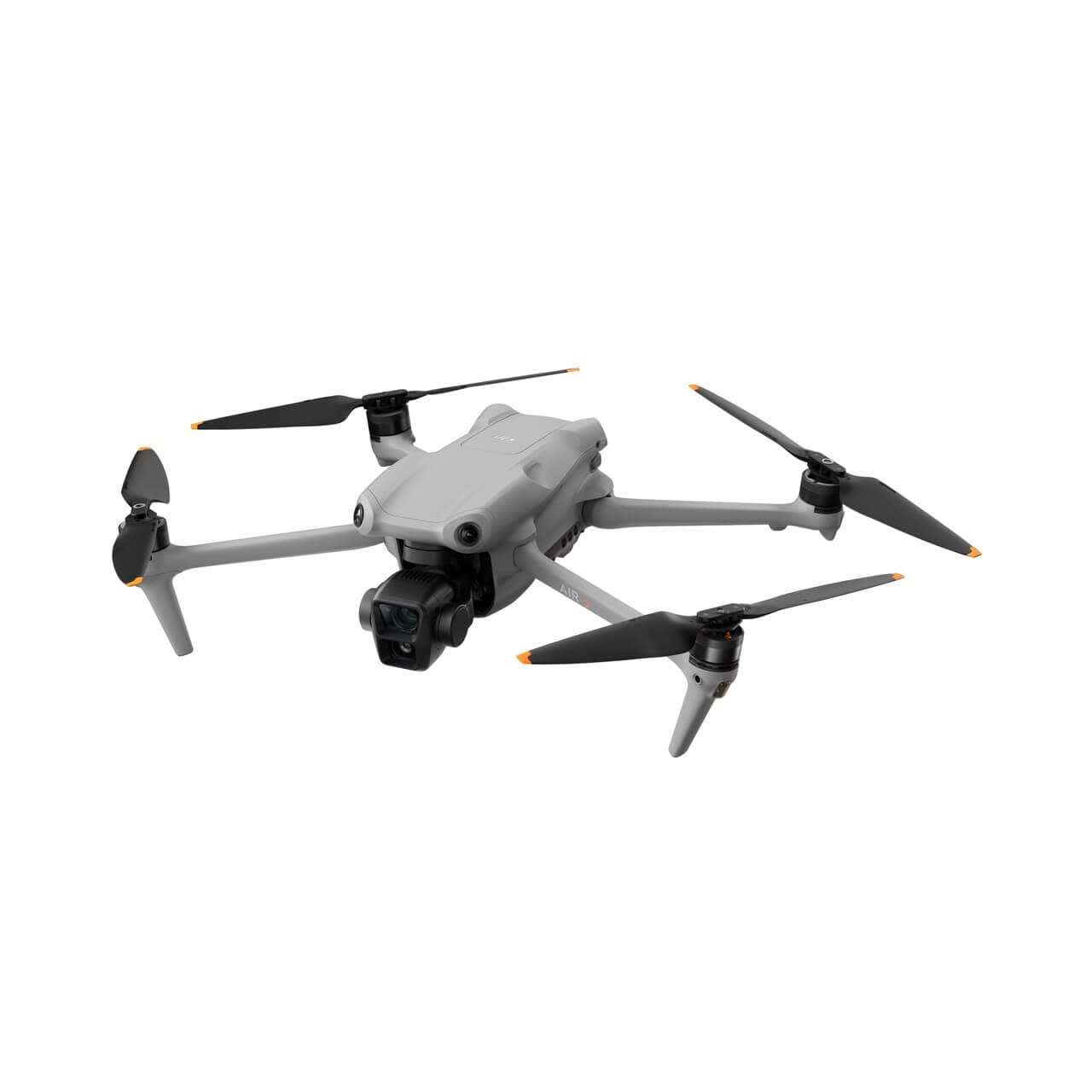
Engineers at DJI crafted the Air 3 with omnidirectional vision sensors and infrared ranging that excel in cluttered cityscapes, enabling precise maneuvering around skyscrapers and crowds. Coupled with APAS 5.0, these systems execute fluid obstacle dodges at speeds up to 21 meters per second, turning potential hazards into seamless paths. Smart RTH and low-battery return features add layers of autonomy, ensuring reliable returns even in signal-challenged downtowns, while the DJI Fly app streamlines mission planning for real-time urban adaptability.
Sensing Tech Leap
At its core, the Air 3 integrates dual primary cameras alongside IMU, compass, and GNSS support including GPS, Galileo, and BeiDou for pinpoint hovering accuracy down to 0.1 meters vertically. Visual positioning fuses with these for rock-steady control in GPS-denied environments like urban canyons. Proprietary firmware powers advanced navigation, making breakthroughs in low-light detection and multi-directional scanning routine, directly supporting the A1 freedom by minimizing collision risks in dynamic airspace.
City Missions Unleashed
Inspectors now deploy the Air 3 for rooftop assessments and traffic surveys, capturing 48MP stills and 4K video without ground crews, while wildlife teams monitor urban parks from safe altitudes. Aerial videographers gain tools for dynamic cityscapes, with 46-minute flights covering extensive shoots. These applications thrive under A1 rules, transforming inspections into efficient, low-risk operations and opening commercial videography to broader urban access.
Specs Power Performance
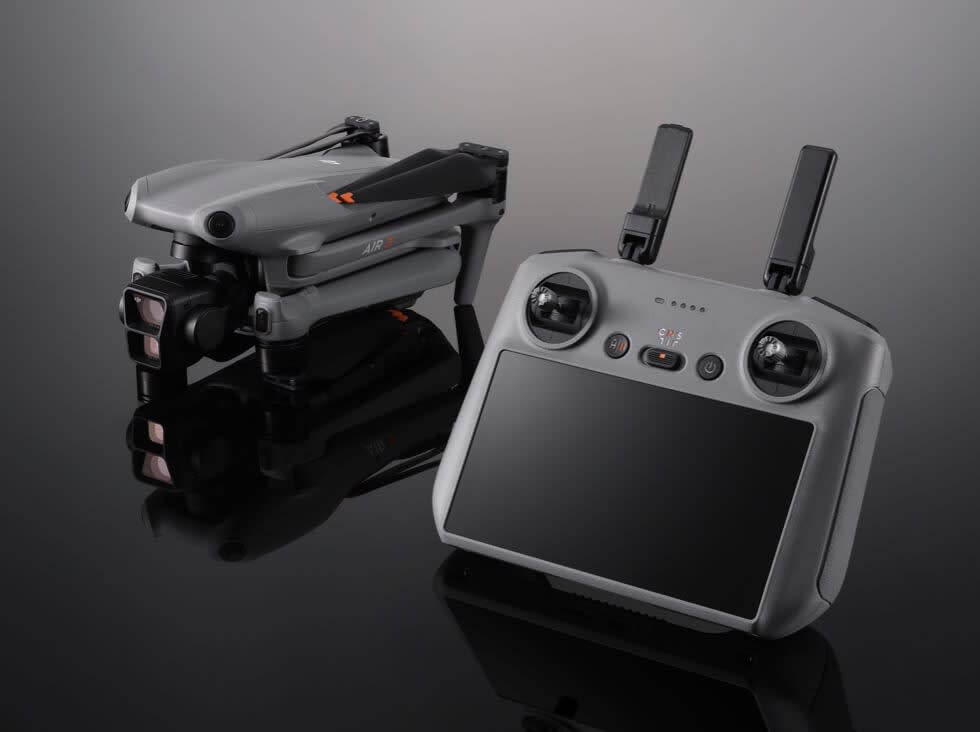
Folding to 207 × 100.5 × 91.1 mm for portability and unfolding to 258.8 × 326 × 105.8 mm, the 0.72 kg droneCamera hits 21 m/s speeds ideal for swift city transits. Battery endures 300-500 cycles for sustained missions, backed by omnidirectional sensors, infrared ranging, IMU, and compass. GNSS, visual positioning, and APAS 5.0 drive navigation, with camera payload enabling pro-grade photography; safety like full avoidance and Smart RTH ensures A1-compliant reliability in dense airspace.
Rivals Edge Check
| Robot | Strengths over DJI Air 3 | DJI Air 3 Advantages | Weaknesses vs. DJI Air 3 |
|---|---|---|---|
| EVO II Pro V3 | Superior 8K video, modular payloads | Lighter 720g, superior omnidirectional sensing | Less refined urban avoidance algorithms |
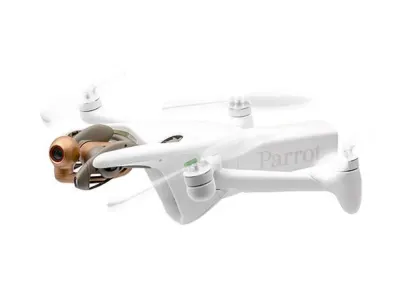
| ANAFI Ai | Faster 25 m/s speed, 4G connectivity | Dual cameras, 46-min flight time | Bulkier unfolded size, shorter range |
| DJI Avata 3 | FPV immersion, 4K/100fps slow-mo | A1 certification, telephoto zoom | CineWhoop design limits inspection range |
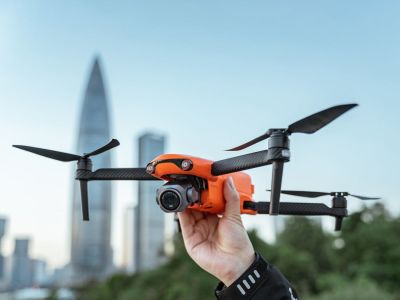
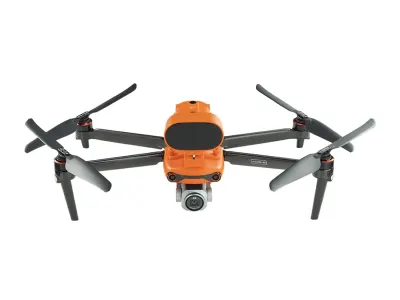
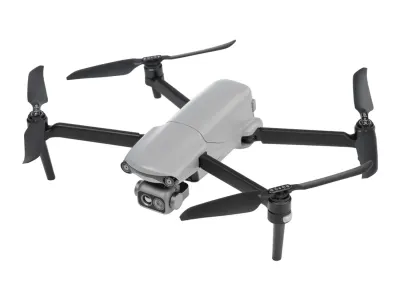
| EVO Lite Enterprise Series | Thermal imaging standard, enterprise ruggedness | Cheaper consumer price, APAS 5.0 smarts | No medium tele, heavier at 835g |
Explore Humanoids
Related Articles
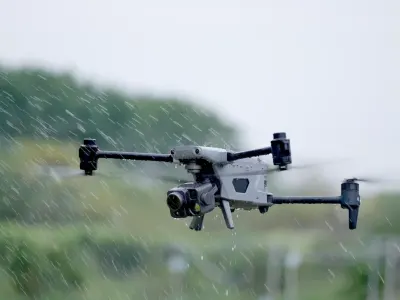
Autel Alpha Unveils Enterprise Drone Powerhouse
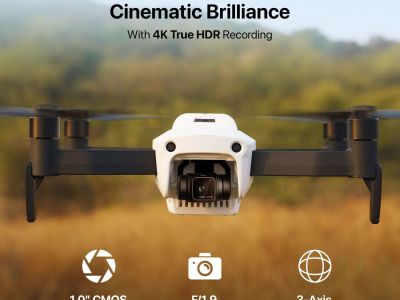
IZI Spectra Drone Redefines 4K Filmmaking with 102-Min Flights

DJI Axes Mavic Mini Support April 2026
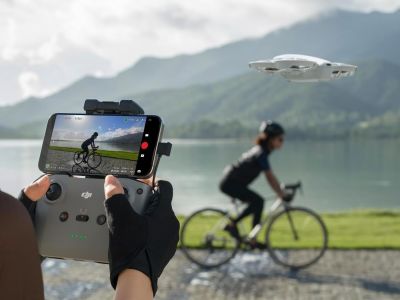
DJI Neo Fly More Combo Dominates 2026 Beginner Drone Charts
Related Comparisons
Compare DJI Air 3 with similar robots
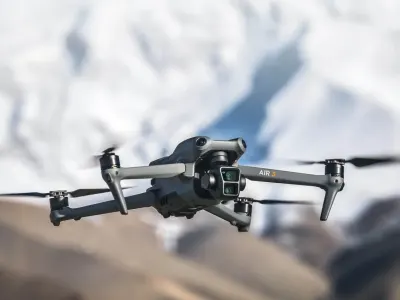
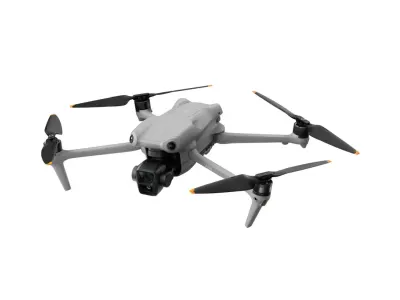
DJI Air 3 vs DJI Air 3S
Compare DJI Air 3 vs DJI Air 3S for camera quality, low-light sensors, obstacle avoidance, battery life, and pro videography outcomes.
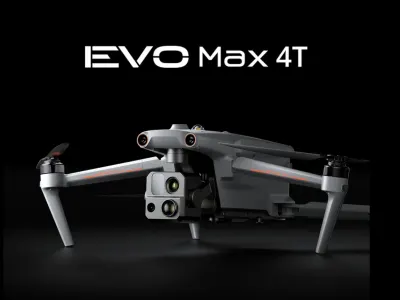
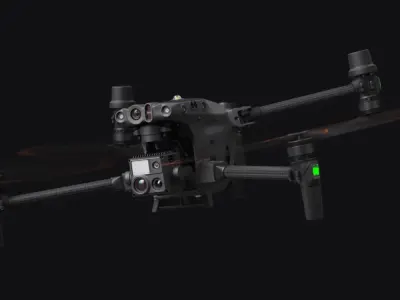
EVO Max 4T vs DJI Matrice 30 series
Which camera drone is better? EVO Max 4T vs DJI Matrice 30 series compared for image quality, battery life, and value.
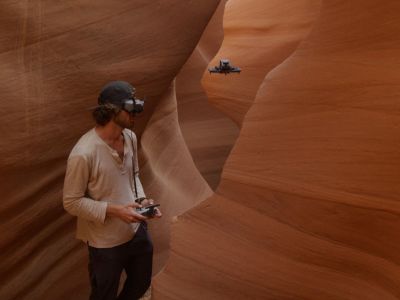
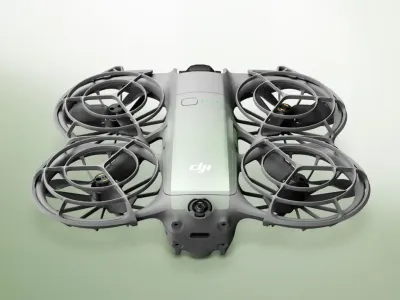
DJI Avata 360 vs DJI Neo 2
DJI Avata 360 vs DJI Neo 2: 8K 360° video, flight time, speed, range, safety and price compared to help you choose between FPV and selfie flying.
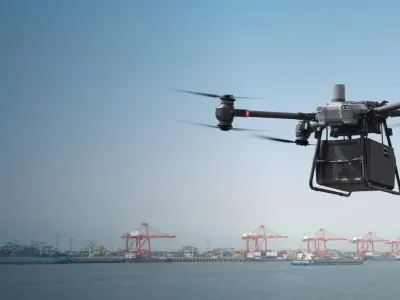
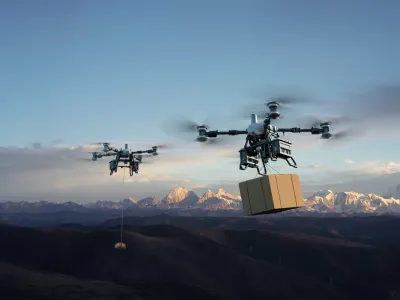
DJI FlyCart 30 vs DJI FlyCart 100
Compare DJI FlyCart 30 and FlyCart 100. Detailed analysis of sensors, navigation, battery lifespan, safety, and payload handling.
Learn More About This Robot
Discover detailed specifications, reviews, and comparisons for DJI Air 3.
View Robot Details →