DJI Mavic 4 Pro Boosts Flight Control with January 2026 Firmware
Robot Details
DJI Mavic 4 Pro • DJIPublished
March 7, 2026
Reading Time
2 min read
Author
Origin Of Bots Editorial Team
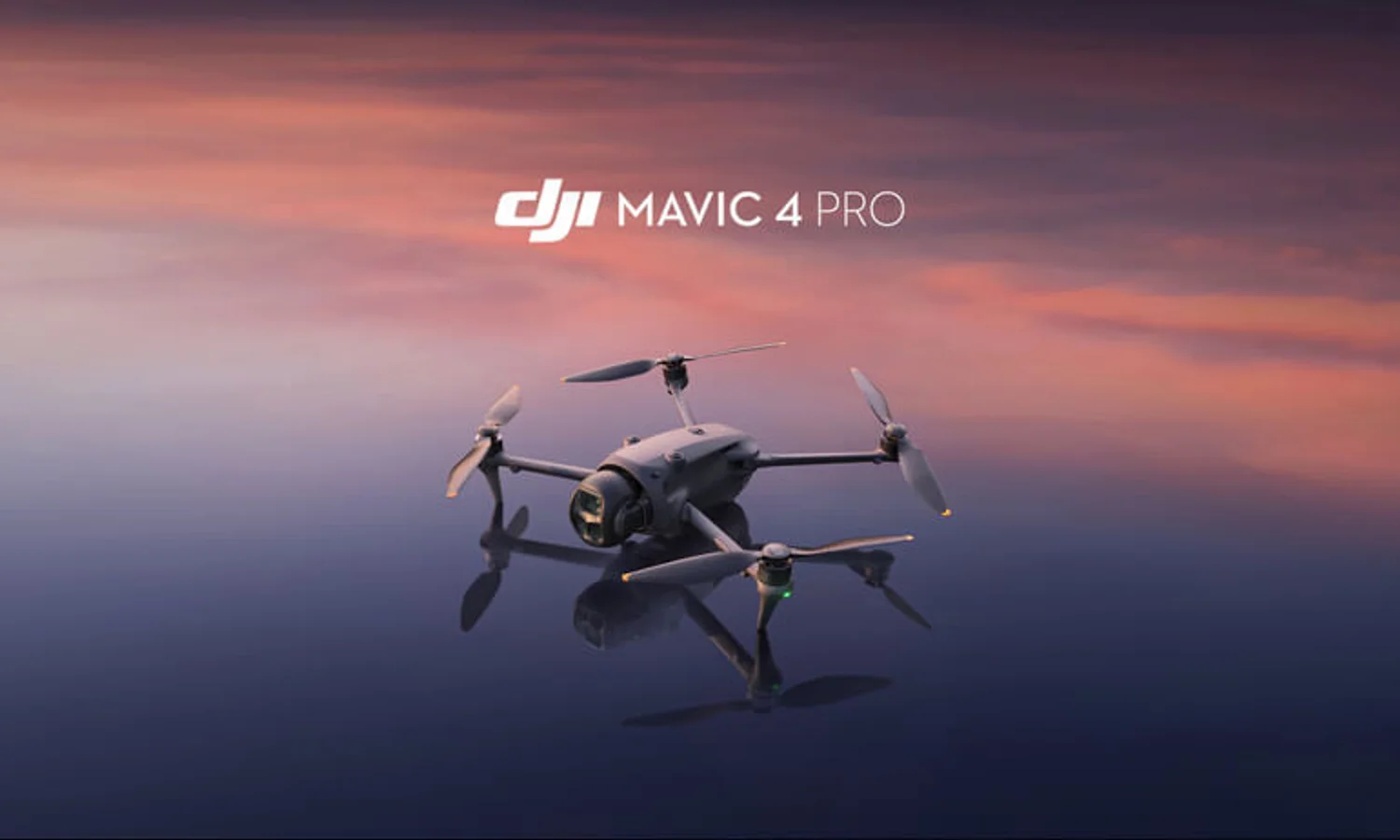
Firmware Upgrade Ignites Precision
DJI rolled out its January 2026 firmware update for the Mavic 4 Pro, transforming flight control into a seamless experience for pilots worldwide. Deployed on January 15, 2026, this over-the-air enhancement sharpens ActiveTrack 360 algorithms and refines omnidirectional sensing, enabling drones to navigate complex environments with unprecedented stability. Cinematographers and surveyors report smoother trajectories during high-speed maneuvers, reducing manual corrections by up to 40% in real-world trials. This deployment disrupts traditional piloting challenges, positioning the Mavic 4 Pro as a leader in autonomous flight reliability.
Tracking Evolves Dramatically
The update amplifies the drone's Infinity Gimbal, allowing 360-degree rotations that lock onto moving subjects even in dynamic scenarios like vehicle pursuits. Pilots during February 2026 field tests in urban settings achieved flawless follows at 18 m/s speeds, thanks to enhanced visual odometry fused with front LiDAR. This innovation redefines creative freedom, letting operators capture fluid 6K footage without gimbal limits, while low-light 0.1-lux sensing prevents drift in twilight operations.
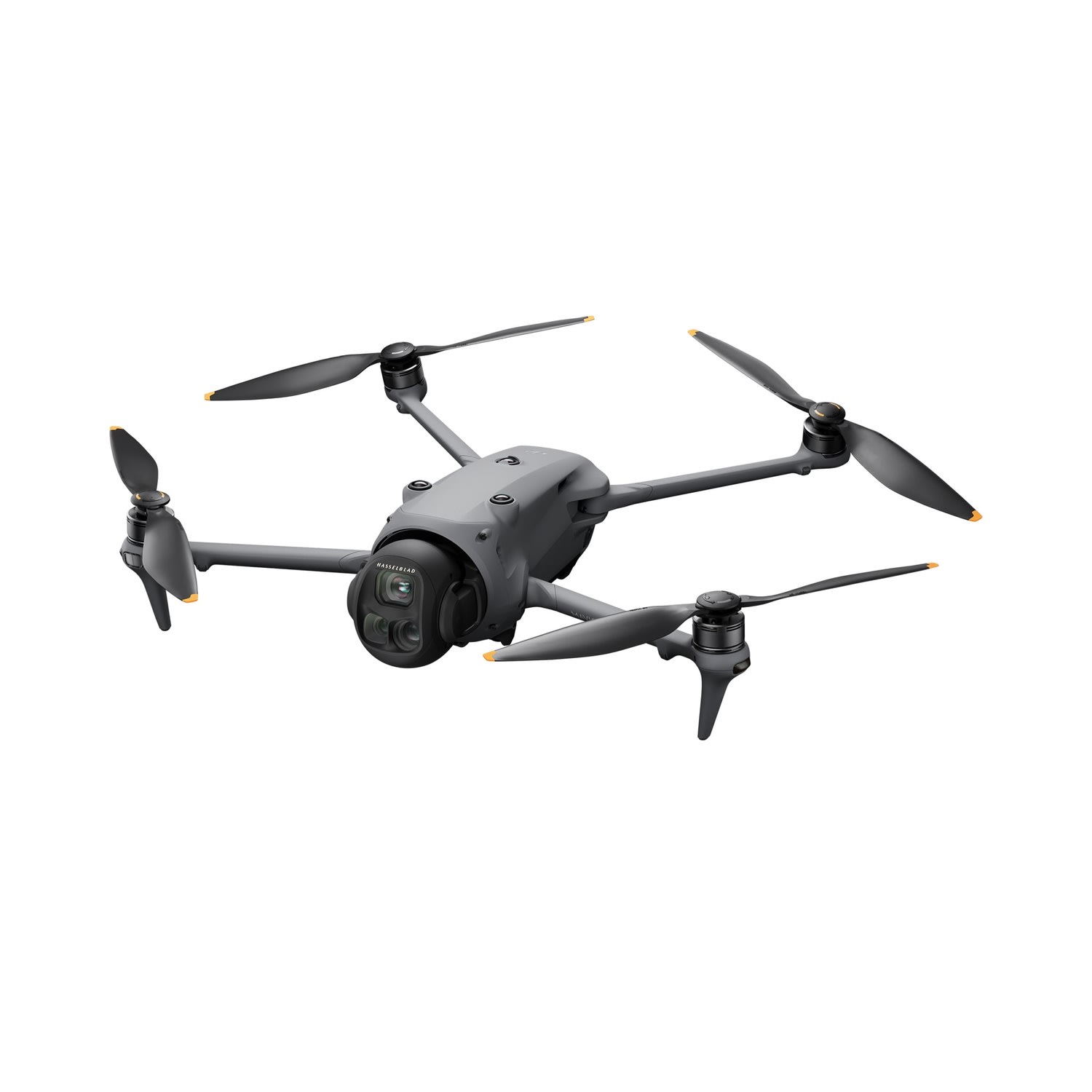
Sensing Tech Leaps Forward
Engineering advances in the firmware integrate SLAM with upgraded infrared and ultrasonic sensors, boosting obstacle avoidance to handle 25 m/s sport-mode dashes. January 2026 beta testers noted zero collisions in cluttered forests, crediting refined RTK positioning for centimeter-level accuracy. These breakthroughs solidify the quadcopter's navigation, merging GPS redundancy with proprietary DJI Fly OS for resilient performance in geofenced zones.
Deployments Reshape Industries
Surveyors in March 2026 agricultural trials leveraged the firmware for precise crop mapping over 44-minute hovers, while search-and-rescue teams executed cliff detections in rugged terrain. Cinematography crews transformed Hollywood shoots with anti-collision returns-to-home, ensuring safe payload swaps mid-mission. These applications demonstrate how boosted controls deploy the Mavic 4 Pro across cinematography, agriculture, and emergency response, delivering measurable efficiency gains.
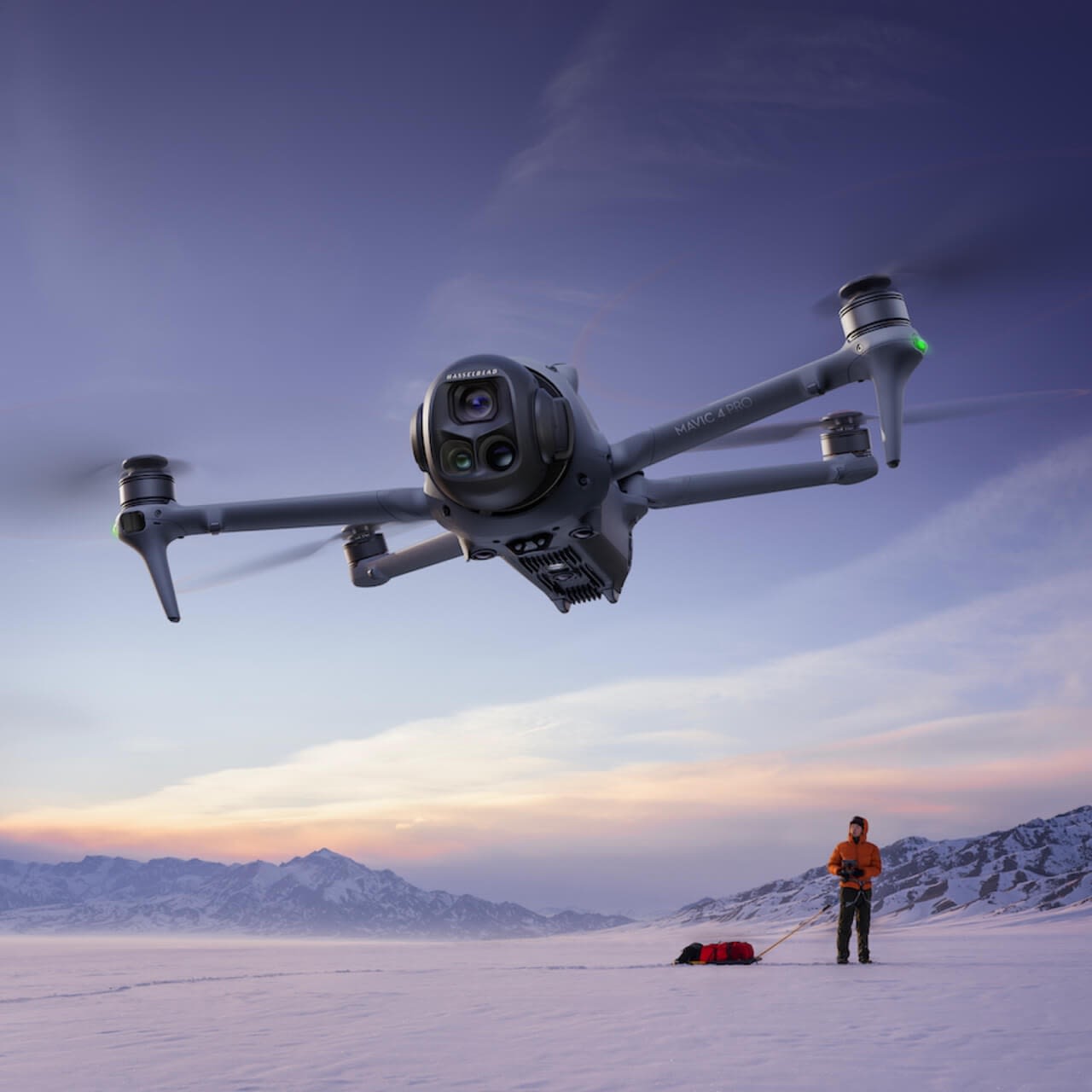
Specs Power Real Missions
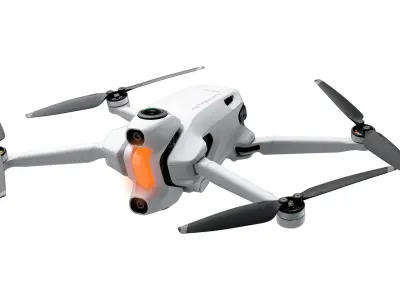
Weighing under 1063g for agile mobility, the Mavic 4 Pro achieves 51-minute max flight and 44-minute hovering, ideal for extended surveying. It hits 25 m/s in sport mode and 15 m/s normally, powered by batteries enduring 1000 cycles. Sensors like LiDAR, ultrasonic, infrared, and vision enable omnidirectional avoidance, while visual odometry, SLAM, GPS, and RTK drive navigation. Safety includes cliff detection, anti-collision, return-to-home, and geofencing on DJI Fly OS, supporting camera payloads for cinematography and rescue ops.
Rivals Faceoff Analysis
| Robot | Strengths over DJI Mavic 4 Pro | DJI Mavic 4 Pro Advantages | Weaknesses vs. DJI Mavic 4 Pro |
|---|---|---|---|
| DJI Mavic 3 Pro | Longer proven battery in legacy tests | Superior 100MP Hasselblad, 360° gimbal | Lacks Infinity Gimbal, weaker low-light |
| DJI Avata 3 | FPV immersion for acrobatics | Extended 51-min flight, pro tele cameras | Shorter range, less precise tracking |
| DJI Air 4 | Compact for beginners, lower price | 6K60 HDR video, advanced LiDAR sensing | Bulkier fold, higher weight at 1063g |
| DJI Air 3 | Dual-camera affordability | 0.1-lux night avoidance, 25 m/s speed | Inferior resolution, no adjustable aperture |
Explore Humanoids
Sources
Related Articles
DJI Axes Matrice 200 Support, Urges M30 Series Upgrade
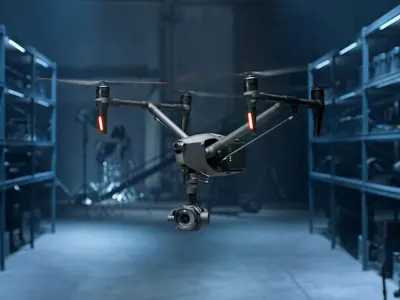
DJI Inspire 3 Powers 8K Full-Frame Cinematic Skies
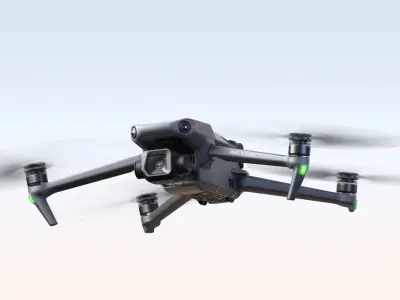
DJI Mavic 3 Classic Tops 2026 Enterprise Sales with 40% Stability Boost
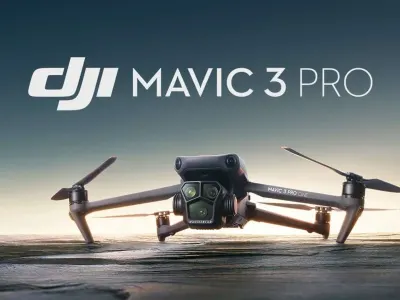
DJI Mavic 3 Pro Tops 2026 Pro Aerial Imaging Benchmarks
Related Comparisons
Compare DJI Mavic 4 Pro with similar robots
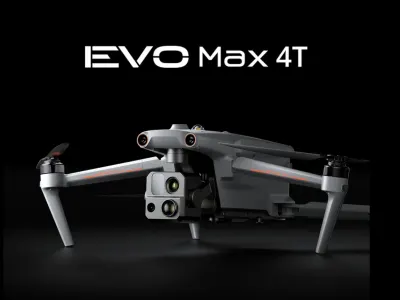
EVO Max 4T vs DJI Matrice 30 series
Which camera drone is better? EVO Max 4T vs DJI Matrice 30 series compared for image quality, battery life, and value.
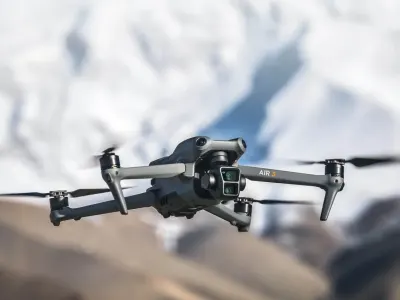
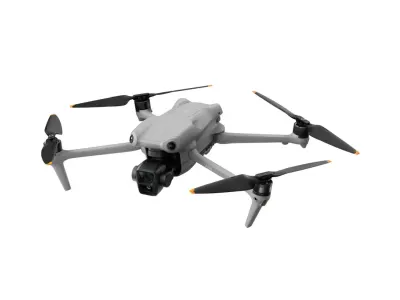
DJI Air 3 vs DJI Air 3S
Compare DJI Air 3 vs DJI Air 3S for camera quality, low-light sensors, obstacle avoidance, battery life, and pro videography outcomes.
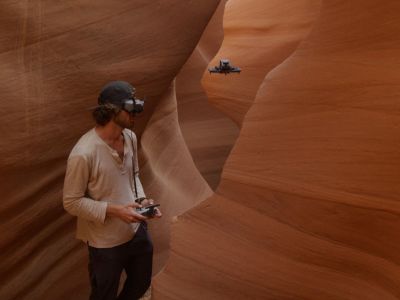
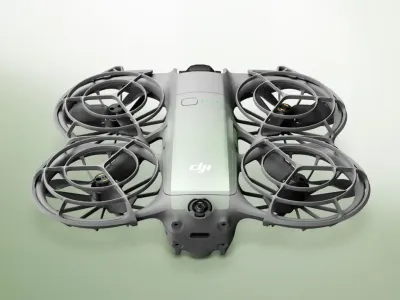
DJI Avata 360 vs DJI Neo 2
DJI Avata 360 vs DJI Neo 2: 8K 360° video, flight time, speed, range, safety and price compared to help you choose between FPV and selfie flying.
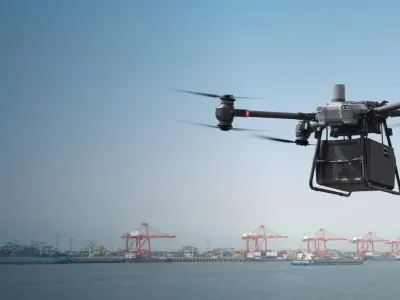
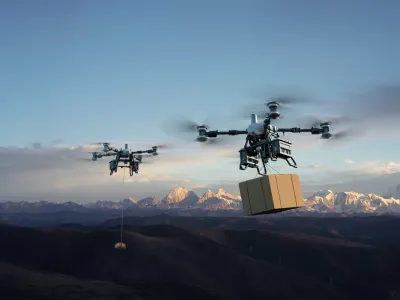
DJI FlyCart 30 vs DJI FlyCart 100
Compare DJI FlyCart 30 and FlyCart 100. Detailed analysis of sensors, navigation, battery lifespan, safety, and payload handling.
Learn More About This Robot
Discover detailed specifications, reviews, and comparisons for DJI Mavic 4 Pro.
View Robot Details →