ALLEX Sparks Mass Production Inquiries Post-Launch
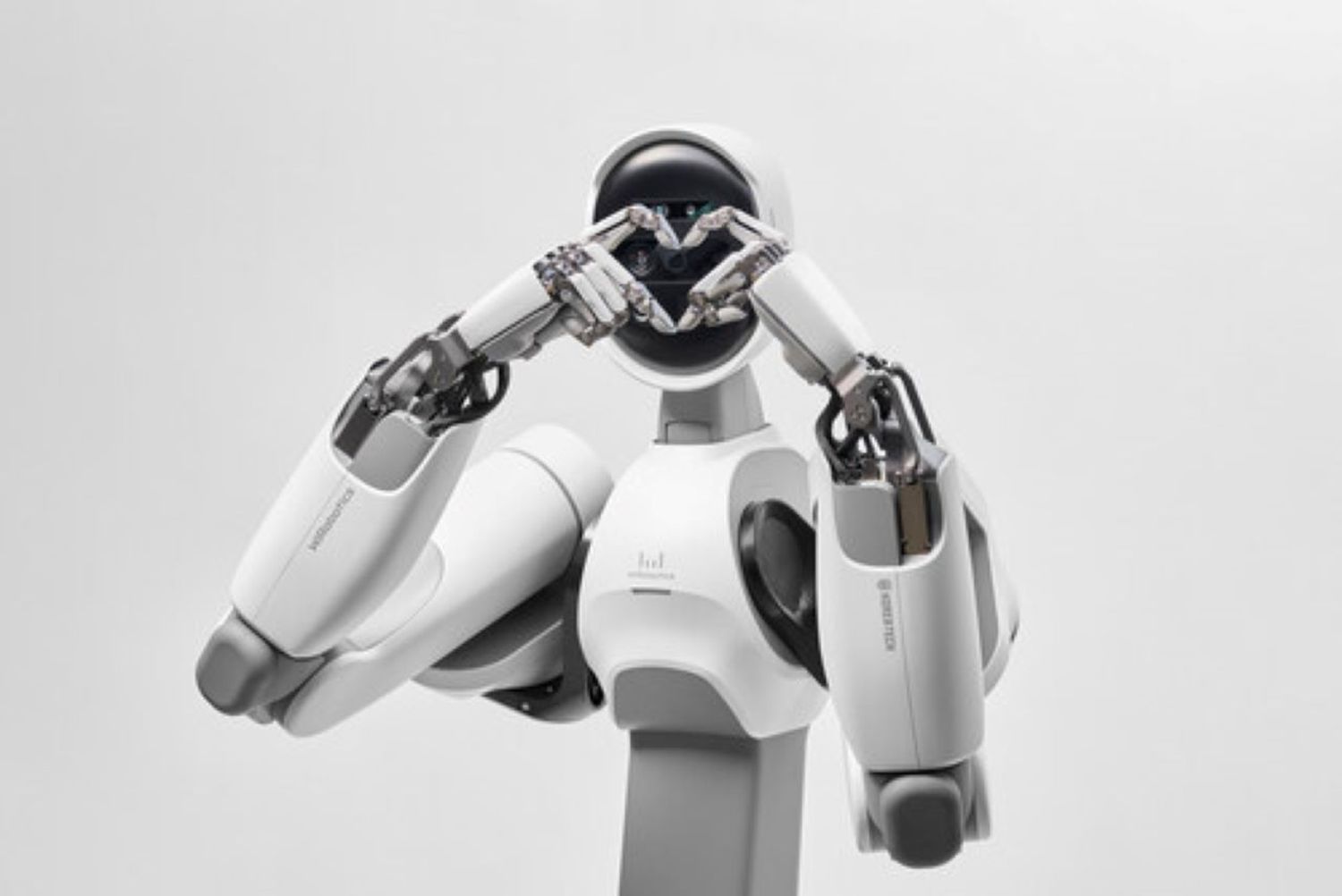
Launch That Matters
WIRobotics has officially launched ALLEX and says early demonstrations have already generated mass production inquiries, marking a pivotal commercial pivot for the startup; the company announced a targeted entry price around the mid five-figure range to position ALLEX between research platforms and service-grade humanoids. The unveiling—staged at a university innovation hub and widely shared in industry previews—matters because ALLEX pairs human-like manipulation with whole-body compliance, a combination investors and integrators flagged as a readiness signal for scaled deployments in service, manufacturing, and medical support contexts.
What Sets It Apart
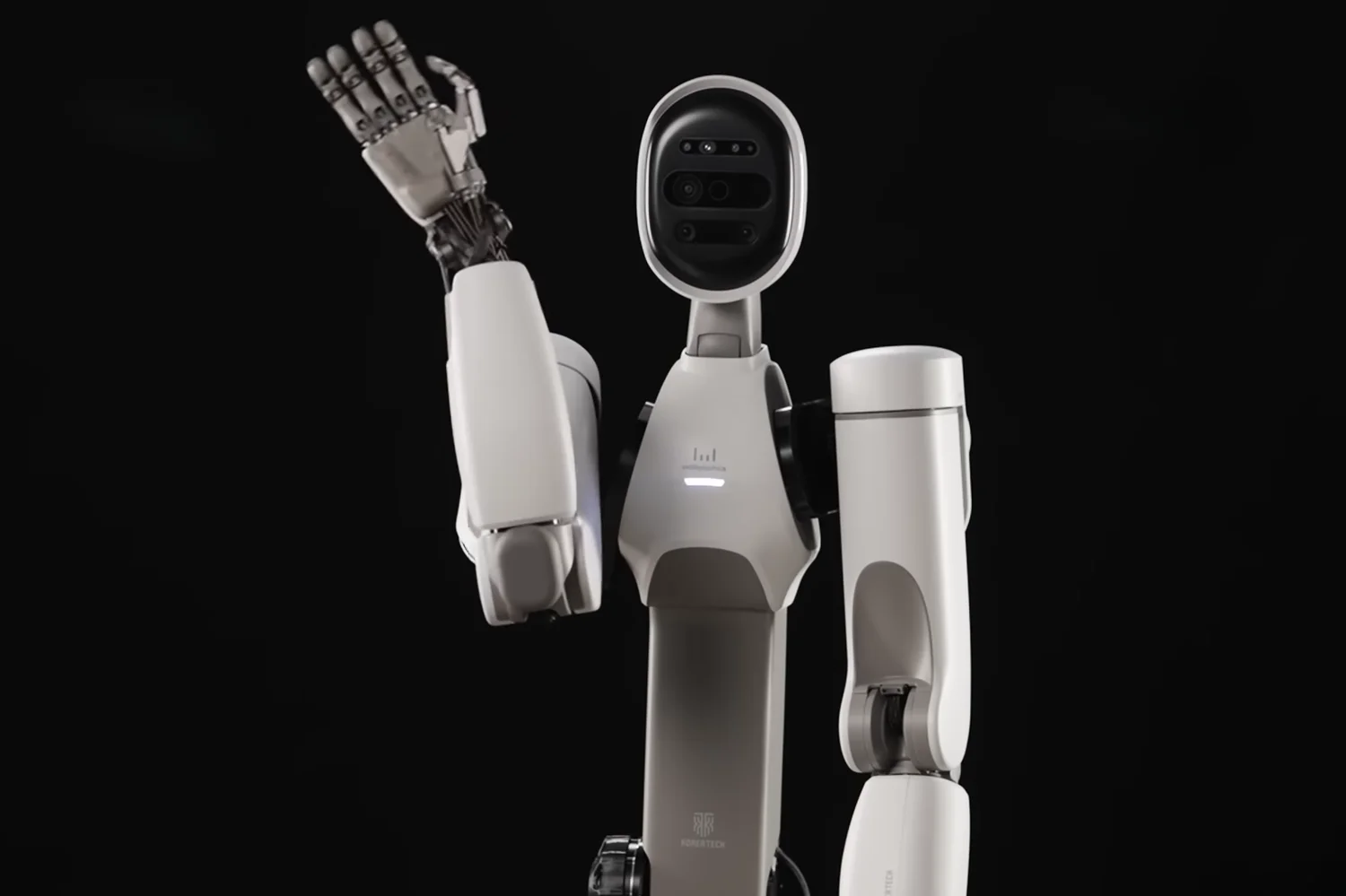
ALLEX distinguishes itself by combining ultra-low-friction, backdrivable arms with a 15-DOF human-sized hand that senses tiny reaction forces without separate tactile skins, enabling tasks that span delicate manipulation to substantial hook-grip loads; the hand delivers up to 40 N fingertip force and a hook grip over 30 kg while weighing about 700 g, blending finesse and strength. Additionally, gravity compensation in the torso and whole-body force-aware control reduce energy use and permit safer, more fluid interactions with people and objects—traits that unlock use cases conventional cobots struggle to handle.
Engineering Leap
Under the hood ALLEX brings several engineering advances: actuators with more than tenfold lower friction and rotational inertia than typical collaborative arms, inherently compliant control that yields force-based interaction across arms, fingers, and waist without discrete force sensors, and a gravity-compensated upper body that lightens control loads. These breakthroughs shrink the sim-to-real gap for machine-learning policies, letting models trained in simulation transfer more reliably to physical tasks and enabling adaptive behaviors previously reserved for research labs.
Practical Deployment Cases
Early field scenarios focus on hybrid roles—assisting clinicians with non-invasive handling of supplies, performing repetitive but delicate assembly tasks on factory lines, and acting as a household aide for chores like folding and handling fragile items—because ALLEX’s mix of dexterity and compliance reduces risk in close human contact. Integrators are also testing it as a mobile manipulator for logistics: fetching small packages, moving tools across workcells, and supporting light industrial components handling where precise grip and safe interaction are required.
Measured Capabilities Up Close
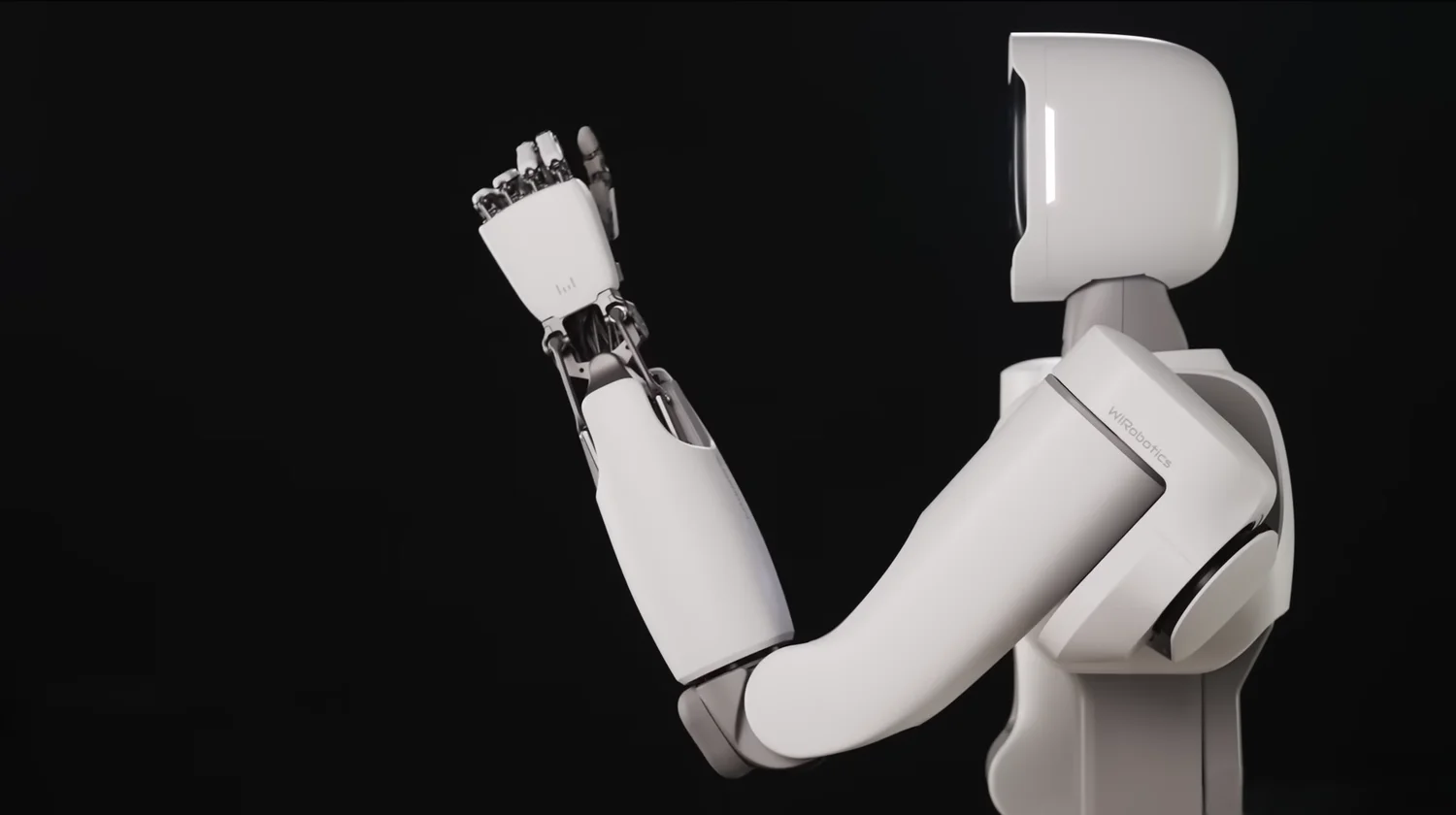
The platform’s dimensions run approximately 170 cm tall by 60 cm wide and 40 cm deep, and its mobility can be configured as bipedal humanoid or with a wheeled base option; estimated top walking speed is roughly 1.2 km/h, reflecting safe indoor transit rather than sprinting. Power is designed around lithium-ion packs whose typical lifespan is estimated at 3–5 years under normal use. Sensor suites include RGB and depth cameras, LiDAR, ultrasonic and proximity sensors, force sensing across the structure, IMUs, and optional GPS for outdoor work; navigation relies on LiDAR-based SLAM, visual odometry, and inertial navigation. Software runs on a Linux-based OS with ROS middleware and C++/Python APIs, and safety features include emergency stops, advanced obstacle avoidance, compliant joints, force sensing for safe interaction, and gravity compensation for load handling.
Head-to-Head Verdict
Compared with Walker S1, Astribot S1, Galbot G1, and AgiBot G2, ALLEX’s strongest advantages are its high-DOF hand and whole-body compliance that enable nuanced force-aware manipulation not widely offered by competitors; its backdrivable, ultra-low-inertia actuators give it smoother, humanlike motion. Trade-offs include a modest walking speed and likely higher unit cost versus simpler wheeled manipulators—competitors with dedicated wheeled platforms may outpace ALLEX in payload throughput and raw speed. In short, ALLEX excels where precise, safe physical interaction matters; rivals may still be preferable for high-speed logistics or cost-sensitive bulk deployments.
Industry Ripple Effects
The market reaction so far suggests ALLEX could accelerate adoption of compliant humanoids in service and clinical roles by reducing integration friction for physical AI workflows, prompting systems integrators to revisit use-case economics and sparking supplier interest in modular components; inquiries about mass production indicate downstream players are already planning trials and pilot fleets. If WIRobotics moves from prototype demos to reliable production and support, ALLEX could nudge the industry toward hybrid humanoid–mobile solutions that emphasize safe contact-rich tasks over pure speed, reshaping procurement priorities for the next wave of robotic assistants.
Explore Humanoids

Related Articles
XMAN-F1 Partners Johnnie Walker, M104 for AI Bartending Breakthrough
RobotEra L7 Racing Into Warehouses: 14.4 km/h Humanoid Cuts Picking Costs with ERA‑42 Deal

Clone’s Protoclone V1 Mirrors Human Muscles with 1,000 Myofibers, 500 Sensors
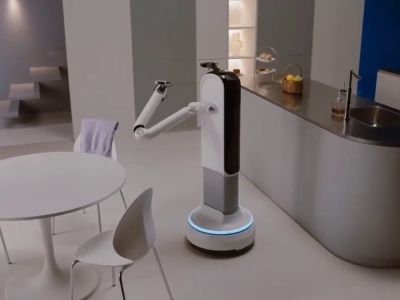
Samsung Bot Handy 2 Integrates Google Gemini, Boosts Dexterity with 3kg Dual-Arm Grip
Related Comparisons
Compare ALLEX with similar robots

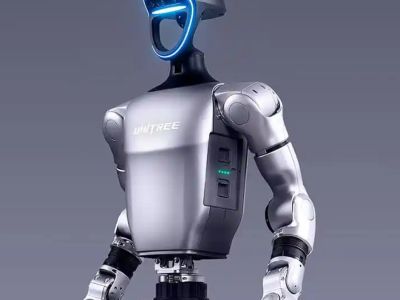
Optimus vs Unitree G1
Compare Optimus vs Unitree G1 for humanoid mobility, dexterity, autonomy, and payload capacity.
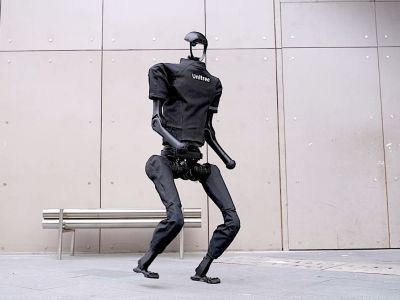
Unitree G1 vs Unitree H1
Head-to-head: Unitree G1 vs Unitree H1 compared on bipedal balance, AI learning, and real-world deployment.
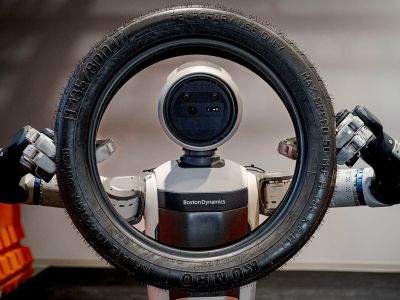
Optimus vs Atlas (Electric Atlas, 2025)
In-depth comparison of Optimus and Atlas (Electric Atlas, 2025), covering hardware capabilities, teleoperation, and enterprise readiness.

Ameca vs Moya
Which humanoid robot is better? Ameca vs Moya compared for dexterity, AI capabilities, and price.
Learn More About This Robot
Discover detailed specifications, reviews, and comparisons for ALLEX.
View Robot Details →