Autel Dragonfish Pro Masters Ship Landings in 2025 Upgrade
Robot Details
Dragonfish Pro • Autel RoboticsPublished
February 5, 2026
Reading Time
2 min read
Author
Origin Of Bots Editorial Team
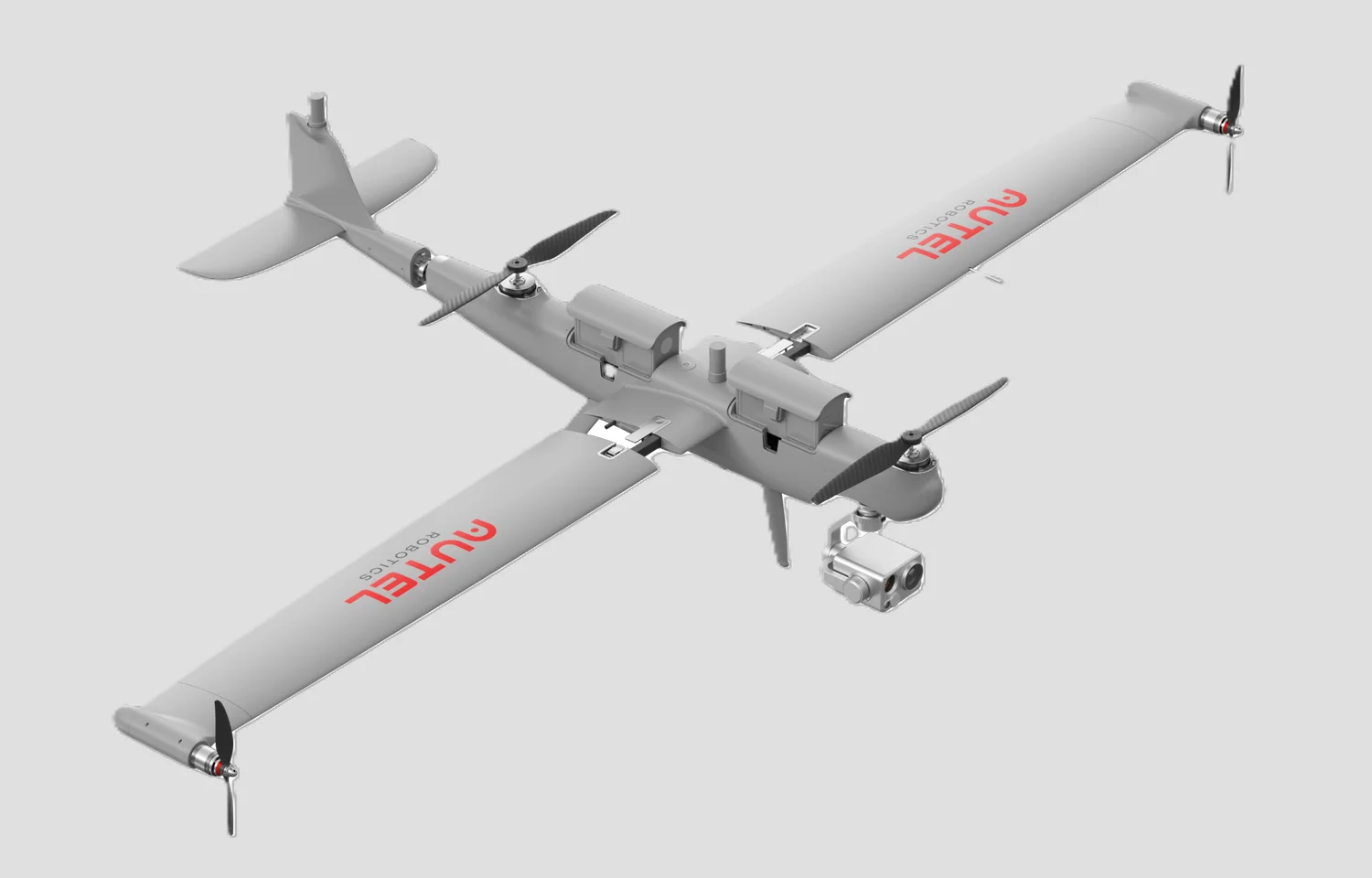
Pro Upgrade Debuts
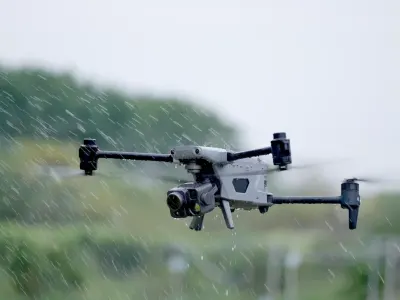
Autel Robotics announces a pivotal 2025 software upgrade for the Dragonfish Pro, introducing precision ship landing capabilities that transform maritime operations. This enhancement leverages advanced VTOL controls and AI-driven positioning to enable safe, autonomous touchdowns on moving vessels, even in choppy seas. Industry experts hail it as a breakthrough for naval surveillance and offshore rescue, slashing deployment risks and boosting response times amid rising demand for reliable sea-based drone missions.
Landing Precision Redefined
The upgrade equips Dragonfish Pro with refined one-button takeoff and landing sequences tailored for dynamic ship decks, incorporating real-time wind compensation and deck motion prediction. Operators report seamless transitions from fixed-wing cruising to multi-rotor hovers, minimizing human error during high-stakes recoveries. This innovation builds on the drone's tilt-rotor heritage, ensuring stability on pitching surfaces up to 15 m/s wind gusts in fixed-wing mode.
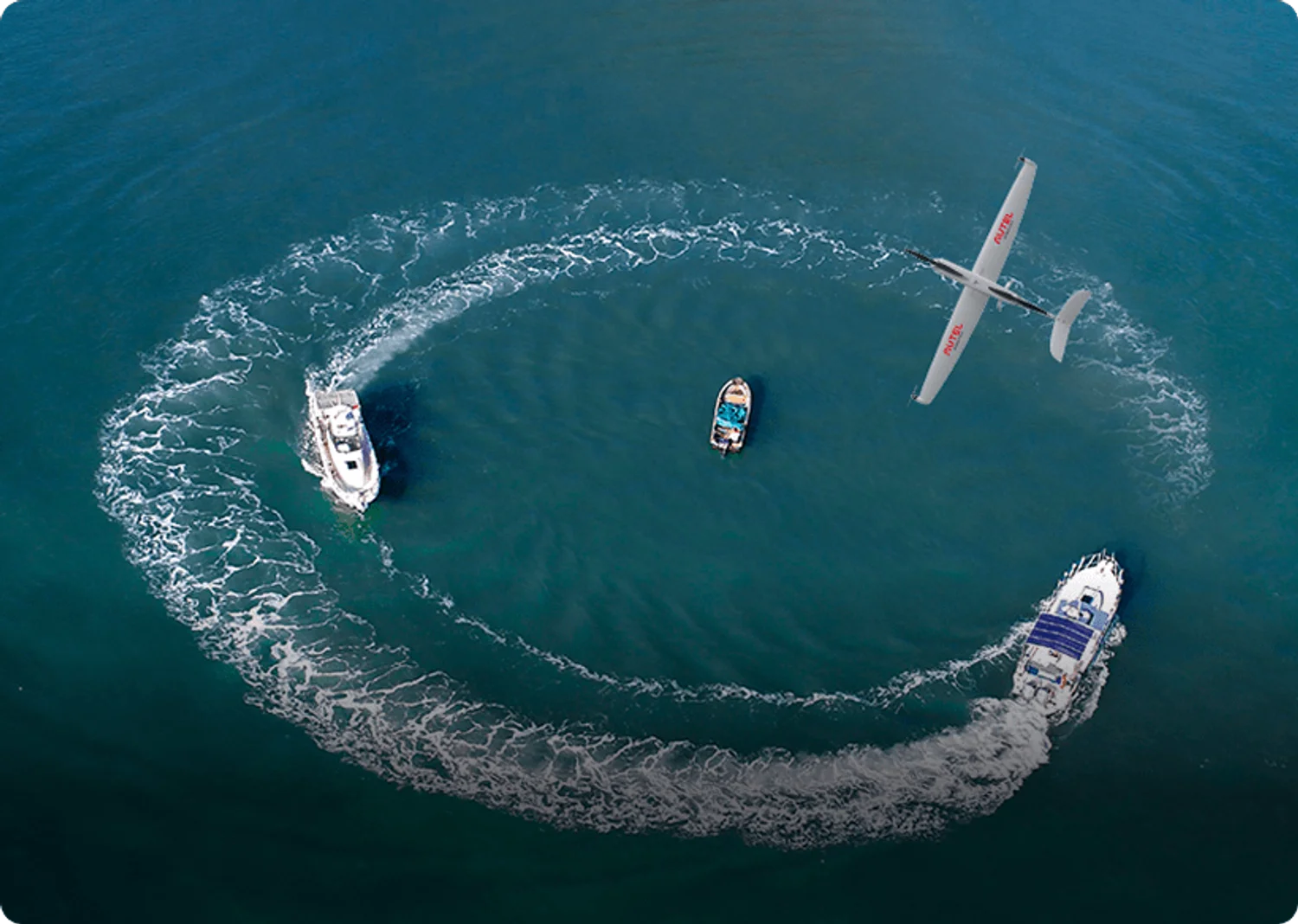
AI Navigation Leap
Engineers at Autel integrated upgraded RTK modules with visual odometry and laser rangefinders for centimeter-level accuracy over undulating ocean waves. Dual-redundant CAN bus systems shield against saltwater interference, while vigilant AI performs pre-landing health checks in seconds. These advances extend the Pro's hybrid flight logic, automatically switching modes to avert stalls near vessels, redefining reliability in harsh marine environments.
Maritime Missions Transformed
Public safety teams now deploy Dragonfish Pro for rapid shipboard inspections, thermal scans of hull breaches, and emergency supply drops during storms. Energy firms inspect offshore rigs without crew exposure, while mining operations monitor coastal conveyors from afar. The upgrade accelerates surveillance over vast fleets, mapping debris fields post-collision, and supporting search-and-rescue with 50x zoom targeting distant lifeboats.
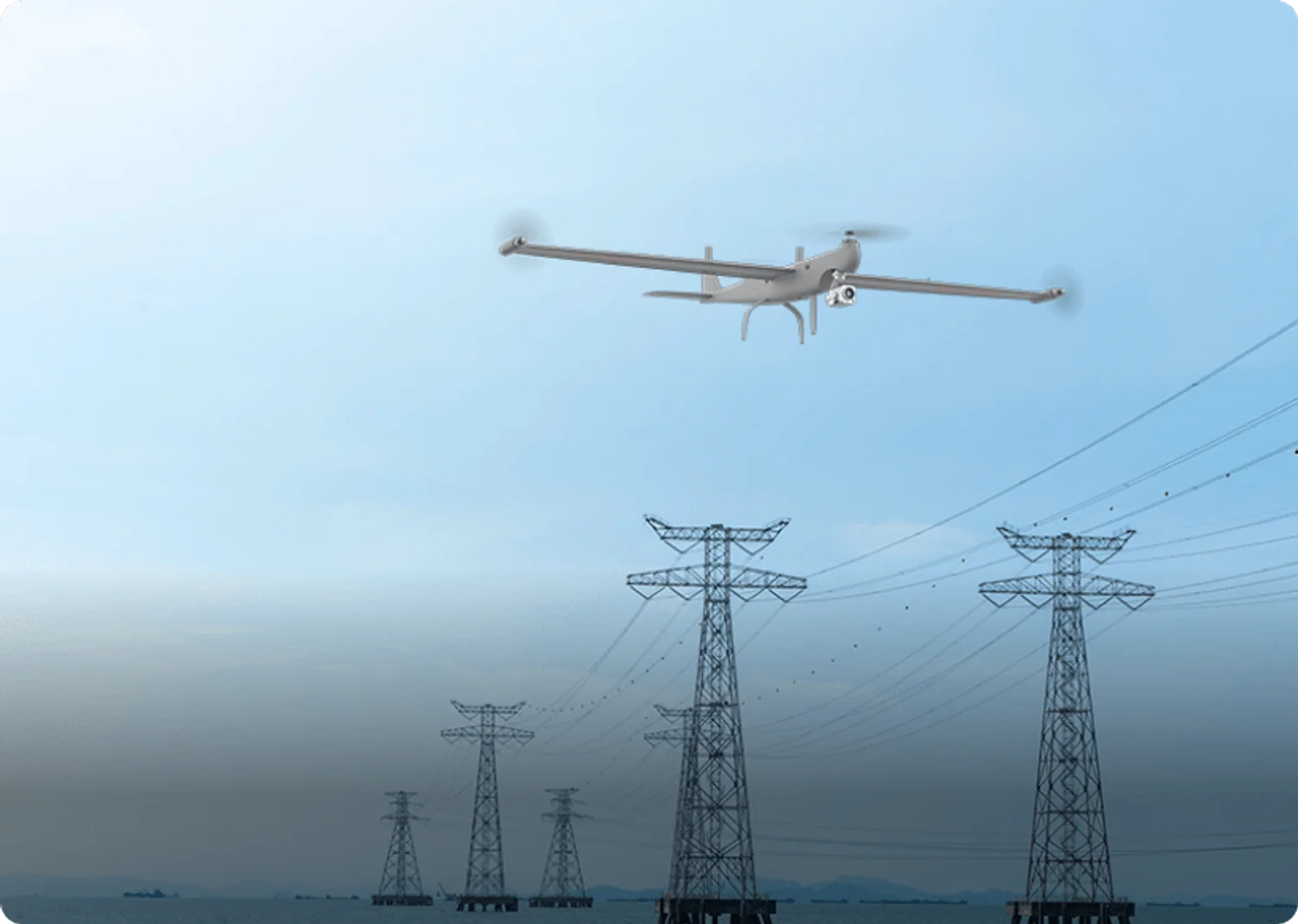
Specs Power Missions
Dragonfish Pro spans 165 x 304 x 46 cm with a 3-meter wingspan for efficient long-haul flights, weighing 17 kg max takeoff and 15 kg typical sans payload. It cruises at 30 m/s or 108 km/h, powered by multi-sensor arrays including GNSS fusion, RTK, thermal imaging, wide-angle and zoom cameras, plus wind sensors. VTOL hybrid navigation employs AI tracking and obstacle avoidance, hauling 2.5 kg payloads like gimbals or multispectral units. Safety nets feature return-to-home, geofencing, and IP43 ruggedness, all on Linux OS via Autel Explorer app.
Rivals Edge Check
| Robot | Strengths over Dragonfish Pro | Dragonfish Pro Advantages | Weaknesses vs. Dragonfish Pro |
|---|---|---|---|
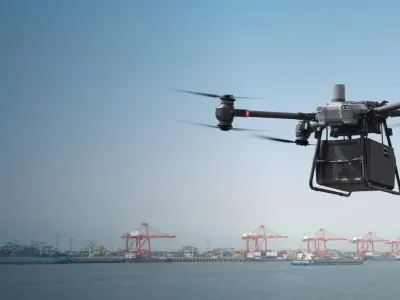
| DJI FlyCart 30 | Heavier 30 kg payload for cargo | Superior 158-min endurance, VTOL ship landings | Less hybrid speed (20 m/s max) |
| Dragonfish Standard | Lighter 9 kg, cheaper entry | 2.5 kg payload capacity, advanced RTK precision | Shorter 126-min flight time |
| Skydio X2D | Better autonomy in GPS-denied areas | 30 m/s speed, modular thermal/zoom payloads | Weaker wind resistance (12 m/s) |
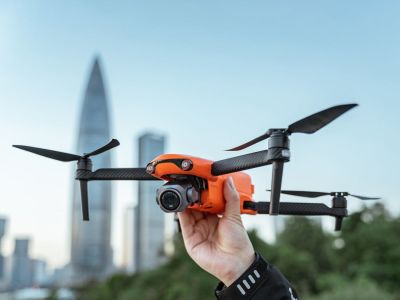
| Autel Evo Lite+ | Compact consumer portability | Industrial 3m wingspan, 180-min potential flights | Consumer-grade 40-min battery |
Explore Humanoids
Sources
Related Articles
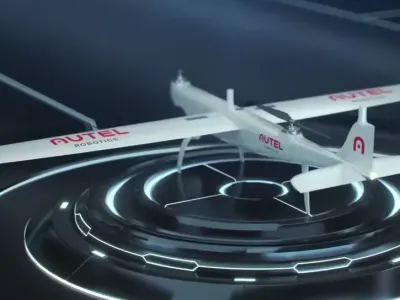
Dragonfish Standard Masters Mobile Platform VTOL Takeoffs
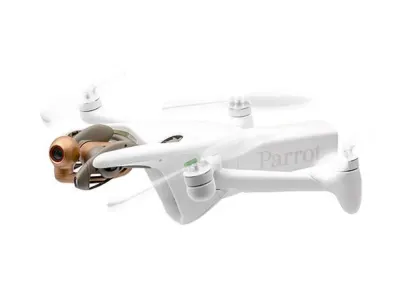
Parrot ANAFI Ai Masters GNSS-Denied Zones with AI
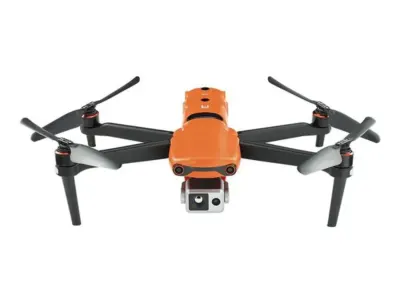
Autel EVO II Dual 640T V3 Deploys 45 Seconds with 640x512 Thermal
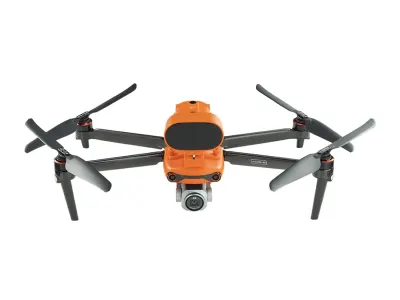
Autel EVO II Pro V3 Masters Night Shoots with Moonlight 2.0
Related Comparisons
Compare Dragonfish Pro with similar robots
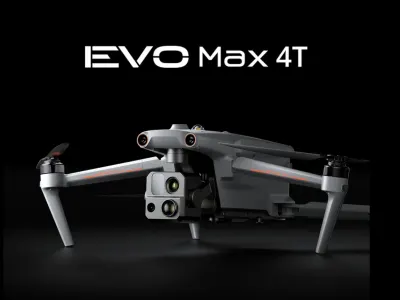
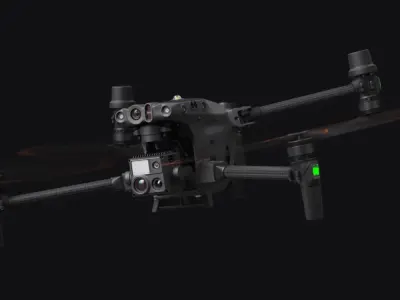
EVO Max 4T vs DJI Matrice 30 series
Which camera drone is better? EVO Max 4T vs DJI Matrice 30 series compared for image quality, battery life, and value.
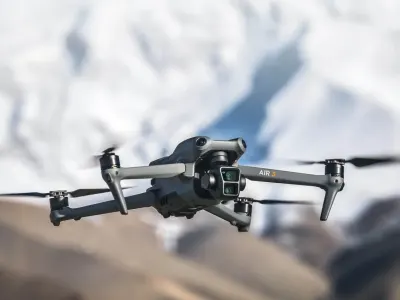
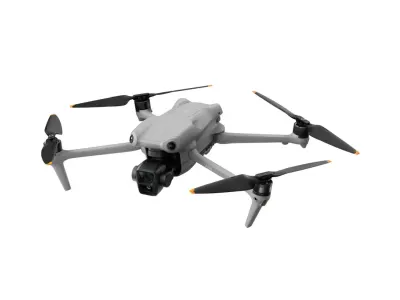
DJI Air 3 vs DJI Air 3S
Compare DJI Air 3 vs DJI Air 3S for camera quality, low-light sensors, obstacle avoidance, battery life, and pro videography outcomes.
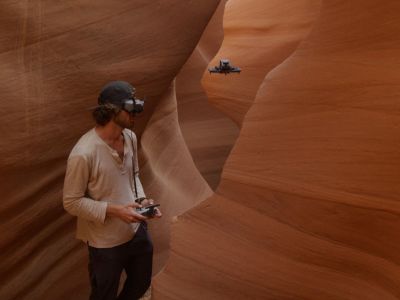
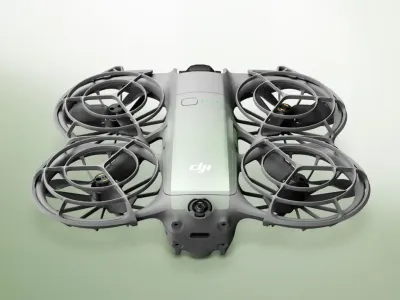
DJI Avata 360 vs DJI Neo 2
Which camera drone is better? DJI Avata 3 vs DJI Neo 2 compared for image quality, battery life, range, safety, and pro vs beginner use.

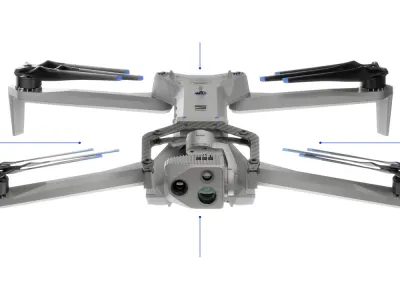
Skydio X2D vs Skydio X10
Compare Skydio X2D vs Skydio X10 for camera quality, flight time, range, and cinematic capabilities in defense and inspection.
Learn More About This Robot
Discover detailed specifications, reviews, and comparisons for Dragonfish Pro.
View Robot Details →