Dragonfish Standard Masters Mobile Platform VTOL Takeoffs
Robot Details
Dragonfish Standard • Autel RoboticsPublished
February 3, 2026
Reading Time
3 min read
Author
Origin Of Bots Editorial Team
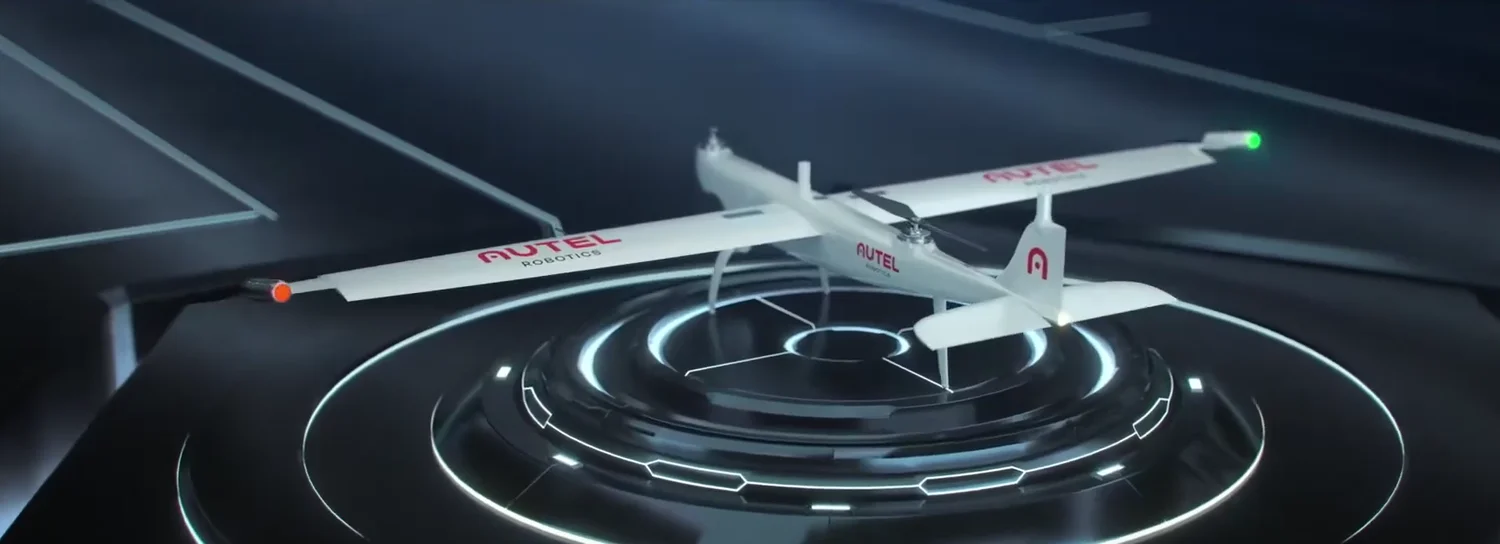
Autel Advances Tactical Drone Capability
Autel Robotics has engineered the Dragonfish Standard to redefine rapid-deployment drone operations through its innovative tilt-rotor vertical takeoff and landing architecture. This platform eliminates the traditional fixed-wing versus multirotor tradeoff, enabling operators to achieve 126 minutes of sustained flight time while maintaining the agility of a hovering aircraft. The system's modular design assembles without tools in under three minutes, positioning it as a mission-critical asset for emergency response, infrastructure inspection, and tactical surveillance operations where setup speed directly impacts operational outcomes.
Precision Hovering Meets Extended Range
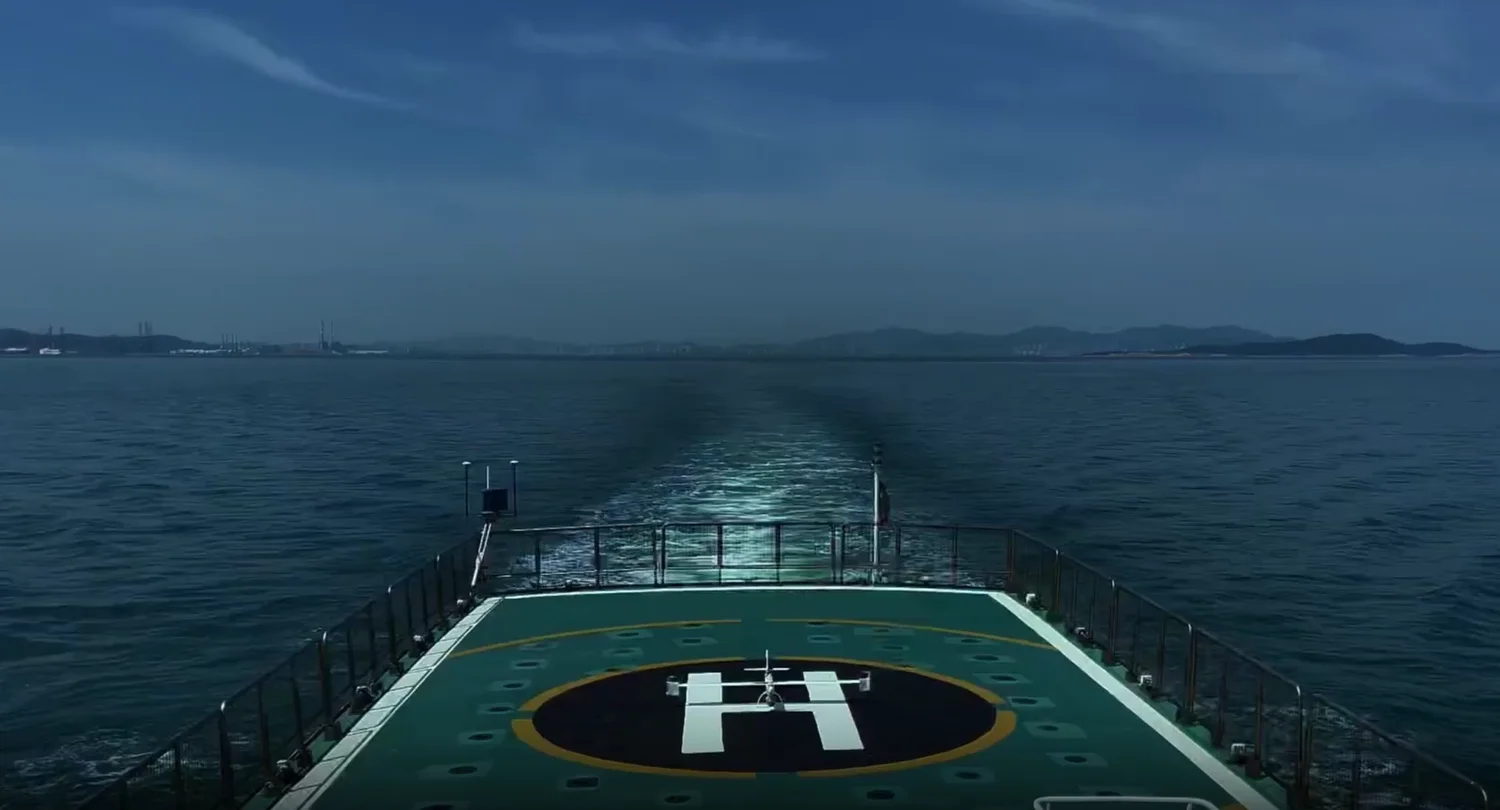
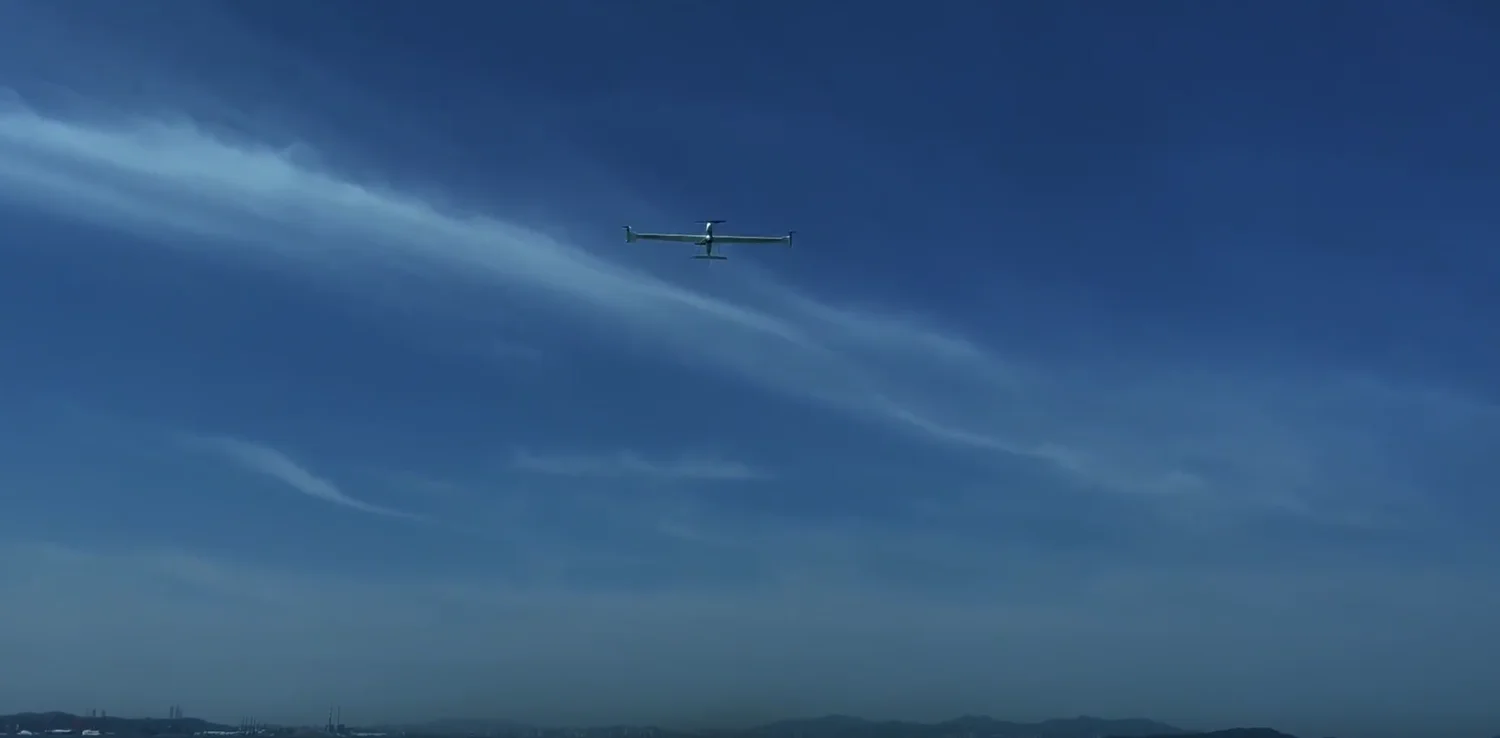
The Dragonfish Standard distinguishes itself through dual-mode flight optimization, seamlessly transitioning between multirotor stability and fixed-wing efficiency. Its maximum speed of 30 meters per second in fixed-wing mode combines with a 18.6-mile video transmission range, enabling operators to maintain real-time situational awareness across expansive operational areas. The aircraft's P-GPS positioning system delivers vertical accuracy within 10 centimeters when visual positioning functions normally, critical for surveying and mapping applications where measurement precision directly influences project economics and safety protocols.
Redundant Navigation Architecture Strengthens Reliability
Autel engineered the Dragonfish Standard with dual RTK modules and centimeter-accuracy GNSS integration supporting GPS, GLONASS, BeiDou, and Galileo satellite systems simultaneously. This redundancy architecture substantially reduces positioning failures during magnetic interference or signal degradation common in urban and industrial environments. The aircraft's visual odometry system provides tertiary navigation backup, ensuring continuous operation even when satellite signals weaken—a critical differentiator for search and rescue missions where navigation continuity determines mission success.
From Disaster Response to Environmental Monitoring
The Dragonfish Standard's endurance and sensor flexibility position it across public safety, fire prevention, energy infrastructure inspection, and coastal security applications. Emergency responders leverage its rapid deployment for search and rescue operations in disaster zones, while agricultural operators use multispectral payload configurations for crop health monitoring across large acreage. Traffic management agencies deploy the platform for congestion analysis and incident documentation, with the modular payload system supporting camera gimbals, thermal sensors, and third-party integrations up to 1.5 kilograms.
Key Specifications & Performance Metrics
The aircraft measures 2.3 by 1.29 by 0.46 meters and weighs 7 kilograms with dual batteries installed, enabling transport in standard tactical gear. Its maximum ascent speed reaches 4 meters per second in multirotor mode and 5 meters per second in fixed-wing mode, with wind resistance rated to 12 meters per second in vertical flight and 15 meters per second in fixed-wing configuration. The IP43 ingress protection rating withstands dust and light precipitation, while the base station incorporates an IP64-rated enclosure with lithium polymer batteries delivering over 7.5 hours of continuous operation. RTK positioning accuracy achieves 1 centimeter plus 1 parts per million horizontally and 1.5 centimeters plus 1 ppm vertically when RTK correction is enabled, enabling photogrammetry workflows with professional-grade spatial accuracy.
Versus Rivals Breakdown
| Robot | Strengths over Dragonfish Standard | Dragonfish Standard Advantages | Weaknesses vs. Dragonfish Standard |
|---|---|---|---|
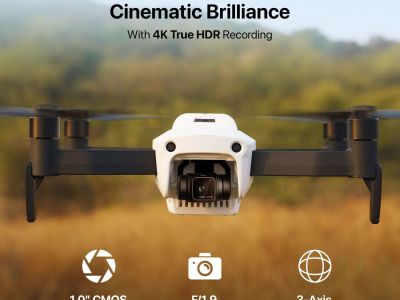
| Autel Evo Lite+ | Compact form factor; lighter weight for portable operations | 126-minute flight time vs. shorter endurance; dual RTK modules for redundancy; tilt-rotor VTOL capability | Limited payload capacity; no fixed-wing efficiency mode |
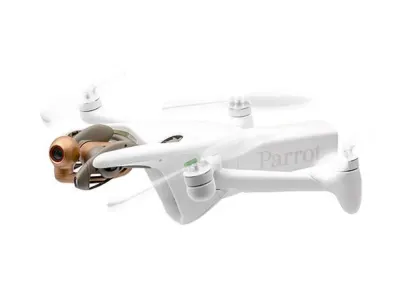
| Skydio X2D | Advanced obstacle avoidance; autonomous flight intelligence | Superior 30 m/s top speed; centimeter-level RTK accuracy; 18.6-mile transmission range; modular payload system | Smaller operational radius; less endurance for extended missions |
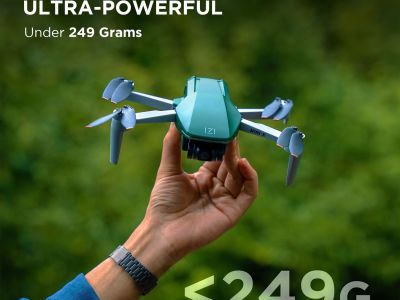
| IZI Spectra Drone Camera 4K | Budget-friendly entry point; compact design | Professional-grade multispectral sensor support; 126-minute endurance; dual-mode flight optimization; enterprise-class positioning | Higher cost reflects industrial-grade capabilities |
| IZI Mini X Nano Fly More Combo 4K Drone | Ultra-portable; minimal training requirements | Significantly longer flight time; centimeter RTK accuracy; rapid 3-minute assembly; wind resistance to 12 m/s vertical | Substantially heavier; requires more operational infrastructure |
Explore Humanoids
Related Articles
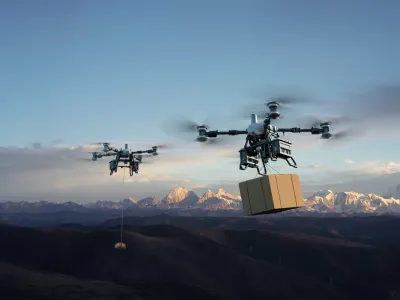
DJI FlyCart 100 Revolutionizes Heavy-Lift Drone Delivery
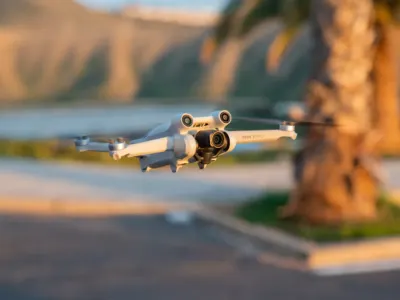
DJI Mini 5 Pro Unleashes 1-Inch 50MP Sensor, 4K/120fps Power

Army Upgrades Tactical ISR with Skydio X2D Drone Platform
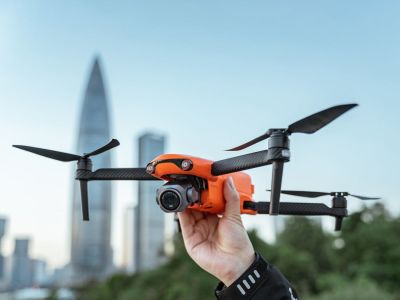
Autel Retires EVO Nano and Lite Consumer Drone Series
Related Comparisons
Compare Dragonfish Standard with similar robots
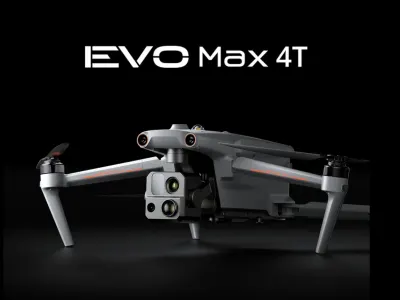
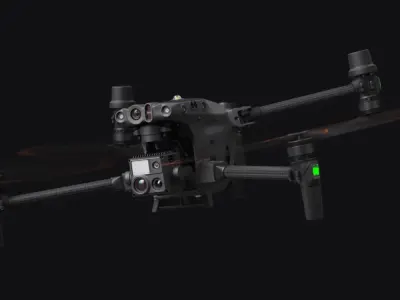
EVO Max 4T vs DJI Matrice 30 series
Which camera drone is better? EVO Max 4T vs DJI Matrice 30 series compared for image quality, battery life, and value.
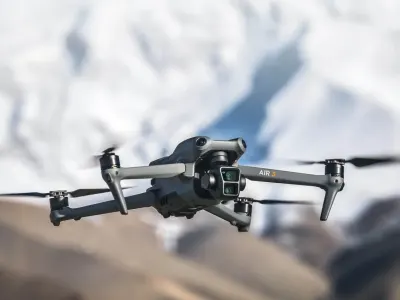
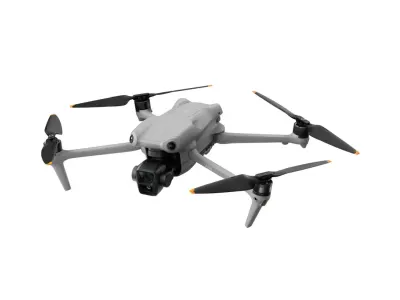
DJI Air 3 vs DJI Air 3S
Compare DJI Air 3 vs DJI Air 3S for camera quality, low-light sensors, obstacle avoidance, battery life, and pro videography outcomes.

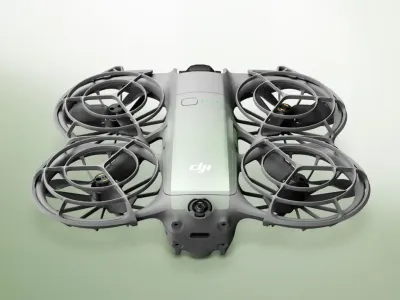
DJI Avata 3 vs DJI Neo 2
Which camera drone is better? DJI Avata 3 vs DJI Neo 2 compared for image quality, battery life, range, safety, and pro vs beginner use.
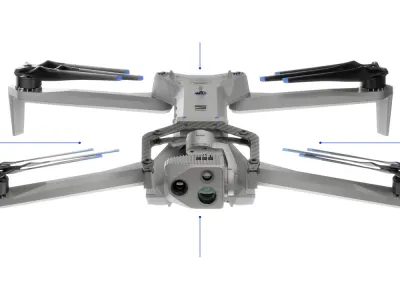
Skydio X2D vs Skydio X10
Compare Skydio X2D vs Skydio X10 for camera quality, flight time, range, and cinematic capabilities in defense and inspection.
Learn More About This Robot
Discover detailed specifications, reviews, and comparisons for Dragonfish Standard.
View Robot Details →