Bolt Sprints to 10m/s World Record in Real-World Dash
Robot Details
Bolt • MirrorMe TechnologyPublished
February 12, 2026
Reading Time
2 min read
Author
Origin Of Bots Editorial Team
Speed Milestone Unveiled
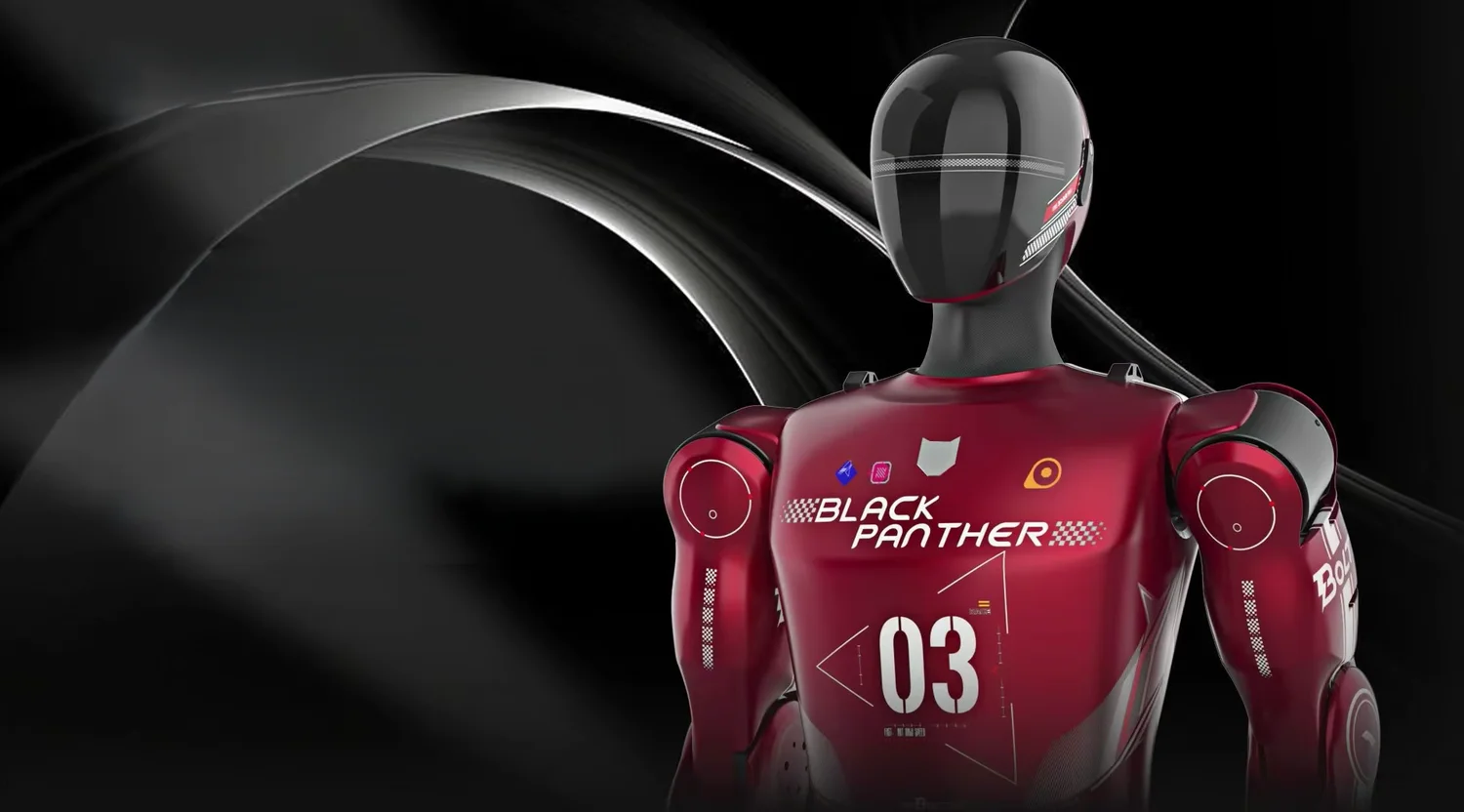
Shanghai-based MirrorMe Technology launched Bolt on February 2, 2026, shattering bipedal humanoid records by hitting a peak sprint of 10 meters per second in real-world tests. This full-sized robot outpaced its founder in a dramatic treadmill showdown, doubling prior industry speeds of 3.3 to 4.0 m/s and edging closer to elite human athletes like Usain Bolt, whose name inspires the machine. The debut signals a leap toward robots that rival human athleticism, redefining possibilities in dynamic motion.
Athletic Edge Emerges
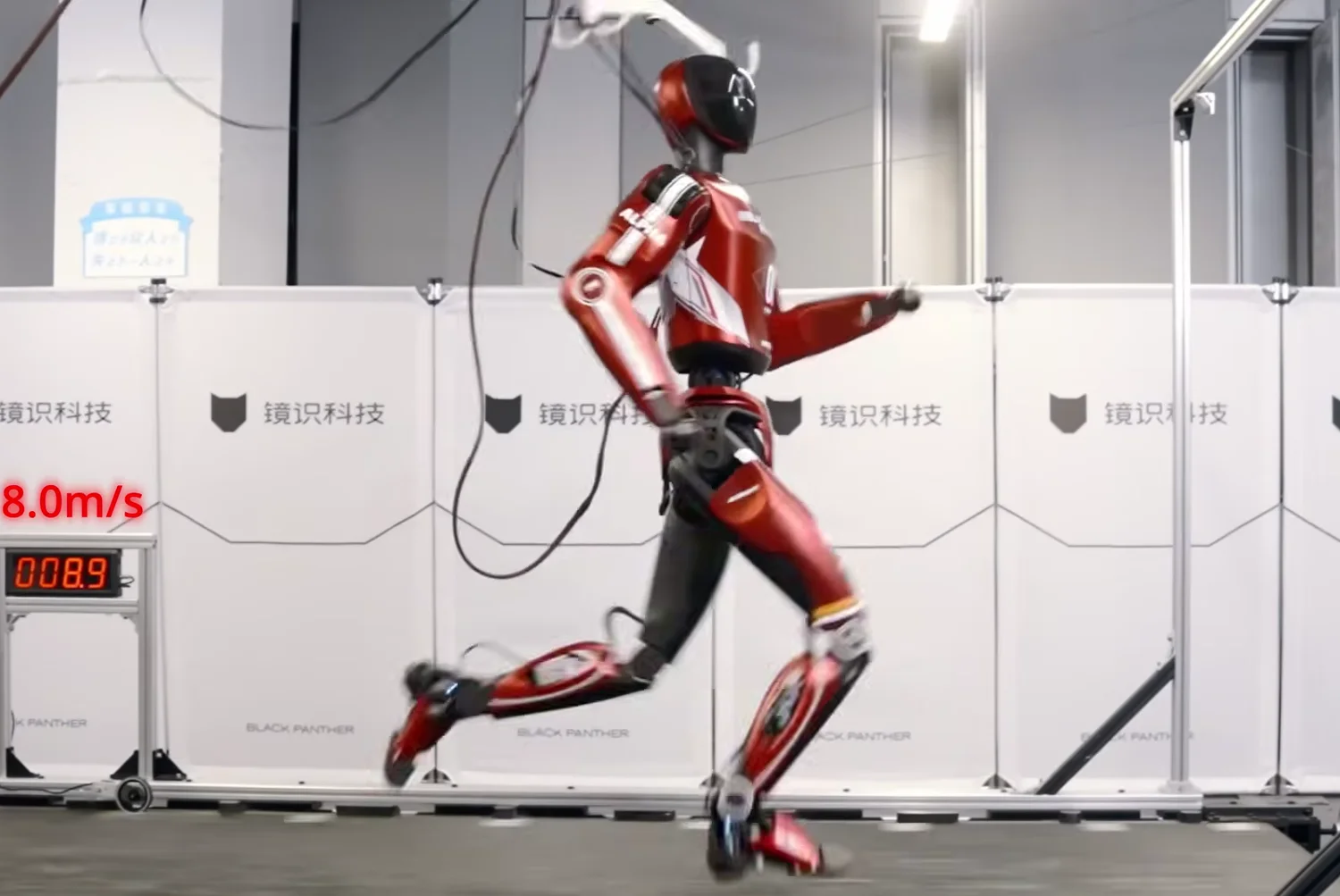
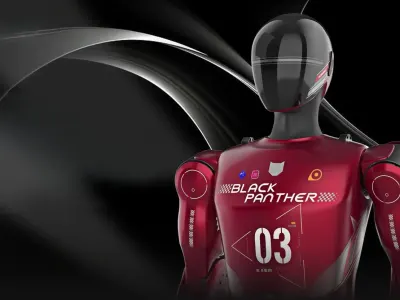
Bolt transforms humanoid robotics by prioritizing raw athletic prowess over static tasks, enabling seamless human-like sprints on varied terrain. Its high-cadence leg turnover sustains blistering paces without oversized strides, mimicking sprinter efficiency while preserving balance. This innovation stems from MirrorMe's decade-long obsession with velocity, evolving from their Black Panther II quadruped's 13.4 m/s feats to bipedal mastery. Athletes now gain a tireless pacer that adapts in real time, pushing training envelopes.
Joints Redefined
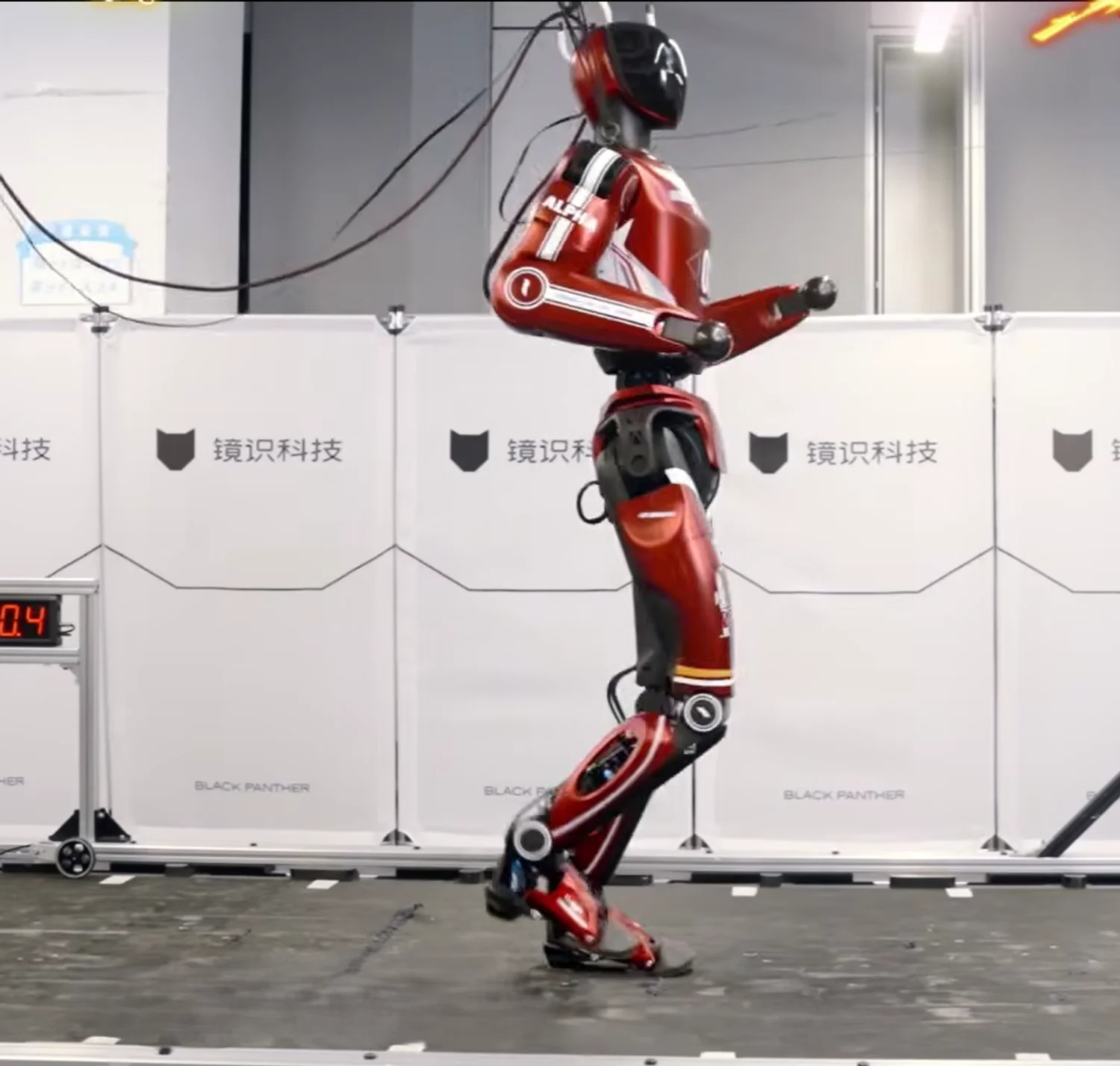
Engineers at MirrorMe overhauled Bolt's joints and power systems from scratch, optimizing torque for rapid, stable strides that endure extreme demands. Departing from bulky hydraulics, the design channels human proportions into mechanical supremacy, ensuring fluid transitions at top speeds. This breakthrough in actuation and control algorithms marks a pivot from lab curiosities to field-ready performers, with IMU and gyroscopes fine-tuning every step against perturbations.
Training Partners Evolve
Picture elite runners sparring against an unyielding steel opponent: Bolt steps into sports arenas as a relentless training ally, pacing drills at human limits without fatigue. Beyond athletics, it tackles high-speed logistics in chaotic warehouses, collaborates with workers in unpredictable settings, and aids motion research by replicating dynamic human actions. These applications spotlight Bolt's knack for unstructured environments, fostering human-robot teams that boost productivity and innovation.
Skills Power Interaction
Bolt's bipedal frame, measuring 175cm x 55cm x 38cm and tipping 75kg, equips it for intimate human collaborations through agile, natural gait. RGB, stereo cameras, LiDAR, IMU, gyroscope, force, ultrasonic, and temperature sensors sharpen perception, enabling dexterous handling of tools, packages, precision instruments, and safe people interactions. Visual SLAM and LiDAR mapping drive flawless navigation at 36km/h bursts, while ROS2, proprietary APIs, and Python/C++ software orchestrate collaborative modes with force limiting, collision detection, and emergency stops. A 3-5 year battery sustains prolonged sessions, turning specs into enduring partnership skills.
Rivals Speed Check
| Robot | Strengths over Bolt | Bolt Advantages | Weaknesses vs. Bolt |
|---|---|---|---|
| Green | Lighter build aids agility | Doubles sprint speed to 10m/s | Slower max velocity limits races |
| LUS2 | Superior payload capacity | Real-world stability at high speeds | Heavier frame reduces endurance |
| T800 | Advanced AI learning curves | Bipedal record-breaking dash | Less refined human interaction |
| Martian | Rugged off-road traction | Humanoid proportions for collab | Inferior sensor fusion for nav |
Explore Humanoids

Related Articles
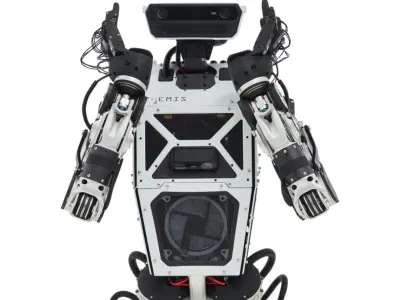
Westwood's Themis V2 Redefines Humanoid Work: Walking, Manipulating, and Learning Simultaneously
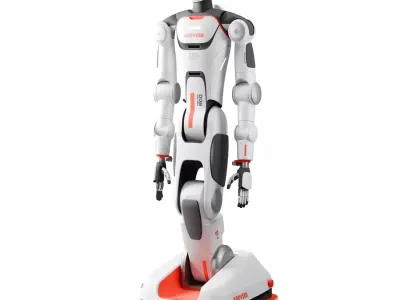
India's First Wheeled Humanoid Transforms Industrial Automation Landscape

Matrix-1 Debuts at WAIC2025 with 4x AI Reasoning Boost

Matrix-3 Feels 0.1N Touches, Masters Laundry Folding
Related Comparisons
Compare Bolt with similar robots
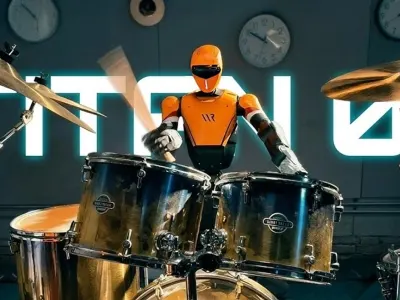
Bolt vs Titan 01
Head-to-head: Bolt vs Titan 01 compared on bipedal balance, AI learning, payload capacity, and real-world deployment for enterprise robotics decisions.
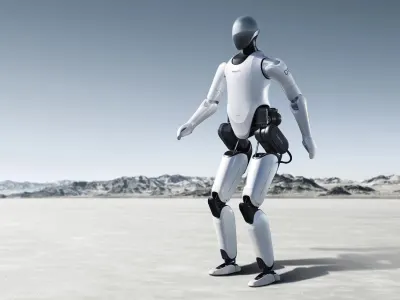
Bolt vs CyberOne 2026 Version
Bolt by MirrorMe Technology or CyberOne 2026 Version by Xiaomi Robotics Lab? See which humanoid robot performs better for manufacturing, logistics, and research.

Next‑Gen IRON vs Bolt
Compare Next-Gen IRON vs Bolt for humanoid mobility, dexterity, autonomy, and payload capacity in industrial and dynamic use cases.

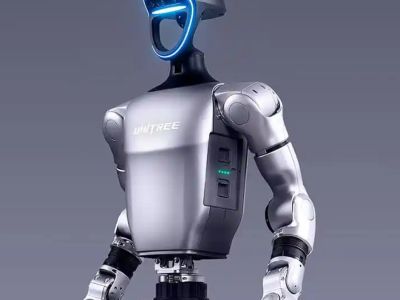
Optimus vs Unitree G1
Compare Optimus vs Unitree G1 for humanoid mobility, dexterity, autonomy, and payload capacity.
Learn More About This Robot
Discover detailed specifications, reviews, and comparisons for Bolt.
View Robot Details →