Westwood's Themis V2 Redefines Humanoid Work: Walking, Manipulating, and Learning Simultaneously
Robot Details
Themis V2 • Westwood RoboticsPublished
February 5, 2026
Reading Time
3 min read
Author
Origin Of Bots Editorial Team
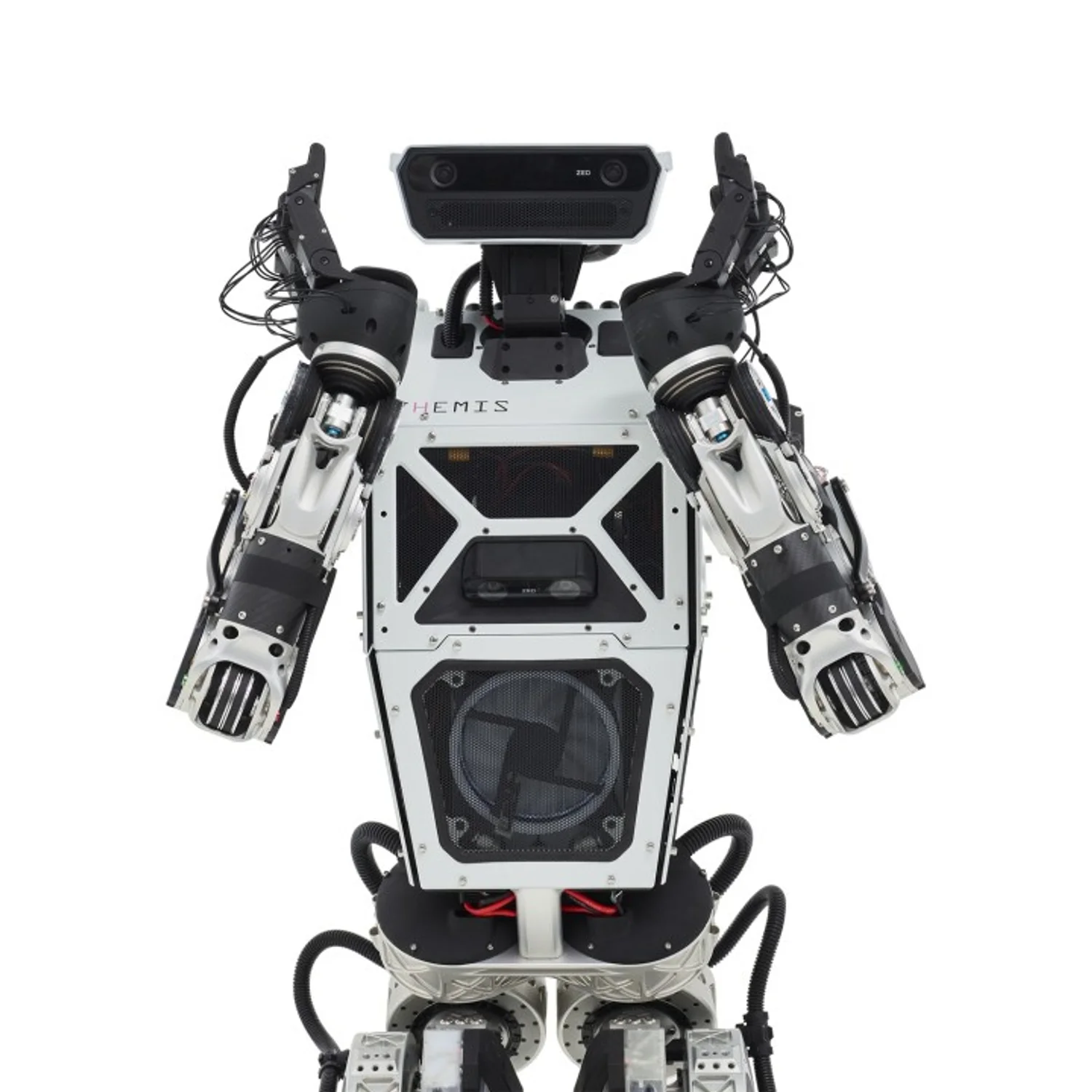
Dual-Action Breakthrough Arrives
Westwood Robotics has unveiled a pivotal advancement in humanoid robotics with Themis V2, a 1.6-meter tall platform engineered to execute complex tasks while maintaining dynamic stability and natural human interaction. Unlike previous generations designed for single-function deployment, Themis V2 integrates simultaneous locomotion and bimanual manipulation, enabling warehouse workers to collaborate with a robot that walks, picks, and adapts in real time. This convergence of mobility and dexterity marks a departure from task-specific automation toward genuinely general-purpose robotic assistance in human-shared environments.
Engineering Compliance Into Motion
The robot's proprietary BEAR actuators represent a fundamental shift in how humanoid systems approach safety and performance. These back-drivable, compliant joints deliver smooth, force-limited movements that allow Themis V2 to operate safely alongside human workers without rigid barriers or protective cages. The actuators incorporate liquid cooling in select joints, enabling sustained high-torque output during intensive manipulation tasks. Combined with 40 degrees of freedom distributed across six-degree-of-freedom arms and seven-degree-of-freedom hands, the platform achieves dexterity previously reserved for teleoperated systems, yet operates autonomously through onboard intelligence.
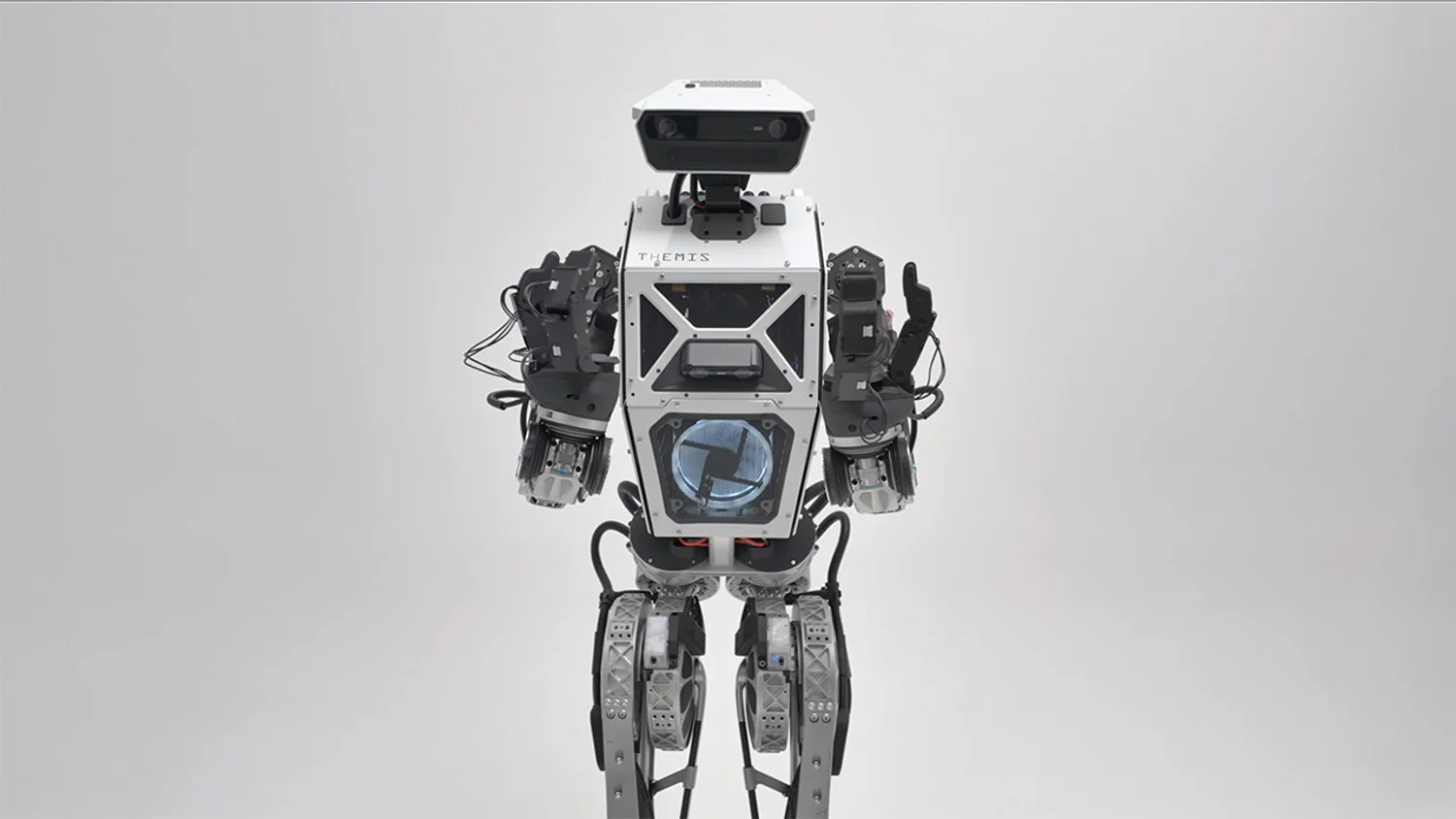
Perception Meets Autonomous Action
Themis V2's sensory architecture enables real-world deployment without constant cloud connectivity. Stereo vision cameras mounted on the head and body feed into a MicroStrain 3DM-CV7-AHRS inertial measurement unit sampling at over 1,000 Hz, creating a high-fidelity environmental model that supports visual SLAM navigation and dynamic obstacle avoidance. The robot processes this sensory data through 200 TOPS of onboard AI compute, running Humanoid OS built on ROS2 with integrated large language model support. This distributed intelligence allows Themis V2 to interpret ambiguous warehouse scenarios, prioritize safety, and execute multi-step tasks without external computational overhead.
From Warehouse Floors to Assembly Lines
Logistics operators are the primary beneficiaries of Themis V2's design philosophy. The robot's 15-kilogram payload capacity and bimanual coordination suit warehouse tote handling, package sorting, and light assembly workflows where human-robot teamwork accelerates throughput. Beyond logistics, inspection teams deploy Themis V2 in confined spaces where humanoid form factors navigate stairs and uneven terrain more effectively than wheeled alternatives. Manufacturing facilities leverage the platform for quality assurance tasks requiring dexterous manipulation and visual assessment, while assistive care environments benefit from the robot's compliant joints and natural interaction capabilities.
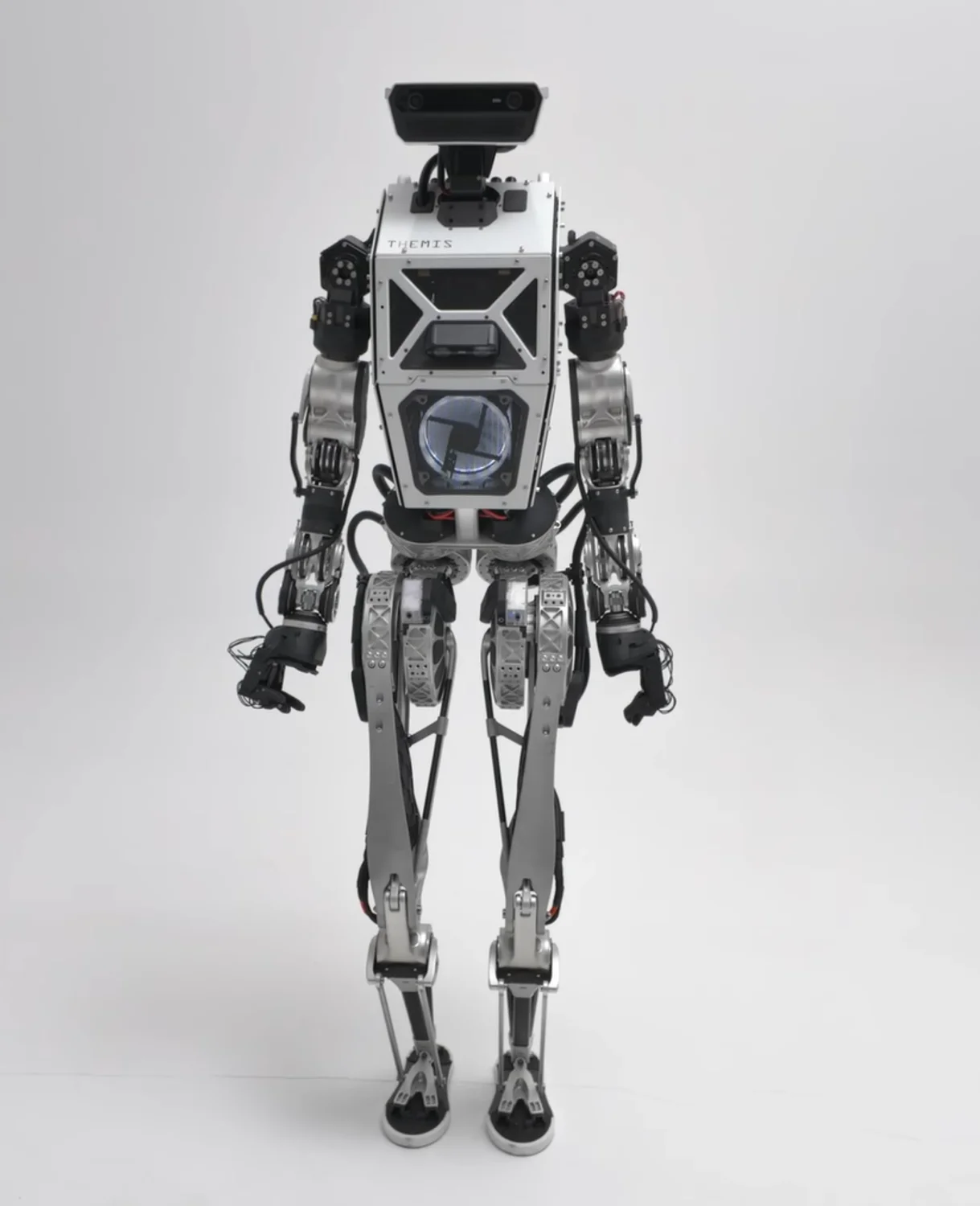
Architecture Built for Interaction
Themis V2's physical specifications directly enable sustained human collaboration. At 32 to 36 kilograms, the lightweight frame reduces injury risk during accidental contact while remaining substantial enough for stable bimanual work. Hot-swappable lithium-ion batteries support up to three hours of continuous operation, sufficient for standard shift work without mid-task recharging interruptions. The robot's stereo vision system and tactile sensors across its hands create awareness of object fragility and human proximity, while force-limiting actuators automatically reduce output when unexpected resistance occurs. These sensor-actuator combinations transform abstract safety specifications into tangible, moment-to-moment protective behavior that workers can intuitively trust.
Versus Rivals Breakdown
| Robot | Strengths over Themis V2 | Themis V2 Advantages | Weaknesses vs. Themis V2 |
|---|---|---|---|
| NAVAI Navigator 2 | Specialized navigation stack, proven outdoor deployment | Superior dexterous manipulation, compliant actuators, onboard AI compute | Limited bimanual coordination, heavier frame |
| DR01 | Higher payload capacity, industrial hardening | Lighter weight, more degrees of freedom in hands, lower cost entry point | Reduced manipulation precision, less flexible actuation |
| Figure 02 | Larger payload capacity, specialized industrial tasks | Humanoid form factor, natural human interaction, autonomous learning capability | Fewer degrees of freedom, less proven in logistics workflows |
| GR-3 | Advanced bipedal stability algorithms, terrain traversal | Integrated LLM support, force-feedback hands, modular upgrade path | Newer platform with less field deployment data |
Explore Humanoids

Related Articles
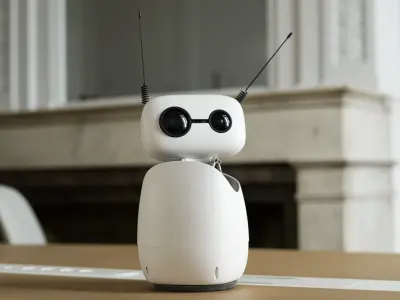
Pollen Robotics Ships 3,000 Reachy Minis with Hugging Face, Seeed
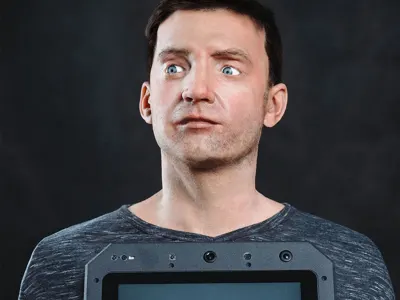
Robo-C2 Mimics Humans with Customizable Arms, Emotions
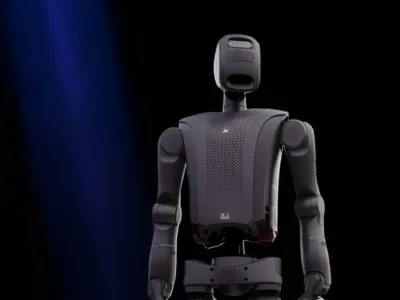
Mobileye Snaps Up Mentee Robotics for $900M Humanoid Leap
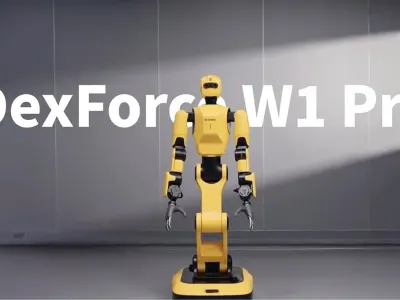
Dex Force W1 Pro Masters Sub-Millimeter Precision Tasks
Related Comparisons
Compare Themis V2 with similar robots

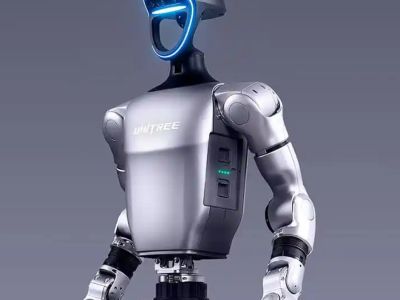
Optimus vs Unitree G1
Compare Optimus vs Unitree G1 for humanoid mobility, dexterity, autonomy, and payload capacity.
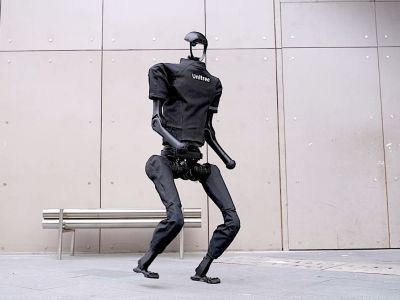
Unitree G1 vs Unitree H1
Head-to-head: Unitree G1 vs Unitree H1 compared on bipedal balance, AI learning, and real-world deployment.
Optimus vs Atlas (Electric Atlas, 2025)
In-depth comparison of Optimus and Atlas (Electric Atlas, 2025), covering hardware capabilities, teleoperation, and enterprise readiness.

Ameca vs Moya
Which humanoid robot is better? Ameca vs Moya compared for dexterity, AI capabilities, and price.
Learn More About This Robot
Discover detailed specifications, reviews, and comparisons for Themis V2.
View Robot Details →