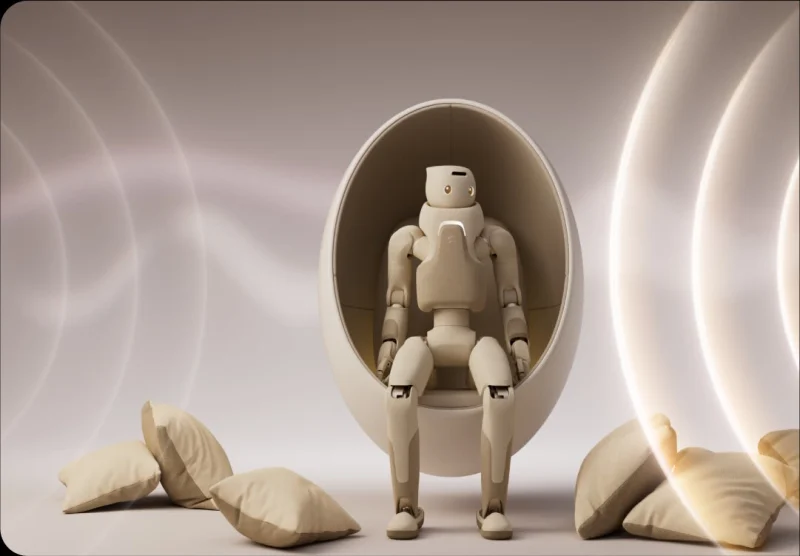
GR-3
Last updated:
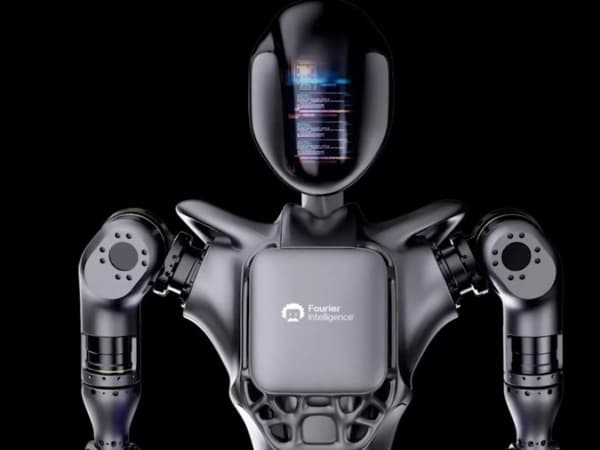
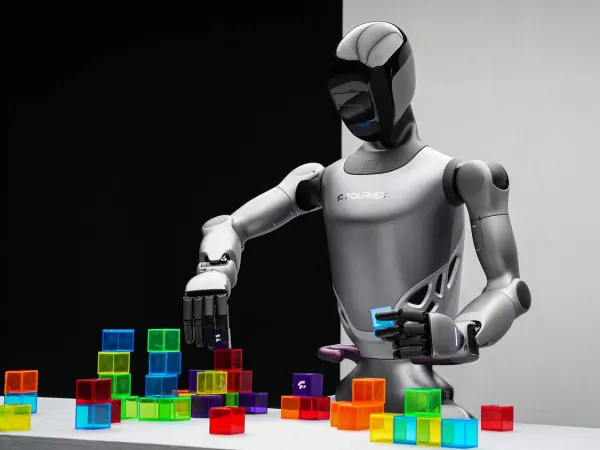
The GR-3 is a full-size humanoid robot standing 165 cm tall, designed as a care-centric companion for homes, healthcare facilities, and public spaces. Weighing 71 kg with 55 degrees of freedom, it combines advanced bipedal locomotion with dexterous 12-DOF hands for complex manipulation tasks. The robot features Fourier's proprietary Full-Perception Multimodal Interaction System integrating vision, audio, and tactile sensing for emotionally aware responses. Its hybrid control architecture merges fast reflexive actions with large language model reasoning, enabling natural human-robot interaction. The GR-3 excels in assisted living, eldercare, and interactive companionship scenarios through its expressive animated interface and whole-body teleoperation capabilities.
Quick Overview & Key Facts
GR-3 is a humanoid system developed by Fourier Intelligence in China and launched in 2025. Starting price is estimated at USD 150,000 - 250,000. It is currently ranked #23 in most-viewed humanoid robots on Origin of Bots. It supports Interactive objects, assistance tasks, precision manipulation. Operating battery runtime is rated at 3 hours per battery pack. Primary applications include Elderly care assistance, healthcare facility support, home companionship, interactive education, public space engagement, teleoperated remote assistance. Featured in editorial articles including “Top 10 Home Humanoid Robots for Domestic Tasks & Personal Assistance in 2026”, “Top 8 Social & Companion Humanoid Robots with Conversational Emotional AI for 2026-2027”.
What Can GR-3 Do?
Core operational tasks and activities demonstrated or performed by GR-3.
Real-World Applications of GR-3
Industries, working environments, and deployment suitability for GR-3.
GR-3 Capabilities
Inherent physical, perceptual, and cognitive abilities built into GR-3.
Download Media Cards
Story CardExport high-resolution story cards summarizing GR-3's operational tasks, real-world applications, and capabilities.
Image Gallery
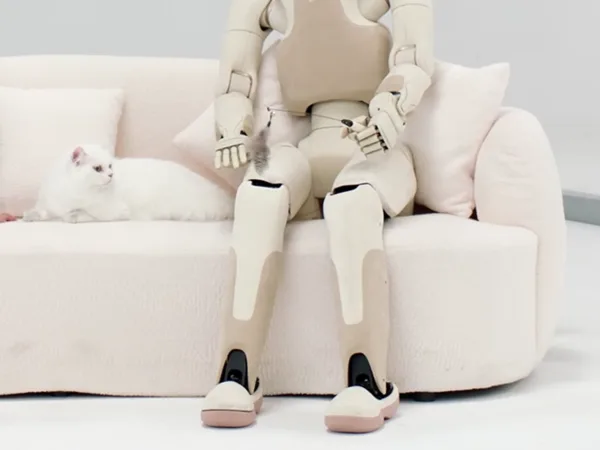
Below images are from Fourier Intelligence's official sources
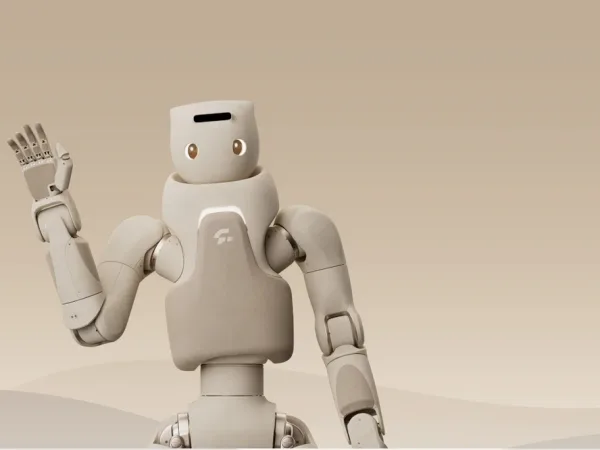
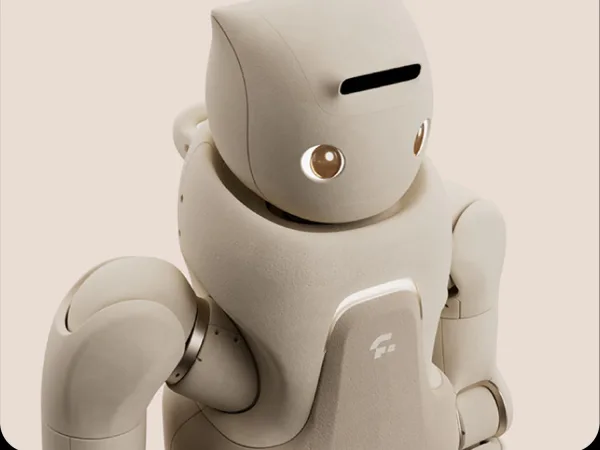
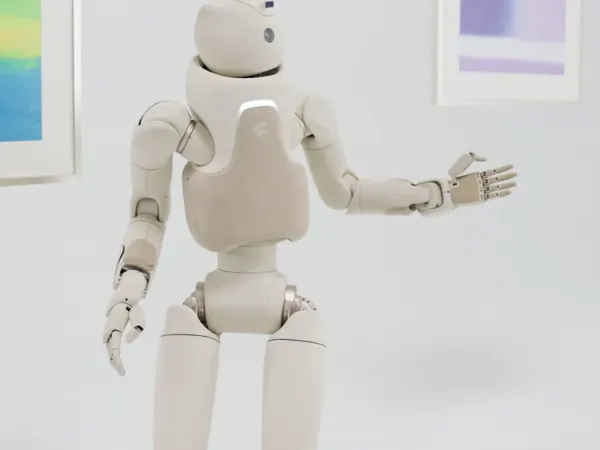
Review Videos
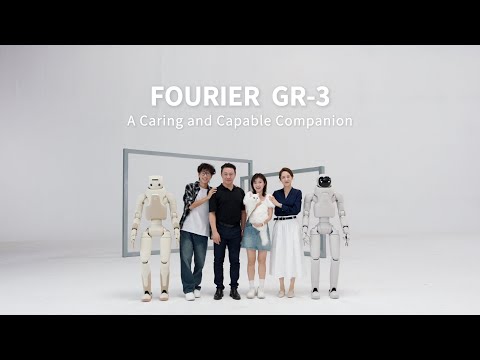
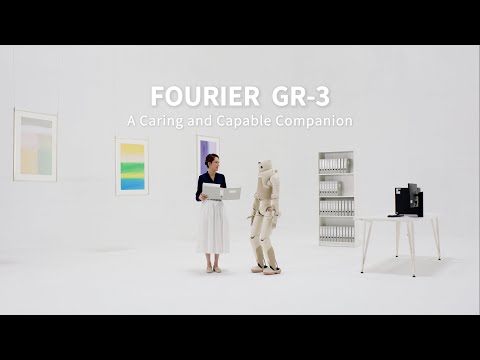
Watch expert reviews and demonstrations of this robot


Robot Specifications
Robot Timeline
Key milestones in this robot's development and rollout
Fourier Intelligence unveils the GR-3 "Care-bot", its first full-size companion humanoid, 165 cm tall with 55 degrees of freedom, for nursing homes and rehabilitation centers.
Source: TechNode ↗
Latest News About GR-3
Stay updated with the latest articles and developments
Compare This Robot With Others
See how GR-3 stacks up against other leading robotics models in detailed side-by-side technical comparisons.

GR-3 Also Mentioned in Below Articles
Find out how this model stacks up against the world's best robots


More Robots from Fourier Intelligence
Explore other robots from this manufacturer
More Humanoid Robots
Discover more robots in the same category



Robots From Other Categories
Discover complementary robots from different categories that work well together
Frequently Asked Questions
Get answers to common questions about this robot
Q1. What is GR-3, and what problem is it designed to solve?
GR-3 is a care-focused humanoid robot from Fourier Intelligence, designed to support human-robot interaction in assistive, social, and service contexts.
Q2. What are the main capabilities and key features of GR-3?
GR-3 combines multimodal perception, whole-body motion, and a soft-shell exterior with a character-style face to enable conversational, touch-aware, and teleoperated interaction.
Q3. Who is GR-3 built for, and which industries can benefit from it?
According to Fourier, GR-3 targets commercial services, rehabilitation and wellness, research and education, and other people-facing environments such as public spaces.
Q4. Is GR-3 a commercial product or still a research prototype?
GR-3 is positioned by the company as an early commercial humanoid platform, suitable for pilot deployments while also serving as a research and development testbed.
Q5. Is GR-3 currently available for purchase, and when is it expected to ship?
As of 2026, GR-3 has been announced for commercial sale with pre-sales reported; shipping timelines depend on regional distributors and project-specific agreements.
Q6. How does GR-3 actually work in real-world environments?
GR-3 uses vision, audio, and touch sensing with a hybrid control and language-model stack, enabling social interaction, routine assistance, demonstrations, and teleoperated tasks in structured spaces.
Q7. When was GR-3 announced or officially launched?
GR-3 was introduced publicly in 2024 and later showcased internationally, including a 2026 presentation at CES highlighting its care-oriented use cases.
Q8. How is GR-3 different from other robots in the same category?
GR-3 differs through its soft, upholstered outer shell, emotion-oriented interaction system, and emphasis on care and companionship scenarios rather than purely industrial or logistics tasks.
Q9. Does GR-3 require additional development or customization after purchase?
According to Fourier, GR-3 supports client-server software development, teleoperation integration, and scenario customization, so many deployments involve additional application-level customization.
Q10. What is the future roadmap or planned upgrades for GR-3?
The company has announced plans to expand GR-3 from early commercial and institutional deployments toward broader service and personal-space use, with ongoing hardware and software refinements.
Rating and Reviews
Share your experience and help others decide!
Loading...
User Reviews
No user reviews. Be the first one to review!
User Comments (No Login needed)
Share your thoughts, experiences, or questions about this robot.
Comments are reviewed before posting.