Top 10 Humanoid Robots Competing with Tesla Optimus (2026)


The New Humanoid Race
The humanoid robot market has shifted from lab demos to commercial competition, and Tesla Optimus now faces a crowded field of machines built for warehouses, factories, homes, and service settings. What matters now is not just whether a robot can walk or gesture, but whether it can perform repeatable work in human spaces with enough reliability to justify deployment. Digit’s commercial tote handling, Apollo’s push into logistics, and Atlas’s return to industrial-grade mobility show how the category is being defined by practical utility, not spectacle. The key contest in 2026 is who can scale the fastest from promising hardware to useful labor.
From Demo To Deployment
The most important difference among today’s contenders is specialization. Some robots are aimed squarely at logistics and manufacturing, while others target eldercare, household assistance, or remote support, reflecting a broader belief that humanoids must fit existing human environments rather than replace them outright. Recent progress has also emphasized fleet software, teleoperation, and data capture, because autonomy in messy real-world settings still requires human oversight and iterative learning. That is why robots such as Phoenix, NEO, Figure 03, and GR-3 matter: they suggest a market splitting into enterprise workhorses and consumer-facing assistants, each competing with Optimus on a different front.
Quick Overview
Here is a concise comparison of the leading humanoid challengers and the niches where each is pushing hardest.
| Rank | Robot | Manufacturer | Key Strength | Best For |
|---|---|---|---|---|
| #1 | 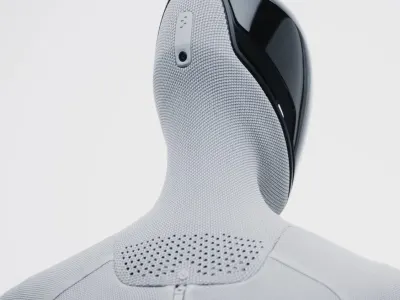 Figure 03 Figure 03 | Figure AI | Home assistance and light manipulation | Household chores and elderly support |
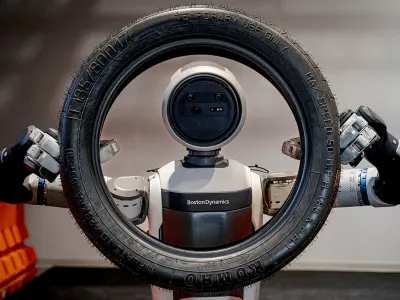
| #2 | 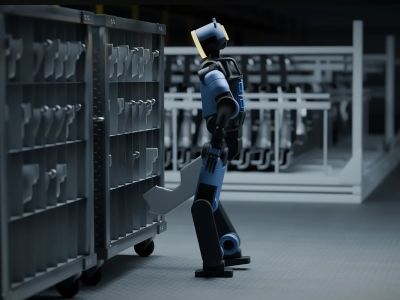 Atlas (Electric 2025) Atlas (Electric 2025) | Boston Dynamics | Humanoid / General Purpose | Heavy automotive part sequencing, damper strut lifting |
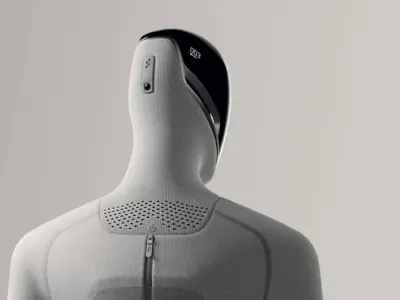
| #3 |  NEO Home Robot NEO Home Robot | 1X Technologies | Home-oriented assistance concept | Elderly assistance and companionship |
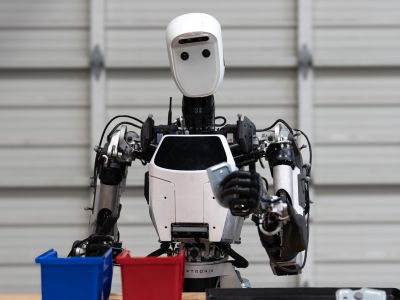
| #4 | 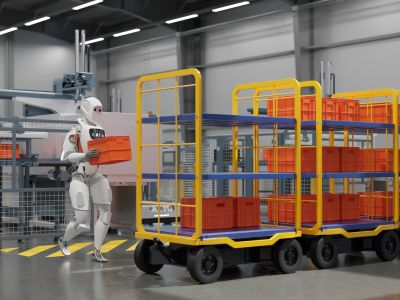 Apollo Apollo | Apptronik | Flexible industrial humanoid platform | Warehousing and manufacturing |
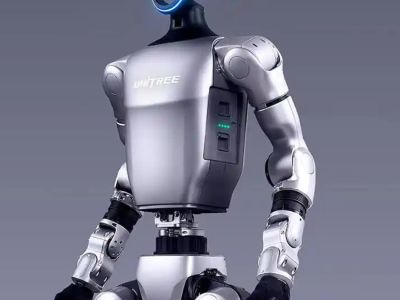
| #5 | 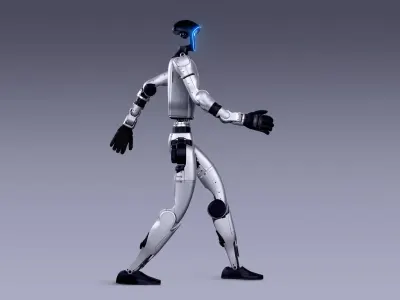 Unitree G1 Unitree G1 | Unitree Robotics | Low-friction platform for R&D and demos | Research, assembly, education |
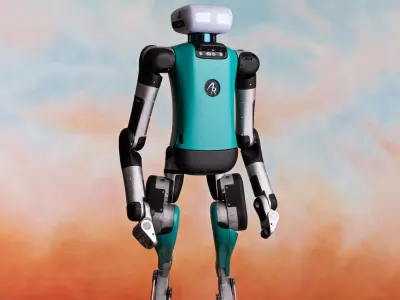
| #6 | 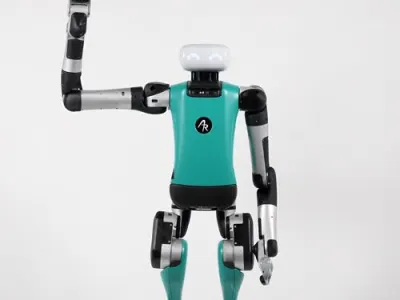 Digit Digit | Agility Robotics | Proven commercial deployment in logistics | Tote handling, inventory sorting |
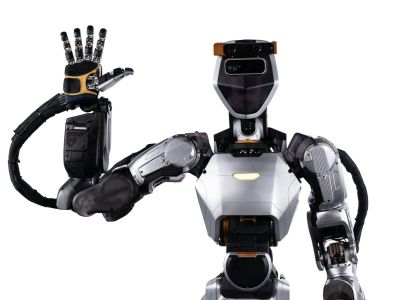
| #7 | 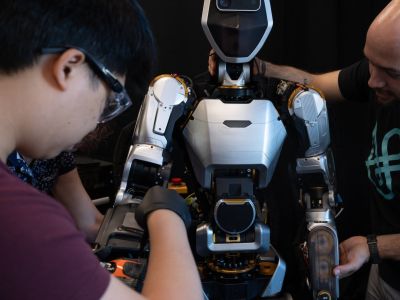 Phoenix Phoenix | Sanctuary AI | General-purpose work with data capture focus | Industrial automation and service tasks |
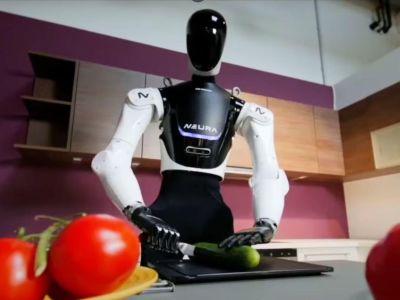
| #8 | 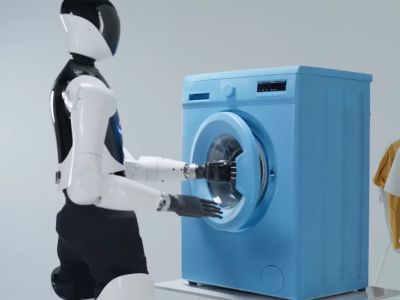 4NE-1 4NE-1 | NEURA Robotics | Humanoid / General Purpose | Collaborative industrial assembly, component kitting |
| #9 |  Next-Gen IRON Next-Gen IRON | XPENG | Humanoid / General Purpose | Reception, guidance |
| #10 | 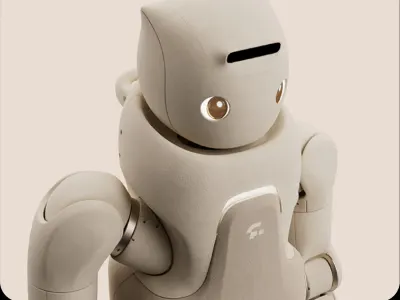 GR-3 GR-3 | Fourier Intelligence | Care-focused humanoid design | Healthcare support and home companionship |
The race is no longer just about robotics ambition, but about which company can prove a humanoid can work consistently, safely, and economically in the environments people already use every day.
Explore the Robots
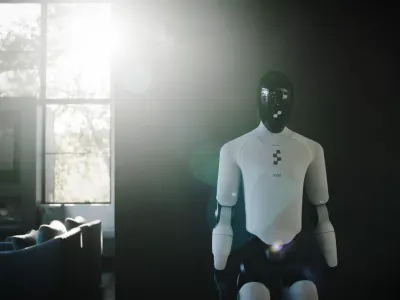
Figure 03
Figure 03 is the most commercially visible challenger in this group because it bridges factory logistics and home-assistance ambitions in one platform. It has become a symbol of the humanoid shift from prototype theater to operational deployment, with its strongest appeal coming from real work rather than spectacle. What distinguishes it is the company’s push toward practical task execution, including part sequencing, object handling, and domestic support scenarios. Figure 03 stands out as a robot designed to be useful in both structured industrial settings and unpredictable household environments. - Notable for its broad positioning across work and home - Built to handle repetitive physical tasks with minimal human intervention
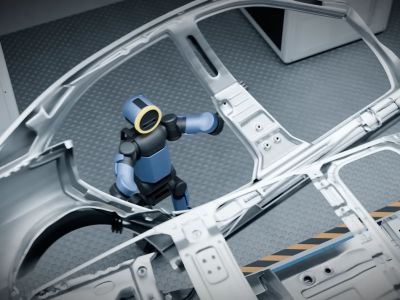
Atlas (Electric 2025)
Atlas (Electric Atlas, 2025) is Boston Dynamics' fifth-generation humanoid robot, fully electric and designed for real-world industrial and research applications. It features advanced all-electric actuators that provide superior strength and a broader range of motion than previous models, including 360-degree rotation at key joints. Atlas integrates sophisticated sensor arrays such as LiDAR, stereo and RGB cameras, and depth sensors, enabling real-time perception and environmental awareness. Its software leverages AI, machine learning, and large behavior models for autonomous whole-body manipulation and locomotion, allowing it to perform complex tasks like packing, sorting, and adapting dynamically to unexpected physical challenges. The robot is built with lightweight titanium and aluminum 3D printed parts for optimal strength-to-weight ratio and supports integration with Boston Dynamics’ fleet management software, Orbit.

NEO Home Robot
NEO Home Robot is built around the idea that the next humanoid breakthrough may happen in living rooms, not factories. Its importance comes from a home-first design philosophy centered on assistance, cleaning, object handling, companionship, and remote monitoring. That makes it one of the clearest answers to the question of how humanoids can serve aging populations and busy households. NEO distinguishes itself by aiming to be approachable and useful in daily domestic routines, where trust, safety, and social interaction matter as much as mechanical performance. - Focused on household support and elder assistance - Designed for social presence as well as physical help
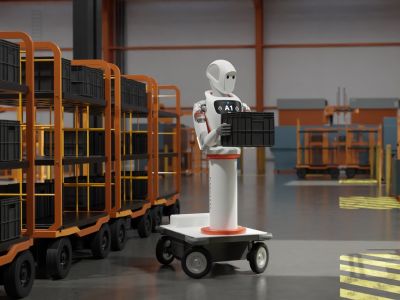
Apollo
Apollo reflects the growing demand for humanoids that can slot into logistics and manufacturing without requiring a complete redesign of the workplace. Its appeal is practical: moving goods, supporting workflows, and handling repetitive labor in environments where labor shortages and efficiency pressures are mounting. What sets Apollo apart is its industrial-first orientation, with a form factor and mission tailored to warehouse and factory use rather than consumer novelty. It is a serious contender because it targets the places where humanoids can generate immediate economic value. - Industrial utility is its main strength - Built for structured environments and repetitive handling tasks
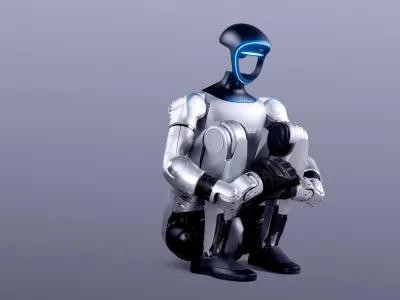
Unitree G1
Unitree G1 has earned attention because it lowers the barrier to humanoid experimentation while still offering enough capability for hands-on robotics work. It is especially relevant in research, education, and demonstration settings, where accessibility and versatility matter. The robot’s role in this ranking comes from its flexibility across palletization, assembly, welding support, and lab use. Unitree G1 stands out as the robot that helps widen the humanoid ecosystem by making advanced bipedal platforms more approachable for developers, universities, and industrial testers. - Notable for accessibility and experimentation - Useful for R&D, demos, and technical training
Digit
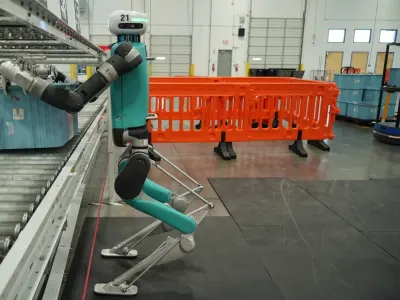
Digit is one of the most focused robots on the list, and that narrowness is a strength. Built around tote handling, sorting, and warehouse loading tasks, it is a humanoid optimized for fulfillment-center economics rather than general-purpose ambition. Its reputation comes from being practical, efficient, and easy to position in logistics workflows that already exist. Digit matters because it shows how humanoids can create value by solving one high-volume job well instead of trying to do everything at once. - Best-known logistics specialist on the list - Strong fit for fulfillment and inventory movement
Phoenix
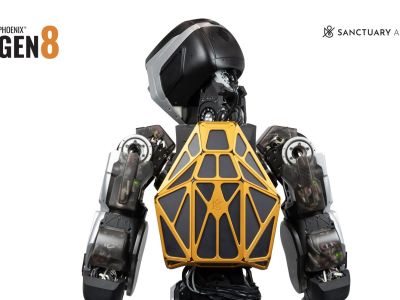
Phoenix represents an enterprise-minded attempt to push humanoids into more diverse operational roles. Its scope spans industrial automation, customer service, healthcare support, logistics handling, and research use, making it one of the broader platforms here. The robot stands out for its emphasis on adaptable deployment and information-rich work, where data capture and interaction are part of the value proposition. Phoenix is less about a single signature task and more about proving that humanoids can cross between service and industrial contexts. - Broad enterprise use case coverage - Suited to multi-role deployments and R&D
4NE-1
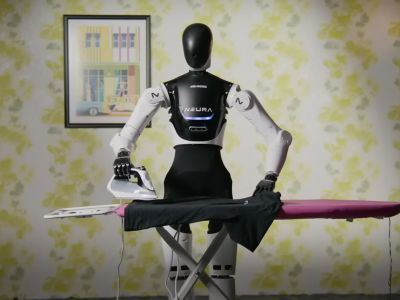
4NE‑1 is positioned as a European industrial humanoid with a strong focus on practical assistance. Its strengths lie in manufacturing, logistics, inspection, and human support, which makes it relevant to companies looking for a collaborative machine that can work around people. The robot’s significance comes from its balanced approach: enough ambition to compete in humanoid development, but with a clear bias toward useful workplace functions. It is a contender for firms that want a humanoid built for inspection and service rather than showmanship. - Strong in industrial assistance and inspection - Designed to work alongside people in structured environments

Next-Gen IRON
Next‑Gen IRON reflects XPENG’s effort to translate service robotics into a humanoid platform with public-facing applications. Its strongest use cases are reception, guidance, retail support, and industrial inspection, which points to a robot built for visibility and interaction. What makes it interesting is the combination of service tasks and developer ecosystem testing, suggesting a platform intended to mature through real deployments and iterative software improvement. It is a good fit for environments where customer experience matters as much as physical labor. - Service-oriented with public interaction at its core - Useful for retail, reception, and inspection
GR-3
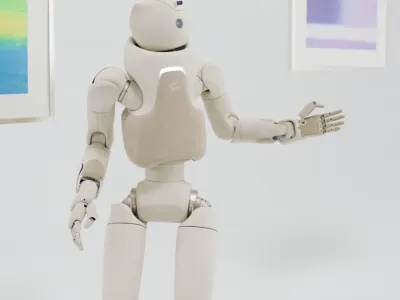
GR-3 rounds out the ranking as a humanoid aimed squarely at care, companionship, and teleoperated assistance. Its use cases in elderly care, healthcare facilities, home companionship, education, and public engagement make it distinct from the more industrial names above it. The robot’s value comes from human interaction and support in sensitive settings, where reliability and approachability matter more than heavy labor. GR-3 shows how humanoids are expanding into caregiving and assistance roles that require empathy, presence, and practical help. - Care-focused humanoid with strong interaction use cases - Best suited to healthcare and elder support environments
Sources
Related Articles
10 Best Humanoid Robots for Education & Research Labs
6/8/2026
Top 10 Humanoid Robot Launches of 2026 So Far
6/12/2026
The 5 Fastest & Most Agile Humanoid Robots in 2026
9/3/2026

Top 10 Humanoid Robots with the Best Learning Capabilities (AI Training) 2026
6/8/2026
Top 10 Humanoid Robots for Logistics & Delivery Tasks 2026
6/8/2026
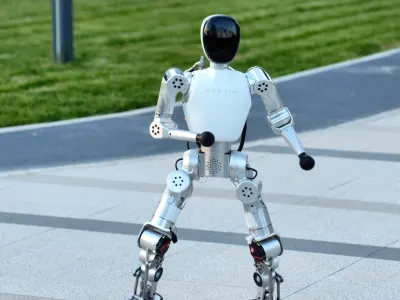
8 Most Compact Humanoid Robots in 2026
5/3/2026
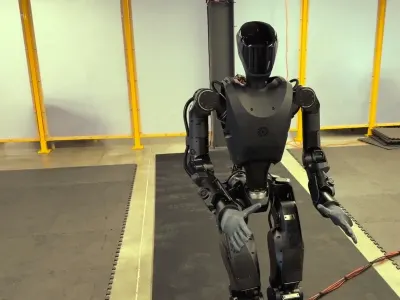
Top 5 Humanoid Robots Being Developed for Defense, Security & First Responders in 2026
10/9/2026
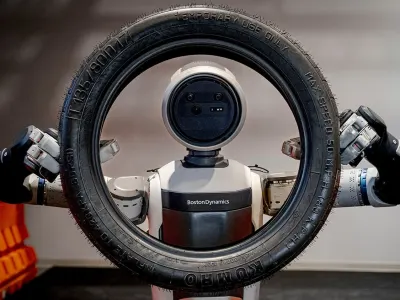
Top 10 Heavy-Duty Industrial Humanoid Robots for Automotive & Factory Assembly in 2026
10/9/2026

Top 10 Home Humanoid Robots for Domestic Tasks & Personal Assistance in 2026
10/5/2026