Top 10 Heavy-Duty Industrial Humanoid Robots for Automotive & Factory Assembly in 2026

Industrial Humanoids Lead Shift
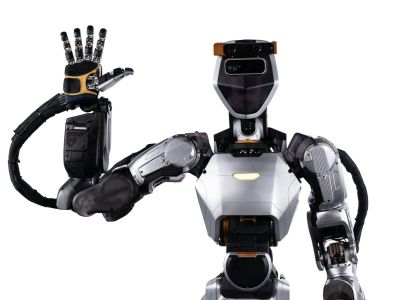
The 2026 race in automotive and factory assembly is no longer about spectacle, but about which humanoid robots can deliver repeatable precision on real production lines. The ranking reflects a clear industrial filter: torque control, stable bipedal motion, safe human proximity, and the ability to plug into PLC and MES workflows without disrupting cycle times. Rank #1 Atlas, Rank #2 Walker S2, and the rest of the field are being judged by whether they can move from demonstrations to dependable assembly, inspection, and material handling. That matters now because manufacturers want robots that can work alongside people under ISO 10218 expectations while improving throughput, traceability, and uptime.
Factory Readiness Defines Rank
What separates these robots in 2026 is not just mobility, but how well they fit the factory stack. The top entries are increasingly measured by whether they can handle high-value tasks such as precision fastening, kitting, part transfer, and quality checks, while preserving consistent cycle times and safe stop behavior around human workers. Rank order also tracks maturity: Atlas is positioned as the most capable heavy-duty platform, while Walker S2 emphasizes industrial deployment scale, and later entries lean more toward pilot programs, R&D, or selective task automation. The strongest systems are those that can combine dexterous manipulation, reliable autonomy, and integration-ready software for automotive plants that demand measurable productivity gains.
TOP 10 HUMANOIDS FOR AUTOMOTIVE & FACTORY ASSEMBLYin 2026-2027
Quick Overview
This ranking weighs industrial readiness, manipulation strength, and factory integration potential across the current humanoid field.
| Rank | Robot | Manufacturer | Key Strength | Best For |
|---|---|---|---|---|
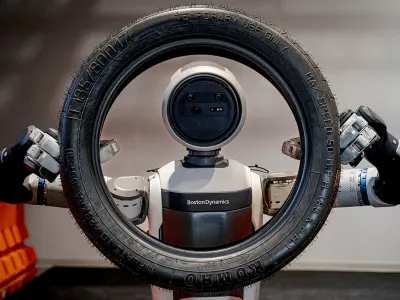
| #1 | 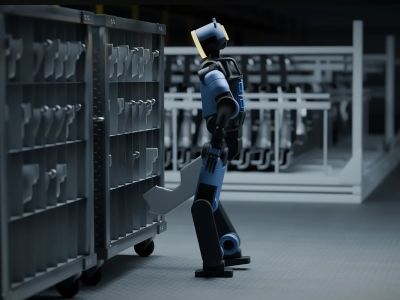 Atlas (Electric 2025) Atlas (Electric 2025) | Boston Dynamics | Humanoid / General Purpose | Heavy automotive part sequencing, damper strut lifting |
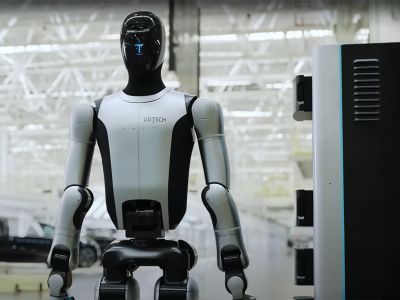
| #2 | 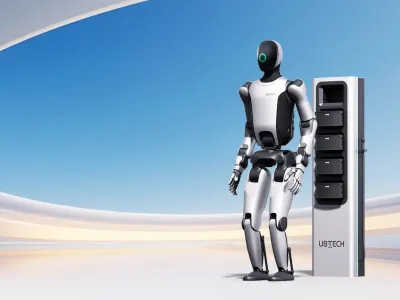 Walker S2 Walker S2 | UBTECH Robotics | Factory-oriented deployment scale | Automotive lines and logistics transfer |
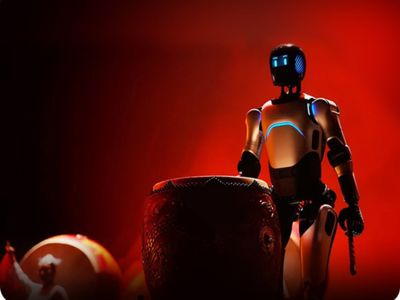
| #3 | 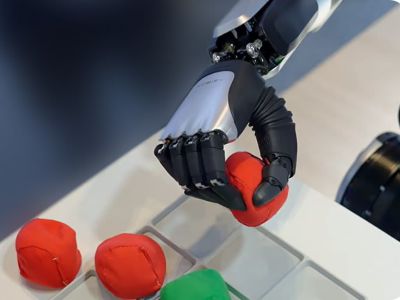 AgiBot A2 Ultra AgiBot A2 Ultra | AgiBot | Flexible multi-industry tasking | Manufacturing support and service workflows |
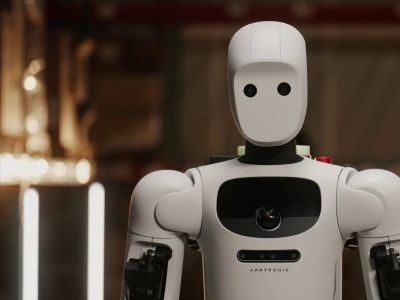
| #4 | 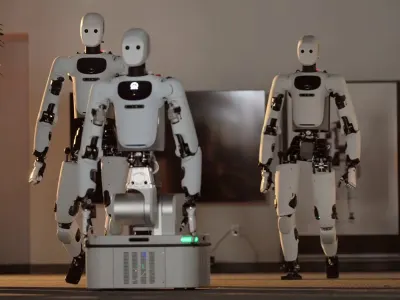 Apollo 2 Apollo 2 | Apptronik | Pilot-friendly industrial design | Goods-to-person and kitting |
| #5 | 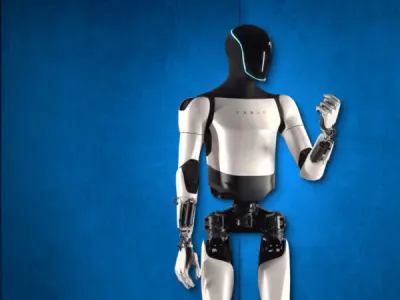 Optimus Optimus | Tesla | Long-term manufacturing ambition | Factory operations and inspection |
| #6 | 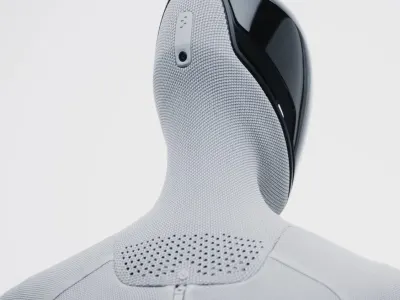 Figure 03 Figure 03 | Figure AI | General-purpose manipulation | Home-to-factory crossover tasks |
| #7 | 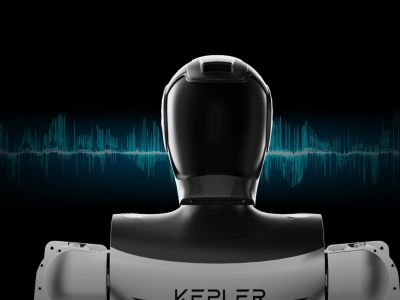 Forerunner K2 Forerunner K2 | Kepler Robotics | Materials handling focus | Sample processing and quality control |
| #8 | 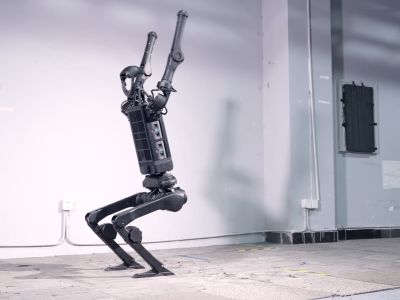 Unitree H1-2 Unitree H1-2 | Unitree Robotics | Agile humanoid locomotion | R&D, inspection, and demos |
| #9 |  Unitree H2 Plus Unitree H2 Plus | Unitree Robotics | Motion-control experimentation | Teleoperation and AI deployment studies |
| #10 | 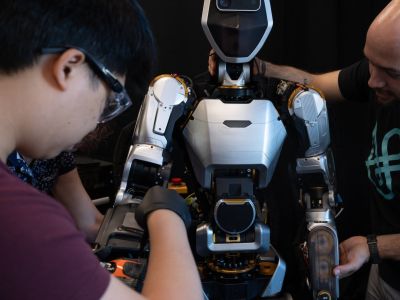 Phoenix Phoenix | Sanctuary AI | Cognitive task versatility | Industrial automation and data capture |
The top ten skew toward robots that can safely share space with humans, maintain consistent cycle times, and eventually connect cleanly to plant control systems rather than operate as isolated demos.
Explore the Robots
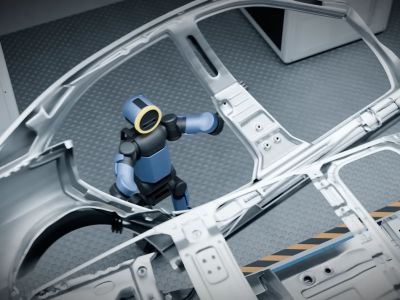
Atlas (Electric 2025)
Atlas is the ranking’s clear leader because it combines Boston Dynamics’ trademark balance and whole-body agility with a practical industrial direction. The electric version is built for real-world work rather than short-lived demos, making it relevant for automotive plants, warehouse logistics, and hazardous environments where stability and precise motion matter. Its main advantage is versatility under load, especially where a robot must recover from irregular surfaces, awkward part geometries, or changing workcell conditions.
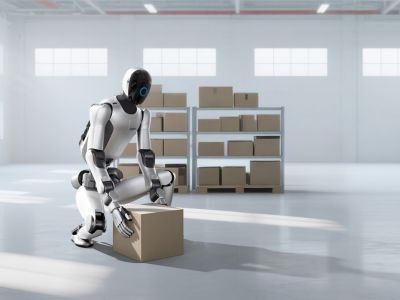
Walker S2
UBTECH's Walker S2 is the most factory-ready robot in this ranking. It began mass production and delivery on November 17, 2025, after Walker orders passed 800 million yuan from customers including BYD, Geely, FAW-Volkswagen and Audi FAW. Each arm carries 15 kg, the 73 kg robot walks at up to 2 m/s and swaps its own battery in about three minutes between two hot-swappable 2.3 kWh packs, and binocular cameras, LiDAR and force-torque sensors support assembly work. UBTECH lists it at US $120,000.

AgiBot A2 Ultra
AgiBot A2 Ultra is notable for its broad utility across customer-facing and industrial settings, but it earns its place here through manufacturing and logistics relevance. It is designed to move between roles such as material handling, research, and light production support, which makes it useful in facilities that want a flexible humanoid rather than a narrowly specialized machine. Its appeal lies in adaptability and task variety, not brute force. AgiBot A2 Ultra weighs 69 kg.
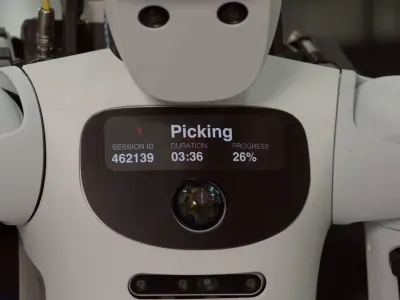
Apollo 2
Apollo 2 is Apptronik’s industrial humanoid aimed at specific factory applications rather than broad consumer-style use. It is well suited to goods-to-person movement, packout, automotive kitting, quality inspection, and machine tending, all of which are valuable in tightly organized plants. Its ranking reflects a design philosophy centered on controlled, repeatable workcells, where integration and reliability matter more than showy motion. Apollo 2 weighs 73 kg. It has 42 degrees of freedom. It carries 25 kg per arm.
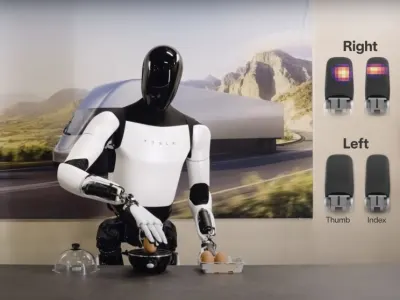
Optimus
Optimus remains one of the most closely watched humanoids because Tesla is framing it around manufacturing, logistics, and infrastructure work. Even so, its long-term potential is significant in factory inspection, remote operations, and line-side support where Tesla’s manufacturing culture could accelerate adoption. Optimus weighs 57 kg. It has 40+ degrees of freedom. Its listed speed is up to 8 km/h. It carries 20 kg. The listed price is $20,000 - $50,000.
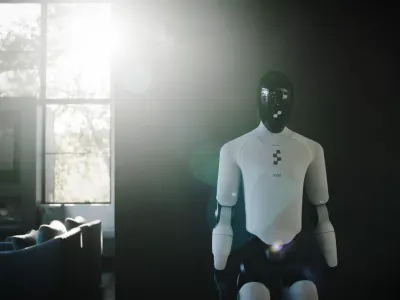
Figure 03
Figure 03 is positioned as a versatile humanoid with strong potential in home assistance, but it also carries meaningful industrial implications because of its manipulation focus. In factory contexts, its relevance comes from light object handling, cleaning tasks, and support work that can transfer into structured production environments. It ranks in the middle of the list because it looks promising for future assembly-adjacent roles, though its headline strength still points toward general-purpose interaction.
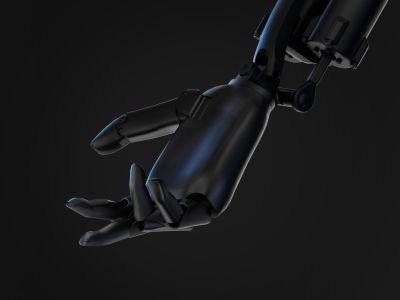
Forerunner K2
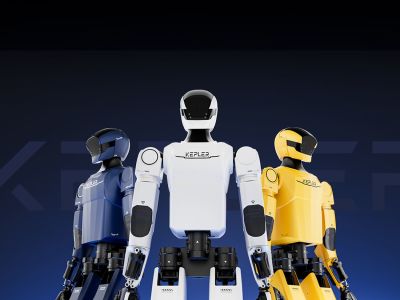
Forerunner K2 is built around materials handling and inspection-oriented use, which makes it a practical fit for controlled industrial settings. It is not the most visible platform in the ranking, but it matters for sample processing, patrol, and quality control, especially in plants that value routine movement and repeatable checks. Forerunner K2 weighs 75 kg. It has 52 degrees of freedom. Its listed speed is Up to 4 km/h walking. It carries 15 kg per arm.
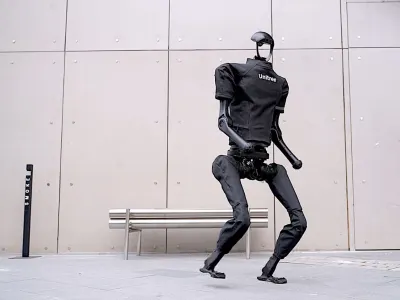
Unitree H1-2
Unitree H1-2 is best understood as a fast-moving platform for AI development and humanoid locomotion research, with industrial inspection and demonstration value layered on top. It ranks lower for factory assembly because its strongest identity is technical experimentation and movement capability rather than production integration. Still, it has value in proving out autonomy, balance, and human-facing interaction in settings where agility and software testing are priorities. Unitree H1-2 weighs 70 kg. It has 27 degrees of freedom.
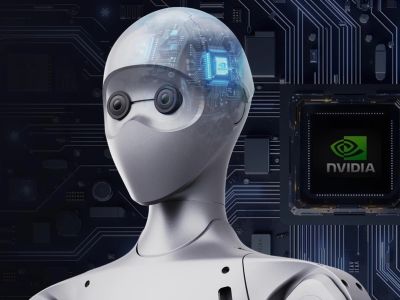
Unitree H2 Plus
Unitree's H2 Plus extends the H2 that Unitree unveiled on October 20, 2025, adding dexterous hands for factory assistance, teleoperation and motion-control research. It has 75 degrees of freedom in total across its legs, waist and arms, weighs about 70 kg and carries a rated 7 kg, with a peak of 15 kg. A 0.972 kWh battery lasts about three hours. That payload keeps it below the leaders for heavy-duty automotive assembly, though it suits trials and remote operation.
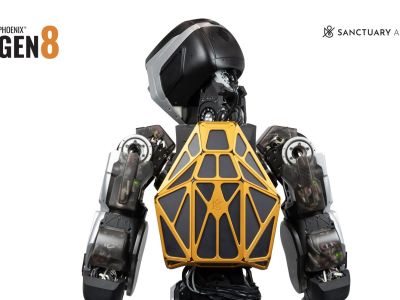
Phoenix
Phoenix remains important because Sanctuary AI has consistently pitched it as a cognitively capable humanoid for industrial automation, logistics, and service work. It rounds out the list as a flexible platform for data capture and support tasks, but it sits last here because the article prioritizes heavy-duty factory assembly readiness above broader task intelligence. Its most compelling role is in environments that need adaptable labor, not purely forceful production. Phoenix weighs 70 kg.
Sources
- Atlas (Electric 2025) Profile
- Walker S2 Profile
- AgiBot A2 Ultra Profile
- Apollo 2 Profile
- Optimus Profile
- Figure 03 Profile
- Forerunner K2 Profile
- Unitree H1-2 Profile
- Unitree H2 Plus Profile
- Phoenix Profile
- Atlas (Electric 2025): official specifications (Boston Dynamics)
- Boston Dynamics: Boston Dynamics reveals the all-electric Atlas as the successor to the retired hydraulic
- CnEVPost: UBTECH unveils the Walker S2, a humanoid that swaps its own battery autonomously in about
- AgiBot A2 Ultra: official specifications (AgiBot)
- CNBC: Tesla announces a humanoid robot, then called Tesla Bot, at its AI Day event
- Electrek: Tesla shows Optimus Gen 2 in a video, with faster walking, a lighter body and hands with
- Figure 03: official specifications (Figure AI)
- The Robot Report: Figure AI raises more than $1 billion in a Series C round, lifting its valuation to $39
- PR Newswire: Kepler releases its first-generation Forerunner K1 humanoid.
- Unitree H1-2: official specifications (Unitree Robotics)
- Unitree H2 Plus: official specifications (Unitree Robotics)
- Phoenix: official specifications (Sanctuary AI)
- Sanctuary AI (PR Newswire): Sanctuary AI unveils Phoenix, its sixth-generation humanoid general-purpose robot powered
- IEEE Spectrum Electric Atlas
Related Articles

Top 10 Wheeled & Hybrid Humanoid Robots for High-Speed Facility Mobility in 2026
9/9/2026
Top 10 Humanoid Robots with the Highest Payload & Heavy-Lifting Capacity in 2026
9/9/2026
Top 8 Social & Companion Humanoid Robots with Conversational Emotional AI for 2026-2027
9/20/2026
Top 8 Humanoid Robots Powered by Vision-Language-Action (VLA) Embodied AI in 2026
9/3/2026
Top 7 Humanoid Robots Transforming Healthcare, Hospitals & Eldercare in 2026
9/3/2026
Top 5 Fastest Humanoid Robots in September 2026
9/3/2026
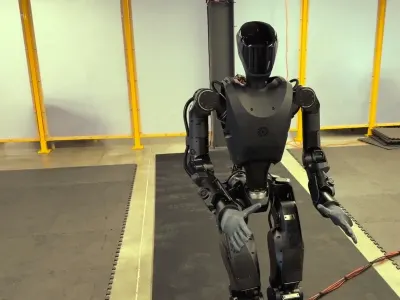
Top 5 Humanoid Robots Being Developed for Defense, Security & First Responders in 2026
10/9/2026
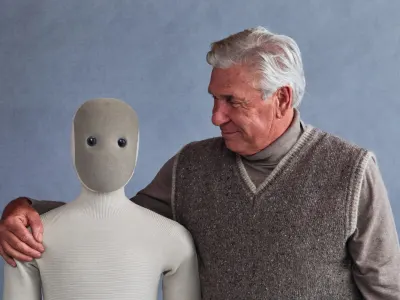
Top 10 Home Humanoid Robots for Domestic Tasks & Personal Assistance in 2026
10/5/2026
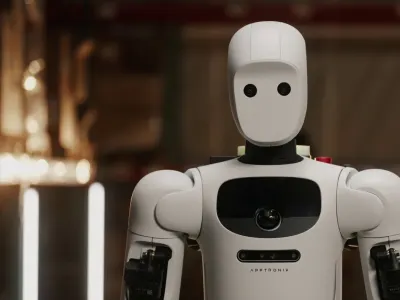
Top 7 Humanoid Robots Launched in Q3 2026 (July–September)
10/1/2026