Top 7 Humanoid Robots Transforming Healthcare, Hospitals & Eldercare in 2026
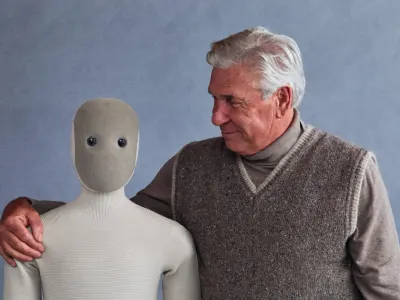
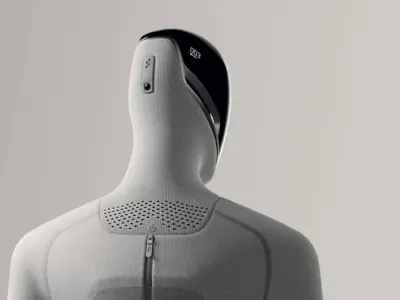
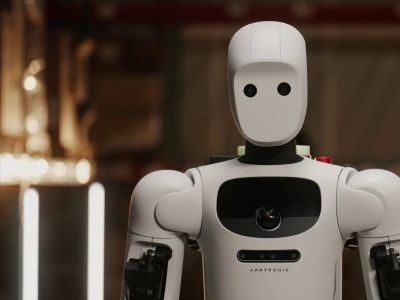
Care Robotics Rising Fast
Humanoid robots are moving from lab demos into hospitals, eldercare facilities, and home-support roles at a faster pace in 2026, and the ranking here reflects which platforms are most aligned with patient safety, medication logistics, empathetic interaction, and compliant day-to-day assistance. Rank #1 GR-3 leads because it is purpose-built for caregiving and companionship, while Rank #2 Pepper remains one of the most established social robots for reception, guidance, and senior engagement. Rank #3 Moxi stands out as a proven hospital helper, taking on repetitive delivery work that frees clinicians for patient-facing care. Lower-ranked systems such as Ameca, NEO, Figure 03, and Apollo 2 expand the picture from bedside support to broader human-robot interaction, domestic aid, and industrial workflow.
Safety Meets Utility
What separates this class of humanoids in 2026 is not just mobility, but the way developers are tuning them for trust, voice-led conversation, and practical support inside regulated environments. GR-3 and Pepper emphasize patient-friendly engagement, Moxi focuses on secure transport of supplies and specimens, and NEO and Figure 03 point toward future home-based elder assistance where telepresence and household handling matter. Ameca remains the benchmark for expressive interaction and AI testing, while Apollo 2 shows how hospital-adjacent logistics and precision handling can translate into broader care-adjacent workflows. Together, these robots signal a market shift from novelty to service reliability, where physical assistance and human comfort now matter as much as autonomy.
Quick Overview
This ranked comparison highlights how each robot fits a different layer of healthcare and eldercare delivery.
| Rank | Robot | Manufacturer | Key Strength | Best For |
|---|---|---|---|---|
| #1 | 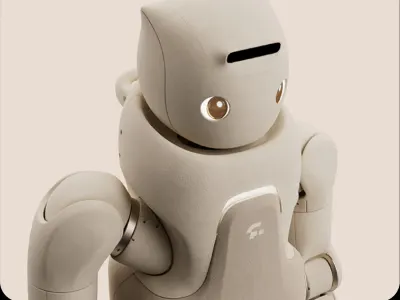 GR-3 GR-3 | Fourier Intelligence | Care-focused companionship with safe interaction design | Elderly care assistance and hospital support |
| #2 | 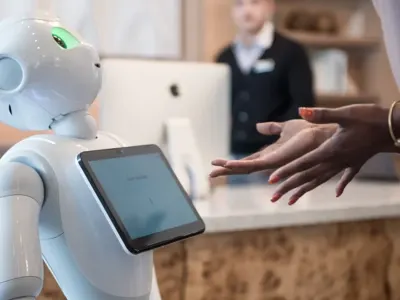 Pepper Pepper | SoftBank Robotics | Friendly reception and conversational engagement | Customer-facing healthcare and elder activities |
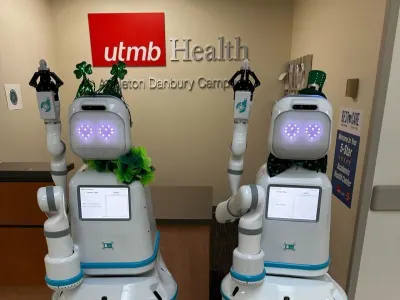
| #3 | 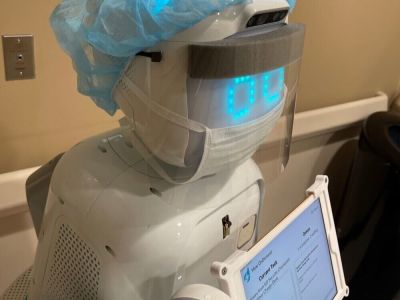 Moxi Moxi | Diligent Robotics | Reliable hospital logistics and routine transport | Delivering medical supplies and lab samples |
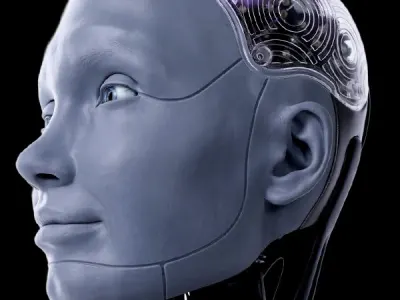
| #4 | 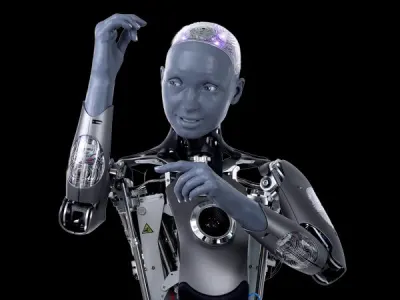 Ameca Ameca | Engineered Arts | Expressive human-robot interaction platform | Public demos and AI testing |
| #5 | 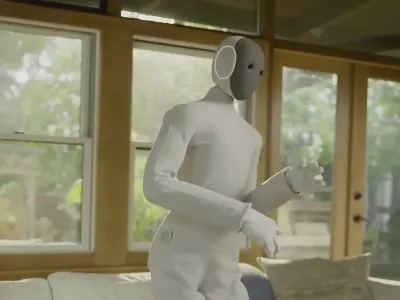 NEO Home Robot NEO Home Robot | 1X Technologies | Domestic assistance and telepresence potential | Home companionship and elder help |
| #6 | 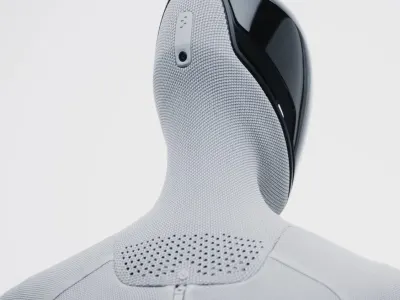 Figure 03 Figure 03 | Figure AI | General-purpose household and light manipulation | Home assistance and cleaning tasks |
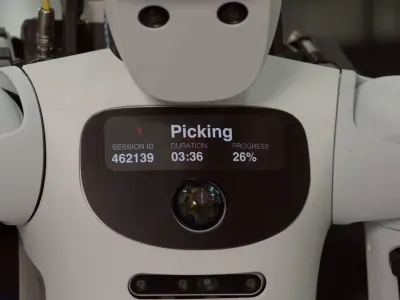
| #7 | 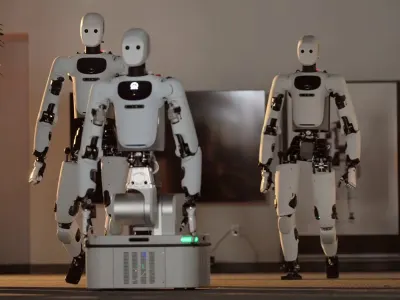 Apollo 2 Apollo 2 | Apptronik | Industrial strength with precision task support | Goods-to-person workflows and machine tending |
Taken together, the list shows a clear ranking from specialized care-first robots at the top to broader-purpose humanoids lower down, with medical usefulness, safety, and interaction quality driving placement.
Explore the Robots
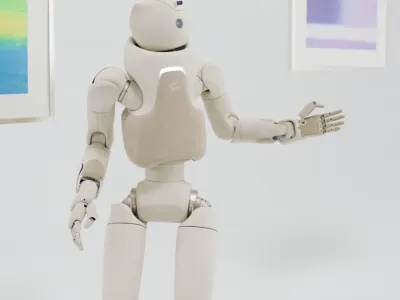
GR-3
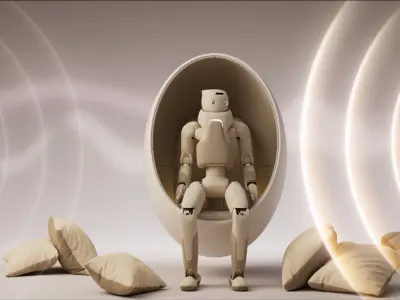
GR-3 is the clearest care-first humanoid in this list, built around companionship, emotional responsiveness, and practical support in clinics, eldercare settings, and homes. Its appeal is not heavy labor but patient-facing usefulness: greeting people, guiding simple interactions, assisting with routine tasks, and helping staff create a calmer environment. It stands apart because its design language favors warmth, approachability, and safe social presence rather than industrial toughness. In healthcare, that makes it better suited to supervised bedside support, visitor engagement, and elder companionship. - Best known for care-centric interaction - Strong fit for assisted living and healthcare settings - Designed to feel approachable rather than mechanical
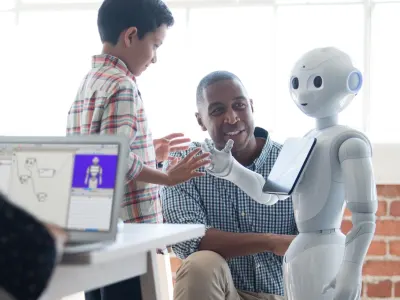
Pepper
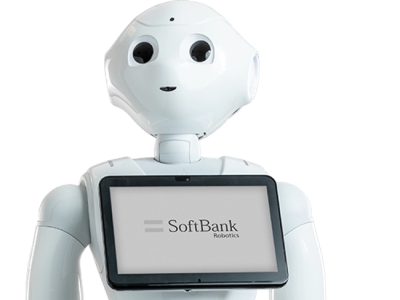
Pepper remains one of the best-known social humanoids because it excels at front-desk style interaction, conversational support, and guided engagement in public-facing spaces. In healthcare and eldercare, it works well as a greeter, scheduler, and activity companion, especially where simple communication and positive social presence matter more than physical labor. Its strength is accessibility: it can welcome visitors, direct patients, and support senior residents with light interaction tasks. Compared with newer care robots, Pepper is less about physical manipulation and more about making human spaces feel more organized and less intimidating. - Strong for reception and visitor support - Useful in eldercare programs and educational settings - Best when interaction is the main job
Moxi
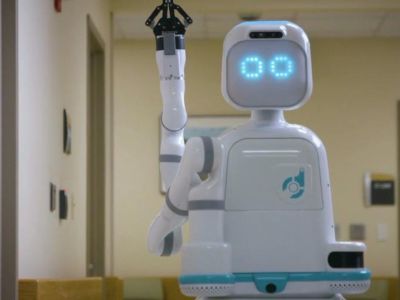
Moxi is the most operationally proven robot in hospital environments, built to handle the repetitive backstage tasks that drain nursing time. Its core value lies in moving supplies, transporting samples, restocking PPE, and retrieving equipment so clinicians can stay with patients longer. That makes it especially relevant to hospitals seeking measurable workflow relief without adding complexity at the bedside. Moxi differs from more expressive humanoids because it is judged less by personality and more by reliability, safety in hallways, and consistency under clinical routines. - Focused on logistics, not conversation - Reduces staff walking and task interruptions - Strong fit for busy hospital floors
Ameca
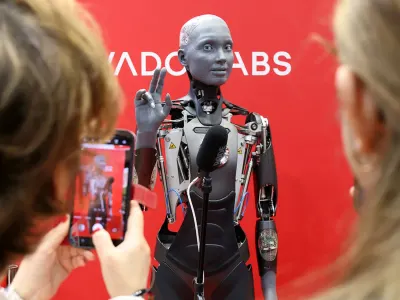
Ameca is the standout platform for expressive human-robot interaction, which gives it value in healthcare research, public demonstrations, and AI testing. While it is not primarily a hospital workhorse, it matters because future patient-facing robots will need to read and respond in ways that feel natural and reassuring. Ameca’s strength is social realism: it helps developers study how people react to robot speech, gestures, and facial cues. In the healthcare context, that makes it a useful reference point for empathetic voice AI and interaction design, even when it is not performing clinical tasks itself. - Best at lifelike interaction studies - Useful for testing response quality and trust - Strong showcase robot, not a utility robot

NEO Home Robot
NEO Home Robot points toward the next phase of elder support, where a humanoid can help inside the home with chores, object retrieval, and telepresence. Its importance in this ranking comes from its long-term promise: a robot that can assist older adults with everyday living while also serving as a remote presence tool for family or caregivers. That makes it especially relevant to aging-in-place strategies. Compared with hospital robots, NEO is more about domestic independence and continuity of care, which could become increasingly valuable as eldercare shifts beyond institutions. - Designed for home assistance and retrieval tasks - Supports elder independence and telepresence - More domestic than clinical in focus
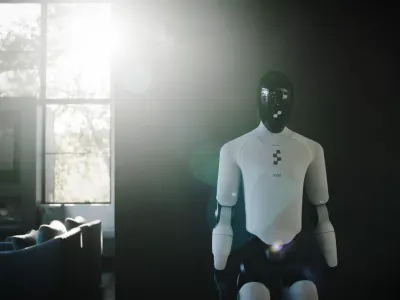
Figure 03
Figure 03 represents the general-purpose home humanoid category, with emphasis on household chores, light object handling, and cleaning support. In the healthcare and eldercare conversation, its value is indirect but important: it shows how future robots may help older adults manage daily life with less physical strain. It ranks below the care-specific systems because its strongest use case is still broad domestic assistance rather than regulated medical environments. Even so, its ability to move objects and perform routine chores makes it a compelling bridge between robotics research and practical aging support. - General household helper with growing potential - Good for light manipulation and chores - Relevant to aging-in-place support
Apollo 2
Apollo 2 is the most industrially oriented robot on this list, but it still matters to healthcare because the same precision and repeatability that help in factories can support logistics-heavy care environments. Its strengths are goods-to-person handling, kitting, inspection, and machine tending, which translate best to pharmacy, supply, and back-of-house operations rather than direct patient contact. In this ranking, it lands last because it is less specialized for bedside empathy or eldercare interaction, yet it remains important as a high-utility platform for compliant, repetitive physical work in controlled settings. - Strongest in structured task automation - Best for logistics and precision handling - More industrial than patient-facing
Sources
Related Articles
Top 8 Humanoid Robots Powered by Vision-Language-Action (VLA) Embodied AI in 2026
9/3/2026

Top 10 Wheeled & Hybrid Humanoid Robots for High-Speed Facility Mobility in 2026
9/9/2026
Top 10 Humanoid Robots with the Highest Payload & Heavy-Lifting Capacity in 2026
9/9/2026
The 5 Fastest & Most Agile Humanoid Robots in 2026
9/3/2026
Top 10 Humanoid Robot Launches of 2026 So Far
6/12/2026
10 Best Humanoid Robots for Education & Research Labs
6/8/2026
Top 5 Humanoid Robots Being Developed for Defense, Security & First Responders in 2026
10/9/2026
Top 10 Heavy-Duty Industrial Humanoid Robots for Automotive & Factory Assembly in 2026
10/9/2026
Top 10 Home Humanoid Robots for Domestic Tasks & Personal Assistance in 2026
10/5/2026