Top 10 Home Humanoid Robots for Domestic Tasks & Personal Assistance in 2026

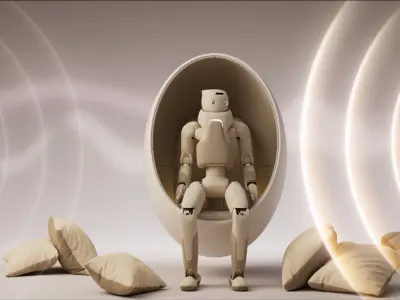

The Home Robot Race
The 2026 home humanoid market is no longer a speculative lab story, it is a competitive race to turn household usefulness into a product category. Rank #1 NEO Home Robot and Rank #2 Figure 03 sit at the center of that shift because both are explicitly aimed at domestic labor such as chores, retrieval, and personal assistance, while also signaling how quickly voice interaction, safer actuation, and softer hands are becoming table stakes. What matters now is not simply whether a robot can walk, but whether it can fold laundry, work around people, and fit into real homes without turning the kitchen into a test range.
Domestic Utility Becomes Real
The ranking reflects a broader transition from showcase humanoids to machines being shaped around everyday tasks, especially laundry folding, kitchen help, object handling, and elder support. Models like CloiD, Onero H1, and Memo emphasize domestic routines, while 4NE‑1, Walker X, Unitree G1, GR-3, and Optimus still balance household promise with industrial or research roots. That distinction matters for release timing: NEO is already positioned for consumer delivery, Figure 03 is in partner testing, and Optimus remains a late-stage production story rather than a home purchase. In 2026, the strongest home robots are defined as much by availability and safety as by mobility.
Top 10 Humanoid Robots for Domestic Tasks in 2026-2027
Quick Overview
This ranking blends household readiness, manipulation skill, safety, and consumer access.
| Rank | Robot | Manufacturer | Key Strength | Best For |
|---|---|---|---|---|
| #1 |  NEO Home Robot NEO Home Robot | 1X Technologies | Consumer-focused home assistance with early purchase access | Household chores, retrieval, elder support |
| #2 | 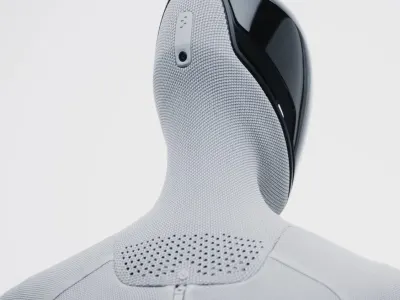 Figure 03 Figure 03 | Figure AI | Home-oriented humanoid with strong manipulation ambitions | Kitchen help, cleaning, assisted living |
| #3 |  CloiD CloiD | LG Electronics | Domestic service concept centered on appliance-adjacent tasks | Laundry, fridge organization, cooking support |
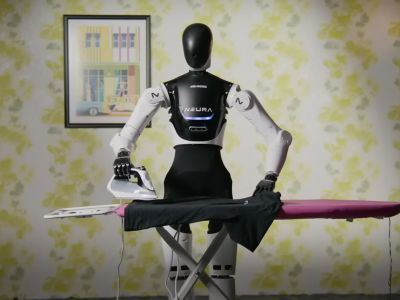
| #4 | 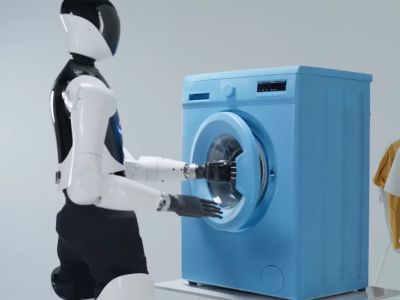 4NE-1 4NE-1 | NEURA Robotics | Humanoid / General Purpose | Collaborative industrial assembly, component kitting |
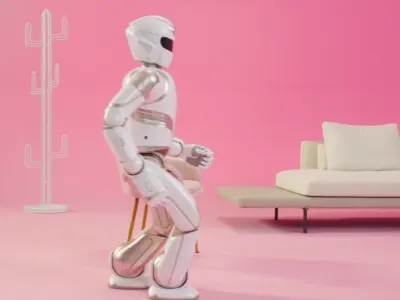
| #5 | 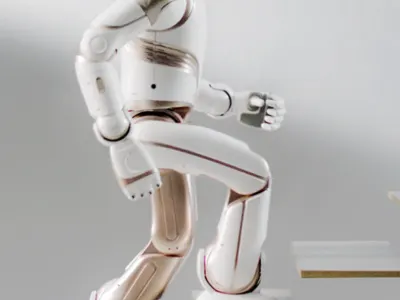 Walker X Walker X | UBTECH Robotics | Service humanoid with broad interaction capabilities | Smart homes, exhibitions, logistics support |
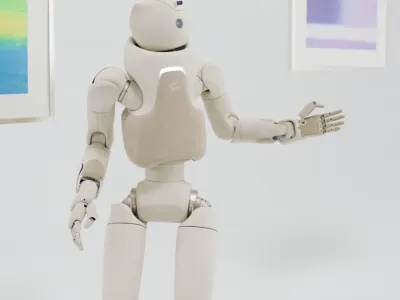
| #6 | 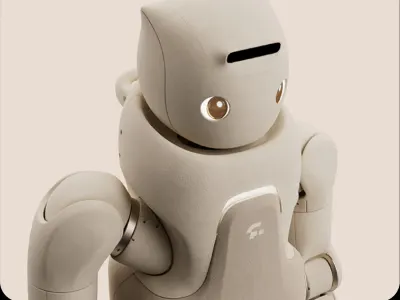 GR-3 GR-3 | Fourier Intelligence | Care-oriented humanoid designed around human interaction | Elder care, companionship, remote assistance |
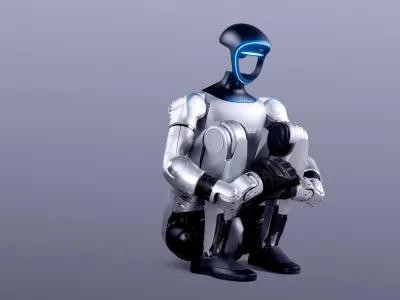
| #7 | 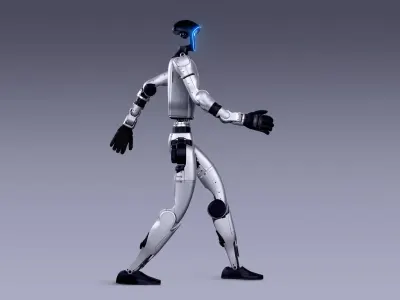 Unitree G1 Unitree G1 | Unitree Robotics | Accessible R&D platform with strong agility | Research, education, light handling |
| #8 | 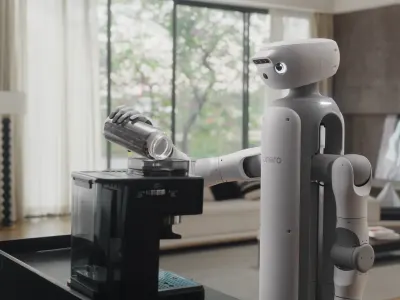 Onero H1 Onero H1 | SwitchBot | Home appliance ecosystem integration | Dishwashing, folding, cleaning tasks |
| #9 |  Memo Memo | Sunday Robotics | Domestic routine automation focus | Tidying, table clearing, espresso prep |
| #10 | 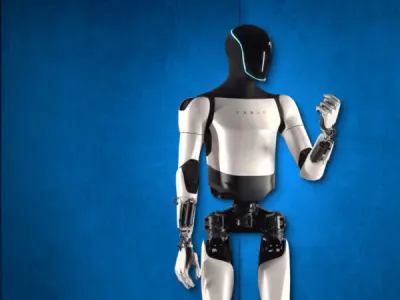 Optimus Optimus | Tesla | High-profile scalable humanoid program | Manufacturing, inspection, future household use |
The top tier is ordered by apparent domestic readiness, safety emphasis, and proximity to consumer access, while the lower half is still more prototype-driven or enterprise-centered.
Explore the Robots

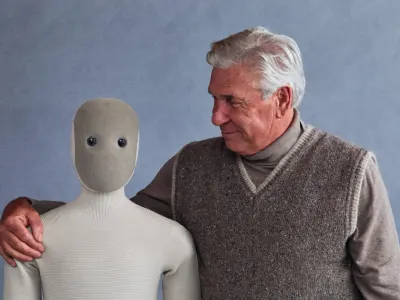
NEO Home Robot
NEO Home Robot is the clearest consumer-facing bet in the group because it is being positioned as a household helper rather than a distant research platform. Its appeal lies in practical domestic work such as object retrieval, delivery inside the home, light chores, elder assistance, and telepresence. That makes it especially relevant to families looking for a robot that can do more than demonstrate movement. What separates NEO is its early purchase pathway and strong home-first identity, which gives it a lead in a market where availability is now as important as capability. It is also the most visibly tied to the idea of a safe, soft-contact robot for living spaces.
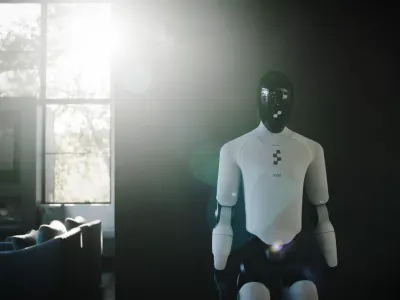
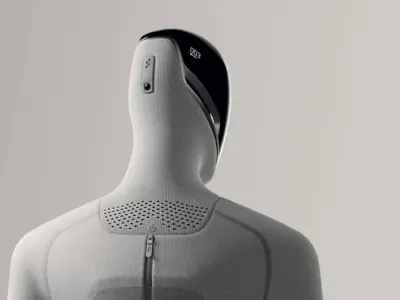
Figure 03
Figure 03 is built around the idea that a humanoid should work naturally in kitchens, living rooms, and other everyday spaces, not just in controlled demos. Its strongest promise is domestic utility, especially cleaning, light object manipulation, and household help that requires careful handling around people and furniture. The robot stands out because Figure has framed it as a general-purpose machine for daily life, with a path toward partner testing before broader availability. Its place in the ranking reflects both its ambition and the fact that it is still moving toward true consumer readiness. The design signal is clear: a home robot that aims to be useful, calm, and conversation-friendly.

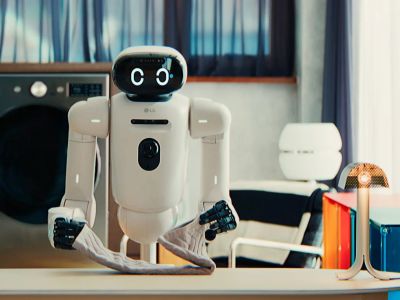
CloiD
CloiD represents LG’s attempt to bring humanoid robotics into the home through familiar chores rather than flashy performance. Its proposed strengths are laundry folding, refrigerator organization, cooking assistance, dishwasher loading, and elder-care support, all tasks that fit naturally into a domestic appliance ecosystem. That makes CloiD notable as a home-service robot concept with a brand advantage in consumer electronics and household hardware. It is less about industrial versatility and more about making the kitchen and laundry room feel automated. CloiD ranks high because its use cases are tightly aligned with real home pain points, even if its consumer availability path remains less visible than the leading entries.
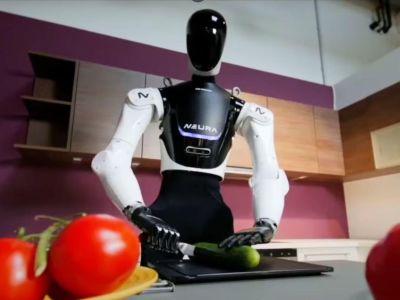
4NE-1
4NE‑1 is NEURA Robotics’ versatile humanoid and is positioned as a bridge between industrial utility and human-centered assistance. Its strongest story is flexibility, with use cases spanning manufacturing, logistics, inspection, research, demonstrations, and some human assistance scenarios that could eventually translate into domestic settings. In a home-rank list, it matters because platforms with robust manipulation and perception often become the foundation for later consumer robots. 4NE‑1 is not the most obviously home-ready system here, but it is one of the most credible all-around humanoids in development. Its relevance comes from broad capability and the possibility that enterprise lessons will improve household safety and reliability later.
Walker X
Walker X is one of the more established service humanoids in the lineup, with a profile that suits smart homes, logistics support, interactive exhibitions, and lab work. It is notable for being designed as a communication-friendly robot that can engage with people while handling practical tasks. That gives it value in environments where a robot must be socially legible as well as mechanically capable. For home use, Walker X is interesting because it points to the service layer of humanoid robotics: assistance, demonstration, and presence. Its ranking reflects a mix of maturity and limited consumer clarity, since it still reads more like a high-end service platform than a ready retail home product.
GR-3
GR-3 is the most care-oriented robot in the list, with a profile centered on elderly support, healthcare facility tasks, companionship, education, and teleoperated assistance. That makes it especially relevant to homes where safety, proximity, and social interaction matter as much as manual dexterity. In a domestic setting, GR-3’s value would come from helping older adults with light tasks and offering a steady, approachable presence rather than raw strength. It stands out for the way it merges healthcare use cases with home companionship. The ranking places it below the top domestic contenders because its strongest story is still care support rather than broad household automation, but that could prove highly valuable in aging societies.
Unitree G1
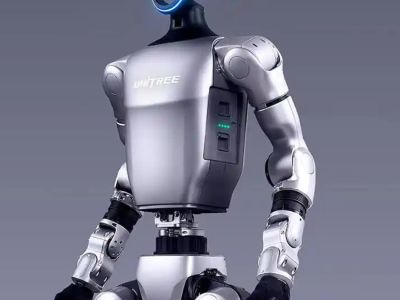
Unitree G1 is the most approachable research-oriented humanoid in the group, and that gives it an important place in the ranking even though it is not primarily a consumer home robot. Its strengths are R&D, palletization, handling, assembly, welding, education, and demonstration, which make it useful for developers exploring humanoid locomotion and manipulation. For domestic robotics, its significance is indirect but important: platforms like G1 help define what affordable humanoid hardware can do before consumer products catch up. It is less about making dinner or folding shirts today and more about proving the tools that may eventually enable those tasks. That makes it a stepping stone rather than a finished home appliance.
Onero H1
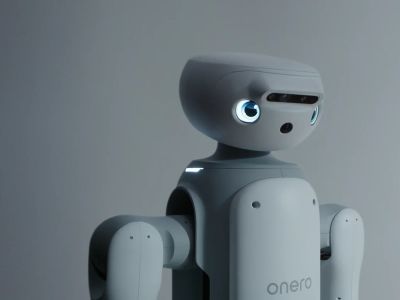
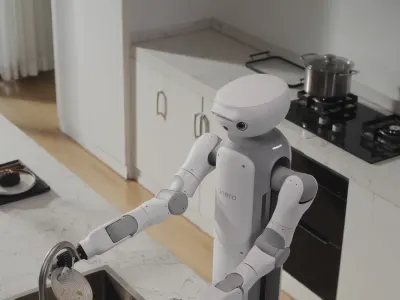
Onero H1 is built around chores that define everyday domestic value, especially dishwashing, laundry folding, coffee serving, object organization, and window cleaning. That narrow focus is a strength because home robots rarely win by trying to do everything at once. Instead, they gain trust by reliably handling repetitive, tedious routines in kitchens and utility spaces. Onero H1 stands out as a household helper concept that fits neatly into a smart-home environment, especially if paired with appliance integration. Its ranking reflects the promise of direct domestic usefulness, but also the uncertainty around consumer rollout and real-world autonomy. In practical terms, it is the kind of robot people imagine when they think of offloading boring chores.

Memo
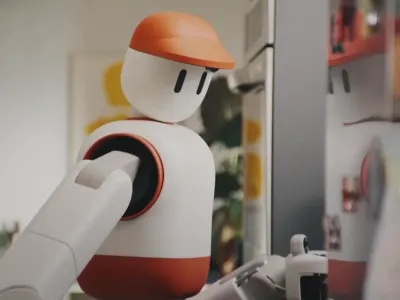
Memo is one of the clearest home-routine robots in the lineup, designed around dishwashing, laundry folding, tidying, table clearing, espresso preparation, and general household organization. That gives it a strong claim to the domestic niche because it targets the repetitive work that defines daily life rather than abstract robotics benchmarks. Memo is notable for the way it frames home assistance as a set of dependable micro-tasks, which could make it easier to integrate into real homes if the product matures. Its place near the bottom is less about usefulness and more about uncertainty around scale and availability. Still, its focus on kitchen and cleanup routines makes it one of the most relatable robots on the list.
Optimus
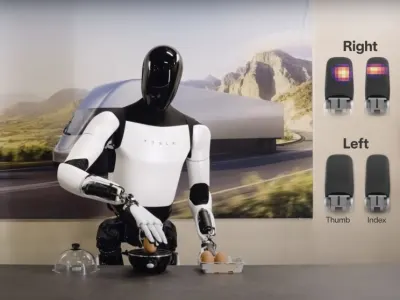
Optimus remains the most visible humanoid robot brand in the world, but in 2026 it is still better understood as a platform in development than a consumer home product. Its current focus is manufacturing, logistics, infrastructure inspection, research, and remote operations, which gives it strong industrial relevance but less immediate domestic readiness. What makes Optimus notable is scale potential: if Tesla delivers on production ambitions, it could eventually move into homes with far greater distribution power than most rivals. For now, though, it ranks last in a home-centric list because consumer access remains limited and the timeline is still tied to future production milestones rather than retail availability.
Sources
Related Articles

Top 10 Wheeled & Hybrid Humanoid Robots for High-Speed Facility Mobility in 2026
9/9/2026
Top 10 Humanoid Robots with the Highest Payload & Heavy-Lifting Capacity in 2026
9/9/2026
Top 8 Humanoid Robots Powered by Vision-Language-Action (VLA) Embodied AI in 2026
9/3/2026
Top 7 Humanoid Robots Transforming Healthcare, Hospitals & Eldercare in 2026
9/3/2026
The 5 Fastest & Most Agile Humanoid Robots in 2026
9/3/2026
Top 5 Humanoid Robots Being Developed for Defense, Security & First Responders in 2026
10/9/2026
Top 10 Heavy-Duty Industrial Humanoid Robots for Automotive & Factory Assembly in 2026
10/9/2026
Top 8 Social & Companion Humanoid Robots with Conversational Emotional AI for 2026-2027
9/20/2026