Top 8 Humanoid Robots Powered by Vision-Language-Action (VLA) Embodied AI in 2026
VLA Race Reshapes Robotics
The humanoid race in 2026 is increasingly being defined by Vision-Language-Action embodied AI, where robots do more than move, they interpret commands, plan tasks, and adapt in real time. That shift matters because the ranking is no longer just about mechanical dexterity, but about which platforms can turn natural language into useful work across homes, factories, and care settings. Rank #1 Figure 03 and Rank #2 Apollo 2 represent the clearest commercial signals, while the rest of the field shows how quickly humanoids are spreading across industrial and service roles with different strengths in autonomy, learning, and deployment readiness.
From Demos To Deployment
What separates this year’s leaders is the move from scripted demos to neural network policies that support zero-shot generalization and faster task switching. Rank order now reflects a mix of product maturity, task breadth, and how convincingly each robot handles unscripted environments, from household chores and elderly assistance to kitting, inspection, and logistics. Figure 03’s home-focused design, Apollo 2’s training-oriented platform, and Optimus’s factory ambitions show three distinct routes to scale. Below them, Unitree G1, GR-3, NEO Home Robot, Phoenix, and Walker S2 illustrate how VLA systems are being tuned for education, care, remote presence, and industrial workflows.
Quick Overview
This ranking weighs autonomy, natural language understanding, real-world task coverage, and near-term deployment potential.
| Rank | Robot | Manufacturer | Key Strength | Best For |
|---|---|---|---|---|
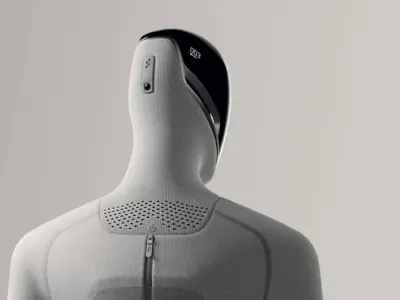
| #1 | 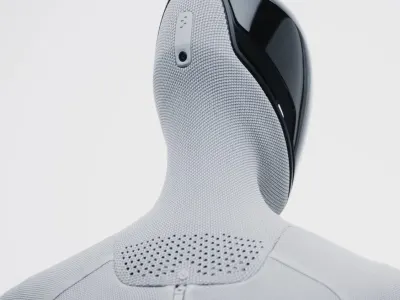 Figure 03 Figure 03 | Figure AI | Home-oriented VLA autonomy and general-purpose household task handling | Home assistance and elderly support |
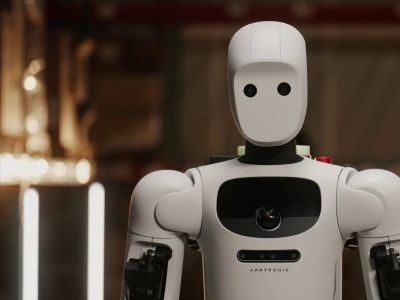
| #2 | 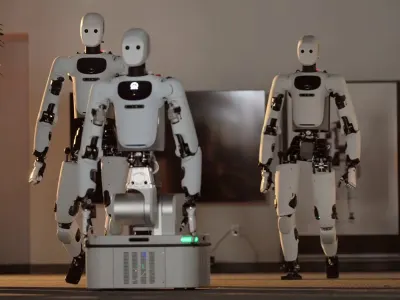 Apollo 2 Apollo 2 | Apptronik | Modular humanoid platform built for learning through deployment | Industrial pilots and training data collection |
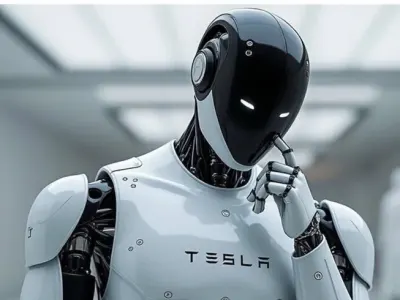
| #3 | 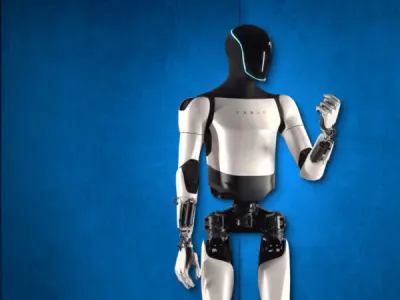 Optimus Optimus | Tesla | Large-scale manufacturing ambition with broad task flexibility | Manufacturing and logistics |
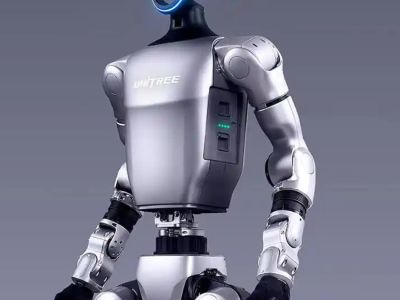
| #4 | 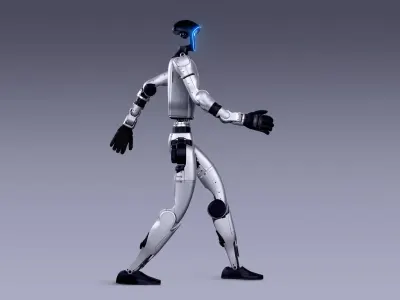 Unitree G1 Unitree G1 | Unitree Robotics | Accessible humanoid platform for research and skill development | R&D, education, and demonstrations |
| #5 | 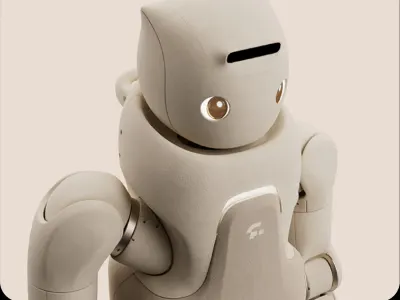 GR-3 GR-3 | Fourier Intelligence | Care-focused interaction for service and support settings | Elderly care and healthcare support |
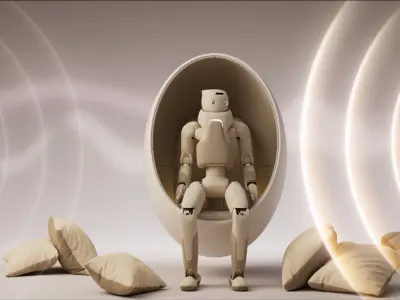
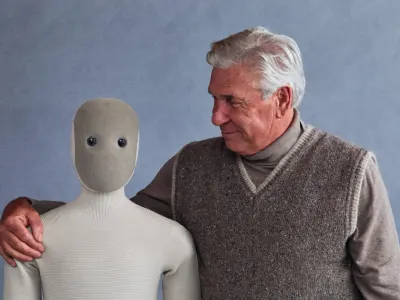
| #6 | 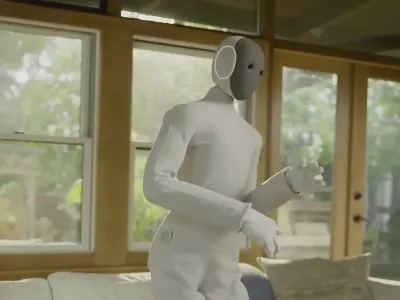 NEO Home Robot NEO Home Robot | 1X Technologies | Domestic service and telepresence emphasis | Household chores and in-home assistance |
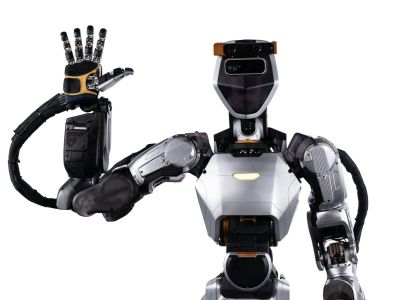
| #7 | 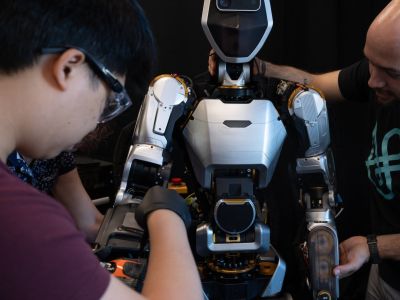 Phoenix Phoenix | Sanctuary AI | General-purpose labor platform for industrial and service environments | Automation, logistics, and research |
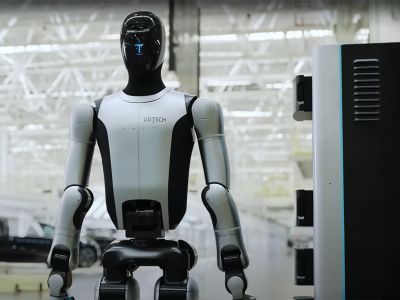
| #8 | 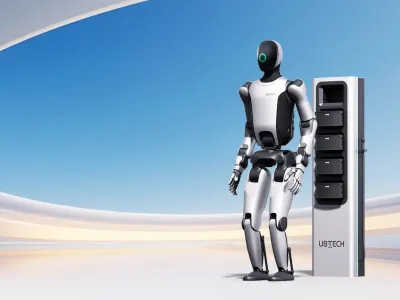 Walker S2 Walker S2 | UBTECH Robotics | Factory-ready humanoid built for repetitive industrial work | Assembly, inspection, and material transport |
Taken together, these eight robots show how VLA embodied AI is moving humanoids from controlled labs toward practical roles in homes, warehouses, hospitals, and factories.
Explore the Robots
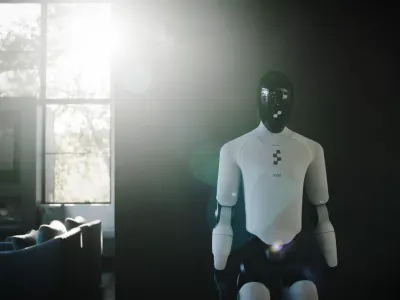
Figure 03
Figure 03 stands out as the most home-centered humanoid in this group, built around everyday utility rather than industrial spectacle. Its significance lies in how it combines natural-language interaction with practical domestic work such as cleaning, object handling, and assistance for older adults. That focus makes it different from robots optimized mainly for factory lines or research labs. - Designed for household environments and human-scale tasks. - Positioned as a general-purpose helper rather than a narrow-purpose machine. - Notable for its emphasis on real-world home autonomy and user-friendly interaction.
Apollo 2
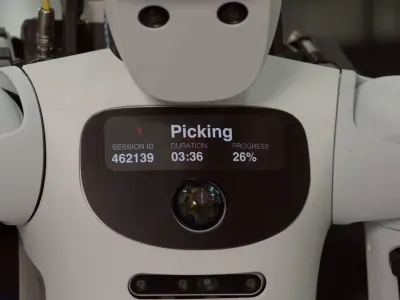
Apollo 2 is Apptronik’s latest humanoid platform and is framed as a workhorse for learning by doing. Its importance comes from its fit with industrial settings where goods movement, kitting, inspection, and machine tending demand repeatable but adaptable behavior. The platform’s role is less about flashy consumer appeal and more about proving that humanoids can improve through deployment data. - Built for real operational environments. - Suited to structured industrial tasks and pilot programs. - Distinguishes itself through training, adaptability, and modular deployment options.
Optimus
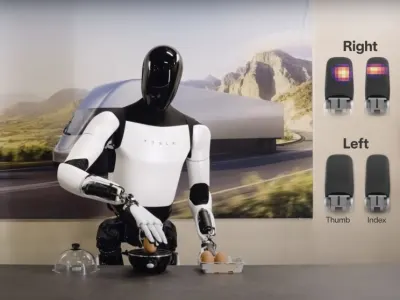
Optimus remains one of the most watched humanoids because Tesla is pairing it with a long-term manufacturing vision and a large-scale AI strategy. It is notable for its broad task scope, from production support to inspection and remote operations, which reflects Tesla’s aim to make it useful across internal operations before wider deployment. - Strong emphasis on manufacturing usefulness. - Positioned for repetitive, physically demanding work. - Stands out through Tesla’s AI and production ecosystem.
Unitree G1
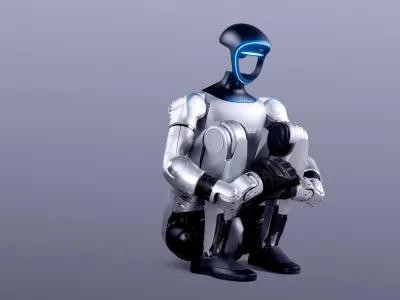
Unitree G1 is the most accessible research and demonstration platform in this list, which gives it outsized value for experimentation and skill development. Its appeal is in flexibility: it can support lab work, education, and hands-on testing of manipulation and locomotion behaviors. That makes it a practical stepping stone for teams developing VLA-driven humanoid capabilities. - Useful for robotics R&D and academic settings. - Good for learning, demos, and controlled task trials. - Differentiates itself through affordability and experimentation value.
GR-3
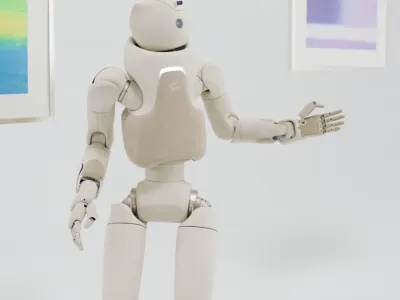
GR-3 is shaped around care, interaction, and supportive presence rather than heavy labor. Its strongest differentiator is the way it targets elderly care, healthcare support, and public engagement, where communication and trust matter as much as movement. In a field dominated by factories, GR-3 points to a more human-centered future for humanoids. - Focused on social and caregiving applications. - Suited to emotionally sensitive environments. - Distinct for companionship and service-oriented interaction.

NEO Home Robot
NEO Home Robot is built around domestic convenience and in-home assistance, making it one of the clearest consumer-facing concepts in the category. Its purpose is to handle routine chores, retrieve objects, move items inside the home, and support telepresence. That combination gives it a practical identity as a household helper with research relevance. - Designed for daily home support. - Emphasizes object retrieval and delivery inside living spaces. - Stands out through telepresence and elder-assistance potential.
Phoenix
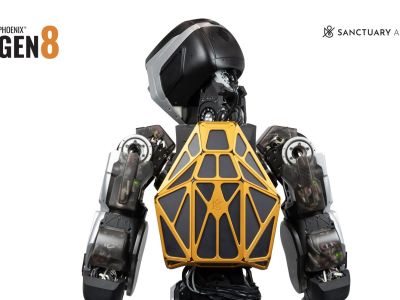
Phoenix represents a broad, ambitious humanoid platform aimed at labor, service, and research use cases. Its value comes from its adaptability across industrial automation, customer-facing work, healthcare support, and logistics handling. That versatility makes it a strong example of how VLA systems can generalize across different task families without being locked into one setting. - Oriented toward multi-domain deployment. - Balances physical work with service and data collection. - Distinguishes itself through breadth of applications.
Walker S2
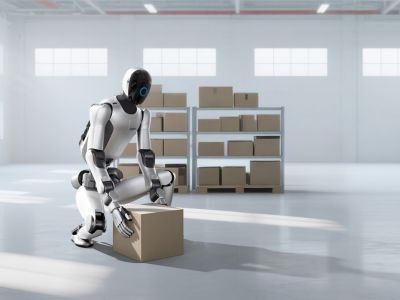
Walker S2 is optimized for factory-floor utility, where consistency, endurance, and repeatability matter most. Its role in assembly, transport, inspection, and battery swapping shows a robot tailored to routine industrial workflows rather than open-ended domestic use. That makes it a strong representative of the practical, production-first side of humanoid robotics. - Built for structured industrial environments. - Good for transport, inspection, and line support. - Notable for maintenance-related autonomy and factory integration.
Sources
Related Articles

Top 10 Wheeled & Hybrid Humanoid Robots for High-Speed Facility Mobility in 2026
9/9/2026
Top 10 Humanoid Robots with the Highest Payload & Heavy-Lifting Capacity in 2026
9/9/2026
Top 8 Social & Companion Humanoid Robots with Conversational Emotional AI for 2026-2027
9/20/2026
Top 7 Humanoid Robots Transforming Healthcare, Hospitals & Eldercare in 2026
9/3/2026
The 5 Fastest & Most Agile Humanoid Robots in 2026
9/3/2026
Top 10 Humanoid Robot Launches of 2026 So Far
6/12/2026
Top 5 Humanoid Robots Being Developed for Defense, Security & First Responders in 2026
10/9/2026
Top 10 Heavy-Duty Industrial Humanoid Robots for Automotive & Factory Assembly in 2026
10/9/2026
Top 10 Home Humanoid Robots for Domestic Tasks & Personal Assistance in 2026
10/5/2026