Top 10 Humanoid Robots with the Highest Payload & Heavy-Lifting Capacity in 2026


Heavy Lifting Reorders Rankings
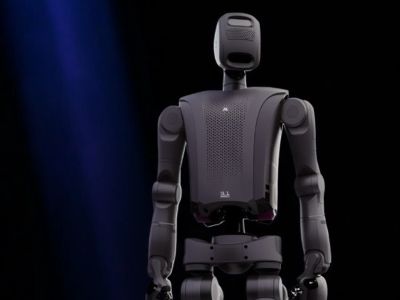
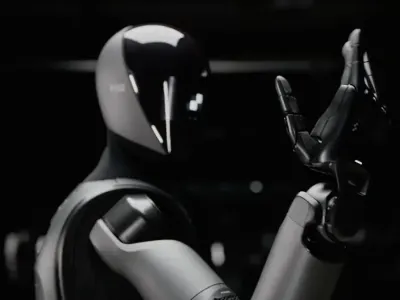
The humanoid race in 2026 is increasingly being decided by raw lifting ability, not just walking demos or flashy dexterity. In this ranking, Atlas sits at Rank #1 because it is built for the hardest industrial jobs, with a documented 50 kg instant lift and 30 kg sustained carry profile that puts it ahead of the field for heavy automotive sequencing, palletizing, and machine tending. The rest of the list reflects a broader market shift: robots are being evaluated on whether they can move crates, handle parts in two-handed carries, and maintain balance under load inside real factories. That makes payload a practical measure of commercial readiness, not just engineering ambition.
Payload Becomes Proof
What separates this year’s strongest humanoids is how they manage load across the whole body. Arm payload numbers matter, but torso counterbalance, gait stability, and coordinated two-handed lifting now define who can survive real warehouse work rather than only stage demonstrations. Figure 02’s BMW plant testing, Tesla Optimus’s 20 kg carrying target, and Atlas’s factory-focused deployments show the same pattern: the market is moving from isolated arm strength to full-body material handling. Lower-ranked machines still matter because they are tailored for precision tasks, inspection, or service roles, but in this ranking the order rewards the robots most likely to lift, carry, and keep working in repetitive industrial environments.
Quick Overview
This ranking compares the 10 humanoids by heavy-lifting potential, industrial utility, and how close they are to real warehouse and factory deployment.
| Rank | Robot | Manufacturer | Key Strength | Best For |
|---|---|---|---|---|
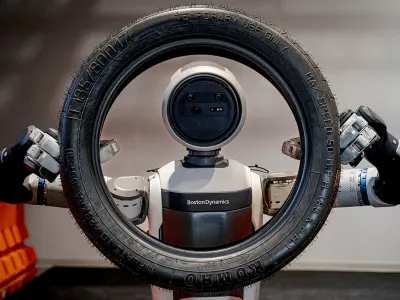
| #1 | 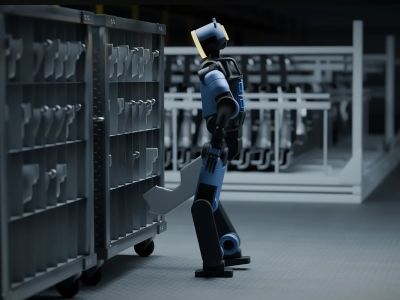 Atlas (Electric 2025) Atlas (Electric 2025) | Boston Dynamics | Humanoid / General Purpose | Heavy automotive part sequencing, damper strut lifting |
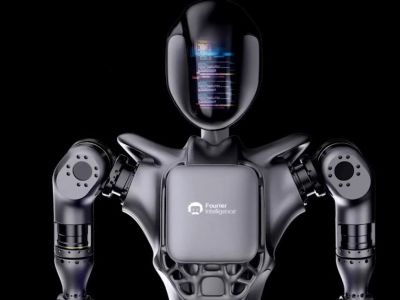
| #2 | 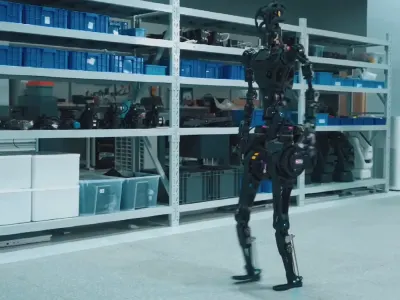 GR-1 GR-1 | Fourier Intelligence | Human-safe support with service-oriented handling | Medical rehabilitation and care support |
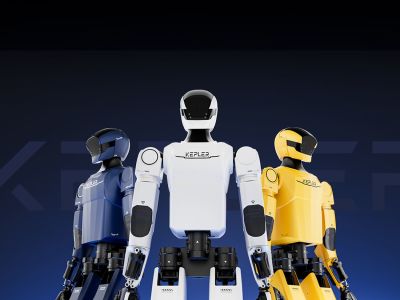
| #3 | 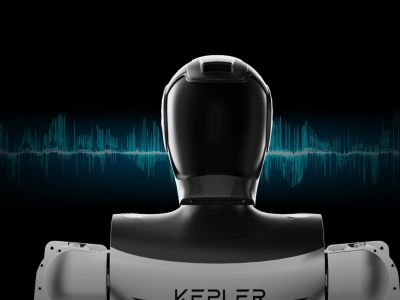 Forerunner K2 Forerunner K2 | Kepler Robotics | Practical materials handling and inspection balance | Sample processing and quality control |
| #4 | 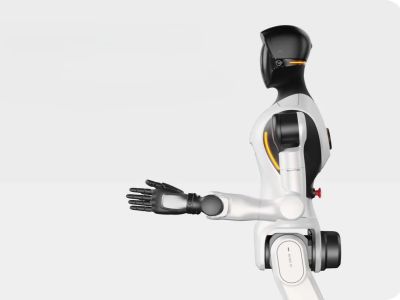 AgiBot G2 AgiBot G2 | AgiBot | Precision assembly with robust factory handling | Sub-millimeter assembly and kitting |
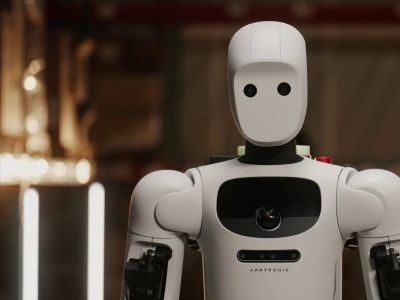
| #5 | 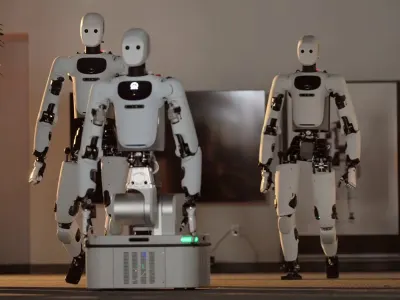 Apollo 2 Apollo 2 | Apptronik | Broad industrial task fit with carry-focused design | Goods-to-person and machine tending |
| #6 | 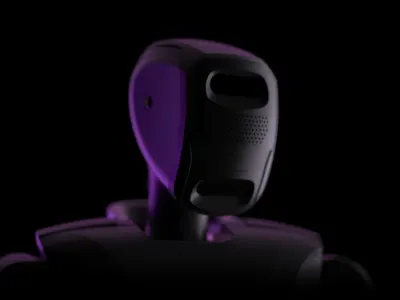 Menteebot V3.0 Menteebot V3.0 | Mentee Robotics | Flexible operation across industrial and remote use cases | Logistics and infrastructure inspection |
| #7 | 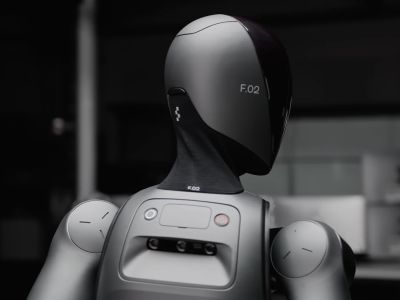 Figure 02 Figure 02 | Figure AI | Proven factory trial credibility | Automotive bin picking and sorting |
| #8 | 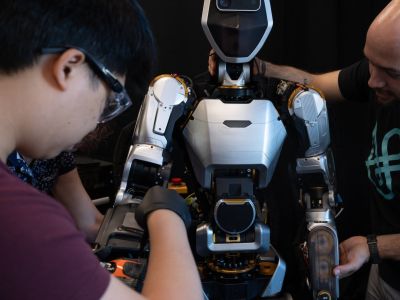 Phoenix Phoenix | Sanctuary AI | General-purpose handling with enterprise ambition | Logistics, service, and research |
| #9 | 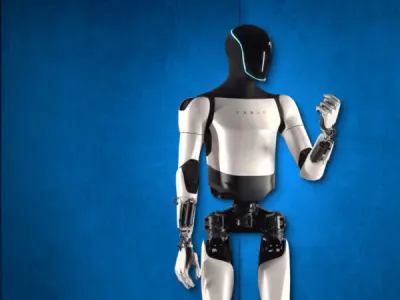 Optimus Optimus | Tesla | Strong carry target with broad automation intent | Manufacturing and internal logistics |
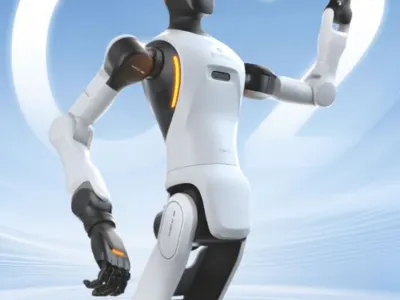
| #10 | 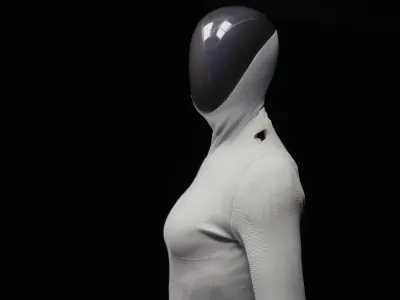 Next-Gen IRON Next-Gen IRON | XPENG | Humanoid / General Purpose | Reception, guidance |
The list shows a clear divide: Atlas leads in brute strength, while the others compete on balanced payload, control, and deployability in real workflows.
Explore the Robots
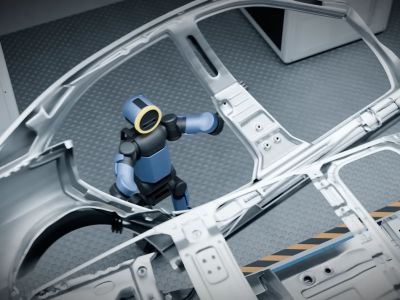
Atlas (Electric 2025)
Atlas is the benchmark for heavy-duty humanoid work in 2026 because it is framed around factory usefulness rather than research spectacle. Its appeal is simple: it can manage serious industrial loads while keeping enough agility for sequencing, tending, and repetitive material movement. That makes it stand out in automotive plants and warehouse-adjacent workflows where a robot must lift, reposition, and repeat without losing stability. Atlas (Electric 2025) weighs 90 kg. It has 56 degrees of freedom.
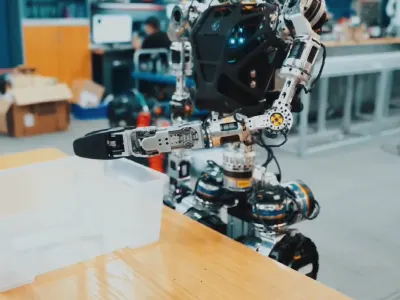
GR-1
GR-1 is notable for positioning humanoid robotics around assisted care and embodied intelligence rather than brute-force manufacturing. Its payload role is secondary to its service flexibility, but it still belongs in this ranking because its design targets useful handling in controlled environments such as rehab facilities, elder care, and inspection settings. Its value lies in being able to support people and routine workflows without the aggressive industrial posture of the heavier machines.
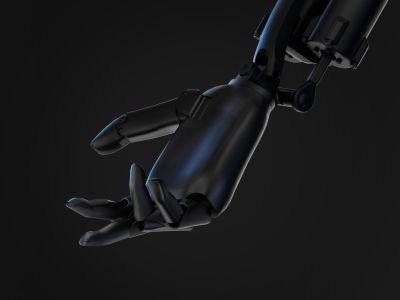
Forerunner K2
Forerunner K2 is built for practical industrial movement, especially where materials must be lifted, sorted, and checked as part of a production line. It matters in this ranking because it bridges lifting and inspection, which is exactly where many factories need humanoids to perform reliably. Its strongest use case is not maximum brute force, but dependable load handling in sample processing, patrol, and quality control. Forerunner K2 weighs 75 kg. It has 52 degrees of freedom.
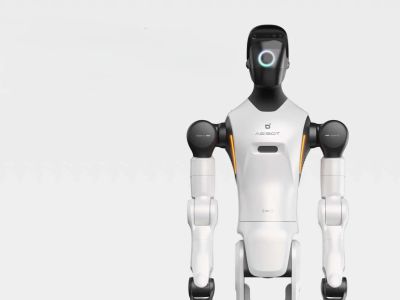
AgiBot G2
AgiBot G2 stands out for precision industrial work that still requires stable load handling, especially in assembly environments where alignment matters as much as strength. It is less about moving the heaviest objects and more about carrying and placing components accurately during kitting, machine tending, and fine assembly. That combination gives it a strong place in a payload ranking aimed at real factory utility. AgiBot G2 weighs 185 kg. It has 26 degrees of freedom.
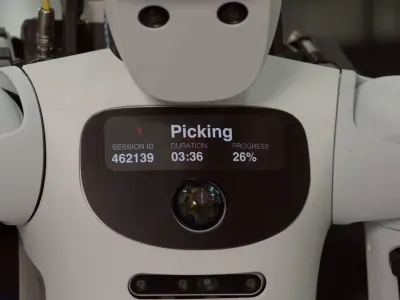
Apollo 2
Apollo 2 is designed as a broad industrial assistant, with a use profile centered on goods-to-person movement, packout, automotive kitting, quality inspection, and machine tending. Its inclusion here reflects the growing demand for robots that can handle repeated warehouse-style transfers rather than only isolated lifts. Apollo 2 weighs 73 kg. It has 42 degrees of freedom. It carries 25 kg per arm. Runtime per charge is 4 hours on full charge. The listed price is $80,000/year.
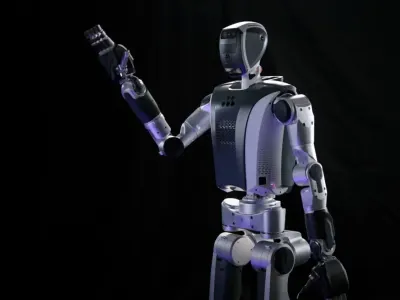
Menteebot V3.0
Menteebot V3.0 is aimed at adaptable field and industrial operations, where a humanoid must support logistics, inspection, and remote tasks without being locked into one setting. In this ranking, it represents the class of robots that matter because they can carry useful loads while preserving mobility across factories, infrastructure sites, and research environments. It is less a brute-force mover than a flexible all-round operator. Menteebot V3.0 weighs 70 kg. It has 40 degrees of freedom.
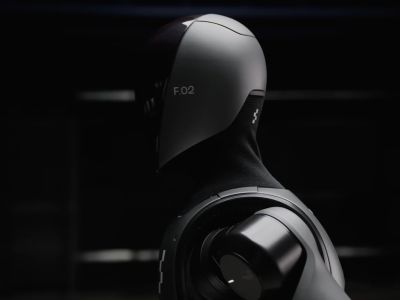
Figure 02
Figure 02 has earned attention because it is one of the few humanoids tied to real production testing, including BMW Spartanburg. That matters in a payload ranking because industrial credibility depends on whether a robot can handle part placement, bin picking, and conveyor-to-tote sorting under actual factory conditions. Figure 02 is not the strongest lifter on the list, but it is among the most visible examples of a humanoid moving from demo tasks into line-side work.
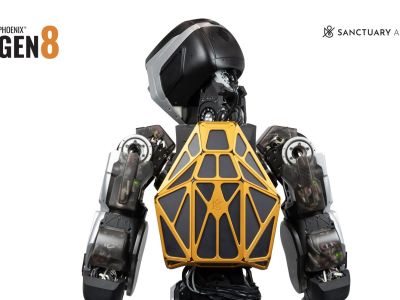
Phoenix
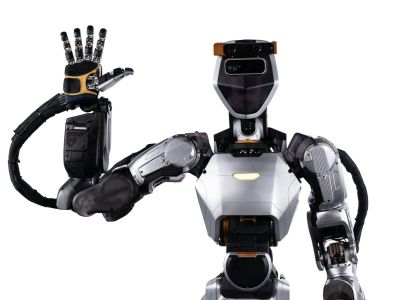
Phoenix is ranked on evidence rather than a published payload, because Sanctuary AI lists heavy lifting among its capabilities but gives no lifting figure. The 70 kg humanoid has 75 degrees of freedom across its head, arms, hands, legs and torso, walks at up to 5 km/h and runs about four hours on a 3.5 kWh battery. Sanctuary unveiled the sixth generation on May 16, 2023 and the seventh in April 2024, so buyers need to test its payload themselves.
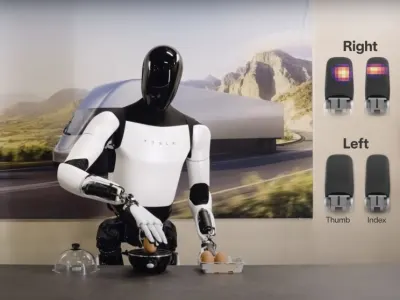
Optimus
Optimus remains one of the most watched humanoids because Tesla has tied it to manufacturing, logistics, and infrastructure work, with a carrying target around 20 kg and broader lift ambitions. In a heavy-lifting ranking, it lands lower than Atlas because its current verified carrying capacity is more conservative, but its importance lies in scale potential and industrial integration. Optimus weighs 57 kg. It has 40+ degrees of freedom. Its listed speed is up to 8 km/h.

Next-Gen IRON
Next‑Gen IRON rounds out the list as a service-first humanoid with inspection and guidance roles that can still benefit from meaningful payload capability. Its use cases point to retail, reception, and industrial support rather than the hardest warehouse lifting, but that still places it inside the broader heavy-capacity conversation because service robots increasingly need to move objects, not just converse. Next-Gen IRON weighs 70 kg. It has 82 degrees of freedom. Its listed speed is 7 km/h / 1.9 m/s.
Sources
- Atlas (Electric 2025) Profile
- GR-1 Profile
- Forerunner K2 Profile
- AgiBot G2 Profile
- Apollo 2 Profile
- Menteebot V3.0 Profile
- Figure 02 Profile
- Phoenix Profile
- Optimus Profile
- Next-Gen IRON Profile
- Atlas (Electric 2025): official specifications (Boston Dynamics)
- Boston Dynamics: Boston Dynamics reveals the all-electric Atlas as the successor to the retired hydraulic
- GR-1: official specifications (Fourier Intelligence)
- The Robot Report: Fourier launches the production version of the GR-1: 1.65 m, 55 kg, 40 degrees of freedom
- PR Newswire: Kepler releases its first-generation Forerunner K1 humanoid.
- AgiBot G2: official specifications (AgiBot)
- The Robot Report: Mobileye announces it will acquire Mentee Robotics for about $900 million, with the deal
- TechCrunch: Figure AI unveils Figure 02, its second-generation humanoid, with onboard vision-language
- Figure AI: Figure introduces Figure 03 as its next-generation humanoid, designed for the home and for
- Phoenix: official specifications (Sanctuary AI)
- Sanctuary AI (PR Newswire): Sanctuary AI unveils Phoenix, its sixth-generation humanoid general-purpose robot powered
- CNBC: Tesla announces a humanoid robot, then called Tesla Bot, at its AI Day event
- Electrek: Tesla shows Optimus Gen 2 in a video, with faster walking, a lighter body and hands with
- Next-Gen IRON: official specifications (XPENG)
- CnEVPost: Xpeng unveils the Next-Gen IRON at its 2025 AI Day, with a 22-DoF hand, three Turing AI
Related Articles
Top 8 Social & Companion Humanoid Robots with Conversational Emotional AI for 2026-2027
9/20/2026

Top 10 Wheeled & Hybrid Humanoid Robots for High-Speed Facility Mobility in 2026
9/9/2026
Top 8 Humanoid Robots Powered by Vision-Language-Action (VLA) Embodied AI in 2026
9/3/2026
Top 7 Humanoid Robots Transforming Healthcare, Hospitals & Eldercare in 2026
9/3/2026
Top 5 Humanoid Robots Being Developed for Defense, Security & First Responders in 2026
10/9/2026
Top 10 Heavy-Duty Industrial Humanoid Robots for Automotive & Factory Assembly in 2026
10/9/2026
Top 10 Home Humanoid Robots for Domestic Tasks & Personal Assistance in 2026
10/5/2026