Top 8 Social & Companion Humanoid Robots with Conversational Emotional AI for 2026-2027

Emotional AI Takes Lead
Social and companion humanoids are moving from spectacle to utility, and the 2026-2027 market is being shaped by robots that can sustain eye contact, read conversational cues, and reduce the friction of talking to machines. Rank #1 Ameca leads because it is built as the clearest benchmark for human-robot interaction studies and public demonstrations, while the rest of the field increasingly competes on more practical emotional AI: faster voice response, more natural micro-expressions, and memory that makes repeated interactions feel less transactional. That matters now because buyers and researchers are no longer asking only what a robot can say, but how comfortably people can keep speaking to it over time.
Comfort Becomes Competitive
The real shift behind this ranking is that emotional performance is now part of product design, not a cosmetic layer. Rank #2 Furhat stands out for conversational training and language work, Rank #3 ARI for guided interaction in retail and care, and Rank #4 NEO for the emerging home-assistance category where trust and recall matter as much as mobility. Lower-ranked systems such as Grace, Sophia, Robo-C2, and GR-3 show how the category splits between research, hospitality, healthcare, and companionship settings. Across the lineup, the winning robots are the ones that can manage latency without awkward pauses, adapt tone across sessions, and make people feel understood rather than merely served.
Quick Overview
This ranking reflects who best combines social presence, emotional responsiveness, and practical deployment value for 2026-2027.
| Rank | Robot | Manufacturer | Key Strength | Best For |
|---|---|---|---|---|
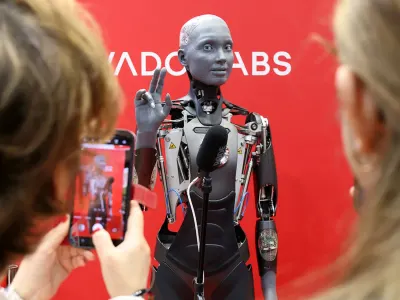
| #1 | 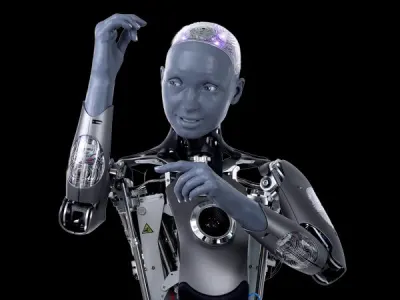 Ameca Ameca | Engineered Arts | Highly expressive human-robot interaction | Public demos and AI testing |
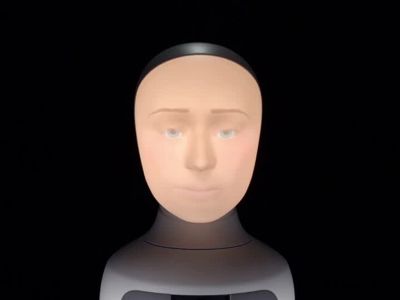
| #2 | 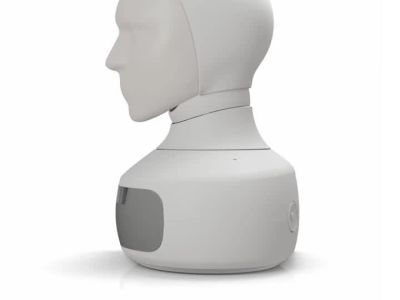 Furhat Furhat | Furhat Robotics | Conversational social interface | Language teaching and support |
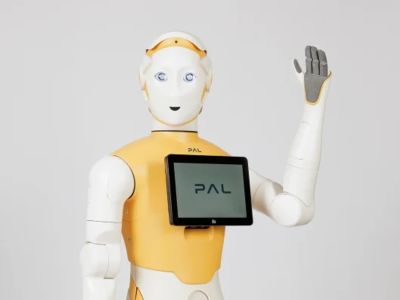
| #3 | 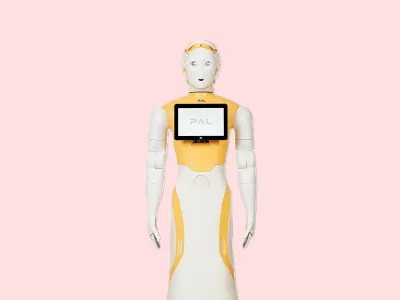 ARI ARI | PAL Robotics | Guided human-facing assistance | Retail and research settings |
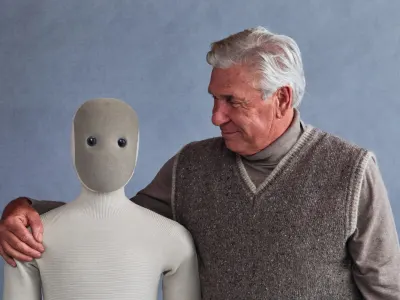
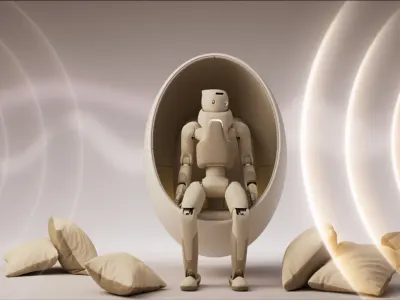
| #4 | 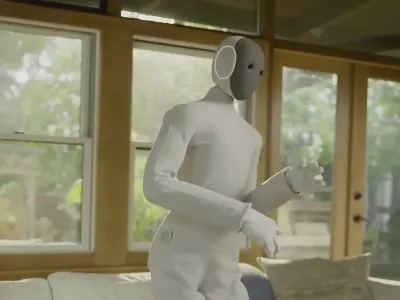 NEO Home Robot NEO Home Robot | 1X Technologies | Home-focused companion utility | Household help and elder assistance |
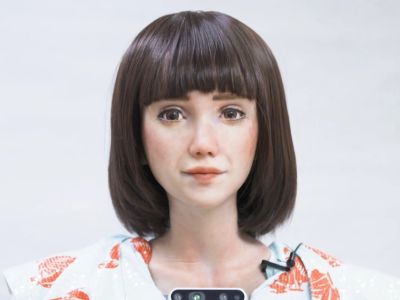
| #5 | 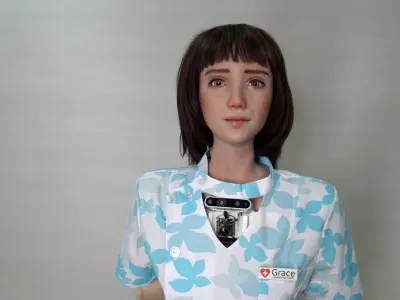 Grace Grace | Hanson Robotics | Care-oriented social engagement | Elderly care and hospital support |
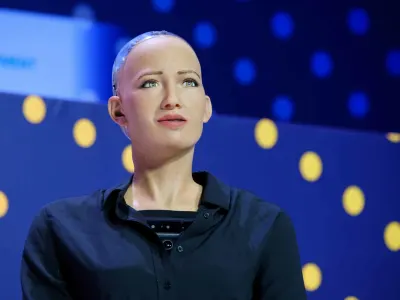
| #6 | 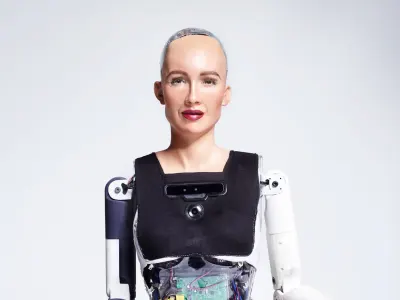 Sophia Sophia | Hanson Robotics | Media-ready social presence | Education and events |
| #7 |  Robo-C2 Robo-C2 | Promobot | Visitor engagement and promotion | Customer greeting and marketing |
| #8 | 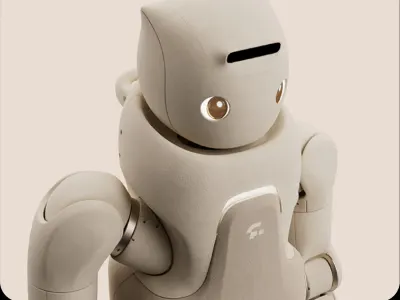 GR-3 GR-3 | Fourier Intelligence | Care and teleoperation support | Healthcare and companionship |
Together, these robots show a market where the most competitive humanoids are not just articulate, but socially legible, emotionally consistent, and increasingly useful in everyday environments.
Explore the Robots
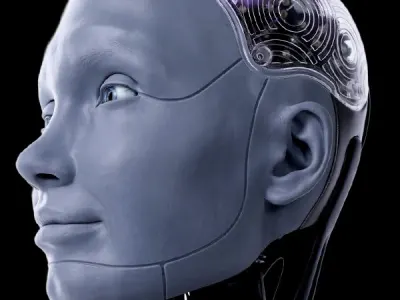
Ameca
Ameca is the clearest reference point for social humanoid design because it is optimized for interaction, not labor. Its value comes from expression, presence, and the ability to make conversations feel visibly natural, which is why it is often used in demonstrations, research, and AI testing. What sets it apart is the quality of its face and gesture language, which helps observers study comfort, attention, and trust during machine interaction. - Strong fit for public-facing demos - Useful for studying how people react to robots - Often treated as a benchmark for expressive humanoids
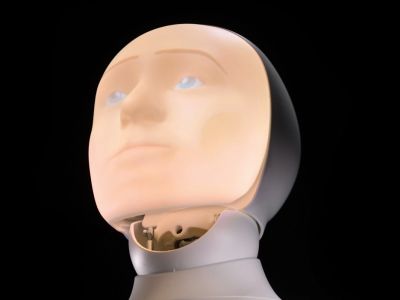
Furhat
Furhat is notable because it turns social robotics into a conversational tool first and a physical robot second. Its design is centered on speech-driven interaction, making it useful in education, customer support, therapy, and research on how people respond to machine-led dialogue. It stands out by supporting structured conversation flows that can be adapted for language learning or service environments. Rather than chasing lifelike realism, it focuses on making voice-based interaction smoother and more approachable. - Effective for dialogue-heavy use cases - Practical in training and teaching environments - Built for repeatable social interaction research
ARI
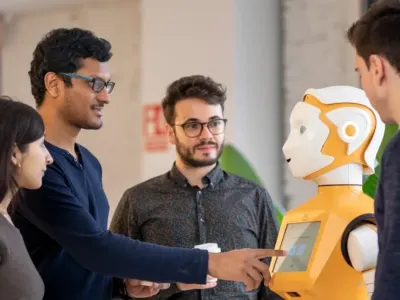
ARI is positioned as a service-oriented humanoid that bridges social robotics and applied assistance. It is well suited to places where people need directional help, simple information, or a reassuring interface in a public environment. Its importance comes from its role in studies of human-robot interaction and its usefulness in settings such as retail, healthcare, and information kiosks. ARI’s appeal lies in being approachable and functional, rather than overly theatrical, which makes it a strong fit for controlled real-world deployments. - Good for guided customer interaction - Useful in clinics, stores, and lobbies - Balances utility with social presence

NEO Home Robot
NEO Home Robot represents the home companion direction of the market, where the promise is less about novelty and more about daily usefulness. It is designed around chores, retrieval, and in-home assistance, but its real test will be whether people feel comfortable living with it over time. That makes emotional AI, memory, and low-friction conversation central to its identity. NEO stands apart because it targets domestic trust, mixing task support with the kind of conversational presence that could make assistance feel personal rather than mechanical. - Built for everyday household help - Targets long-term comfort in private spaces - Strong focus on practical companionship

Grace
Grace is one of the most care-focused humanoids in the group, with a profile built around elder support, patient monitoring, and emotionally attentive interaction. Its importance is tied to environments where calm communication and reassurance matter as much as function. Grace stands out because it is associated with social stimulation in hospitals and therapy-adjacent settings, where a robot must feel safe and steady. In this ranking, it earns its place as a specialized companion robot for healthcare contexts rather than a general-purpose platform. - Suited to healthcare and elder care - Emphasis on reassuring interaction - Designed for supportive social presence
Sophia
Sophia remains the most recognizable media-facing humanoid in the list, and its strength is cultural reach as much as robotic utility. It is widely used for education, exhibitions, corporate appearances, and discussions around AI ethics, which makes it a useful ambassador robot even when it is not the most practical assistant. Sophia stands out because it has helped normalize humanoid robots in public discourse, giving audiences a familiar face for broader conversations about machine intelligence and human acceptance. - Strong in publicity and education - Useful for exhibitions and speaking events - Best known as a public-facing humanoid icon
Robo-C2
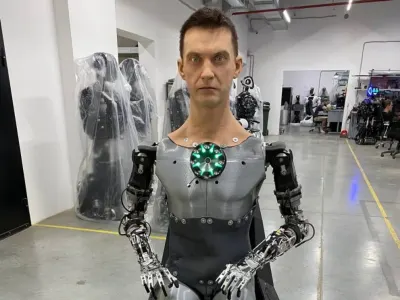
Robo-C2 is built for engagement at the point of contact, especially in retail, events, and promotional environments where the goal is to attract attention and deliver information quickly. Its value comes from consistency, visibility, and the ability to greet visitors without fatigue. It differs from more research-centric humanoids by focusing on customer interaction and automation rather than deep companionship. In this ranking, it sits lower because its emotional AI role is narrower, but it remains effective where first impressions matter most. - Good for promotions and reception tasks - Helpful for visitor engagement - Optimized for commercial front-line use
GR-3
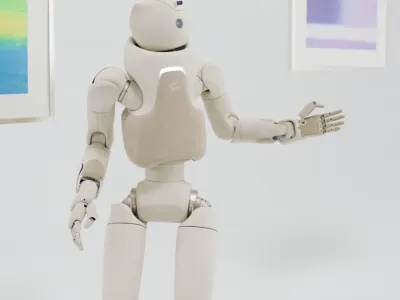
GR-3 rounds out the ranking as a humanoid aimed at healthcare support, companionship, and teleoperated assistance. Its place in the list reflects a growing demand for robots that can extend care and provide a social presence in assisted living, hospitals, and public spaces. GR-3 stands out for combining interaction with remote support potential, which is increasingly valuable in overstretched care environments. It is less about showmanship and more about dependable social assistance, making it a meaningful but more specialized entry in the category. - Focused on care and companionship - Useful in hospital and home support - Designed for assisted interaction and remote help
Sources
Related Articles
Top 10 Home Humanoid Robots for Domestic Tasks & Personal Assistance in 2026
9/3/2026
Top 8 Humanoid Robots Powered by Vision-Language-Action (VLA) Embodied AI in 2026
9/3/2026
Top 7 Humanoid Robots Transforming Healthcare, Hospitals & Eldercare in 2026
9/3/2026
Top 10 Humanoid Robots with the Highest Payload & Heavy-Lifting Capacity in 2026
9/9/2026
Top 10 Wheeled & Hybrid Humanoid Robots for High-Speed Facility Mobility in 2026
9/9/2026
Top 5 Humanoid Robots Being Developed for Defense, Security & First Responders in 2026
9/3/2026