Humanoid Robots That Box and Fight in 2026, Ranked by What They Have Shown in Public
The Short Answer: Which Humanoid Robots Have Really Fought
Only two humanoid robots have fought in public so far: EngineAI T800 and Unitree G1. EngineAI T800 is the fighting robot of a commercial league run by its maker and also fought a human in a San Francisco cage. Unitree G1 boxed in a four-robot tournament in China in 2025 and was the first robot that human faced. Unitree H2 has the hardest hit on video, while Unitree R1, Dobot LUMO and Booster T1 show fighting moves but have not been in a public fight. In every public fight, human pilots steered the robots.
Robot fighting today is closer to a remote-controlled sport than to a duel between thinking machines. A person drives the robot with a gamepad or VR gear, and software keeps it upright and helps it get back up after a fall. That is still hard, because the robot has to take a hit, keep its balance and land a strike. This guide ranks six robots by how much fighting each one has shown in public, from tournaments and cage bouts to launch videos.
Quick Overview
Here is how the six robots compare. They are ordered by how much fighting each has shown in public.
| Rank | Robot | Manufacturer | Key Strength | Best For | Fighting Shown |
|---|---|---|---|---|---|
| #1 |  T800 | EngineAI | Peak joint force of 450 Nm, 173 cm tall | Event promoters and fight leagues | League and cage fights |
| #2 | 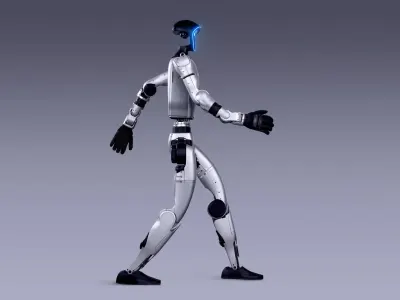 Unitree G1 | Unitree Robotics | Fought in a tournament and a cage bout | Labs, schools and event teams | Tournament and cage fights |
| #3 | 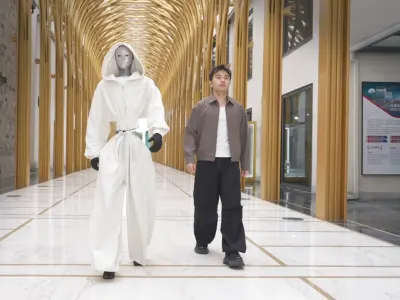 Unitree H2 | Unitree Robotics | 360 N·m joint torque, 31 degrees of freedom | Research on strong humanoids | Sparring video with knee strike |
| #4 | 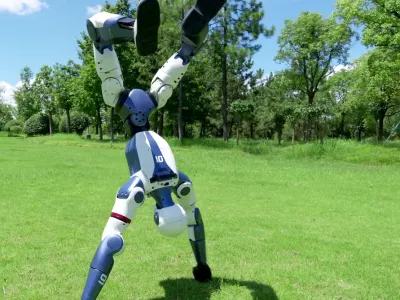 Unitree R1 | Unitree Robotics | Weighs 29 kg, 26 degrees of freedom | Students and hobbyists | Boxing moves in launch video |
| #5 |  LUMO | Dobot Corp Ltd | 30 degrees of freedom, 130 N·m joints | Families, schools and developers | Boxing in launch demo |
| #6 |  T1 Standard Humanoid | Booster Robotics | 23 degrees of freedom, force-controlled joints | Universities and developers | Kung fu moves reported |
Only the first two rows come from real fights. The rest come from videos made by the makers, so treat them as what the robot can do, not as fight results.
Explore the Robots

T800
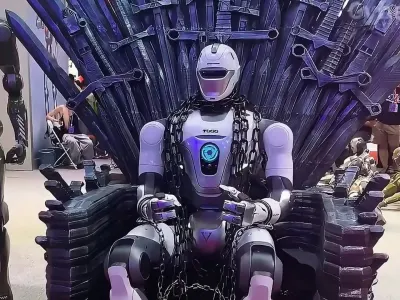
EngineAI T800 ranks first because it is the biggest robot to fight in public and the only one with its own league. EngineAI launched the Ultimate Robot Knock-out Legend, billed as the first commercial humanoid freestyle fighting league, and its T800 robots sparred with a Thai boxing champion at the launch. In San Francisco, the organiser REK also put two modified T800s, about 6 feet tall, in a cage against fighter Frankie LaPenna. EngineAI's T800 stands 173 cm, weighs 75 kg and reaches a peak joint force of 450 Nm. It debuted in China in December 2025. Human pilots steered it in the cage fights, and the company says it can throw uppercuts and spinning kicks. It suits event promoters and teams who want a full-size fighting body.
Unitree G1
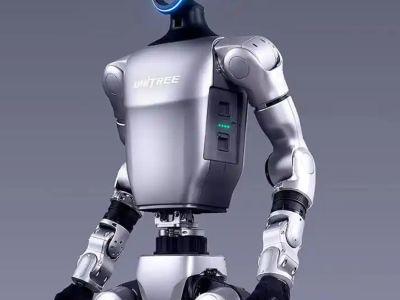
Unitree G1 ranks second because it has fought in public and was the first humanoid to box, but it is a much smaller robot. Four G1 robots boxed in Unitree's Iron Fist King tournament in China in 2025, and a G1 was the first robot Frankie LaPenna faced in the San Francisco cage. The G1 is 132 cm tall and weighs 35 kg, with 23 degrees of freedom and about 2 hours of runtime per battery. In these fights human pilots steered it, while its software kept it balanced and helped it recover from falls. A smaller body hits lighter, which makes the G1 safer to stage than the T800. It suits labs, schools and event teams that want a proven, compact fighting robot.
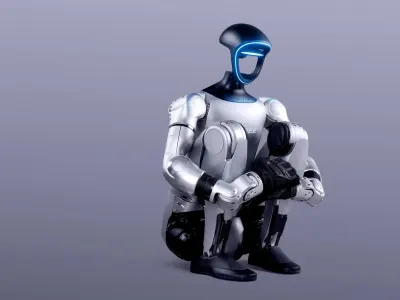
Unitree H2
Unitree H2 ranks third because its fighting evidence is one strong video, not a series of public fights. In a clip released on December 3, 2025, the H2 sparred with a G1, and one knee strike lifted the smaller robot off the ground and knocked off its chest plate. The H2 is Unitree's tallest humanoid at 180 cm and 70 kg, with 31 degrees of freedom, 360 N·m of joint torque and about 3 hours of runtime. Unitree made the video itself, so no independent referee judged it. Even so, it shows the hardest hit of any robot on this list. It suits research teams that want a full-size, hard-hitting platform with working hands.
Unitree R1
Unitree R1 ranks fourth because its fighting moves come from a launch video, not from a ring. That video showed cartwheels, handstands, boxing and kickboxing moves, and a run down a hill. The R1 stands 123 cm, weighs 29 kg and has 26 degrees of freedom. Its hands are fixed fists on the base model, so it can punch but cannot grip. The battery lasts about 1 hour. Unitree warned that the final robot may look different from the one in the video, and no tournament has used it so far. It suits students and hobbyists who want a small robot that moves like a martial artist.

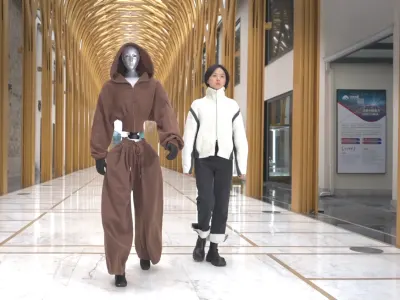
LUMO
Dobot LUMO ranks fifth because boxing is one move in a launch demo of a companion robot, not its main job. Dobot released LUMO on August 5, 2026 and showed it boxing, dancing and doing a backflip, filmed without visual effects according to coverage. It is 1.24 m tall and weighs 40.5 kg, with 30 degrees of freedom and 130 N·m joints. It walks on grass, sand and cobblestone and runs about 2 hours in typical motion. No match against another robot or a person has been reported. It suits families, schools and developers who want a home robot that can also throw a few punches.

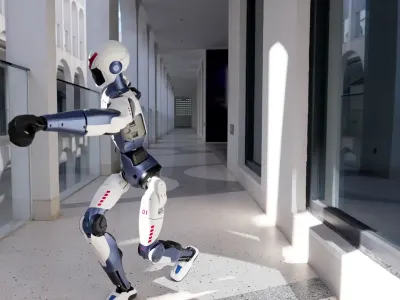
T1 Standard Humanoid
Booster T1 ranks last because its fighting evidence is the thinnest: reports say it can perform kung fu, but we found no ring event or fight video. Booster built it mainly for research and RoboCup soccer. The T1 is 118 cm tall and weighs 30 kg, with 23 degrees of freedom and 130 N·m peak actuators. It walks for about 2 hours or stands for 4, and it can also play football, push up and walk on request. Reporters describe it as a lab robot first. Its joints are fully force controlled, which helps it handle falls and knocks. It suits universities and developers who want a small, open research robot with martial-arts moves in its repertoire.
How to Choose Between Them
Start with what you want to see. If you want a robot with a real fight record, only EngineAI T800 and Unitree G1 have one. T800 is a full adult size at 173 cm and 75 kg, and G1 is small, at 132 cm and 35 kg. A bigger body hits harder and looks more dramatic in a cage, but it also needs more space, more care and more people around it.
Ask who is in control. In the tournaments and the cage fights, human pilots drove the robots with a gamepad or VR gear. Software handles balance and recovery, but it does not choose the punches. A maker that says its robot can box on its own is describing a scripted move, not a fighter that reads an opponent.
Treat maker videos with care. The Unitree H2 clip, the R1 launch video and the LUMO demo were all made by the companies that sell the robots, and no neutral referee scored them. They show what the hardware can do in a good take. A ring, a crowd and a rival robot tell you far more than a clean studio shot.
Look at the hands. Unitree R1 has fixed fists on the base model, so it can punch but cannot pick anything up. H2 has dexterous hands and 7 degrees of freedom in each arm, so it can fight and also work. If you plan to use the robot for more than fighting, choose the one with hands that can open.
Check runtime and safety before you commit. Battery life runs from about 1 hour for R1 to about 3 hours for H2, so a fight night needs spare batteries. A 35 kg or 70 kg robot that falls or swings can hurt people nearby, so keep a clear space around it and never let a crowd stand close.
The quick pick: for a proven fighter, EngineAI T800 for the full-size league, or Unitree G1 for a small one. For the hardest hit on video, Unitree H2. For a small martial-arts robot to learn on, Unitree R1 or Booster T1. For a home or classroom robot that can also throw a few punches, Dobot LUMO.
How We Ranked These Robots
We started with every live humanoid in the Origin of Bots catalog and looked for boxing, kicking or martial-arts work shown in public. Many robots can dance or swing an arm, but few have been seen fighting, so we kept the six with clear public evidence and left out robots that only list fighting as a possible use.
Each robot was ranked on one question: how much real fighting has it shown? Leagues, tournaments and cage bouts with a rival came first, because the robot had to take real hits. A maker's sparring video came next, then a launch demo, then a short report that the robot can do martial arts. Sizes, weights, degrees of freedom, joint force and runtime come from the maker or the robot record, and fight details come from outlets that covered the events. Claims about force and strength are the makers' own numbers, and no independent test has compared these robots in the same ring.
Frequently Asked Questions
Can humanoid robots really fight?
Yes, but with a human in control. Unitree G1 robots boxed in a tournament in China in 2025, EngineAI T800 robots sparred at the launch of a commercial fighting league, and G1 and T800 robots fought a human in a San Francisco cage. Pilots steered the robots, while the robots' software handled balance and getting back up.
Are fighting robots controlled by humans or by AI?
By humans, in every public fight we found. PopSci reported that the engineers remotely controlled the robots in the G1 tournament, with a few short scripted actions. REK's technology partner says AI helps with balance and trained movement, while the pilot directs the action.
Which humanoid robot is the strongest fighter?
No independent test has settled it. Unitree H2 has a 360 N·m joint torque and knocked the chest plate off a G1 in Unitree's own video. EngineAI says T800 reaches a peak joint force of 450 Nm. These are different measures from different makers, and the two robots have not been put in the same ring.
Has a human ever fought a humanoid robot?
Yes. Content creator Frankie LaPenna fought three robots in a San Francisco cage organised by REK: a Unitree G1 and two modified EngineAI T800 robots. REK called it the first human-versus-humanoid cage fight. Pilots controlled the robots in real time.
Who won the first humanoid boxing tournament?
A robot named AI Strategist, driven by a human team, won Unitree's Iron Fist King tournament in 2025. Four Unitree G1 robots took part, and the champion scored knockouts in all three rounds of the final. In the semifinal it tripped over its fallen rival's head before getting up to win.
Can I buy a humanoid robot that fights?
Several robots here can be ordered, including Unitree G1 and EngineAI T800, which debuted in China in December 2025. They are research and entertainment machines, not sparring partners. A 35 kg or 75 kg robot that falls or swings can hurt people, so keep a wide, clear space around it.
Sources
- T800 Profile
- Unitree G1 Profile
- Unitree H2 Profile
- Unitree R1 Profile
- LUMO Profile
- T1 Standard Humanoid Profile
- World’s First Commercial Humanoid Robot Fighting League Launches in China
- In world’s first humanoid boxing match, gloating robot face plants
- Human vs humanoid robot cage fight goes viral
- Video: Unitree’s six-foot humanoid robot knocks out rival bot in boxing match
- This kickboxing robot is just $6,000 and could be the humanoid breakthrough we've been waiting for
- ‘World’s first embodied all-terrain’ humanoid for life beyond the factory unveiled
- Booster T1 Robot Can Play Soccer
Related Articles
Humanoid Robots That Can Fold Laundry in 2026, Ranked by What They Really Do
10/30/2026
Waterproof and Dustproof Humanoid Robots in 2026, Ranked by IP Rating
10/29/2026
Tallest Walking Humanoid Robots in 2026, Ranked by Height and Weight
10/28/2026

Which Humanoid Robots Can Actually Cook? Six Compared for 2026
11/2/2026
Humanoid Robots With the Most Degrees of Freedom in 2026, and Why It Matters
11/1/2026
Japanese Humanoid Robots in 2026: Every Major Model Compared
10/31/2026