10 Best Humanoid Robots for Education & Research Labs
Labs Meet Social Intelligence
Humanoid robots are moving from showroom curiosities into practical platforms for education and research labs, where the value lies in repeatable interaction, data collection, and human-centered testing. The strongest examples now combine expressive faces, conversational AI, and developer-friendly software, giving universities and corporate labs tools to study social robotics, embodied AI, and autonomous behavior in settings that mirror real-world use. That matters now because the field is shifting from isolated demos to systems that can support teaching, experimentation, and prototyping at once, with robots that are easier to deploy, customize, and study across disciplines such as HRI, STEM education, and service robotics.
From Demo to Platform
What distinguishes this generation is not only better motion or appearance, but a broader design philosophy: humanoids are increasingly built as platforms for research and learning rather than one-off attractions. Ameca stands out for human-robot interaction studies, NAO and Pepper remain widely used in classrooms and service scenarios, and newer entrants such as Unitree G1, GR-2, and R1 reflect a push toward lower-cost experimentation and faster iteration. Meanwhile, Talos, KUAVO-MY, N2, and Furhat show how the category now spans industrial task testing, logistics, remote operations, elder care, and conversational research. For labs, the appeal is clear: one robot can now support multiple curricula, use cases, and testing environments.
Quick Overview
This comparison highlights the main role each humanoid plays in education and research environments.
| Rank | Robot | Manufacturer | Key Strength | Best For |
|---|---|---|---|---|
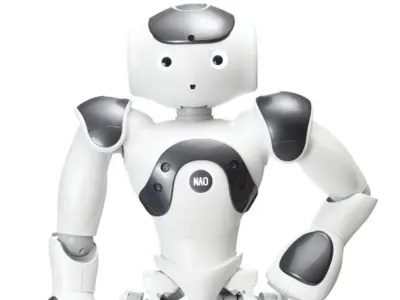
| #1 | 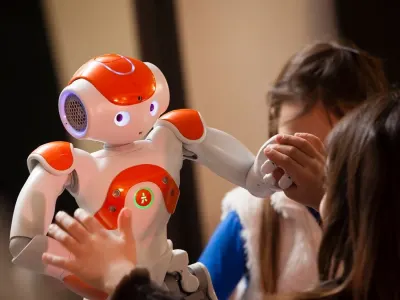 NAO NAO | SoftBank Robotics | Proven education and interaction platform | STEM, autism therapy, and labs |
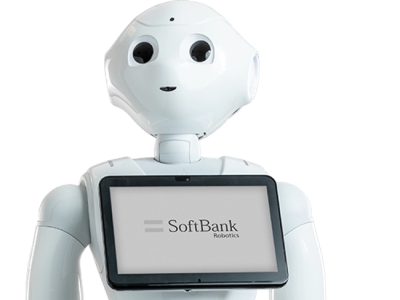
| #2 | 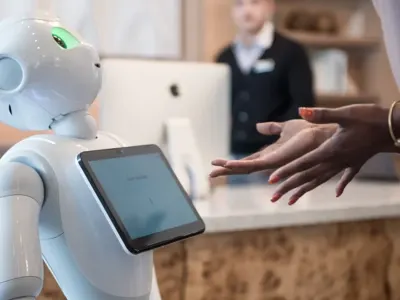 Pepper Pepper | SoftBank Robotics | Friendly social interaction and support | Customer-facing research and education |
| #3 | 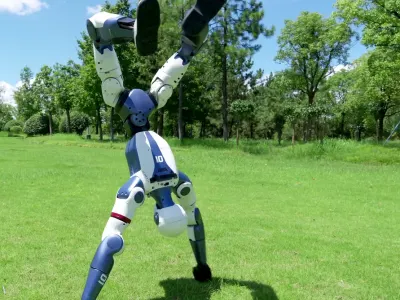 Unitree R1 Unitree R1 | Unitree Robotics | Fast, accessible prototyping platform | Robotics research and STEM education |
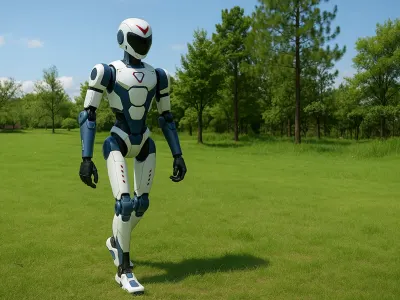
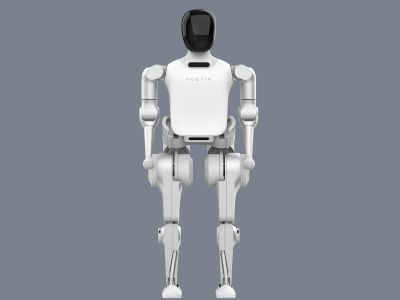
| #4 | 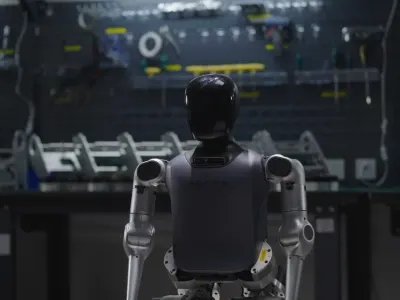 N2 (Athlete) N2 (Athlete) | Noetix Robotics | Youthful, media-friendly humanoid form factor | Education and demonstrations |
| #5 | 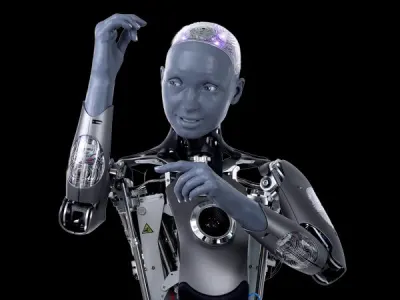 Ameca Ameca | Engineered Arts | Highly expressive human-robot interaction | HRI studies and AI testing |
| #6 | 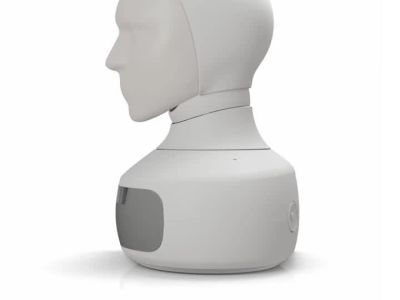 Furhat Furhat | Furhat Robotics | Conversational face-first social robotics | Language, support, and therapy research |
| #7 | 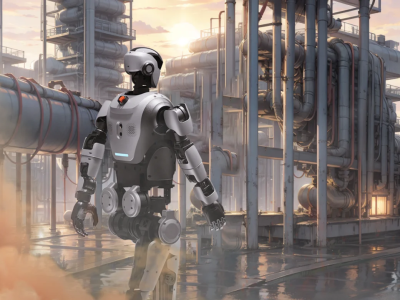 KUAVO 4PRO (KUAVO-MY) KUAVO 4PRO (KUAVO-MY) | Leju Robotics | Humanoid / General Purpose | Bipedal walking, obstacle traversal |
| #8 | 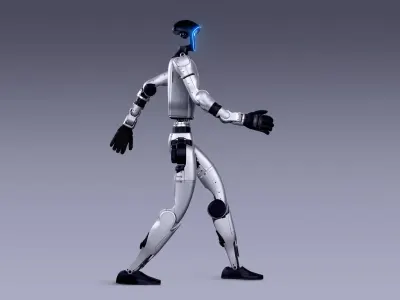 Unitree G1 Unitree G1 | Unitree Robotics | Versatile humanoid platform for tasks and demos | R&D and hands-on lab work |
| #9 | 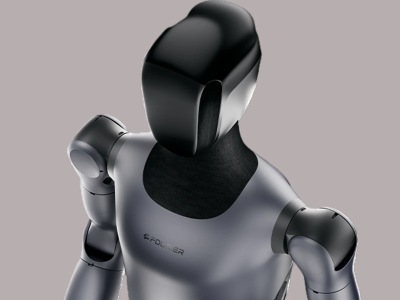 GR-2 GR-2 | Fourier Intelligence | Research-focused manipulation and locomotion | Research and industrial automation |
| #10 | 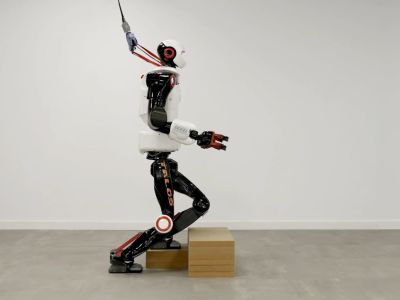 Talos Talos | PAL Robotics | Strong research heritage and tool-use potential | Locomotion and factory automation |
Explore the Robots
NAO
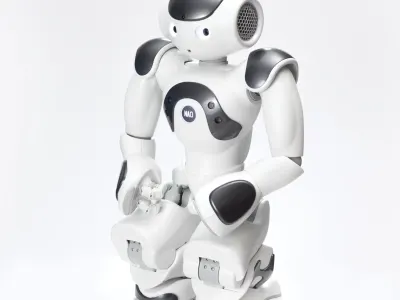
NAO remains one of the most recognizable humanoid robots in education because it is easy to deploy, widely studied, and built for structured interaction rather than spectacle. Its long record in classrooms, therapy settings, and research labs makes it a benchmark platform for social robotics work. Researchers value NAO because it supports repeatable experiments in learning, emotion, and engagement, while educators use it to introduce coding, robotics, and human-robot interaction in a form students can immediately understand. - Notable for its long research footprint - Strong fit for classroom pilots and controlled studies - Well known in autism therapy and child learning contexts
Pepper
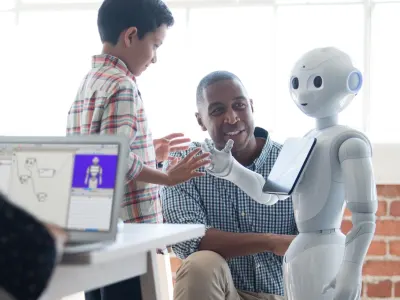
Pepper stands out as a service-oriented humanoid designed to interact with people in public spaces, making it especially useful for education labs studying dialogue, behavior, and social response. Its role in customer-facing environments gives it a different flavor from NAO, with more emphasis on reception, guidance, and conversational engagement. For research teams, Pepper is valuable because it bridges technical robotics work and real-world interaction design, letting labs test how people respond to robots in more natural, less academic settings. - Suited to public interaction scenarios - Useful for studying reception and guided service roles - Often chosen for events and education demonstrations
Unitree R1
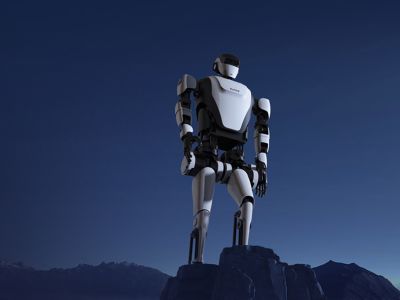
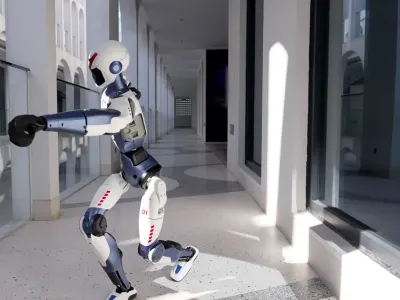
Unitree R1 is notable as a compact, accessible humanoid that reflects the new price and availability dynamics in the field. That makes it attractive to labs that want to iterate quickly on control, balance, and basic embodied AI without waiting for premium hardware. In education, it is a practical platform for prototyping and teaching fundamentals, while researchers can use it to explore motion, autonomy, and system integration. Its appeal is less about legacy and more about opening the door to hands-on humanoid work at a much lower barrier to entry. - Strong value for experimental labs - Good fit for rapid development and iteration - Appeals to programs needing affordable humanoid access

N2 (Athlete)
N2 (Athlete) is built to capture attention, which gives it immediate value in education, outreach, and demonstration settings. Its athletic framing makes it a natural fit for motion-oriented studies, public showcases, and environments where a humanoid needs to look lively and approachable. For research groups, that visibility can help recruit interest and support while also providing a platform for testing dynamic movement and social presence. It ranks well because it translates technical progress into something audiences can instantly grasp. - Designed for visually engaging demonstrations - Useful in education, elder care concepts, and fashion events - Strong for motion showcases and outreach programs

Ameca
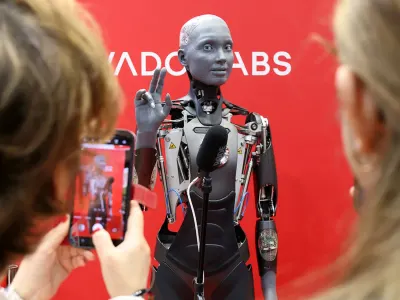
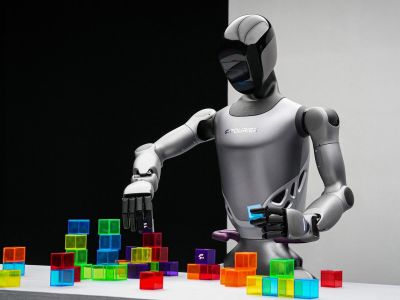
Ameca is one of the most expressive humanoids in the field, and that makes it especially important for labs studying how people react to robots that appear lifelike without being fully autonomous in every task. Its face and gestures are central to its value, allowing researchers to explore trust, perception, and AI interaction. Public demonstrations also benefit from that expressiveness, since it gives audiences a clear sense of progress in embodied AI. For education and research, Ameca is a conversation starter as much as a platform. - High-impact platform for human-robot interaction - Best for AI testing and public demonstrations - Strong visual appeal for lab outreach
Furhat
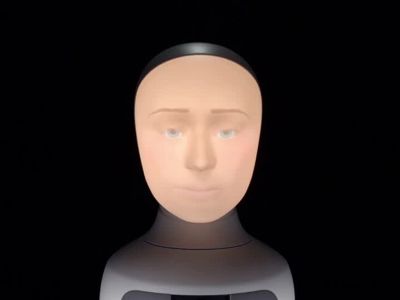
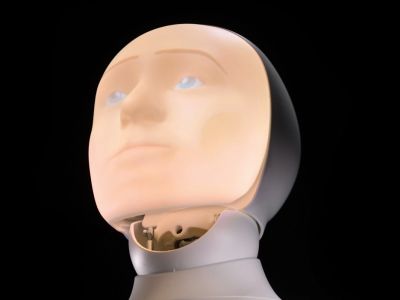
Furhat is built around conversation, which separates it from many humanoids that focus primarily on movement. Its face-centric design makes it especially useful for research on dialogue, language learning, and social behavior. Labs use it to test conversational AI, while educators can deploy it in language teaching and support roles where speech quality and turn-taking matter more than body motion. Its ranking reflects how well it serves the fast-growing need for socially intelligent robot platforms. - Optimized for dialogue and conversational AI - Good for language teaching and therapy research - Useful in customer support and social robotics studies
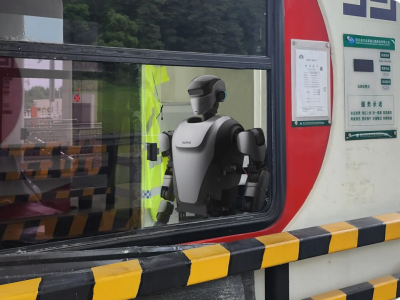
KUAVO 4PRO (KUAVO-MY)
KUAVO-MY is positioned as a practical humanoid for operational settings, which gives it relevance beyond the classroom. Its association with manufacturing, logistics, and infrastructure inspection makes it useful for labs studying remote work, teleoperation, and task execution in constrained environments. While it may be less familiar than some peers, that operational focus is exactly what makes it valuable for applied research. Education programs interested in industrial robotics will find it a useful bridge between academic prototypes and field deployment. - Strong fit for industrial and logistics research - Useful for remote operations and inspection tasks - Appeals to applied robotics programs
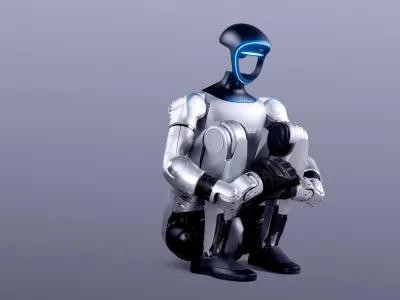
Unitree G1
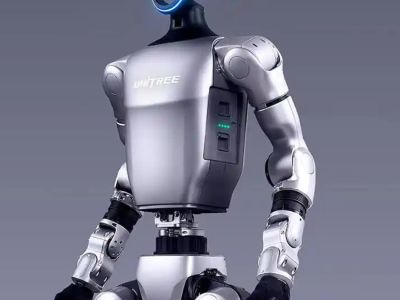
Unitree G1 has become a major name in humanoid robotics because it combines broad accessibility with the kind of performance that research labs can actually build on. It is relevant for manipulation, assembly, and educational demonstrations, making it one of the most versatile machines in this ranking. The growing visibility of Unitree’s humanoids in public demos has also helped normalize the category for students and researchers. G1 ranks high because it offers a strong balance of price, capability, and real-world usefulness. - Versatile platform for research and education - Suitable for handling, palletization, and assembly studies - Strong option for labs wanting a general-purpose humanoid
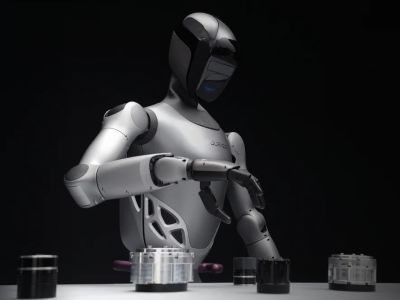
GR-2
GR-2 is aimed at the technical core of humanoid research, especially locomotion, manipulation, and adaptive grasping. That focus makes it appealing to labs that care less about social presentation and more about solving the hard engineering problems that define the next generation of humanoids. Its industrial automation angle also gives it relevance for service tasks and practical deployment research. GR-2 ranks near the top because it speaks directly to advanced robotics teams that want a serious experimental platform. - Designed for locomotion and object manipulation studies - Strong for adaptive grasping and industrial automation - Best suited to advanced research labs
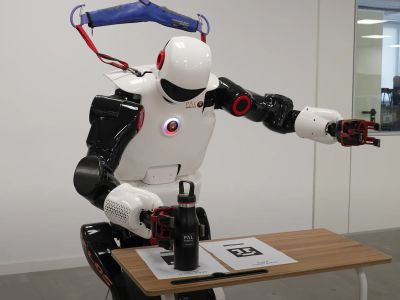
Talos
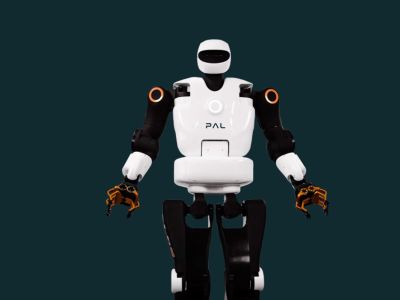
Talos is one of the most mature full-body humanoid platforms in this list, with a reputation for advanced motion and practical task execution. Its ability to support industrial tool operation, factory automation, and human-robot interaction research makes it especially valuable for teams working at the edge of applied robotics. In education, Talos serves as a high-end reference platform that shows what a humanoid can do when research-grade hardware is pushed toward real workplace use. It closes the ranking because it is powerful, but also more specialized and demanding than the classroom-first robots above it. - Strong for industrial tool use and factory studies - Valuable for locomotion and HRI research - Best as a high-end reference platform
Sources
Related Articles
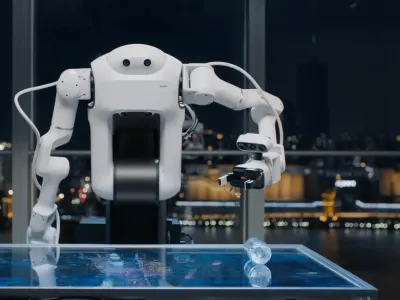
Top 10 Humanoid Robot Launches of 2026 So Far
6/12/2026
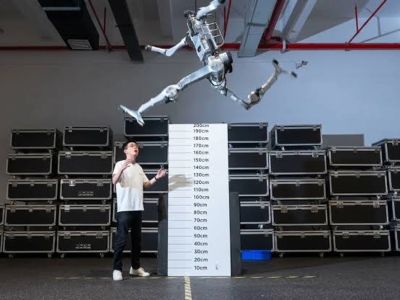
The 5 Fastest & Most Agile Humanoid Robots in 2026
9/3/2026
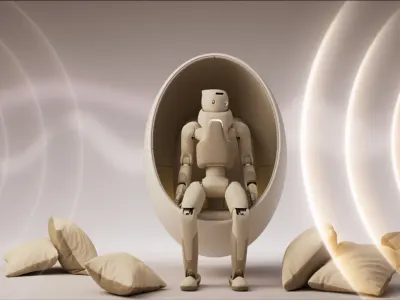
Top 7 Humanoid Robots Transforming Healthcare, Hospitals & Eldercare in 2026
9/3/2026

Top 10 Humanoid Robots Competing with Tesla Optimus (2026)
6/8/2026

Top 10 Humanoid Robots with the Best Learning Capabilities (AI Training) 2026
6/8/2026
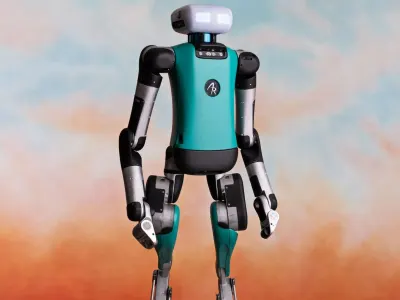
Top 10 Humanoid Robots for Logistics & Delivery Tasks 2026
6/8/2026
Top 5 Humanoid Robots Being Developed for Defense, Security & First Responders in 2026
10/9/2026
Top 10 Heavy-Duty Industrial Humanoid Robots for Automotive & Factory Assembly in 2026
10/9/2026
Top 10 Home Humanoid Robots for Domestic Tasks & Personal Assistance in 2026
10/5/2026