GR-2
Last updated:
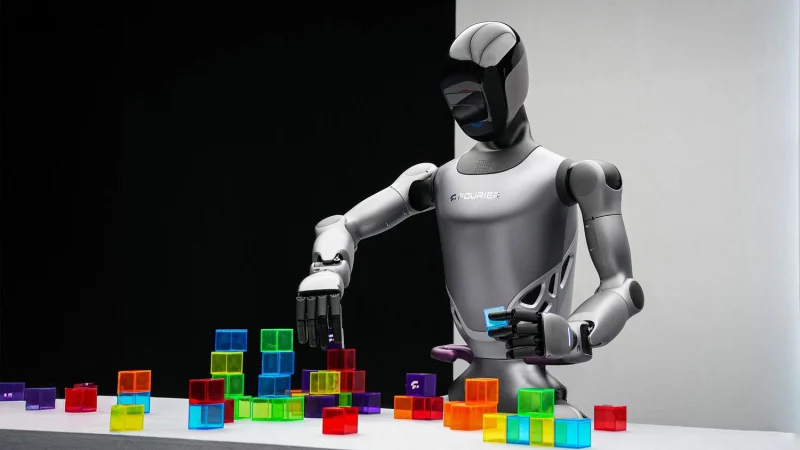
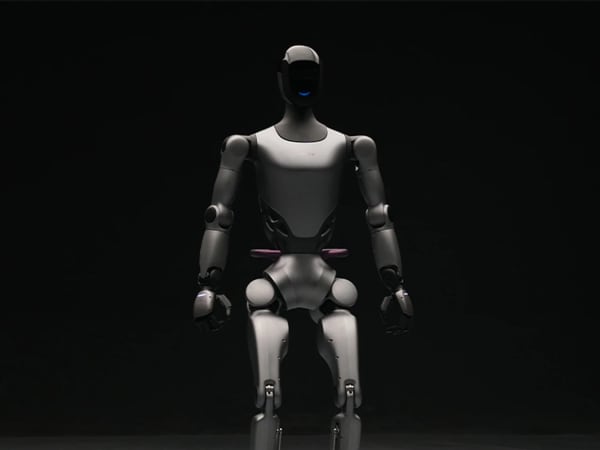
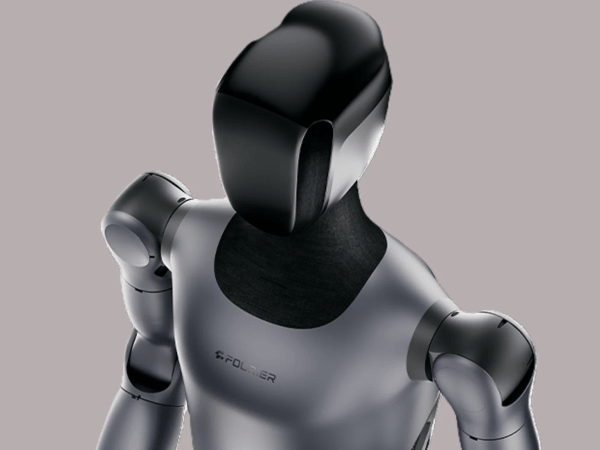
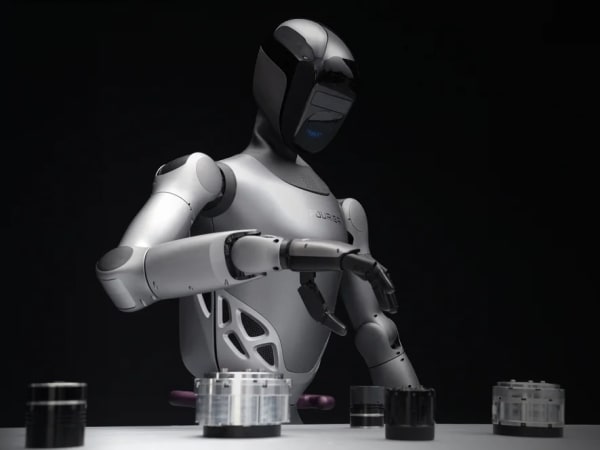
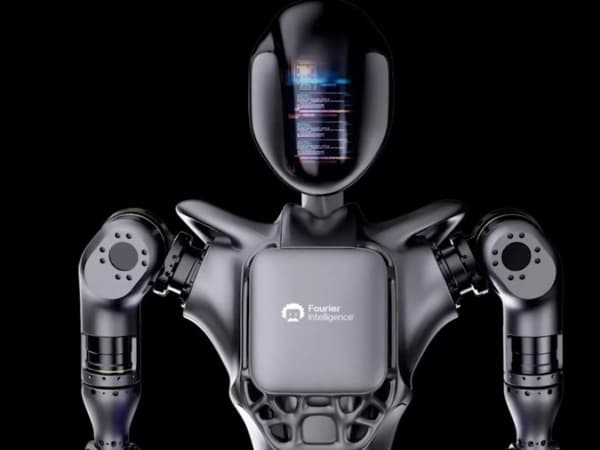
The GR-2 by Fourier Intelligence is a cutting-edge humanoid robot designed to revolutionize human-robot interaction. Standing at 175 cm and weighing 63 kg, it boasts 53 degrees of freedom and 12-DoF dexterous hands equipped with tactile sensors. Powered by seven distinct FSA 2.0 actuators, each joint delivers up to 380 Nm of torque, enabling GR-2 to perform complex tasks with precision. Its swappable battery offers up to 2 hours of runtime, and the robot supports various programming methods, including VR remote control and lead-through programming. GR-2 is ideal for applications in healthcare, research, and industrial automation.
Quick Overview & Key Facts
GR-2 is a humanoid robot made by Fourier Intelligence in China, launched in 2024 and built for physical rehabilitation assistance, patient companion guidance, and light medical item transport. Its estimated price is USD 100,000 – 150,000 (Listed at approximately 125,000 for early-access units). Featured in “10 Best Humanoid Robots for Education & Research Labs ”.
- Dimensions
- 175 cm (H) x 60 cm (W) x 40 cm (D)
- Weight
- 63 kg (139 lbs)
- Mobility
- Legged (Bipedal locomotion)
- Top speed
- 5 km/h
- Payload capacity
- 3 kg payload per arm continuous (~6 kg dual-arm peak, 12-DoF tactile hands)
- Battery runtime
- 2 hours
- Charging time
- 1.5 hours
- Sensors
- 6 array-type tactile sensors, dual-encoder system, IMU, gyroscope, force sensors
- Operating environment
- Indoor, temperature range 0°C to 40°C, IP54 water resistance
What Can GR-2 Do?
Core operational tasks and activities demonstrated or performed by GR-2.
Real-World Applications of GR-2
Industries, working environments, and deployment suitability for GR-2.
GR-2 Capabilities
Inherent physical, perceptual, and cognitive abilities built into GR-2.
Download Media Cards
Story CardExport high-resolution story cards summarizing GR-2's operational tasks, real-world applications, and capabilities.
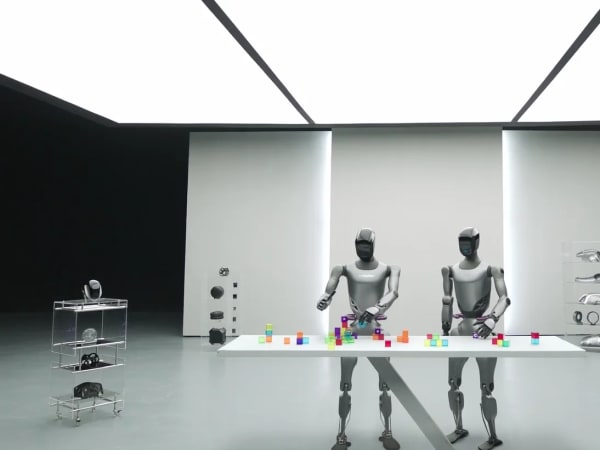
Image Gallery
Below images are from Fourier Intelligence's official sources
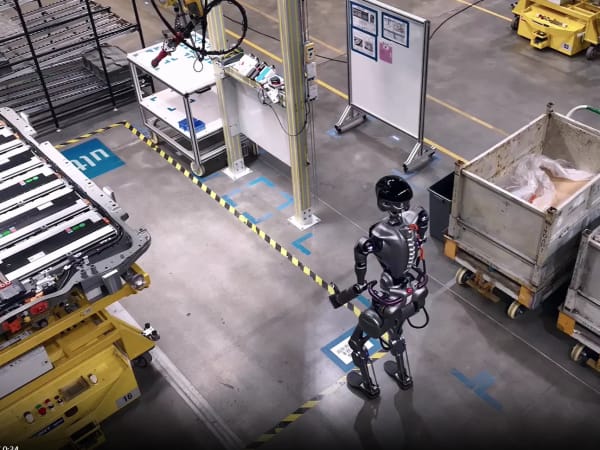
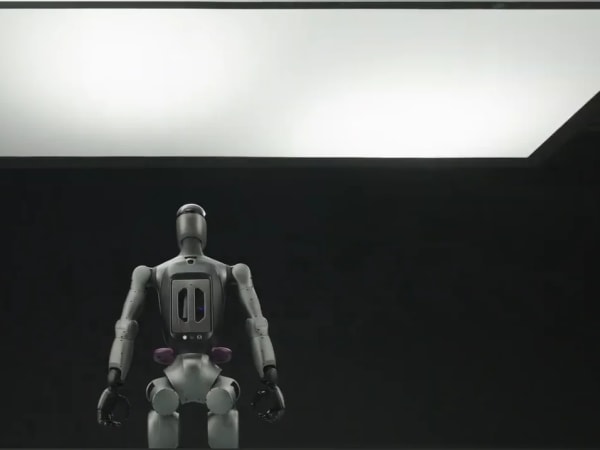
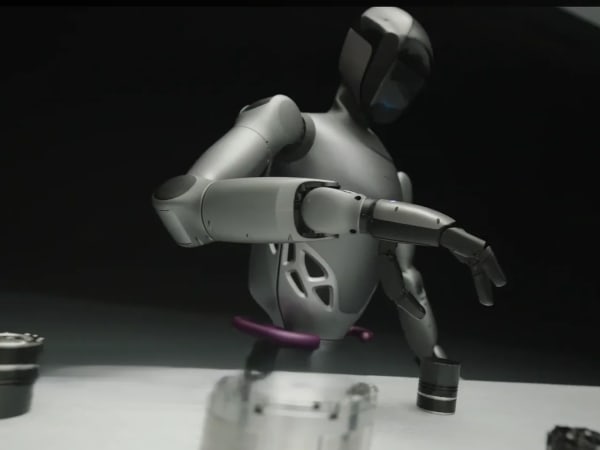
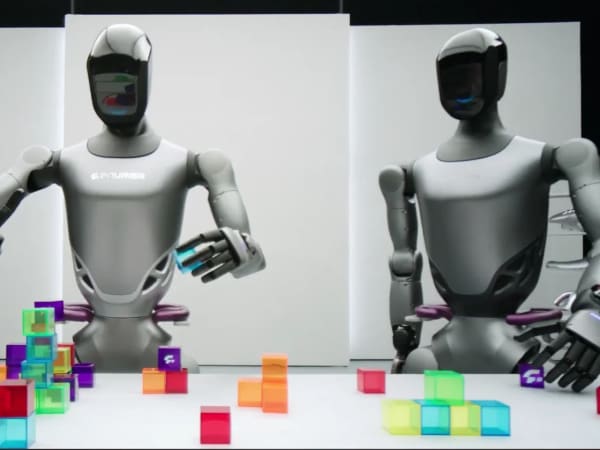
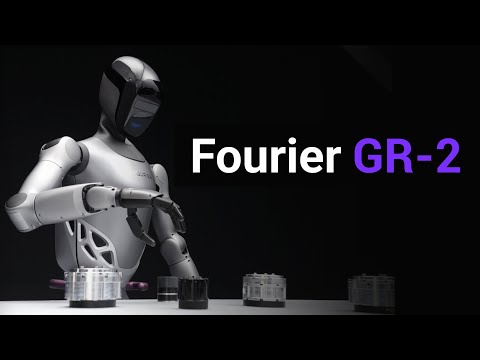
Review Videos
Watch expert reviews and demonstrations of this robot



Robot Specifications
Values without a Confirmed badge are compiled from public sources and may not be manufacturer-verified.
Not yet published by Fourier Intelligence: warranty terms, safety certifications, EMC compliance, IP rating, noise level, expected lifespan, maintenance schedule, firmware version and 6 more.
Robot Timeline
Key milestones in this robot's development and rollout
Fourier presents its first humanoid, the GR-1, at the World Artificial Intelligence Conference in Shanghai.
Source: Wikipedia ↗
Fourier unveils the GR-2, a 1.75 m, 63 kg humanoid with 53 degrees of freedom and a detachable battery.
Source: PR Newswire ↗
Latest News About GR-2
Stay updated with the latest articles and developments
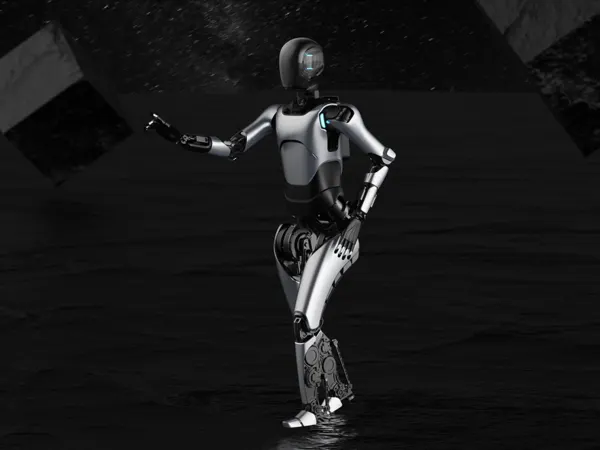
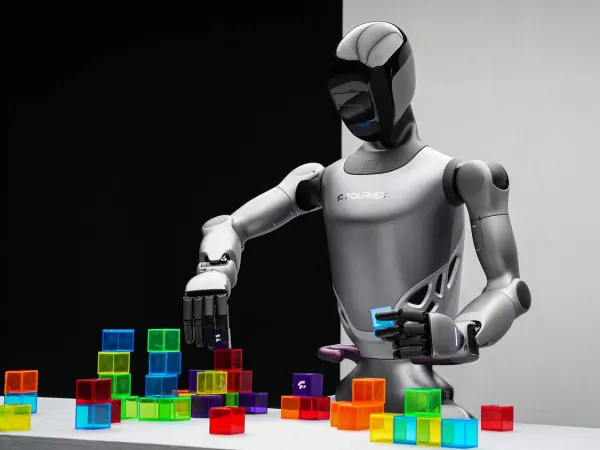
Compare This Robot With Others
See how GR-2 stacks up against other leading robotics models in detailed side-by-side technical comparisons.
GR-2 Also Mentioned in Below Articles
Find out how this model stacks up against the world's best robots
More Robots from Fourier Intelligence
Explore other robots from this manufacturer
More Humanoid Robots
Discover more robots in the same category
Robots From Other Categories
Discover complementary robots from different categories that work well together
Frequently Asked Questions
Get answers to common questions about this robot
Q1. What is GR-2, and what problem is it designed to solve?
GR-2 is a 175 cm tall, 63 kg humanoid robot developed by Fourier Intelligence, designed to perform complex bipedal locomotion and dexterous manipulation tasks across research, industrial automation, and embodied AI applications where human-like movement and precision handling are required.
Q2. What are the main capabilities and key features of GR-2?
GR-2 features 53 degrees of freedom including 12-DOF hands with six tactile sensor arrays, FSA 2.0 actuators delivering peak torques exceeding 380 N·m, walking speeds up to 5 km/h, single-arm lifting capacity of 3 kg, and adaptive grasping with real-time object recognition via force sensing.
Q3. Who is GR-2 built for, and which industries can benefit from it?
GR-2 targets robotics researchers, AI developers, and industrial operators in manufacturing, healthcare, and automation sectors. The platform supports academic research, embodied AI exploration, industrial process automation, and real-world application development through its open software architecture.
Q4. Is GR-2 a commercial product or still a research prototype?
GR-2 represents a transition from prototype to commercial deployment. According to the manufacturer, it moves beyond the prototype stage as a more capable and adaptable solution, though it remains positioned primarily for research institutions, developers, and early industrial adopters rather than mass consumer markets.
Q5. Is GR-2 currently available for purchase, and when is it expected to ship?
GR-2 is available through Fourier Intelligence and authorized distributors. Specific shipping timelines depend on distributor fulfillment following orders, with availability varying by region and application requirements.
Q6. How does GR-2 actually work in real-world environments?
GR-2 operates through a dual-encoder control system that enables precise joint movements in dynamic settings. The robot uses visual perception with SLAM (Simultaneous Localization and Mapping) capabilities, tactile feedback from hand sensors for adaptive grasping, and supports multiple control modes including VR remote operation, lead-through programming, and direct command execution.
Q7. When was GR-2 announced or officially launched?
GR-2 was announced as the successor to Fourier's first-generation GR-1 humanoid robot. The company released detailed specifications and began initial deployments in 2024, positioning it as an upgraded platform incorporating customer feedback from earlier-generation systems.
Q8. How is GR-2 different from other robots in the same category?
GR-2 distinguishes itself through seven types of specialized FSA actuators tailored to specific joint torque demands, integrated cabling for compact design, and 12-DOF hands with tactile sensor arrays. The redesigned internal joint configuration from parallel to serial improves debugging and manufacturing efficiency while supporting seamless transition from AI simulation to physical deployment.
Q9. Does GR-2 require additional development or customization after purchase?
GR-2 is designed as a developer-friendly platform supporting open-source frameworks including ROS and NVIDIA Isaac Lab. The Fourier Toolkit SDK provides pre-optimized modules and intuitive APIs, enabling research teams and developers to customize functionality and develop task-specific applications without extensive additional engineering.
Q10. What is the future roadmap or planned upgrades for GR-2?
Fourier has announced plans to expand GR-2 availability from early commercial deployments toward broader industrial adoption. The company continues developing enhanced capabilities in AI-driven motion planning, environmental interaction, and integration with existing manufacturing and research infrastructure based on customer feedback and real-world deployment data.
Rating and Reviews
Share your experience and help others decide!
Loading...
User Reviews
No user reviews. Be the first one to review!
User Comments (No Login needed)
Share your thoughts, experiences, or questions about this robot.
Comments appear after moderator review.