Fourier GR-2: A Humanoid Built for Human-Robot Collaboration
Robot Details
GR-2 • Fourier IntelligencePublished
December 11, 2025
Reading Time
3 min read
Author
Origin Of Bots
Launching A Game-Changer
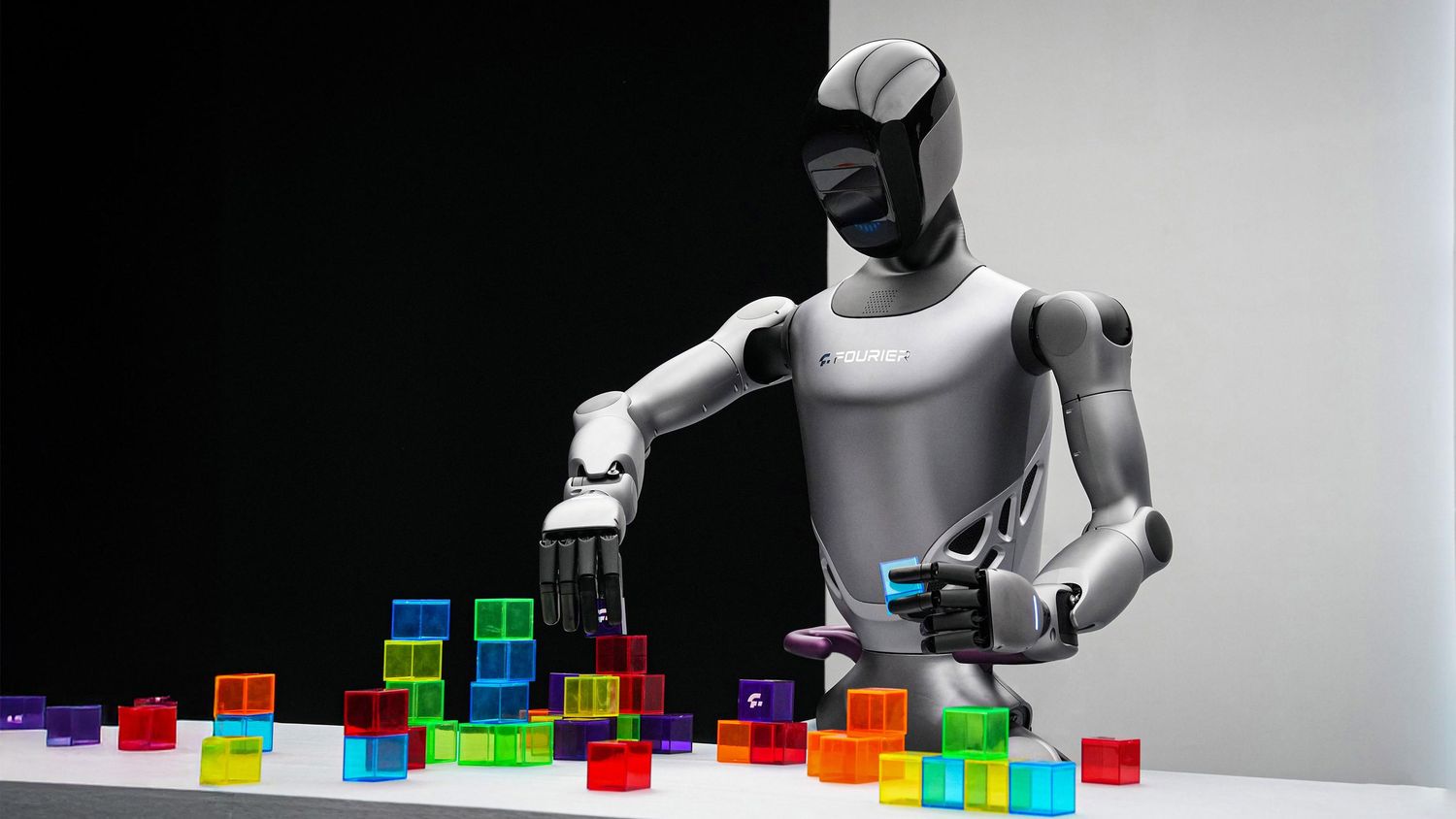
Fourier Intelligence introduced the GR-2, a humanoid robot built for human-robot collaboration, in September 2024. This debut signals a major leap forward from its predecessor, promising advanced capabilities that cater to research labs, industrial environments, and service sectors.
Unmatched Dexterity and Precision
The GR-2 distinguishes itself with 53 degrees of freedom and 12-degree-of-freedom dexterous hands outfitted with six array-type tactile sensors. These sensors let the robot perceive force, texture and shape for adaptive grasping. Powered by seven specialized FSA 2.0 actuators delivering over 380 N·m of torque per joint, the robot excels in dynamic mobility and precise control. This combination makes the GR-2 not just a machine but a versatile assistant capable of delicate and demanding tasks.
Engineering Breakthroughs Inside
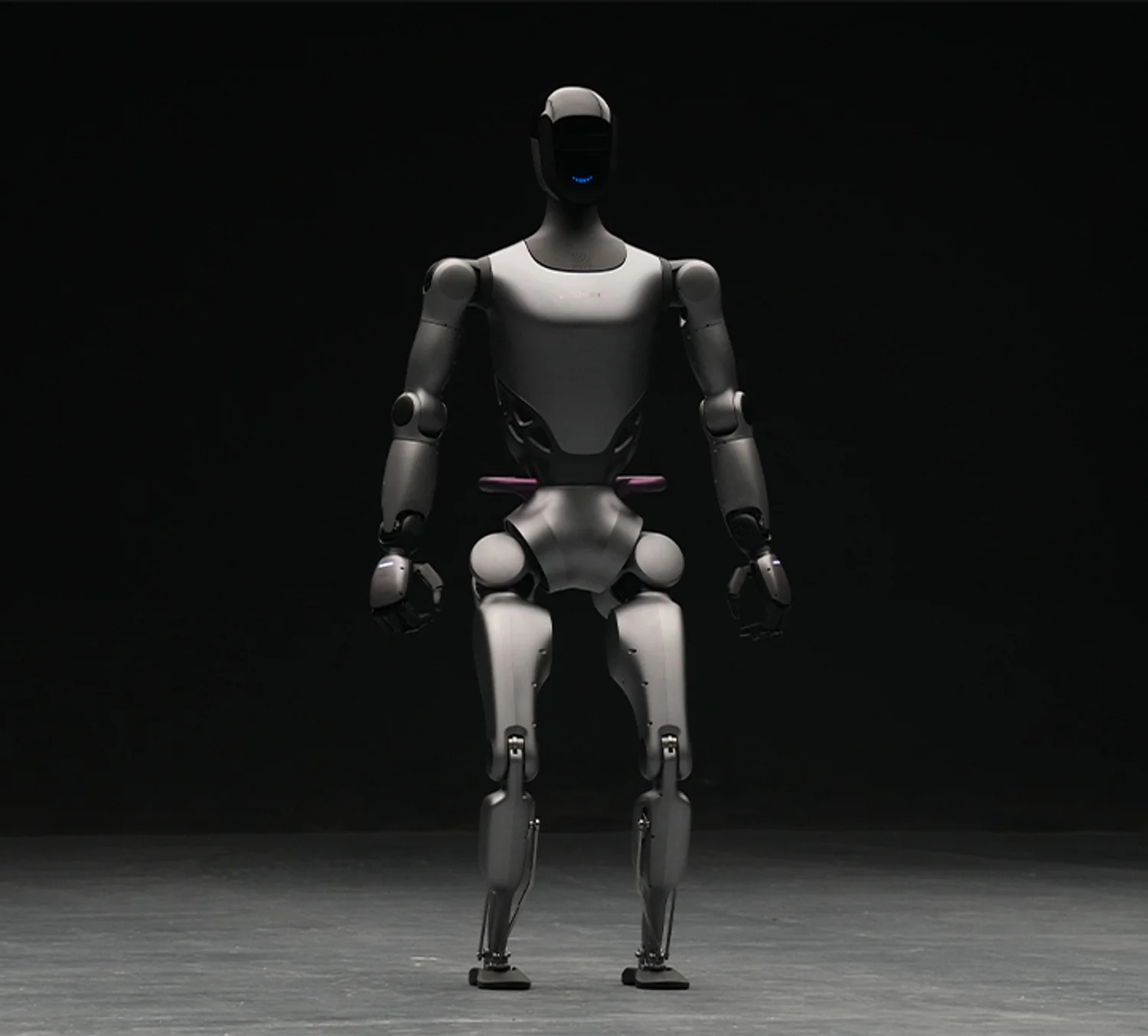
At the heart of the GR-2 lies a suite of engineering innovations. Its dual-encoder system doubles control accuracy for each joint, while the integration of concealed cabling streamlines power and data transmission, reducing mechanical complexity. The robot also incorporates an inertial measurement unit (IMU), gyroscope, and force sensors to enhance stability and responsiveness during bipedal locomotion. On the software side, the GR-2 runs on Linux and supports ROS, NVIDIA Isaac Lab, and Mujoco, offering an expansive and flexible development environment for researchers and engineers to customize and evolve its capabilities.
Real-World Roles and Reach
The GR-2 is designed for practical deployment across diverse sectors. Its bipedal mobility and adaptive grasping make it suitable for industrial automation tasks like tool handling and material transport. In healthcare, it can assist with medical equipment management and patient support, thanks to its strength and precision. The robot’s navigation system, powered by SLAM, LiDAR, and vision-based technologies, allows it to safely traverse complex environments, making it an ideal candidate for service roles in dynamic settings such as hospitals, warehouses, and research institutions.
Precision in Numbers
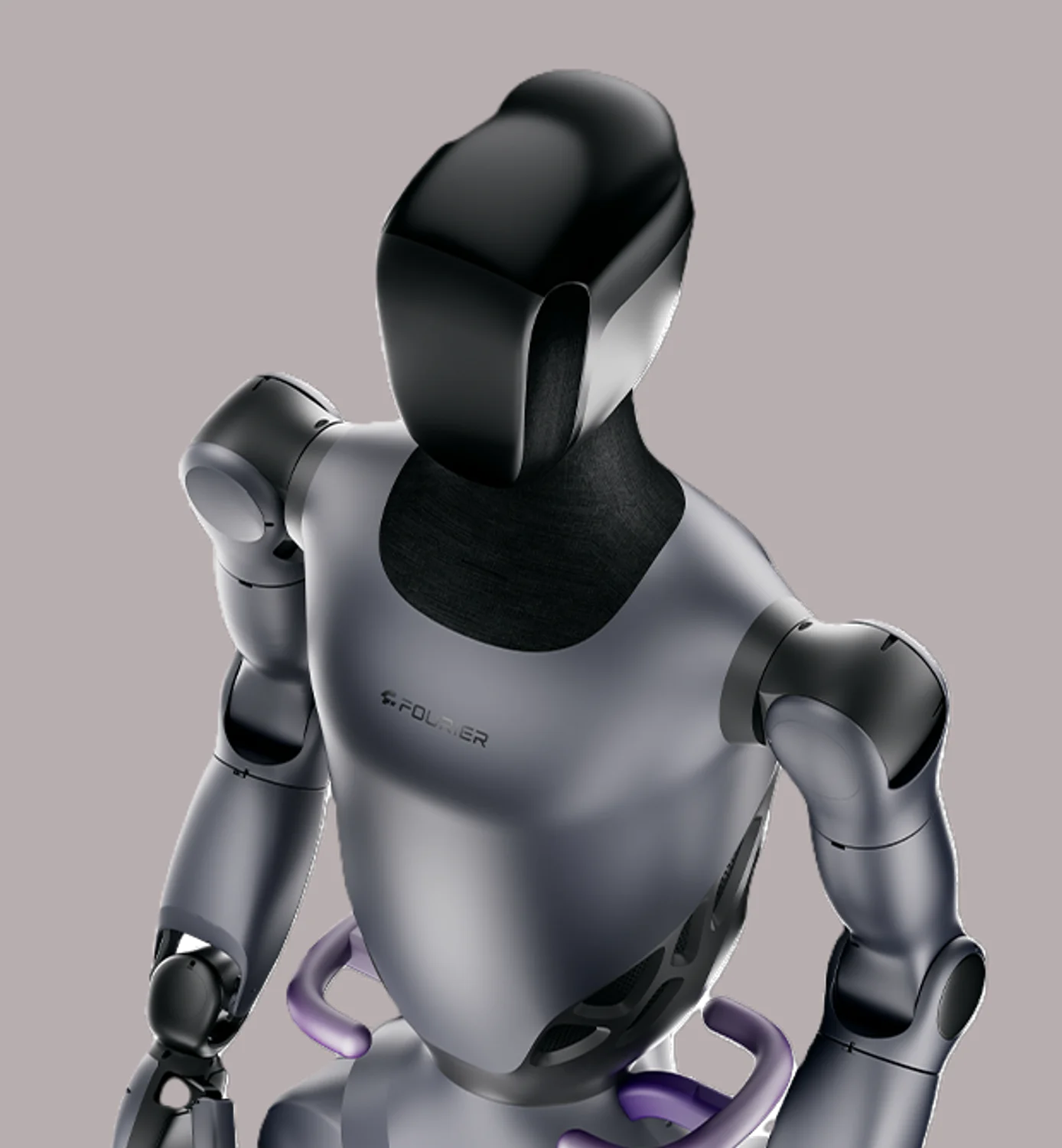
Measuring 175 cm tall, 60 cm wide, and 40 cm deep, the GR-2 weighs 63 kilograms — a balanced build for stability and agility. It moves at a steady pace of 5 km/h, ideal for both indoor and controlled outdoor environments. Its powerful battery promises a lifespan of five years, with operational runtime supported by a swappable battery design. The robot’s sensory suite includes six array-type tactile sensors, a dual-encoder system, IMU, gyroscope, and force sensors, all coordinated through SLAM, LiDAR, and vision-based navigation. It can carry goods or medical equipment with up to 3 kg payload per arm, safeguarded by emergency stop functions, obstacle detection, and collision avoidance.
How GR-2 Measures Up
When compared to competitors like AgiBot A2, Astribot S1, Phoenix, and Q5, the GR-2 stands out for its advanced dexterity and torque capabilities. Its 12-DoF hands and tactile sensor arrays surpass many rivals, delivering superior manipulation finesse. The bipedal locomotion and integration with powerful software platforms also give it an edge in adaptability. Overall, it excels in precision and developer ecosystem support, positioning itself strongly for complex tasks.
Shaping Robotics’ Future
Its developer-friendly toolkit encourages innovation, while its robust safety and sensory systems open doors to wider adoption in healthcare, manufacturing, and beyond.
Explore Humanoids
Related Articles
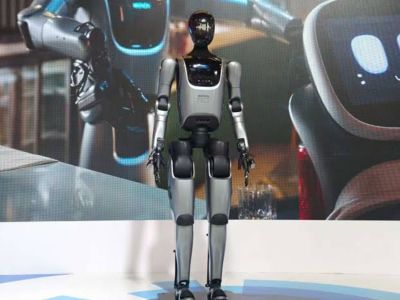
KEENON Shows XMAN-F1 Pouring Johnnie Walker in a Bartending Demo at WAIC 2025
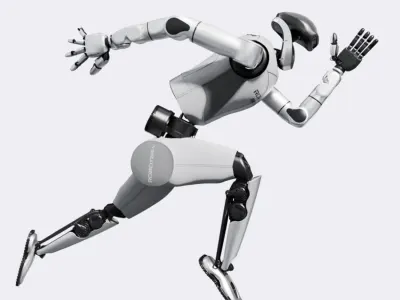
RobotEra L7 Runs at 14.4 km/h as the Humanoid Targets Warehouse Picking

Clone’s Protoclone V1 Mirrors Human Muscles with 1,000 Myofibers, 500 Sensors
Related Comparisons
Compare GR-2 with similar robots
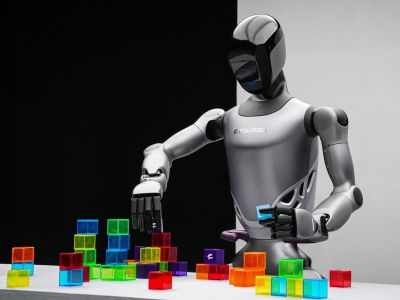
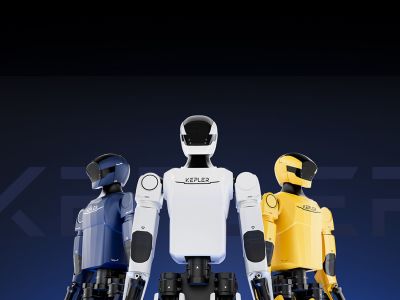
GR-2 vs Forerunner K2
Fourier GR-2 vs Kepler Forerunner K2: payload, battery life, hands and software compared, with a clear pick for labs and for factories.
AgiBot A2 vs GR-2
Compare AgiBot A2 and GR-2. Detailed analysis of navigation, battery, sensors, mobility, AI, software, and pricing.
GR-1 vs Unitree H1-2
Head-to-head: GR-1 vs Unitree H1-2 compared on bipedal balance, AI learning, and real-world deployment for research and care.
Agile ONE vs GR-3
Agile ONE or GR-3? Compare specs, sensors, navigation, battery, and speed for industrial vs service humanoid performance.
Learn More About This Robot
Discover detailed specifications, reviews, and comparisons for GR-2.
View Robot Details →