humanoid

Top 10 Humanoid Robots with the Best Learning Capabilities (AI Training) 2026

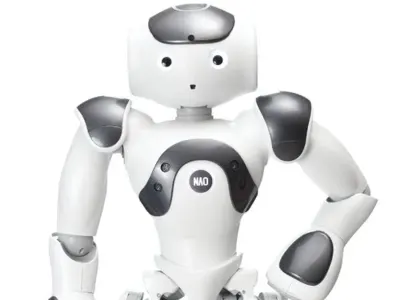
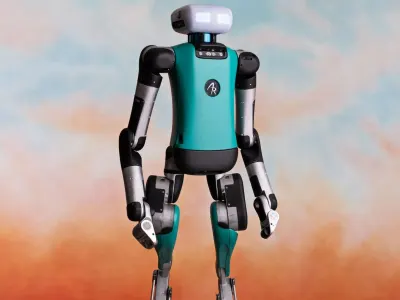
Robots: Optimus, Figure 03, Ameca, NEO Home Robot, Sophia, RAISE A1, Unitree G1, Atlas, Apollo, Astribot S1
By Origin Of Bots Editorial Team
June 8, 2026
2 min read
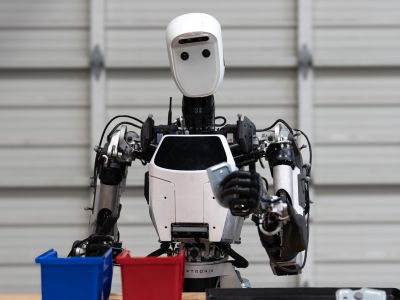
Optimus
Optimus
Teslađź“… 2025
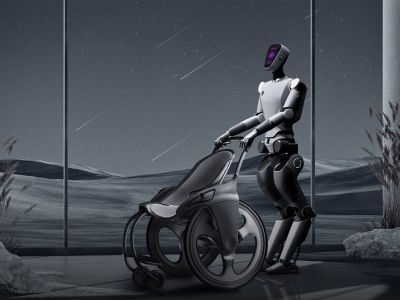
Figure 03
Figure 03
Figure AIđź“… 2025
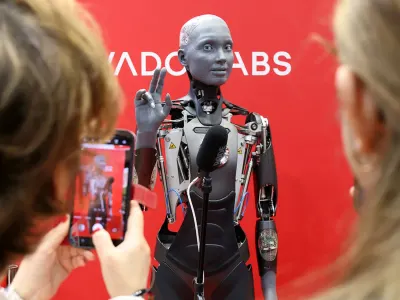
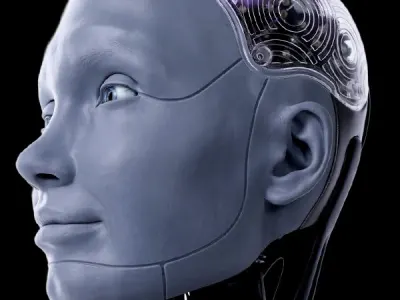
Ameca
Ameca
Engineered Artsđź“… 2021
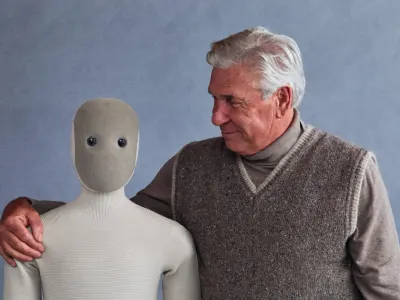
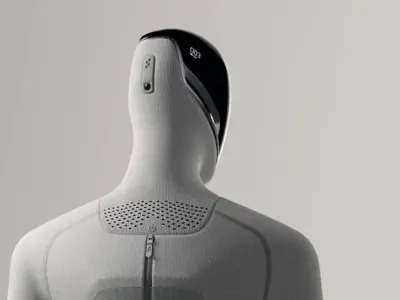
NEO Home Robot
NEO Home Robot
1X Technologiesđź“… 2025
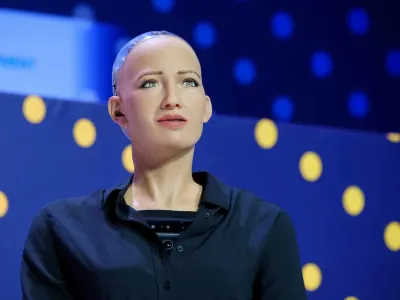
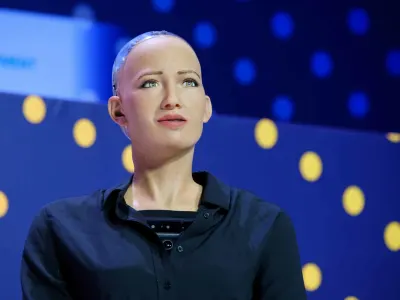
Sophia
Sophia
Hanson Roboticsđź“… 2016
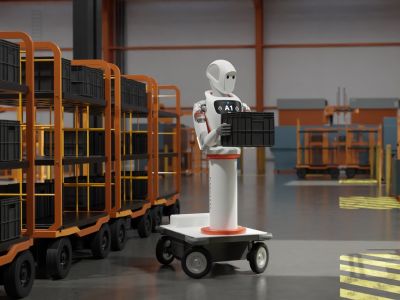
RAISE A1
RAISE A1
AgiBotđź“… 2024
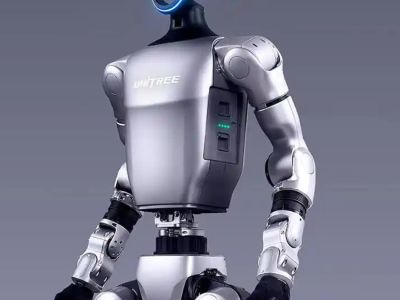
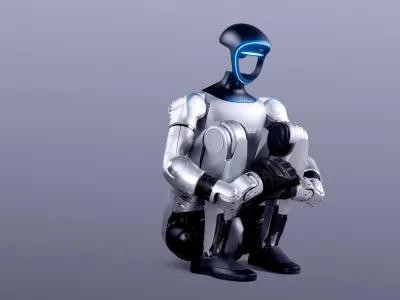
Unitree G1
Unitree G1
Unitree Roboticsđź“… 2024
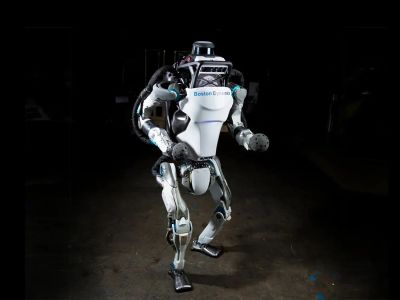
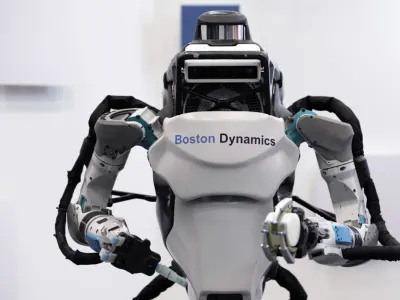
Atlas
Atlas
Boston Dynamicsđź“… 2013
+2

Learning Becomes The Product

Humanoid robots are shifting from showpieces to systems that improve through data, repetition, and task exposure, and that is why learning capability has become the main competitive metric in 2026. The field now rewards robots that can take in human demonstrations, adapt to structured environments, and expand from narrow tasks into broader workplace roles. Tesla’s Optimus, for example, is being framed around autonomy, factory tasks, and learning from real-world operation, while others such as Atlas, Apollo, and Figure 03 emphasize manipulation, mobility, and task transfer across industrial and domestic settings. The result is a market where AI training is as important as hardware design.

From Demo To Deployment

What distinguishes this wave is the move from scripted motion to robots that can learn usable behavior in warehouses, labs, homes, and public-facing environments. Systems such as Unitree G1, RAISE A1, and Astribot S1 are tied to repetitive manipulation and service work, where machine learning can improve grasping, sorting, and coordination through practice. Sophia and Ameca remain valuable as interaction and education platforms, where learning is measured less by heavy labor and more by conversation, responsiveness, and human-robot studies. NEO Home Robot and Figure 03 push the frontier further by targeting household assistance, a harder test because home environments demand flexible perception, safe motion, and fast adaptation.

Quick Overview

The comparison below highlights how each robot’s learning strengths map to its most credible use cases.

RobotManufacturerKey StrengthBest For
OptimusOptimusTeslaReal-world learning in structured industrial settingsManufacturing and logistics
Figure 03Figure 03Figure AIHousehold learning and light manipulationHome assistance and eldercare support
AmecaAmecaEngineered ArtsHuman-robot interaction and AI testingPublic demos and interaction studies
NEO Home RobotNEO Home Robot1X TechnologiesLearning for domestic assistanceHome support and monitoring
SophiaSophiaHanson RoboticsSocial interaction and education-focused learningResearch, exhibitions, and ethics discussions
RAISE A1RAISE A1AgiBotRepetition-friendly industrial learningSorting, assembly, and material handling
Unitree G1Unitree G1Unitree RoboticsFlexible training for repetitive physical tasksR&D and industrial handling
AtlasAtlasBoston DynamicsDynamic motion and autonomous task executionWarehouse automation and research
ApolloApolloApptronikPractical manipulation for workplace tasksWarehousing and manufacturing
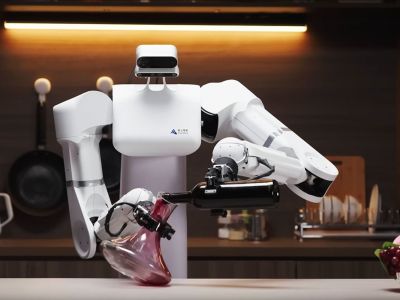
Astribot S1Astribot S1Stardust IntelligenceDexterous task learning across home and lab settingsChores, retail, and research

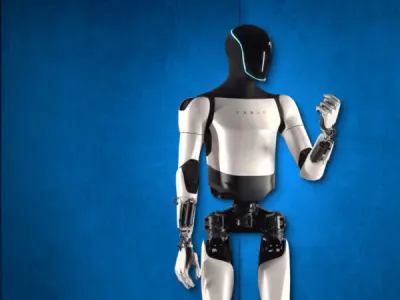
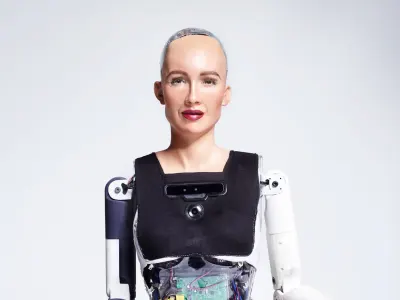
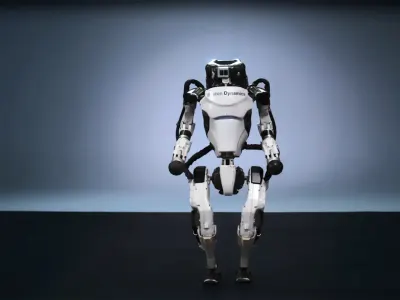
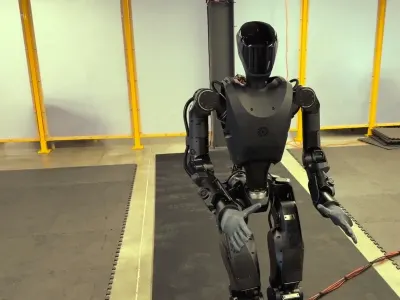
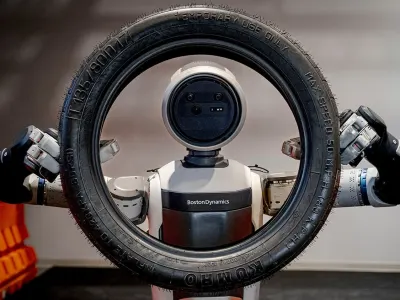
The ranking is less about size or speed than about how effectively each robot can translate training into useful action. Optimus: Tesla’s Optimus stands out because it is built around the idea that a humanoid robot should learn from real work rather than from isolated demonstrations. Tesla has positioned it for manufacturing, logistics, inspection, and remote operations, which gives it a clear industrial training loop: repetitive tasks, controlled environments, and continuous data collection. That makes Optimus notable not just as a robot, but as a learning platform tied to Tesla’s broader autonomy stack. Its differentiation lies in scale and ambition. It is aimed at general-purpose labor, but the current value is in improving task execution through practice, feedback, and deployment in real facilities. Atlas: Atlas is one of the most recognizable humanoid platforms because it combines advanced mobility with a long history of research-driven task learning. Boston Dynamics has used Atlas to explore dynamic movement, balance, and manipulation in ways that extend well beyond static factory automation. Its strengths matter because learning in humanoid robotics is not only about grasping objects, but about recovering from motion changes, shifting weight, and executing tasks in unpredictable spaces. Atlas is especially important as a research benchmark, giving engineers a way to test autonomous task execution, warehouse movement, and physically demanding maneuvers that still define the edge of humanoid robotics. Sophia: Sophia remains one of the most visible humanoid robots because its learning value is tied to communication, perception, and public engagement rather than physical labor. Hanson Robotics has used Sophia in universities, museum settings, corporate events, and media appearances, where the robot functions as a platform for AI education and discussion. Its primary distinction is that it helps people study how humans respond to humanoid expression and conversational behavior. In that sense, Sophia is less about lifting or assembly and more about social learning, AI ethics, and demonstrations that make machine intelligence legible to broader audiences. Ameca: Ameca is designed to show how human-robot interaction evolves when facial expression, timing, and conversational responsiveness are treated as core features. Engineered Arts has positioned it for public demonstrations, AI testing, and research into how people interpret machine behavior. That makes Ameca notable as a learning platform for interaction design, where the robot’s value comes from refining cues, responses, and social presence. It is not built primarily for heavy labor, but for studying the subtleties of trust, communication, and real-time adaptation. For researchers, Ameca is useful because it highlights the interface between machine learning and human expectation. Apollo: Apollo is Apptronik’s answer to the demand for a humanoid robot that can learn practical workplace behavior in warehousing and manufacturing. Its appeal lies in its focus on routine physical work, where repetition helps improve reliability in logistics, pick-and-place, and material movement. Apollo is notable because it targets the kind of tasks where a robot’s learning curve can be measured directly in throughput, consistency, and safety. Unlike robots built mainly for spectacle, Apollo is intended for operational settings where training data can come from daily work, making it a strong candidate for gradual deployment in industrial environments. Unitree G1: Unitree G1 is notable for its balance of accessibility and versatility, which makes it attractive for research teams and developers training humanoid systems on manipulation tasks. It is associated with palletization, assembly, welding, education, and demonstration work, all of which depend on repeated handling and controlled learning environments. That gives the G1 broad relevance in labs and industrial pilots where robots must improve through practice rather than one-off programming. Its differentiation is agility at a comparatively practical scale, making it useful for studies in coordination, bipedal control, and task execution without restricting the platform to a single narrow role. NEO Home Robot: NEO Home Robot is one of the clearest bets on domestic learning, with a focus on elderly assistance, cleaning, object handling, companionship, and remote monitoring. 1X Technologies is aiming at the hardest humanoid environment of all: the home, where objects vary, routines change, and safety matters constantly. That makes NEO important as a learning system because every household interaction can generate new data about navigation, manipulation, and helpful behavior. Its distinction is not industrial power but adaptation to everyday living, where a robot must become useful without requiring a controlled workspace. Astribot S1: Astribot S1 is notable because it connects humanoid learning to both household utility and applied research. Stardust Intelligence has framed it around chores such as cleaning and cooking demonstrations, along with lab automation, retail support, and hospitality tasks. That combination matters because it places the robot in environments where learning has to span domestic, service, and experimental use cases. The S1 stands out as a platform for bipedal locomotion and human-robot interaction research, but its practical value comes from the possibility of transferring learned actions across settings. That makes it a strong example of training-oriented humanoid design. Figure 03: Figure 03 is positioned around home assistance, household chores, elderly care support, and light manipulation, which makes learning the center of its usefulness. Figure AI has emphasized the idea that a humanoid robot should improve by handling ordinary tasks such as cleaning and moving small objects, rather than by chasing extreme athletic performance. That distinction matters because domestic robots must learn flexible, safe behavior in environments that are messy and constantly changing. Figure 03 is notable for pushing humanoid AI toward everyday utility, where learning is measured by how reliably it can reduce human workload in living spaces. RAISE A1: RAISE A1 represents the industrial end of humanoid learning, with a focus on pick-and-place operations, sorting, precision assembly, material handling, and repetitive work. AgiBot’s platform is important because those are the tasks where training data can be accumulated quickly and evaluated clearly. The robot’s appeal lies in serviceable repetition rather than headline-grabbing stunts, which makes it relevant to factories and service robotics teams that need dependable motion and improved manipulation. RAISE A1 stands out as a robot designed for learning through industrial cycles, where the value of AI training is measured in consistency, speed, and reduced manual effort.

Explore the Robots

Optimus
🏭
Industry: Manufacturing, research, logistics, infrastructure inspection, remote operations
đź“…
Timeline: Announced/launched 2025
đź’°
Price range: $20,000 - $50,000
Tesla

Optimus

humanoidHumanoid RobotSince 2025

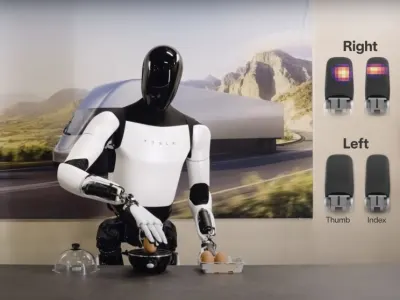
The Optimus by Tesla is an advanced humanoid robot designed for complex task automation. This bipedal platform incorporates cutting-edge motion control, dexterous manipulation, and intelligent autonomous capabilities. It combines state-of-the-art sensors, real-time balance control, and sophisticated software systems for versatile real-world applications in research, industry, and service environments.

Figure 03
🏭
Industry: Home assistance, household chores, elderly care support, light object manipulation, cleaning tasks
đź“…
Timeline: Announced/launched 2025
đź’°
Price range: $50,000 - $70,000
Figure AI

Figure 03

humanoidHumanoid RobotSince 2025

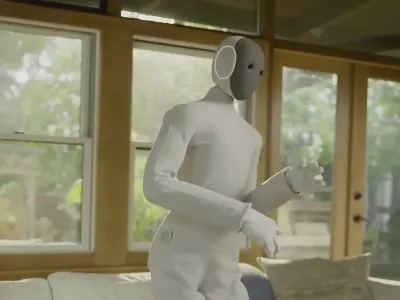
Figure 03 is a general-purpose humanoid robot designed specifically for home environments, capable of performing household tasks such as laundry, cleaning, and dishwashing autonomously. It features advanced tactile fingertip sensors that detect forces as small as three grams, enabling delicate manipulation of fragile and irregular objects. The robot is equipped with a palm camera and soft textiles covering to enhance safety and maneuverability in tight spaces. It uses the Helix AI system for pixel-to-action learning, allowing it to adapt to unpredictable, ever-changing home layouts. Figure 03 is lighter and smaller than its predecessor, with improved battery safety and wireless charging capabilities, making it a practical assistant for everyday living.

Ameca
🏭
Industry: Human-robot interaction studies, public demonstrations, AI testing
đź“…
Timeline: Announced/launched 2021
đź’°
Price range: US$250000-500000
Engineered Arts

Ameca

humanoidHumanoid RobotSince 2021

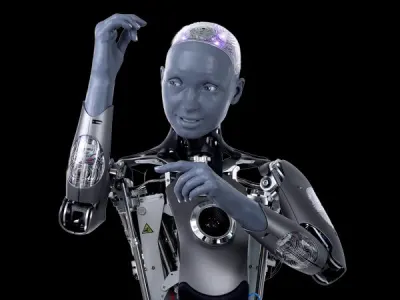
Ameca is a humanoid robot platform by Engineered Arts designed for advanced automation and task execution across industrial applications. The system integrates bipedal locomotion, dexterous manipulation, and autonomous perception capabilities. Built for deployment in manufacturing, research, and service environments, the platform provides autonomous task learning and operational flexibility for diverse real-world applications.

NEO Home Robot
🏭
Industry: Elderly assistance, home cleaning, object manipulation, social companionship, remote monitoring
đź“…
Timeline: Announced/launched 2025
đź’°
Price range: $20,000–$30,000
1X Technologies

NEO Home Robot

humanoidHumanoid RobotSince 2025

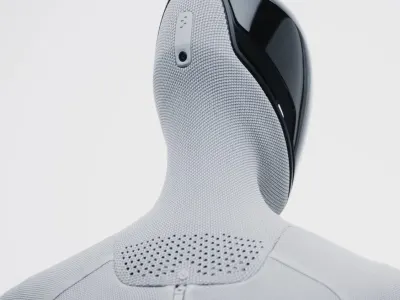
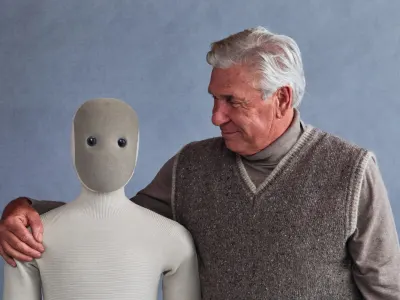
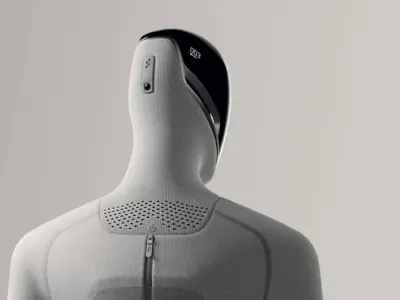
NEO Gamma is 1X Technologies’ latest home-focused humanoid, blending a sleek 3D-printed nylon-knit exterior with advanced AI for natural interaction. At 1.65 m tall, it walks with a realistic gait, squats to pick up objects, and even sits on chairs. Its custom language model enables fluid conversation and task learning, while “Emotive Ear Rings” provide intuitive visual feedback. Whether providing elderly care, handling daily chores, or offering companionship, NEO Gamma adapts to household routines with surprising dexterity and warmth.

Sophia
🏭
Industry: University research, AI and robotics education, museum and exhibition displays, corporate events, media appearances, healthcare companion demonstrations, AI ethics discussions
đź“…
Timeline: Announced/launched 2016
đź’°
Price range: $50,000 - $100,000 (Based on Hanson Robotics Pricing Structure)
Hanson Robotics

Sophia

humanoidHumanoid RobotSince 2016

Sophia is Hanson Robotics’ iconic social humanoid robot, unveiled in 2016 and famed for her lifelike expressions and conversational abilities. She combines advanced neural‑network AI, natural language processing, and computer vision to recognize faces, understand emotions, and engage in dialogue that feels remarkably human. Designed as a research and public‑engagement platform, Sophia has appeared at the UN, talk shows, and global conferences, and holds the distinction of being the first robot granted citizenship. Her expressive LED “eyes,” animatronic facial mechanisms, and cloud‑connected learning system illustrate a playful yet profound leap in human‑robot interaction.

RAISE A1
🏭
Industry: Pick-and-place operations, sorting, precision assembly, material handling, repetitive industrial tasks, service robotics
đź“…
Timeline: Announced/launched 2024
đź’°
Price range: $30,000
AgiBot

RAISE A1

humanoidHumanoid RobotSince 2024

The RAISE A1 is a first-generation general-purpose humanoid robot engineered for real-world industrial and commercial applications. Standing 175 cm tall with an athletic human-like build, it combines advanced bipedal locomotion with 49+ degrees of freedom for fluid, natural movements. Equipped with dexterous five-finger hands capable of precise manipulation and 5 kg per-arm lifting capacity, the robot integrates proprietary AI systems including WorkGPT and EI-Brain architecture for autonomous task execution. With LiDAR and RGB-D vision sensors, it navigates complex environments safely alongside human workers, performing repetitive precision tasks in manufacturing, logistics, and service sectors.

Unitree G1
🏭
Industry: R&D, palletization, handling, assembly, welding, education, demonstration
đź“…
Timeline: Announced/launched 2024
đź’°
Price range: USD 13,500 – 21,770- based on the configuration
Unitree Robotics

Unitree G1

humanoidHumanoid RobotSince 2024

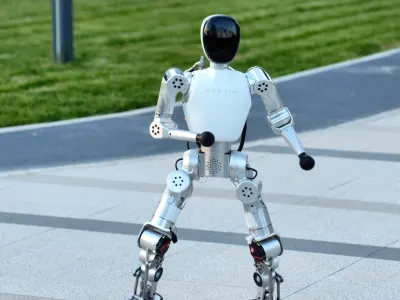
The Unitree G1 is a game-changer in affordable humanoid robotics. With 23 degrees of freedom and cutting-edge AI, it mimics human motion with surprising fluidity. This compact robot is equipped for dynamic environments—ideal for research labs, educational institutions, and light industrial automation. Whether it’s performing tasks, interacting with people, or exploring tight spaces, the G1 delivers high performance in a sleek, legged package. It's a prime tool for those developing next-gen human-robot collaboration solutions.

Atlas
🏭
Industry: Warehouse automation, research platforms, industrial manipulation, autonomous task execution, parkour and dynamic movement research
đź“…
Timeline: Announced/launched 2013
đź’°
Price range: Not publicly disclosed
Boston Dynamics

Atlas

humanoidHumanoid RobotSince 2013

Atlas is the world’s most dynamic humanoid robot, engineered to push the limits of whole-body mobility and manipulation. Its advanced control system and high-density lithium-ion battery enable it to walk, jump, backflip, and interact with complex environments. Equipped with stereo vision, LiDAR, force sensing, and inertial measurements, Atlas navigates uneven terrain and maintains balance under disturbances. The fully electric version offers broader motion and commercial deployment pathways, marking a new era in humanoid robotics.

Apollo
🏭
Industry: Warehousing, manufacturing, logistics, eldercare
đź“…
Timeline: Announced/launched 2023
đź’°
Price range: Estimated $200,000–300,000
Apptronik

Apollo

humanoidHumanoid RobotSince 2023

Apollo is a next-gen humanoid robot built for real-world work. Standing nearly as tall as a human, Apollo is engineered to perform physical tasks in logistics, manufacturing, and services. With a sleek design, modular build, and the ability to safely interact with humans, Apollo brings a sci-fi vision to life. It’s not just a concept — it’s a practical, strong, and intelligent workforce assistant that can lift 25 kg, move with grace, and even be remotely operated or AI-powered. Apollo is where robotics meets reality.

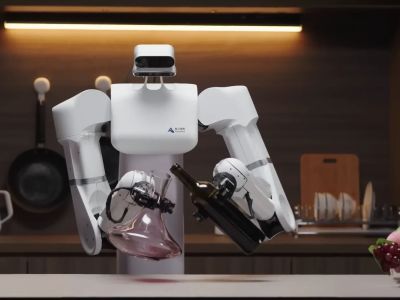
Astribot S1
🏭
Industry: Household chores (cleaning, cooking demos), lab automation, retail/hospitality assistance, research into bipedal locomotion and human-robot interaction
đź“…
Timeline: Announced/launched 2024
đź’°
Price range: $100,000–$150,000 (Based on the market price for early deployments)
Stardust Intelligence

Astribot S1

humanoidHumanoid RobotSince 2024

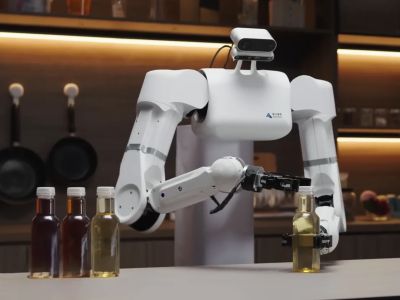
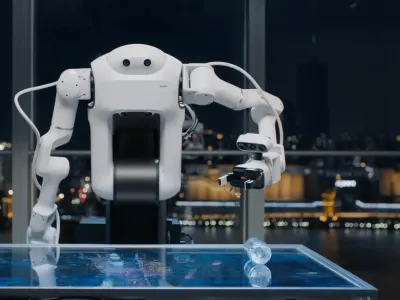
The Astribot S1 is a groundbreaking humanoid robot engineered by Stardust Intelligence to emulate human dexterity and intelligence. With a top speed of 10 m/s and 7 degrees of freedom per arm, it performs tasks ranging from cooking and cleaning to playing musical instruments and practicing martial arts. Its advanced AI enables imitation learning, allowing it to adapt to new tasks and environments. Designed for versatility, the S1 is poised to revolutionize industries such as home assistance, manufacturing, and research, offering a glimpse into the future of human-robot collaboration.

Share this article

Help others discover these compact humanoids