Top 10 Humanoid Robots for Logistics & Delivery Tasks 2026



Humanoids Enter Operations
Humanoid robots are moving from demonstration floors into the logistics workflows that matter most: tote handling, inventory sorting, palletization, loading, inspection, and controlled material transport. In 2026, the key shift is not just better mobility, but better task fit. Companies want robots that can work in human-built warehouses and factories without expensive reconfiguration, and that makes humanoids especially relevant for delivery-adjacent operations where shelves, carts, doors, stairs, and conveyors were designed for people. The ten robots in this lineup reflect that pivot from novelty to utility, spanning industrial automation, fulfillment centers, research labs, and service environments.
From Demo To Deployment
What distinguishes this new wave is specialization inside a shared humanoid form factor. Tesla’s Optimus and Agility’s Digit are being positioned around repetitive handling and transport, while Apptronik’s Apollo, UBTECH’s Walker S2, and Figure 03 are aimed at broader workspaces where logistics overlaps with manufacturing or home support. Unitree G1 and EngineAI’s PM01 speak to the research and education market, where low-friction access matters, while Sanctuary AI’s Phoenix and Fourier’s GR-3 emphasize teleoperation, data capture, and human interaction. 1X’s NEO Home Robot extends the logistics logic into the home, where object movement, monitoring, and assistance matter just as much as payload capacity.
Quick Overview
These ten robots show how logistics and delivery tasks are being split across industrial, service, and home settings rather than solved by one universal machine.
| Rank | Robot | Manufacturer | Key Strength | Best For |
|---|---|---|---|---|
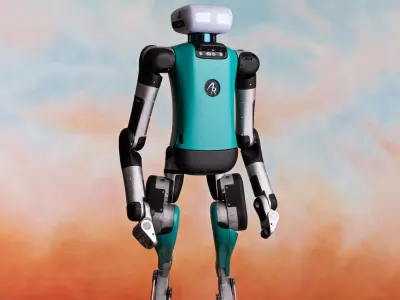
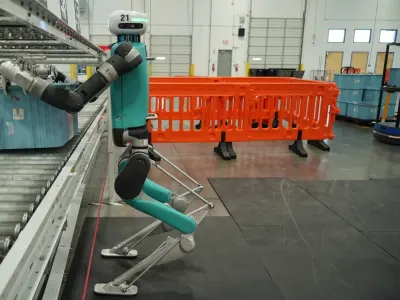
| #1 | 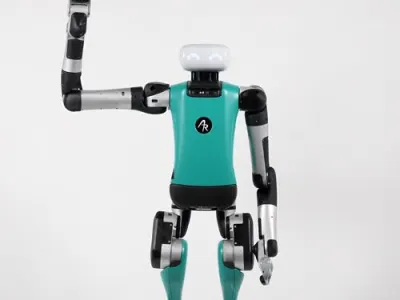 Digit Digit | Agility Robotics | Purpose-built tote and box handling | Fulfillment centers |
| #2 | 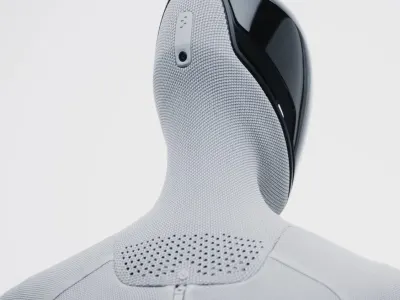 Figure 03 Figure 03 | Figure AI | Household-oriented manipulation platform | Home chores and light assistance |
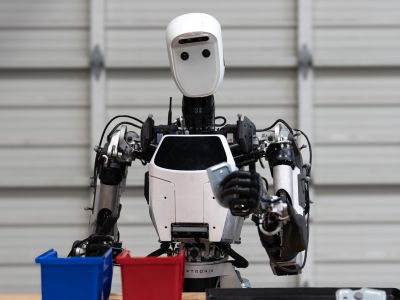
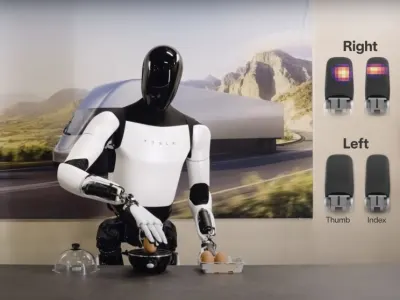
| #3 | 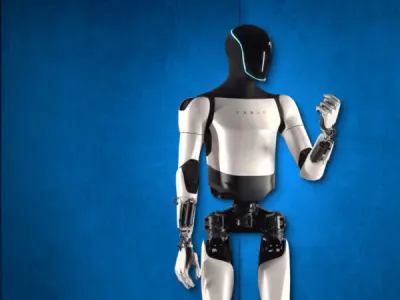 Optimus Optimus | Tesla | General-purpose manipulation and factory mobility | Manufacturing and logistics support |
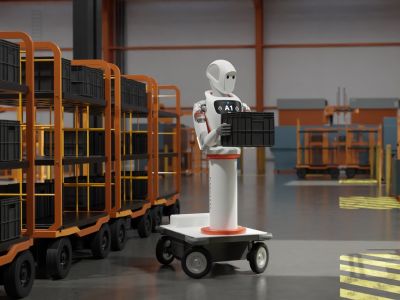
| #4 | 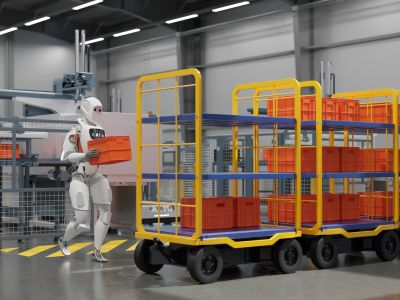 Apollo Apollo | Apptronik | Warehouse-friendly humanoid labor | Warehousing and logistics |
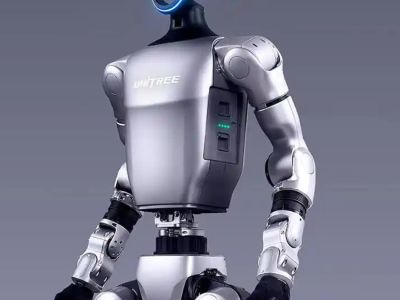
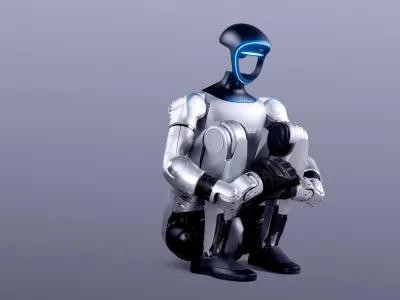
| #5 | 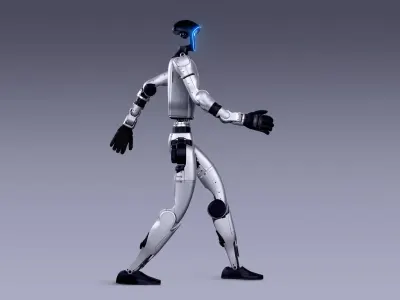 Unitree G1 Unitree G1 | Unitree Robotics | Accessible humanoid platform for practical trials | R&D and light industrial tasks |
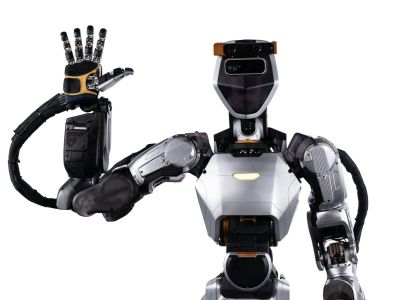
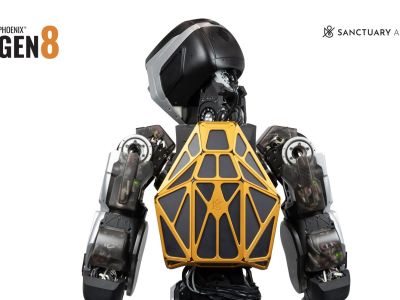
| #6 | 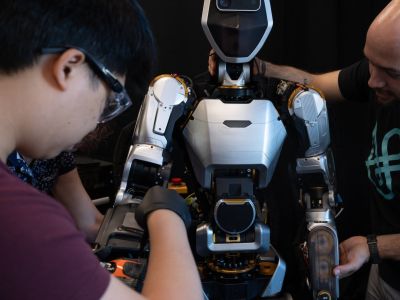 Phoenix Phoenix | Sanctuary AI | Data-rich, teleoperable work platform | Industrial automation and service tasks |
| #7 |  NEO Home Robot NEO Home Robot | 1X Technologies | Home assistance with monitoring and object handling | Elderly assistance and home support |
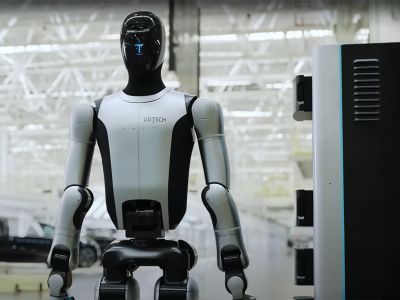
| #8 | 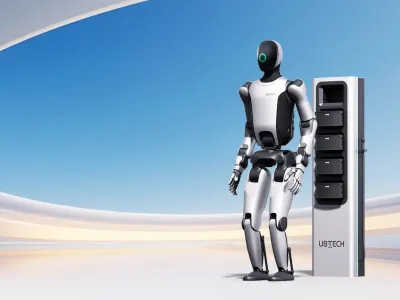 Walker S2 Walker S2 | UBTECH Robotics | Factory co-worker with maintenance focus | Assembly lines and material transport |
| #9 | 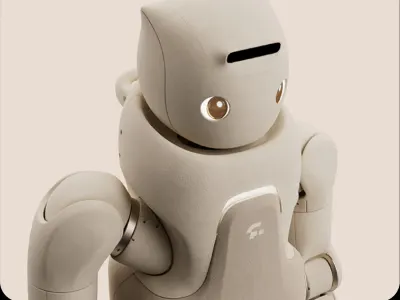 GR-3 GR-3 | Fourier Intelligence | Human interaction and assisted support | Care settings and public-facing tasks |
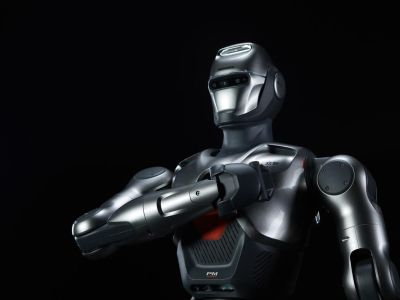
| #10 |  EngineAI PM01 EngineAI PM01 | EngineAI | Humanoid / General Purpose | Dynamic terrain running, jumping |
Taken together, the list underscores a market that is broadening fast: logistics is no longer just about warehouses, but about any environment where people need a machine that can move, sort, carry, inspect, and assist in spaces built for humans.
Explore the Robots
Digit
Agility Robotics’ Digit is one of the clearest humanoid plays for fulfillment and delivery-adjacent work because it is focused on tote handling, inventory movement, and loading or unloading workflows. Its design goal is practical warehouse usefulness rather than general consumer appeal, which makes it especially relevant where boxes, bins, and transport lanes dominate the job. Digit is important because it targets the exact tasks logistics operators automate first, especially in environments where human workers and mobile robots already share space.

Figure 03
Figure AI’s Figure 03 is aimed more at home assistance than warehouse labor, but it still belongs in a logistics-centered conversation because domestic robotics increasingly overlaps with moving objects, organizing spaces, and handling routine chores. Its relevance comes from light manipulation and cleaning tasks that mirror the kind of everyday delivery and retrieval behaviors humanoids need to master. Figure 03 is notable as a consumer-facing direction for humanoids, with practical utility as the priority.
Optimus
Tesla’s Optimus stands out as a general-purpose humanoid built around repetitive, physically demanding work that humans do not need to keep doing by hand. Its appeal in logistics is its ability to move through human-designed spaces and handle tasks such as carrying, sorting, inspection, and material movement without requiring a dedicated robotics line in every facility. What makes Optimus notable is not a single warehouse trick, but Tesla’s push to combine mobility, manipulation, and autonomy into one platform.
Apollo
Apptronik’s Apollo is notable for being shaped around warehouse and manufacturing work that requires a humanoid to cooperate with existing infrastructure. It is positioned for logistics, but also for broader industrial roles where moving materials, handling goods, and supporting production flow matter. Apollo’s differentiator is its emphasis on being a practical labor platform for real operations, with use cases that extend into eldercare and service contexts without losing sight of industrial deployment.
Unitree G1
Unitree G1 is the type of humanoid that attracts attention from researchers, educators, and developers who want a capable platform for testing real-world handling scenarios. In logistics terms, it matters because it can support palletization, assembly, welding-adjacent workflows, and demonstrations that prepare teams for future deployment. Its strength is accessibility and adaptability, making it useful where organizations want to experiment before scaling.
Phoenix
Sanctuary AI’s Phoenix is built around industrial automation, but its broader value comes from data capture and teleoperated work, which are increasingly important in logistics environments that still need human supervision. It is notable for scenarios where robots must learn from operations and where remote oversight helps bridge the gap between autonomy and deployment. Phoenix is especially relevant in facilities that want a humanoid capable of handling service tasks while supporting industrial workflows.

NEO Home Robot
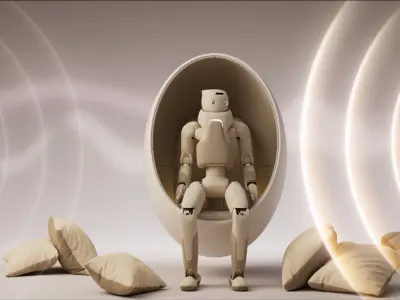
1X Technologies’ NEO Home Robot extends humanoid robotics into the household, where logistics looks like object pickup, room-to-room carrying, and routine support for older adults. Its importance for this article is that delivery and assistance do not stop at the front door. NEO is designed for home cleaning, object manipulation, companionship, and remote monitoring, which makes it a logical fit for domestic environments where practical movement matters more than heavy lifting.
Walker S2
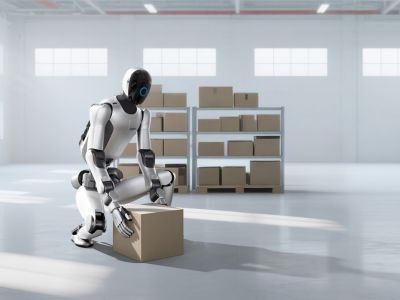
UBTECH Robotics’ Walker S2 is positioned as a factory-floor co-worker with a clear industrial mission: assembly support, logistics transport, inspection, and maintenance-related tasks such as battery swapping. That combination makes it stand out in environments where uptime and workflow continuity matter. Walker S2 is less about consumer visibility and more about being useful in structured production lines where repetitive movement and quality checks can be automated.
GR-3
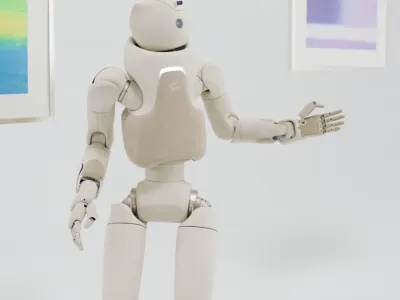
Fourier Intelligence’s GR-3 is notable for blending care-oriented robotics with public-facing and teleoperated support, which gives it a role in logistics settings where human interaction is central. While not a warehouse robot in the classic sense, it can support healthcare facilities, companionship, and remote assistance in spaces where delivery includes moving items, helping people, and maintaining service continuity. GR-3 stands out for its human-centered design rather than raw throughput.
EngineAI PM01
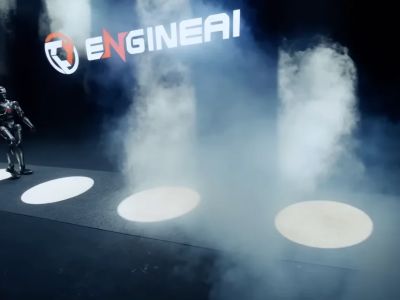
EngineAI’s PM01 is a humanoid aimed at the intersection of academic research and practical automation. It is relevant to logistics because the real bottleneck is often not just moving objects, but training systems to interact safely and predictably with people, shelves, and changing workflows. PM01’s value lies in its flexibility across service robotics, human-robot interaction, and industrial automation, which makes it a testbed for emerging delivery and handling applications.
Sources
Related Articles

Top 10 Humanoid Robots with the Best Learning Capabilities (AI Training) 2026
6/8/2026

Top 10 Humanoid Robots Competing with Tesla Optimus (2026)
6/8/2026
10 Best Humanoid Robots for Education & Research Labs
6/8/2026
8 Most Compact Humanoid Robots in 2026
5/3/2026
Top 8 Humanoid Robots with Autonomous Navigation (2026)
5/3/2026
Top 6 Humanoid Robots with Advanced Voice Interaction Systems
5/3/2026
Top 5 Humanoid Robots Being Developed for Defense, Security & First Responders in 2026
10/9/2026
Top 10 Heavy-Duty Industrial Humanoid Robots for Automotive & Factory Assembly in 2026
10/9/2026

Top 10 Home Humanoid Robots for Domestic Tasks & Personal Assistance in 2026
10/5/2026