Top 7 Latest Humanoid Robots Launched in 2026




2026’s Humanoid Breakout
The latest humanoid robot launches in 2026 show the category shifting from demo novelty to purpose-built systems aimed at specific jobs, and the ranking reflects which platforms appear most aligned with real-world demand. Rank #1 through Rank #7 in this list are ordered by how broadly each robot can serve practical settings, how clearly it targets a live market, and how strongly it signals near-term adoption across homes, workplaces, and research labs. That matters now because humanoids are no longer being judged only on walking or lifting; they are increasingly valued for manipulation, communication, and task autonomy in environments where human labor is costly or scarce.
Why These Matter Now
What distinguishes the 2026 wave is the way these robots fuse embodied AI with narrower, commercially legible roles, from household assistance and elder care to logistics, reception, and industrial inspection. The list spans robots that prioritize human interaction, such as service and companionship, alongside platforms built for structured environments like warehouses and factory floors, where deployment is easier to prove. That split explains the ranking: the strongest entries are not always the most general, but the ones with the clearest path from launch to use. In practice, 2026 is becoming the year humanoids are judged less by aspiration and more by fit, reliability, and immediate utility.
Quick Overview
This ranked snapshot compares each humanoid by its core strength and the job it appears best positioned to handle.
| Rank | Robot | Manufacturer | Key Strength | Best For |
|---|---|---|---|---|
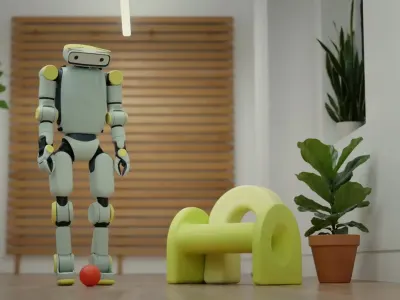
| #1 | 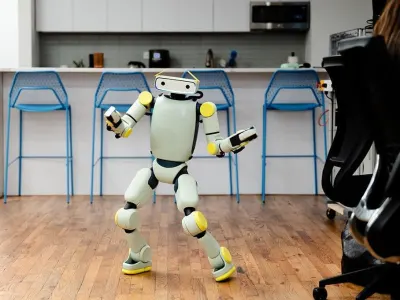 Sprout Sprout | Fauna Robotics | Household-focused manipulation and developer-friendly task planning | Home chores and research |
| #2 |  Origin F1 Origin F1 | AheadForm | High-visibility human interaction and embodied AI experimentation | Reception, HRI studies, companionship |
| #3 |  Moya Moya | DroidUp | Socially oriented assistance across care and service settings | Elder care, tutoring, customer service |
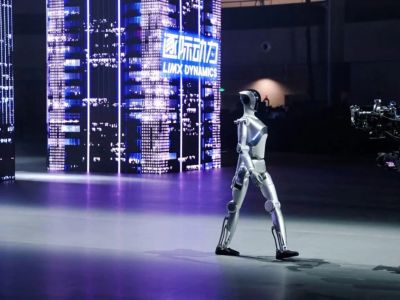
| #4 | 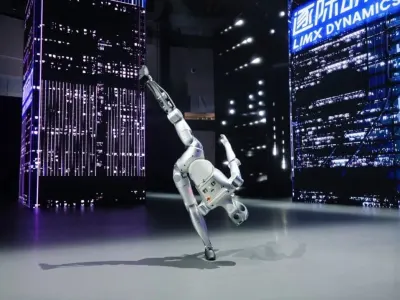 Luna Luna | LimX Dynamics | Flexible platform for research and public-facing performance roles | HRI research and service reception |
| #5 |  Honor D1 (Lightning) Honor D1 (Lightning) | Honor | Mobility and logistics potential with broad public demonstration appeal | Delivery, locomotion research, showcases |
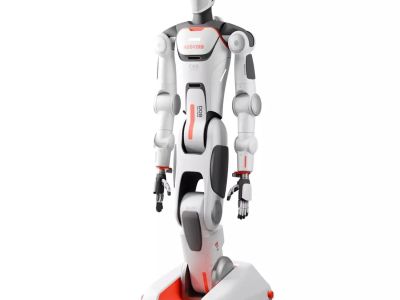
| #6 | 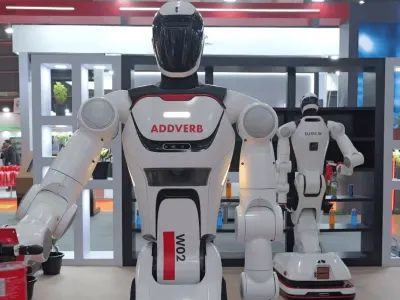 ELIXIS W ELIXIS W | Addverb Technologies | Warehouse and factory workflow integration | Intralogistics and material handling |
| #7 |  KaiBot KaiBot | Kinetix AI | Dexterous home and lab collaboration | Home assistance and light manufacturing |
These rankings suggest 2026’s humanoid market is being defined by specialization first, with the most valuable robots those that can prove useful in a narrow setting and then expand outward.
Explore the Robots
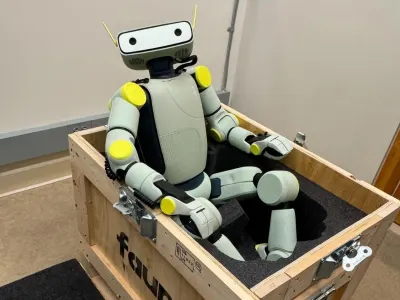
Sprout
Sprout stands out as a humanoid aimed at the practical edge of home robotics, where manipulation, planning, and voice control matter more than spectacle. Its value lies in combining household chores with a developer platform, making it relevant both to end users and robotics teams building new behaviors. That dual purpose gives it a broader profile than a single-task home assistant. In a market crowded with prototypes, Sprout is notable for being framed around everyday utility, not just mobility. Its strongest differentiator is the balance between domestic usefulness and research flexibility, which positions it as a bridge between consumer robotics and experimental AI systems.

Origin F1
Origin F1 is positioned as a humanoid built for presence as much as function, which makes it especially relevant to embodied AI research and human-robot interaction studies. Its use cases also point to hospitality-style applications, including luxury retail reception and healthcare companionship, where appearance, timing, and social cues matter. That makes it different from factory-first humanoids that are judged mainly on lifting and endurance. Origin F1 appears designed to help organizations study how people respond to lifelike robots in public settings, while also supporting future digital legacy and mimicry concepts. Its distinguishing feature is its blend of research utility and high-touch customer engagement.

Moya
Moya is notable for leaning into care and communication, targeting elder companionship, educational tutoring, customer service, and healthcare assistance. That combination places it in the social robotics segment, where usefulness comes from responsiveness, patience, and trust rather than raw strength. Compared with warehouse or industrial humanoids, Moya’s value is in direct human support across environments where conversation and guidance are part of the job. It is the kind of robot that could be deployed in clinics, learning centers, or front-desk roles before broader household adoption. Its defining trait is versatility in people-facing work, especially in situations that benefit from calm, repeatable interaction.

Luna
Luna is presented as a humanoid that can move between research and performance-oriented roles, which makes it attractive to institutions that need a flexible public platform. Its strengths in advanced HRI research and embodied AI validation suggest it is built to test algorithms in realistic human settings rather than isolated lab conditions. At the same time, its fit for luxury service reception and performance arts gives it a visible role in spaces where design and presence matter. Luna is distinct because it sits at the intersection of technical evaluation and public demonstration. That makes it useful not just as a robot, but as a way to showcase what humanoid systems can do when interaction is part of the product.

Honor D1 (Lightning)
Honor D1, also referred to as Lightning, is notable for linking humanoid robotics with mobility, delivery, and public demonstration use cases. That combination suggests a platform intended to prove bipedal movement in realistic environments while also serving as a visible technology showcase. Its relevance to future smart environments hints at integration with connected infrastructure, which could broaden its role beyond one-off demonstrations. Compared with more narrowly defined service robots, Honor D1 appears to be built for movement-first credibility, where locomotion quality helps establish trust in later applications. Its strongest differentiator is the mix of athletic benchmarking and practical logistics potential, two areas that often overlap in humanoid development.
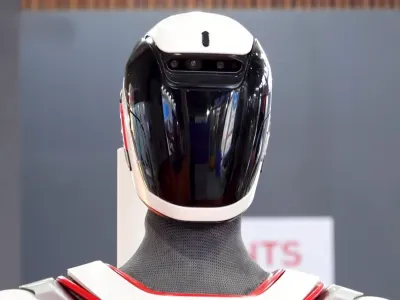
ELIXIS W
ELIXIS W is framed as an industrial humanoid, with its strongest value centered on intralogistics, inspection, material handling, package sorting, and collaborative assembly. That makes it squarely relevant to factories and warehouses, where humanoids must work alongside people and existing workflows. Its purpose is less about social presence and more about repeatable productivity in structured environments, which is where humanoid adoption is currently most credible. ELIXIS W stands apart because it is tied to operational tasks that can be measured in throughput, safety, and efficiency. In a crowded field, that clarity is an advantage. It is a robot for businesses that want function first and broad adaptability second.
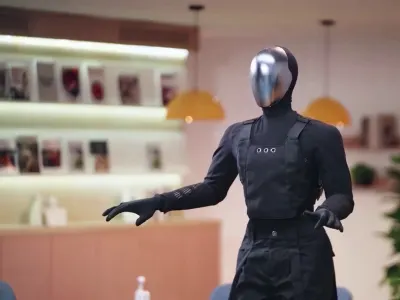
KaiBot
KaiBot is notable for targeting both home assistance and lab or light-manufacturing collaboration, which gives it a practical middle ground between consumer and enterprise robotics. Its emphasis on dexterous manipulation suggests a focus on tasks that require careful handling, object interaction, and human-aware movement. That makes it especially relevant for settings where robots must work with people rather than replace them outright. KaiBot’s distinguishing feature is its broad usability without drifting into vague general-purpose claims. It looks designed for environments where reliability, precision, and cooperative behavior matter. In this ranked list, it represents a compact and adaptable entry, strongest when the task demands dexterity more than brute force.
Sources
Related Articles
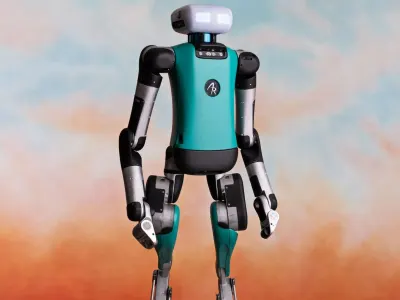
Top 10 Humanoid Robots for Warehouse Automation (2026)
4/18/2026
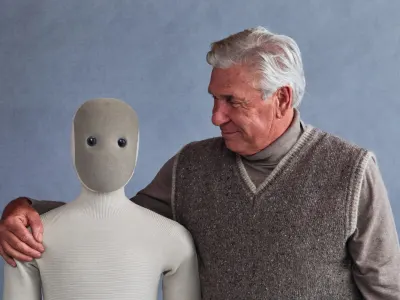
6 Best Humanoid Robots for Elderly Care & Assistance (2026)
4/18/2026
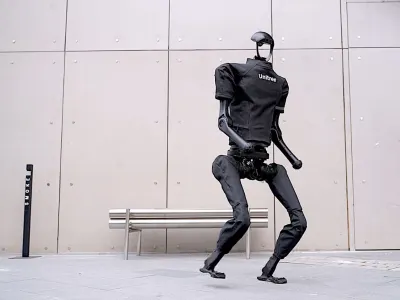
7 Humanoid Robots with the Best Battery Life in 2026
4/18/2026
The 2026 Humanoid Price War: Comparison of Unitree R1 vs. Noetix Bumi and entry-level models
4/11/2026

6 Most Human-Like Humanoid Robots in 2026
4/11/2026
7 Top Humanoid Robots with Advanced Vision Systems 2026
4/11/2026
Top 10 Home Humanoid Robots for Domestic Tasks & Personal Assistance in 2026
10/5/2026
Top 10 Heavy-Duty Industrial Humanoid Robots for Automotive & Factory Assembly in 2026
10/2/2026
Top 8 Social & Companion Humanoid Robots with Conversational Emotional AI for 2026-2027
9/20/2026