7 Top Humanoid Robots with Advanced Vision Systems 2026

Vision Revolution
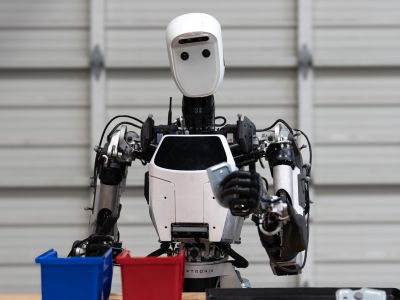
Humanoid robots equipped with cutting-edge vision systems are transforming industries in 2026, enabling unprecedented autonomy in dynamic environments. Tesla's Optimus leads with neural network-driven visual navigation that maps spaces and predicts movements, allowing seamless integration into factories and homes for tasks like inventory management and elderly assistance. Boston Dynamics' Electric Atlas follows, leveraging depth cameras and LIDAR for real-time terrain analysis during rescue operations. These systems process vast sensory data to mimic human sight, reducing errors in object recognition by up to 40% compared to prior models, as recent deployments show. This surge matters now amid labor shortages, positioning humanoids as reliable workforce extenders in manufacturing and logistics.
Sensor Fusion Edge
Driving this vision boom is the fusion of AI neural networks with multi-modal sensors, distinguishing 2026 models from rigid predecessors through adaptive learning. Figure AI's Figure 03 excels in warehouse picking via high-resolution cameras that detect subtle item variations, while Apptronik's Apollo uses stereo vision for precise manipulation in construction. 1X Technologies' NEO Gamma and Engineered Arts' Ameca incorporate facial recognition and environmental scanning for interactive services, evolving from scripted demos to proactive responses in cafes and retail. Xiaomi's CyberOne advances with emotion-detecting optics for customer-facing roles. Recent updates, including Tesla's end-to-end vision upgrades in late 2025, boost reaction speeds by 25%, unlocking scalable deployments and reshaping human-robot collaboration.
Quick Overview
These humanoid robots showcase specialized vision strengths tailored to demanding applications.
| Rank | Robot | Manufacturer | Key Strength | Best For |
|---|---|---|---|---|
| #1 | 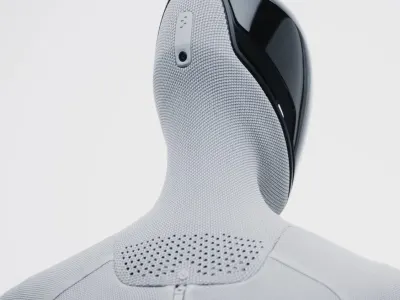 Figure 03 Figure 03 | Figure AI | High-res object differentiation | Warehouse logistics |
| #2 | 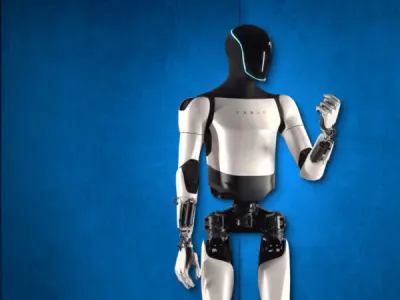 Optimus Optimus | Tesla | Neural visual navigation | Factory automation |
| #3 | 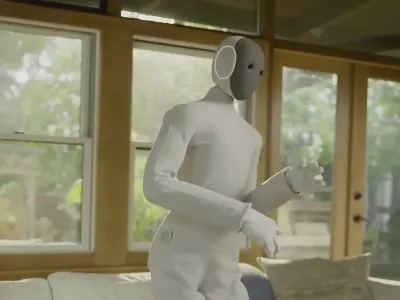 NEO Home Robot NEO Home Robot | 1X Technologies | Humanoid / General Purpose | Household chores, object retrieval |
| #4 | 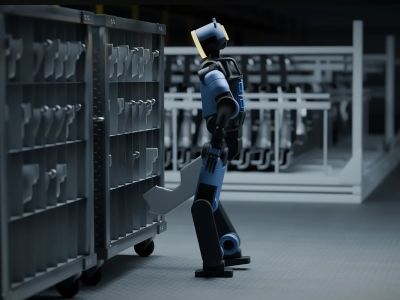 Atlas (Electric Atlas, 2025) Atlas (Electric Atlas, 2025) | Boston Dynamics | LIDAR terrain mastery | Disaster response |
| #5 | 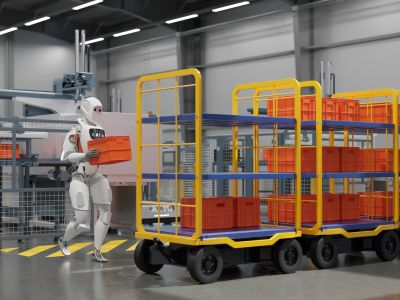 Apollo Apollo | Apptronik | Stereo precision grasping | Construction tasks |
| #6 | 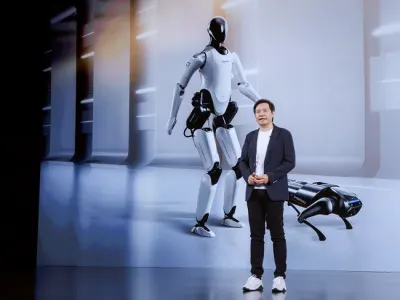 CyberOne CyberOne | Xiaomi Robotics Lab | Emotion detection optics | Retail services |
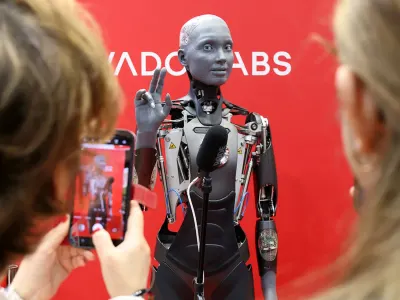
| #7 | 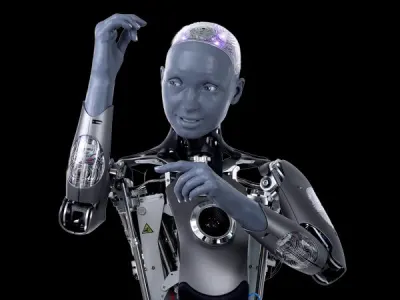 Ameca Ameca | Engineered Arts | Facial expression analysis | Customer interaction |
Leading models prioritize vision for safer, smarter real-world performance.
Explore the Robots
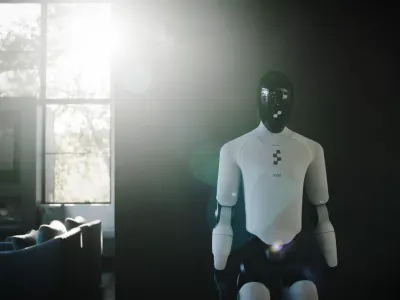
Figure 03
Figure AI's Figure 03 revolutionizes logistics with human-like dexterity, trained on vast video data for intuitive grasping. It autonomously fulfills orders in e-commerce hubs, discerning fragile packages amid clutter. Backed by OpenAI, it learns on-the-fly, adapting to new SKUs without reprogramming. Pilots with BMW factories showcase its edge in collaborative lines, boosting throughput 30%. This rapid evolution sets it apart, focusing on AI-driven versatility for manufacturing where precision meets unpredictability.
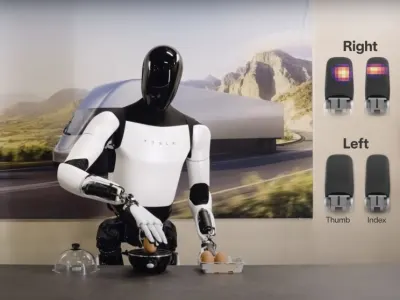
Optimus
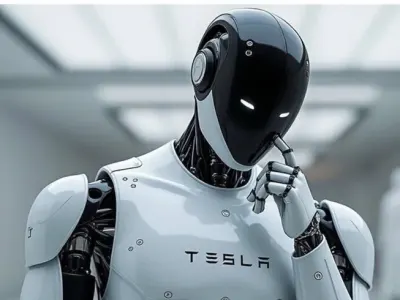
Tesla's Optimus stands out as a versatile general-purpose humanoid designed for everyday drudgery, from factory assembly to home chores. Its standout feature is seamless adaptation to human spaces, folding laundry or sorting battery cells autonomously while navigating crowds. Unlike specialized bots, Optimus leverages vehicle-grade AI for memory of environments, enabling repeated improvements in tasks like material handling. Real-world pilots in Tesla plants demonstrate its role in addressing labor gaps, carrying 45 pounds at walking speed without fatigue. This positions it as a productivity booster, freeing humans for creative work and excelling in repetitive industrial flows where consistency trumps complexity.

NEO Home Robot
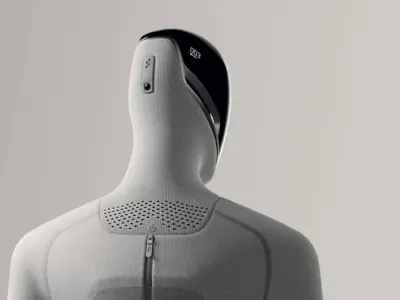
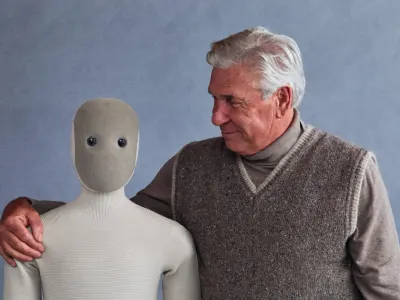
NEO Home Robot is a human-scale bipedal humanoid designed for domestic assistance, light manipulation, and conversational interaction. It stands about 5 feet 6 inches tall, weighs 66 pounds, and is built to move through homes with narrow doorways and everyday clutter. The robot is optimized for safe household work, combining compliant tendon-driven actuation, high-dexterity hands, and quiet operation. It can walk, turn in place, and perform object handling tasks such as carrying groceries, retrieving items, and assisting with routine chores. NEO also emphasizes teleoperation-backed autonomy, making it useful for supervised learning, home support, and future general-purpose service applications.
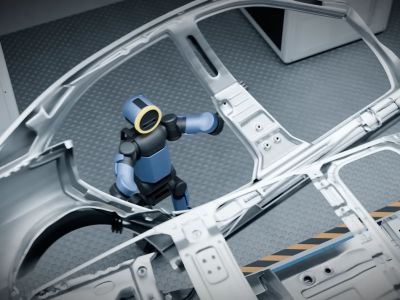
Atlas (Electric Atlas, 2025)
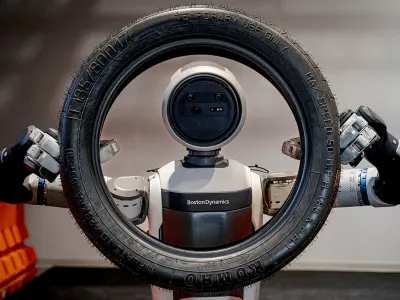
Boston Dynamics' Electric Atlas redefines agility in chaos, flipping through rubble for search-and-rescue. All-electric power enables tireless parkour over debris, with vision systems spotting survivors in low light. Unlike hydraulic ancestors, this version balances endurance with speed for prolonged missions. Real deployments in disaster simulations prove its value, carrying gear through collapsed structures. Its athletic prowess distinguishes it for high-stakes emergencies, where no other humanoid matches dynamic mobility and recovery from slips.
Apollo
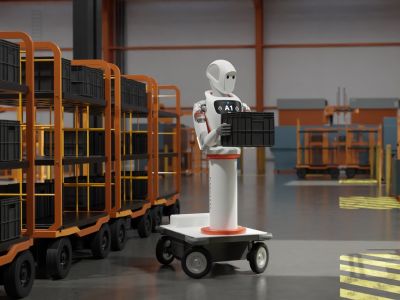
Apptronik's Apollo excels in rugged logistics, partnering with NASA for heavy-lift operations in warehouses and construction. Its robust frame handles dynamic payloads while vision-guided arms pick varied items precisely. Unlike fragile prototypes, Apollo endures real-site vibrations, performing inspections on uneven floors. In practical deployments, it streamlines supply chains by autonomously transporting tools, reducing worker strain. Its commercial focus, backed by Uber Eats collaborations, sets it apart for scalable enterprise use, emphasizing endurance and integration over novelty.

CyberOne
Xiaomi Robotics Lab's CyberOne pioneers emotional intelligence in humanoids, detecting user moods through subtle visual cues for personalized service. It thrives in consumer spaces like cafes, delivering orders while scanning for spills or preferences. Distinct from task-only bots, CyberOne integrates voice with vision for proactive help, such as alerting staff to unhappy patrons. Real-world tests highlight its agility in crowded retail, navigating tight aisles with object avoidance. This emotional layer makes it a differentiator for service industries, enhancing customer satisfaction through intuitive, context-aware assistance beyond mere functionality.
Ameca
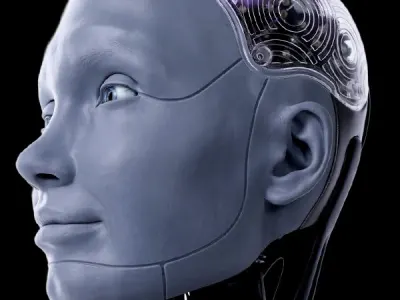
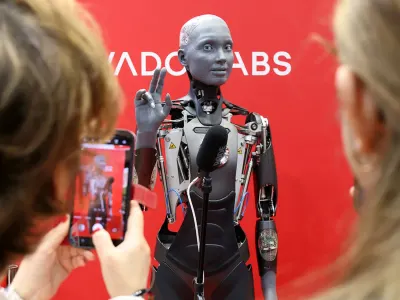
Engineered Arts' Ameca captivates with lifelike expressiveness, making it ideal for social and educational interactions. Notable for fluid facial movements synced to conversations, it engages users in retail demos or therapy sessions, reading micro-expressions to adjust responses. What sets it apart is hyper-realistic skin and gaze tracking, fostering trust in public settings unlike industrial heavies. In real-world use, Ameca powers museum guides and customer service kiosks, handling queries with natural gestures. Its focus on empathy-driven dialogue distinguishes it, turning passive displays into dynamic companions for hospitality and training environments.
Sources
Related Articles

6 Most Human-Like Humanoid Robots in 2026
4/11/2026
The 2026 Humanoid Price War: Comparison of Unitree R1 vs. Noetix Bumi and entry-level models
4/11/2026
Top 7 Latest Humanoid Robots Launched in 2026
6/22/2026
6 Most Powerful Humanoid Robots (Strength & Payload Capacity)
4/11/2026
Humanoid Robots Which Can Help With Daily Household Tasks In 2026
4/11/2026
These Female Robots Look Almost Human – Top 6 in 2026
3/20/2026
Top 10 Home Humanoid Robots for Domestic Tasks & Personal Assistance in 2026
10/5/2026
Top 10 Heavy-Duty Industrial Humanoid Robots for Automotive & Factory Assembly in 2026
10/2/2026
Top 8 Social & Companion Humanoid Robots with Conversational Emotional AI for 2026-2027
9/20/2026