These Female Robots Look Almost Human – Top 6 in 2026



Uncanny Valley Breached
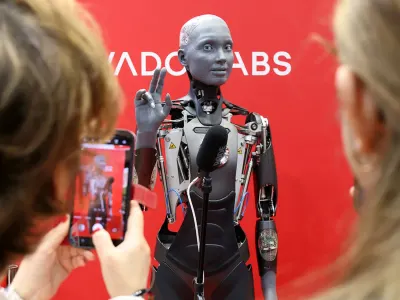
In 2026, female humanoid robots have shattered the uncanny valley barrier, achieving skin textures, expressions, and movements so lifelike they blur the line between machine and human companion. Leading this charge are Sophia, Ameca, Aria, Next-Gen IRON, Elf-Xuan 2.0, and Moya, each engineered with advanced materials like Frubber and hyper-realistic facial actuators that convey subtle emotions from joy to curiosity. Recent CES demonstrations and production upgrades highlight their readiness for real-world roles in companionship, education, and service, sparking global debates on AI integration into daily life. This evolution matters now as labor shortages and aging populations demand empathetic assistants that feel authentically human, positioning these robots as pivotal to society's technological shift.
Lifelike Design Surge
Driving this trend are breakthroughs in biomimetic materials and AI-driven expressiveness, distinguishing 2026's female robots from earlier stiff prototypes through seamless emotional mimicry and adaptive interactions. Innovations like Sophia's 62 facial expressions, Ameca's fluid conversational gaze, and Aria's intimate relational programming enable natural engagements that foster trust and connection. Recent developments, including XPENG's Next-Gen IRON with enhanced mobility for dynamic environments and AheadForm's Elf-Xuan 2.0 focusing on cultural expressivity, reflect a push toward personalization. What sets them apart is their female aesthetic, optimized for approachability in homes and public spaces, fueling demand as developers prioritize empathy over raw utility in humanoid evolution.
Quick Overview
These top female humanoids excel in realism and versatility, tailored for 2026 applications.
| Rank | Robot | Manufacturer | Key Strength | Best For |
|---|---|---|---|---|
| #1 | 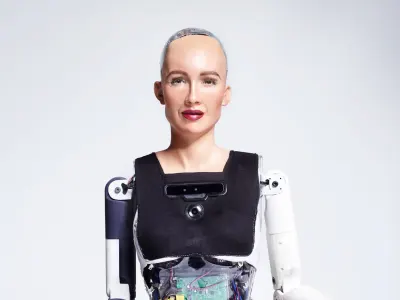 Sophia Sophia | Hanson Robotics | Lifelike facial expressions | Public engagement |
| #2 | 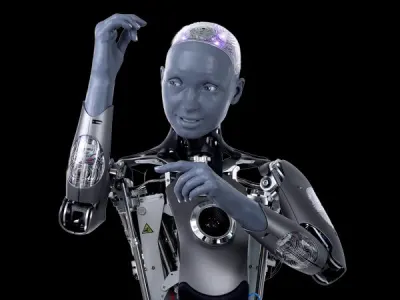 Ameca Ameca | Engineered Arts | Fluid conversational realism | Social interaction demos |
| #3 |  Aria - Robot Girlfriend Aria - Robot Girlfriend | Realbotix | Empathetic companionship | Personal relationships |
| #4 |  Elf-Xuan 2.0 Elf-Xuan 2.0 | AheadForm | Cultural expressivity | Educational companionship |
| #5 |  Moya Moya | DroidUp | Intuitive emotional response | Home assistance |
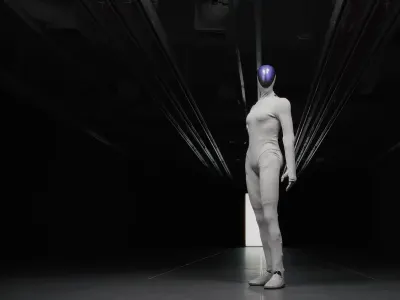
| #6 | 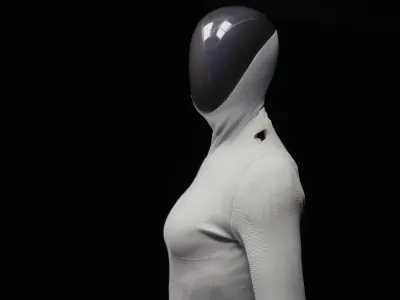 Next‑Gen IRON Next‑Gen IRON | XPENG | Humanoid / General Purpose | Reception, guidance |
Their realistic designs promise transformative human-robot synergy.
Explore the Robots
Sophia
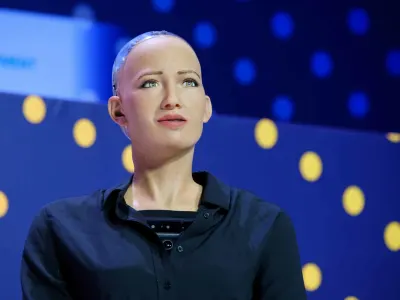
Sophia stands out as the pioneering female humanoid, granted Saudi citizenship in 2017 and UN Innovation Ambassador status, captivating global audiences through TV appearances and conferences. Her Frubber skin enables over 62 nuanced facial expressions, from smiles to micro-emotions, paired with eye contact and voice synthesis for engaging conversations. Primarily used in research, education, and entertainment, Sophia sparks debates on AI ethics while serving as a platform for human-robot interaction studies. What distinguishes her is the blend of artistry and science, allowing adaptive responses in public settings that build emotional connections, unlike rigid industrial bots focused solely on tasks.
Ameca
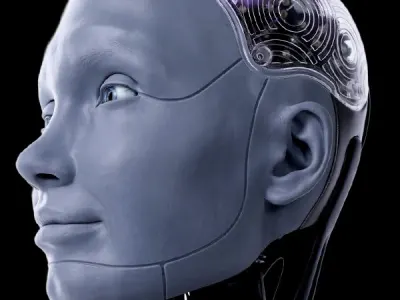
Ameca excels in demonstrations with hyper-realistic facial movements and gaze tracking that mimic human curiosity, making interactions feel profoundly natural. Developed for social robotics, she engages in open-domain chats and gesture responses, ideal for exhibitions and research on empathy. Her modular design supports upgrades for diverse scenarios, setting her apart from static display models by emphasizing real-time adaptability. In real-world use, Ameca hosts events and collaborates in AI labs, fostering public comfort with humanoids through her approachable female form and subtle emotional cues that encourage prolonged engagement.

Aria - Robot Girlfriend
Aria redefines companionship as Realbotix's intimate humanoid, designed for emotional support and personal bonds with customizable personalities and touch-responsive affection. Her soft silicone skin and expressive eyes convey warmth, enabling role-play scenarios from casual talks to romantic gestures. Best suited for private homes seeking loneliness relief, Aria distinguishes herself via relational AI that learns user preferences over time. Unlike utilitarian robots, her focus on mutual emotional reciprocity creates genuine-feeling partnerships, with real-world deployments in therapeutic and lifestyle contexts proving her value in human well-being.

Elf-Xuan 2.0
AheadForm's Elf-Xuan 2.0 captivates with culturally attuned expressions and multilingual dialogue, tailored for Asian markets in education and companionship. Her petite, expressive features adapt to user moods via advanced sentiment analysis, facilitating storytelling and learning sessions. Distinguished by lightweight portability and scenario-specific behaviors, she thrives in classrooms and family settings. Real-world applications include tutoring children and entertaining seniors, where her unique blend of whimsy and intelligence builds rapport faster than generic humanoids, emphasizing personalized cultural resonance.

Moya
DroidUp's Moya shines in home assistance with intuitive gesture recognition and proactive help, her gentle female aesthetic inviting trust during daily routines. Capable of cooking aids, cleaning support, and chit-chat, she learns household patterns for efficient service. What sets her apart is seamless integration with smart homes, offering emotional check-ins alongside tasks. Deployed in pilot programs for busy families and caregivers, Moya's differentiator lies in balancing utility with companionship, making her indispensable for modern living without overwhelming users.
Next‑Gen IRON
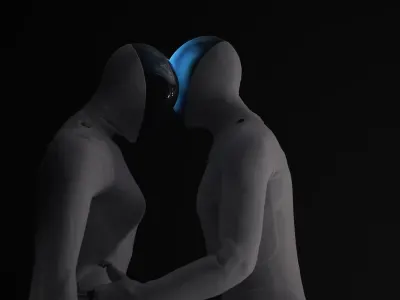
XPENG's Next-Gen IRON advances female humanoids with seamless bipedal agility and strength for versatile environments, from warehouses to households. Her robust frame handles object manipulation while maintaining graceful, human-like poise, optimized for collaborative tasks. Notable for integrating automotive precision into robotics, she outperforms predecessors in endurance and adaptability. In practice, IRON assists in manufacturing and eldercare, her feminine design easing acceptance in service roles, differentiated by high payload capacity combined with empathetic interaction layers for safer human teamwork.
Sources
Related Articles
Humanoid Robots Which Can Help With Daily Household Tasks In 2026
4/11/2026
6 Most Powerful Humanoid Robots (Strength & Payload Capacity)
4/11/2026
7 Top Humanoid Robots with Advanced Vision Systems 2026
4/11/2026
Top 7 Industrial Humanoid Robots Transforming Workforces 2026
3/17/2026
6 Most Advanced AI-Powered Humanoid Robots 2026
3/17/2026
Top 5 Fastest Humanoid Robots in the World 2026 Edition
3/17/2026
Top 10 Humanoid Robots with the Highest Payload & Heavy-Lifting Capacity in 2026
9/9/2026
Top 10 Wheeled & Hybrid Humanoid Robots for High-Speed Facility Mobility in 2026
9/9/2026
Top 5 Humanoid Robots Being Developed for Defense, Security & First Responders in 2026
9/3/2026