6 Most Advanced AI-Powered Humanoid Robots 2026

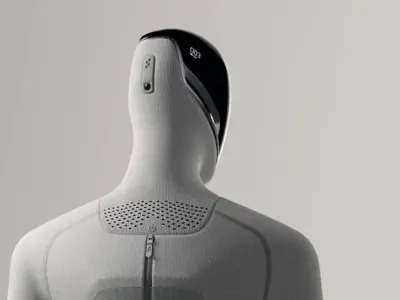
2026 Deployment Surge
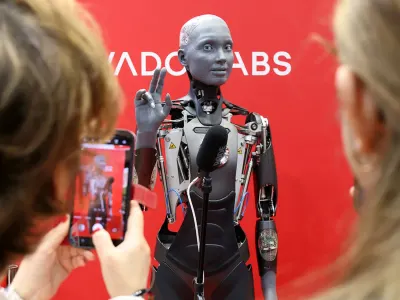
Humanoid robots have reached a pivotal moment in 2026, with Tesla's Optimus Gen 3 leading a wave of production-ready models poised for factory floors and homes. Confirmed for a Q1 debut, Optimus integrates Full Self-Driving neural networks for tasks like precise bolt tightening and grocery handling, marking the shift from lab demos to scalable deployment. This surge, fueled by recent dexterity breakthroughs such as 22-degree-of-freedom hands and speeds up to 8.5 mph, signals robots outperforming humans in endurance for repetitive labor. Why now? Massive AI training from real-world data loops, like Tesla's factory pilots, compress timelines from years to months, reshaping industries amid labor shortages and promising abundance through automation.
AI Dexterity Revolution
Driving this 2026 boom is the fusion of advanced AI with human-like manipulation, distinguishing these robots from rigid predecessors through adaptive learning and energy-efficient designs. Optimus Gen 3's Grok integration enables natural conversation and decision-making, while rivals push boundaries in dynamic environments, from backflips to zero-teleop household chores. Recent trials, including China's 200-plus sanitation units and enterprise evaluations, highlight reliability in unstructured settings. What sets them apart: proprietary data flywheels from deployments accelerate improvements, targeting sub-$30,000 prices for mass adoption. This evolution promises versatile aides for manufacturing, elder care, and daily logistics, accelerating Silicon Valley's race to autonomous ubiquity.
Quick Overview
These six humanoids exemplify 2026's cutting-edge capabilities across diverse applications.
| Rank | Robot | Manufacturer | Key Strength | Best For |
|---|---|---|---|---|
| #1 | 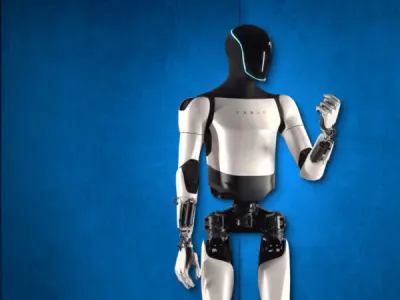 Optimus Optimus | Tesla | AI-driven precision tasks | Factory production |
| #2 | 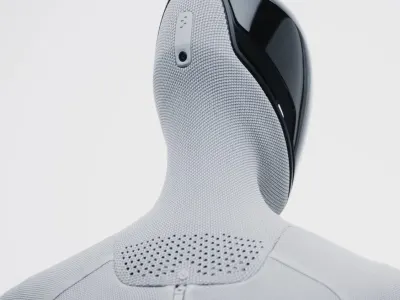 Figure 03 Figure 03 | Figure AI | Rapid task learning | Warehouse logistics |
| #3 | 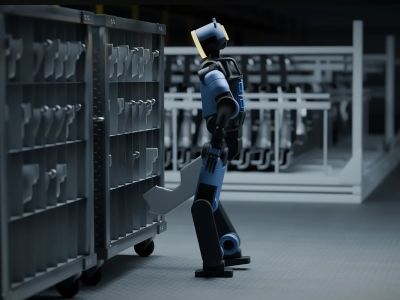 Atlas (Electric Atlas, 2025) Atlas (Electric Atlas, 2025) | Boston Dynamics | Dynamic athletic maneuvers | Hazardous operations |
| #4 |  NEO Home Robot NEO Home Robot | 1X Technologies | Humanoid / General Purpose | Household chores, object retrieval |
| #5 |  Unitree H2 Unitree H2 | Unitree Robotics | Affordable high-speed agility | Research and prototyping |
| #6 | 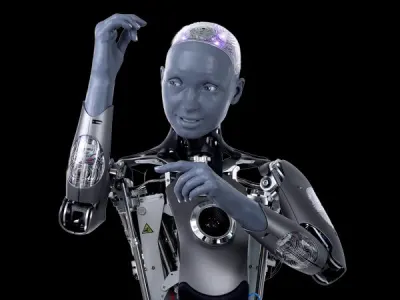 Ameca Ameca | Engineered Arts | Expressive facial interaction | Social companionship |
Their combined advancements forecast widespread integration by year-end.
Explore the Robots
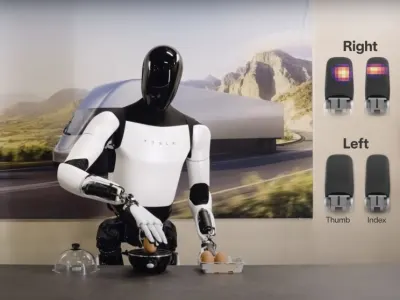
Optimus
Tesla's Optimus stands out for transitioning humanoid robotics into practical factory work, already sorting batteries and inspecting parts in Fremont and Austin facilities. Its core strength lies in leveraging Full Self-Driving AI for end-to-end autonomy, processing visual inputs to execute repetitive, demanding jobs like lifting 45-pound loads or folding laundry without fatigue. What distinguishes it is the data flywheel from real deployments, continuously refining neural networks for reliability in dynamic factories. Aimed at sustainable abundance, Optimus targets homes post-factory scaling, offering versatile labor relief at an unmatched sub-$30,000 price point, outpacing competitors in production volume potential.
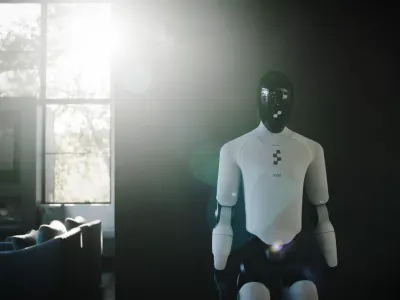
Figure 03
Figure AI's Figure 03 shines in rapid skill acquisition for logistics, pouring coffee or sorting items via video-trained neural nets in warehouse pilots. Designed for labor-intensive sectors, it navigates crowded spaces and collaborates with humans seamlessly. Its unique selling point is end-to-end AI autonomy without teleoperation, matching human speeds in matched-hour developments against rivals like Optimus. This positions Figure 03 as a logistics disruptor, emphasizing quick deployment for scalable enterprise use.
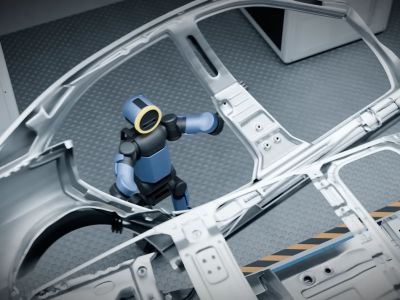
Atlas (Electric Atlas, 2025)
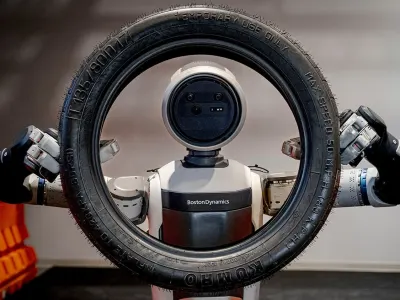
Boston Dynamics' Electric Atlas redefines agility in challenging environments, executing parkour, heavy lifts, and recovery from falls with superhuman balance. Geared for high-risk jobs like disaster response or construction, its all-electric actuators enable tireless performance in rough terrain. What sets it apart is proven robustness from years of R&D, transitioning from hydraulic power to efficient electric systems for real deployment. Atlas thrives where precision meets power, distinguishing it as the go-to for operations demanding acrobatic versatility.

NEO Home Robot
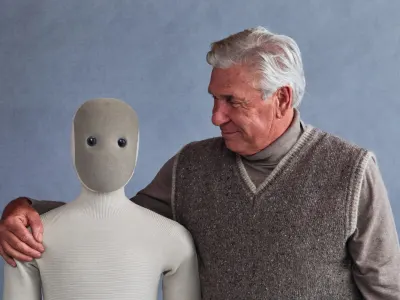
NEO Home Robot is a human-scale bipedal humanoid designed for domestic assistance, light manipulation, and conversational interaction. It stands about 5 feet 6 inches tall, weighs 66 pounds, and is built to move through homes with narrow doorways and everyday clutter. The robot is optimized for safe household work, combining compliant tendon-driven actuation, high-dexterity hands, and quiet operation. It can walk, turn in place, and perform object handling tasks such as carrying groceries, retrieving items, and assisting with routine chores. NEO also emphasizes teleoperation-backed autonomy, making it useful for supervised learning, home support, and future general-purpose service applications.

Unitree H2
Unitree Robotics' H2 delivers cost-effective agility, sprinting at high speeds with acrobatic flips for research and light industrial trials. Affordable and compact, it simulates human motion for prototyping advanced behaviors in labs or early commercial tests. Standing out is its price-performance ratio, enabling widespread experimentation where pricier models falter. H2's real-world edge lies in versatile locomotion for dynamic demos, paving the way for broader accessibility in education and development.
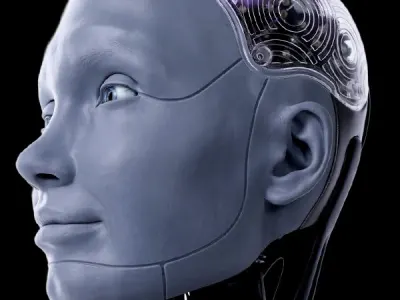
Ameca
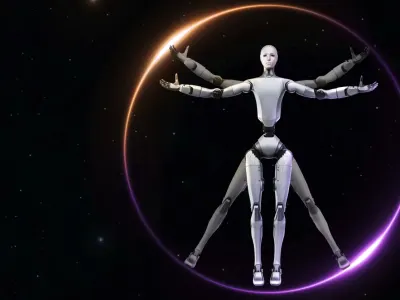
Engineered Arts' Ameca excels in human-robot interaction, captivating audiences with lifelike facial expressions and natural gestures that foster trust in social scenarios. Primarily built for research and public demonstrations, it engages in fluid conversations, reads emotions, and responds intuitively, making it ideal for companionship roles in healthcare or education. Its differentiator is modular design allowing easy AI swaps, enabling seamless adaptation to new interaction models without hardware overhauls. Unlike task-focused peers, Ameca prioritizes empathy simulation for real-world empathy-driven applications like elderly support.
Sources
Related Articles
Top 7 Industrial Humanoid Robots Transforming Workforces 2026
3/17/2026
These Female Robots Look Almost Human – Top 6 in 2026
3/20/2026

Humanoid Robots Which Can Help With Daily Household Tasks In 2026
4/11/2026
Top 5 Fastest Humanoid Robots in the World 2026 Edition
3/17/2026
5 Best Affordable Humanoid Robots for Developers & Startups (2026)
3/17/2026
Major Humanoid Robots Launched In 2026
3/16/2026
Top 10 Humanoid Robots with the Highest Payload & Heavy-Lifting Capacity in 2026
9/9/2026

Top 10 Wheeled & Hybrid Humanoid Robots for High-Speed Facility Mobility in 2026
9/9/2026
Top 5 Humanoid Robots Being Developed for Defense, Security & First Responders in 2026
9/3/2026