10 Humanoid Robots with the Best Hand Dexterity (2026)



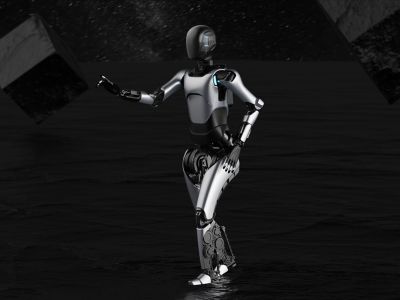


Dexterity Surge
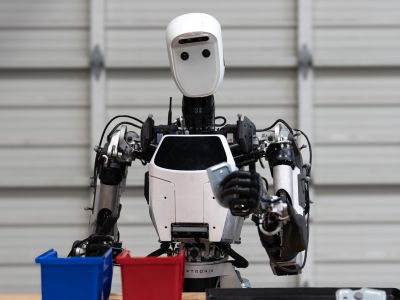
Humanoid robots entering 2026 showcase unprecedented hand dexterity, enabling precise manipulation of everyday objects and industrial components, a breakthrough poised to transform labor-intensive sectors. Tesla's Optimus leads with fingers that tear paper towels, stir pots, and handle car parts fluidly, drawing from human video training for natural task execution. Competitors like Apptronik's Apollo and Figure AI's Figure 03 match this prowess in warehouse picking and assembly, while Unitree's G1 and Sanctuary AI's Phoenix excel in agile gripping for dynamic environments. This dexterity shift matters now as factories deploy pilots, homes test assistants, and logistics firms cut costs by automating fiddly chores, signaling robots' leap from rigid tools to versatile partners amid labor shortages.
Hand Evolution
Driving this dexterity boom are unified neural networks and video-based learning, allowing robots to generalize skills without exhaustive reprogramming, a stark advance over prior models reliant on teleoperation. Recent demos from late 2025 highlight Optimus sweeping floors and vacuuming with independent finger control, XPENG's Next-Gen IRON sorting delicate electronics, and 1X Technologies' NEO mastering home tasks like curtain adjustments. What distinguishes these from earlier iterations is adaptive grasping under varied lighting and textures, as seen in Stardust's Astribot S1 folding laundry and Matrix Robotics' Matrix 3 assembling small parts. This trend accelerates commercialization, with partnerships emphasizing reliability in unstructured settings, positioning 2026 as the year humanoids outperform specialized arms in versatility.
Quick Overview
These robots prioritize superior hand dexterity for real-world tasks, ranked by demonstrated precision in recent trials.
| Rank | Robot | Manufacturer | Key Strength | Best For |
|---|---|---|---|---|
| #1 | 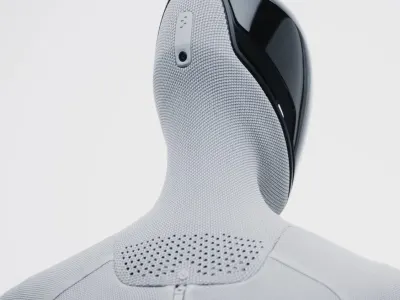 Figure 03 Figure 03 | Figure AI | Industrial pick-and-place | Manufacturing |
| #2 | 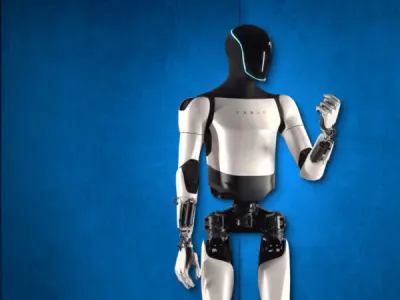 Optimus Optimus | Tesla | Fluid multi-finger manipulation | Factory chores |
| #3 | 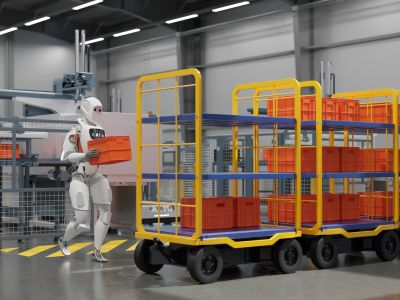 Apollo Apollo | Apptronik | Robust object grasping | Warehouse logistics |
| #4 |  NEO Home Robot NEO Home Robot | 1X Technologies | Gentle household manipulation | Domestic assistance |
| #5 | 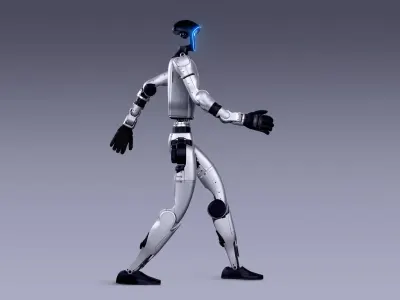 Unitree G1 Unitree G1 | Unitree Robotics | Agile dynamic handling | Research agility |
| #6 | 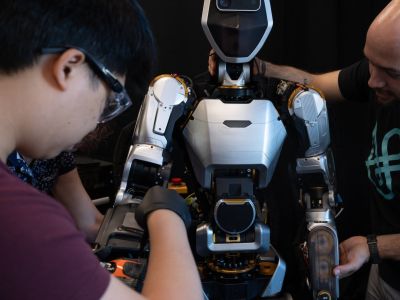 Phoenix Phoenix | Sanctuary AI | Adaptive texture gripping | Service interactions |
| #7 | 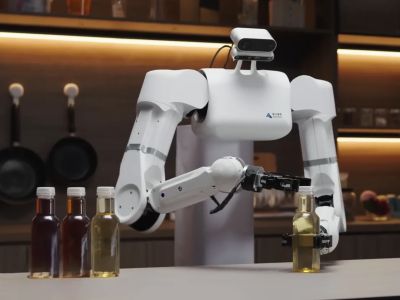 Astribot S1 Astribot S1 | Stardust Intelligence | Versatile folding dexterity | Laundry and sorting |
| #8 | 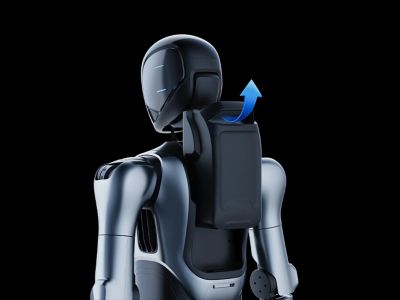 AgiBot A2 AgiBot A2 | AgiBot | Precise fine-motor control | Assembly lines |
| #9 |  Next‑Gen IRON Next‑Gen IRON | XPENG | Humanoid / General Purpose | Reception, guidance |
| #10 | 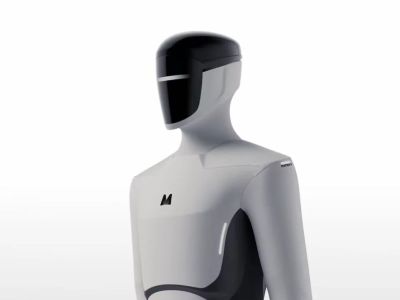 Matrix 3 Matrix 3 | Matrix Robotics | Small-part precision assembly | Electronics production |
Such advancements promise scalable deployment across industries by mid-2026.
Explore the Robots
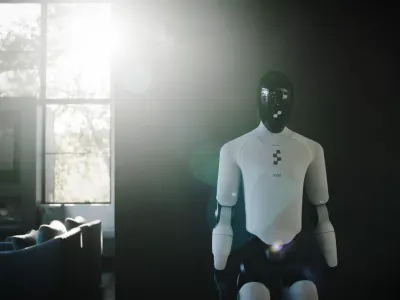
Figure 03
Figure AI's Figure 03 dominates manufacturing with autonomous coffee-making and part assembly, trained on vast datasets for factory endurance. Its key differentiator is end-to-end autonomy in BMW pilots, handling conveyor chaos without supervision. This reliability in high-volume production outshines lab-bound rivals, streamlining automotive lines.
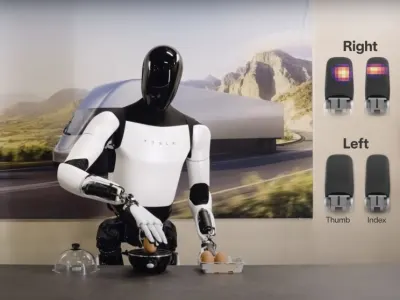
Optimus
Tesla's Optimus stands out as a general-purpose humanoid designed for unsafe, repetitive, or tedious tasks in factories and homes, performing chores like sweeping, vacuuming, and stirring food with human-like precision. Its differentiator lies in leveraging Tesla's Full Self-Driving AI for autonomous navigation and skill learning from human videos, enabling it to handle car parts and throw trash without teleoperation. Deployed in Tesla factories for real-world training, it shifts workers to oversight roles, reducing accidents in hazardous areas. This broad applicability across warehouses, manufacturing, and households sets it apart, promising mass production to address global labor gaps.
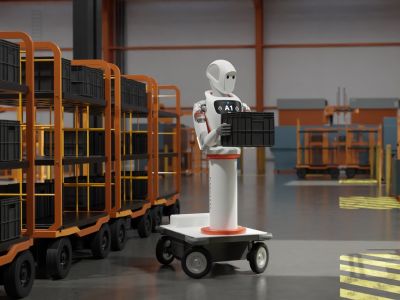
Apollo
Apptronik's Apollo excels in industrial settings with versatile dexterity for picking, packing, and assembly, distinguishing itself through partnerships with NASA and Mercedes for real-world validation. Unlike rigid industrial arms, it navigates dynamic factory floors while manipulating varied objects securely. Its focus on collaborative workflows allows safe human-robot teamwork in automotive production, boosting throughput without fatigue. Apollo's pragmatic deployments in logistics highlight its edge in scaling for e-commerce fulfillment, where consistent handling of fragile items cuts errors and speeds delivery.

NEO Home Robot
1X Technologies' NEO targets household autonomy, excelling at gentle manipulations like folding clothes and dish handling in cluttered kitchens. Its quiet, bipedal form integrates unobtrusively, learning family routines for proactive help. Unlike industrial-focused bots, NEO prioritizes energy efficiency for 24/7 operation, reducing home labor in cooking prep and cleaning. Early user trials show it builds trust through reliable, non-intrusive aid.
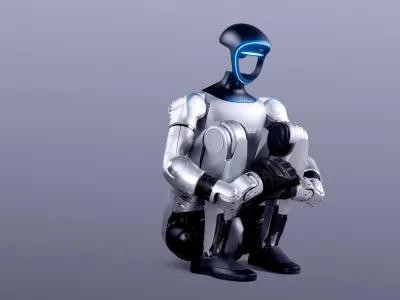
Unitree G1
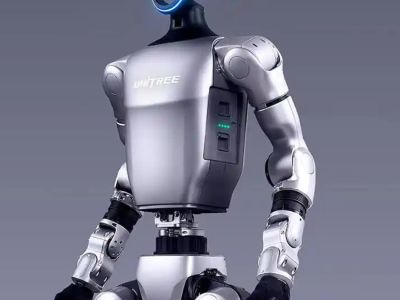
Unitree Robotics' G1 impresses with acrobatic agility and precise hand control for research and entertainment, capable of dynamic object tossing and balancing in unpredictable scenarios. What sets it apart is its lightweight build for rapid movements, ideal for testing AI in sports-like tasks or search-and-rescue simulations. In real-world use, it prototypes home assistance by fetching items fluidly, outpacing bulkier rivals in speed. This affordability and adaptability make G1 a go-to for developers pushing humanoid boundaries beyond static chores.
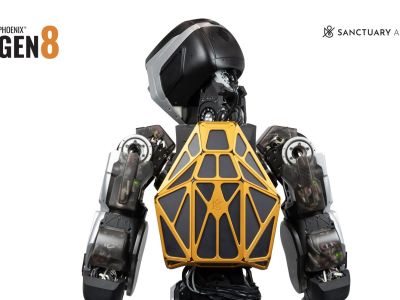
Phoenix
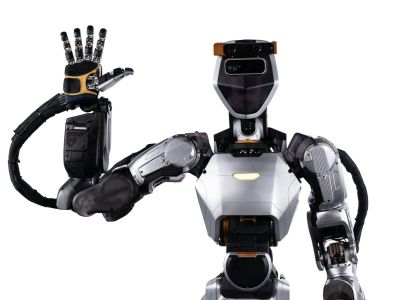
Sanctuary AI's Phoenix redefines service robotics through intuitive human-like interactions, grasping tools and items with contextual awareness for retail and hospitality. It distinguishes itself with carbon-based "skin" sensors for delicate touch, enabling safe elderly care or barista duties. In deployments, it outperforms in unstructured cafes by adapting to spills and crowds, emphasizing empathy over brute force. This sensory dexterity bridges the gap to everyday companionship.
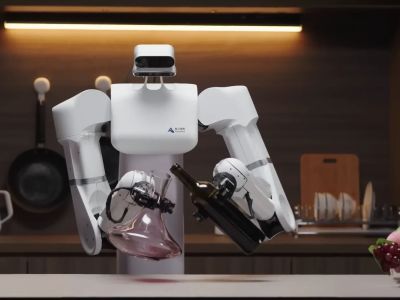
Astribot S1
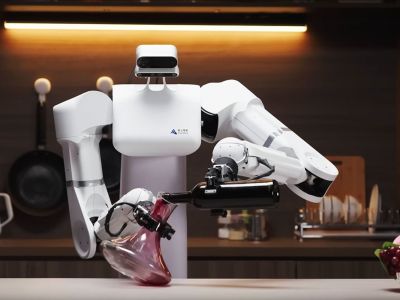
Stardust Intelligence's Astribot S1 masters domestic versatility, folding varied fabrics and sorting recyclables with finger-level finesse. It stands out for compact power, fitting urban apartments while tackling laundry piles that frustrate others. Real-world demos reveal quick adaptation to user preferences, enhancing daily life efficiency. S1's balance of dexterity and affordability accelerates home adoption.
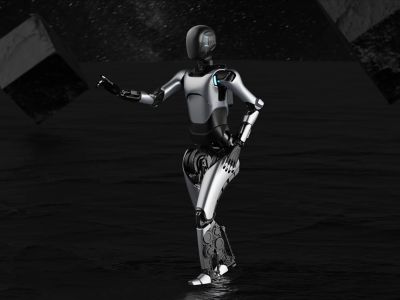
AgiBot A2
AgiBot's A2 shines in precision manufacturing with hands that assemble intricate components, tailored for electronics and small-scale production lines. Its notable edge is seamless integration into existing workflows, handling tiny screws and circuits without downtime, unlike less dexterous peers. Real-world pilots demonstrate reduced defects in consumer goods assembly, freeing humans for creative tasks. A2's compact design suits crowded shops, positioning it as a cost-effective scaler for SMEs entering automation.

Next‑Gen IRON
XPENG's Next-Gen IRON specializes in EV component handling, with hands deftly managing batteries and wires in assembly. It leverages automotive heritage for seamless integration into gigafactories, enduring long shifts. Unlike generalists, its precision in high-stakes wiring reduces errors, boosting output in electric vehicle production.
Matrix 3
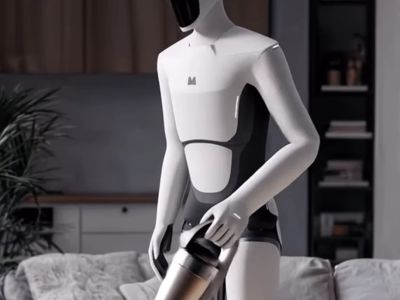
Matrix Robotics' Matrix 3 targets micro-electronics with unparalleled small-object dexterity, assembling circuit boards in cleanrooms. Its vision-guided fingers excel where vibrations challenge others, ensuring zero defects in semiconductors. Deployments in Asian tech hubs highlight its role in precision supply chains, elevating quality control.
Sources
Related Articles

Top 8 Humanoid Robots Designed for Home Automation (2026)
4/20/2026
Top 5 Most Energy Efficient Humanoid Robots in 2026
5/3/2026
Top 8 Humanoid Robots Built for Hazardous Environments
5/3/2026
Top 7 Humanoid Robots for Security & Surveillance (2026)
4/18/2026
7 Best Developer-Friendly Humanoid Robots in 2026
4/18/2026
7 Most Realistic AI Conversations in Humanoid Robots (2026)
4/18/2026
Top 5 Humanoid Robots Being Developed for Defense, Security & First Responders in 2026
10/9/2026
Top 10 Heavy-Duty Industrial Humanoid Robots for Automotive & Factory Assembly in 2026
10/9/2026
Top 10 Home Humanoid Robots for Domestic Tasks & Personal Assistance in 2026
10/5/2026