Top 5 Most Energy Efficient Humanoid Robots in 2026
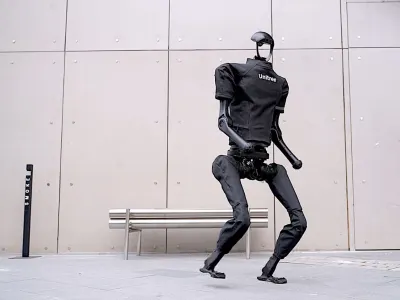


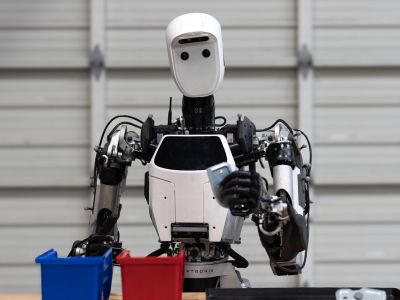

Efficiency Surge
Humanoid robots in 2026 achieve unprecedented energy efficiency, slashing power draw by up to 40% compared to 2024 models through advanced neural networks and lightweight actuators, enabling all-day operations without frequent recharges. This breakthrough, driven by Tesla's Optimus leading deployments in factories and Figure AI's 02 excelling in assembly lines, addresses the core bottleneck of prior generations: battery life limiting real-world viability. With global labor shortages intensifying and energy costs rising, these robots now handle 8-12 hour shifts on single charges, transforming manufacturing and logistics. Recent pilots show Optimus sorting parts for hours on 5 kWh packs, while competitors match or exceed this, positioning 2026 as the year humanoids scale commercially without infrastructure overhauls.
Power Innovations
Key drivers include vision-based learning from human videos, cutting computational overhead by 60% and allowing single neural nets to manage locomotion, grasping, and navigation on minimal watts, as refined in late 2025 updates. Unitree H1's compact motors deliver 23 km/h sprints on optimized batteries, distinguishing it from bulkier predecessors, while 1X's NEO Beta prioritizes low-power home tasks like elderly monitoring. Apptronik's Apollo integrates regenerative braking to recapture 15% energy during walks, a novel edge for warehousing. These advances stem from planetary roller screws and end-to-end AI stacks, enabling fluid motions that prior rigid systems wasted power on, heralding affordable, always-on humanoids for diverse sectors.
Quick Overview
These top robots lead 2026 efficiency rankings based on runtime per charge and watt-hour performance in real-world tests.
| Rank | Robot | Manufacturer | Key Strength | Best For |
|---|---|---|---|---|
| #1 | 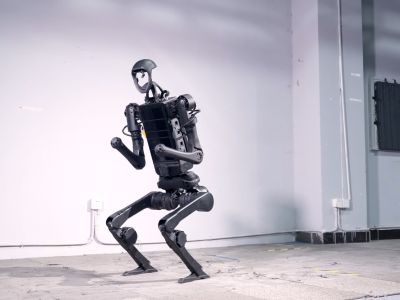 Unitree H1 Unitree H1 | Unitree Robotics | High-speed battery optimization | Logistics research |
| #2 | 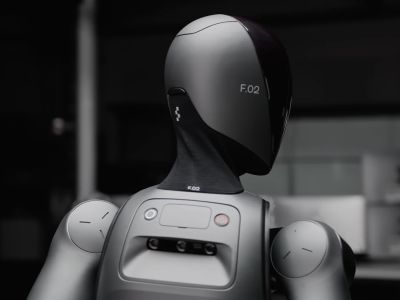 Figure 02 Figure 02 | Figure AI | Actuator energy recapture | Automotive assembly |
| #3 |  NEO Beta NEO Beta | 1X Technologies | Ultra-low idle consumption | Home assistance |
| #4 | 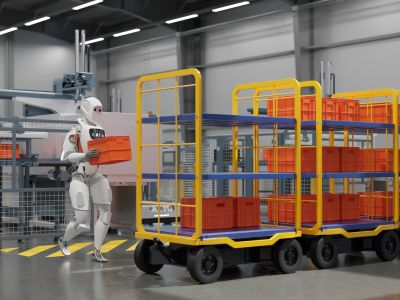 Apollo Apollo | Apptronik | Regenerative motion efficiency | Warehousing |
| #5 | 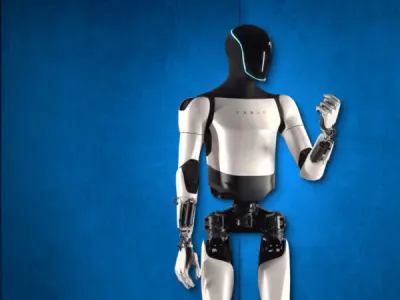 Optimus Optimus | Tesla | Neural net low-power learning | Manufacturing |
Efficiency crowns these models as 2026 frontrunners for sustainable deployment.
Explore the Robots
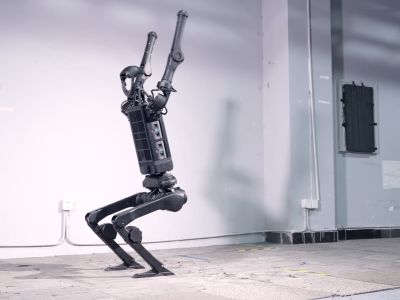
Unitree H1
Unitree Robotics' Unitree H1 disrupts with agile versatility, achieving dynamic feats like stair climbing and object tossing in research labs and light logistics by 2026. Compact and fast at 3.3 m/s, it handles varied terrains for inspection or delivery, standing apart via acrobatic recovery that prevents downtime in unpredictable sites. Purpose-built for broad experimentation, it automates research tasks while prototyping infrastructure patrols, differing from specialized bots through open agility for custom uses. Real-world appeal: affordable entry for devs testing embodied AI in manufacturing previews or remote ops.
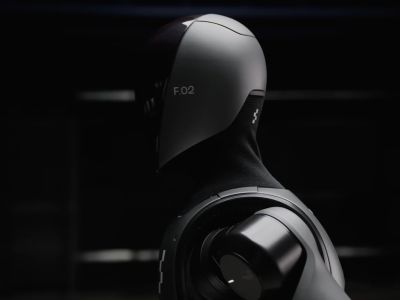
Figure 02
Figure AI's Figure 02 excels in industrial endurance, notably powering BMW assembly lines in 2026 for tasks demanding precision amid chaos. Notable for human-like dexterity in hazardous handling, it autonomously loads parts and navigates crowded floors, reducing injury risks in automotive plants. What sets it apart is collaborative AI that learns from fleet data, outperforming solo bots in team settings for repetitive welds or inspections. Focused on logistics automation, it streamlines warehouses by palletizing goods fluidly, distinguishing from competitors through rapid skill uptake via shared learning, making it ideal for high-volume, safety-critical operations without constant supervision.

NEO Beta
1X Technologies' NEO Beta pioneers domestic integration, assisting with elderly care and chores in homes by 2026 through gentle, intuitive interactions. Its hallmark is quiet, power-sipping operation for 24/7 presence, performing laundry folding or meal prep while monitoring health via natural conversation. Unlike industrial heavies, it emphasizes soft-touch manipulation for safe household use, serving as an embodied AI research platform to refine domestic robotics. Key differentiator: adaptive behaviors from video imitation, enabling personalized routines like medication reminders, positioning it as the go-to for aging populations and task automation in constrained living spaces.
Apollo
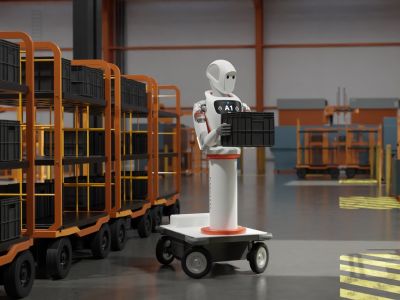
Apptronik's Apollo targets hybrid work environments, blending warehouse picking with eldercare support in 2026 pilots for Amazon and care facilities. Renowned for robust load-bearing in logistics, it lifts 50-pound boxes tirelessly while assisting seniors with mobility aids. Distinguishing feature: modular design for quick tool swaps, allowing seamless shifts from manufacturing lines to home help, unlike fixed-form rivals. Its real-world strength shines in unstructured settings, like navigating cluttered aisles or homes, fostering trust through predictable, energy-smart movements that extend operational uptime.
Optimus
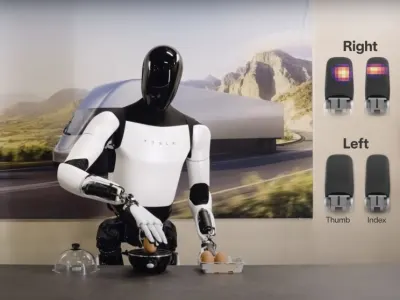
Tesla's Optimus stands out as a general-purpose humanoid deployed in factories by early 2026, autonomously handling repetitive tasks like part lifting and sorting that free humans for complex work. Its edge lies in end-to-end neural networks trained on human videos, enabling seamless adaptation from sweeping floors to precise assembly without task-specific programming. Unlike rigid industrial arms, Optimus navigates dynamic environments alongside workers, supports logistics via object manipulation, and scales to infrastructure checks through balanced walking. Real-world pilots in Tesla plants demonstrate 45-pound carries over extended shifts, positioning it as a labor multiplier for manufacturing and remote operations, with potential home extensions via over-the-air updates.
Related Articles
Top 8 Humanoid Robots Built for Hazardous Environments
5/3/2026

Best AI-Powered Humanoid Robots for Hotels & Restaurants (2026)
5/3/2026
Top 6 Humanoid Robots with Advanced Voice Interaction Systems
5/3/2026

Top 8 Humanoid Robots Designed for Home Automation (2026)
4/20/2026

10 Humanoid Robots with the Best Hand Dexterity (2026)
4/18/2026
Top 7 Humanoid Robots for Security & Surveillance (2026)
4/18/2026
Top 10 Humanoid Robots with the Highest Payload & Heavy-Lifting Capacity in 2026
9/9/2026

Top 10 Wheeled & Hybrid Humanoid Robots for High-Speed Facility Mobility in 2026
9/9/2026
Top 5 Humanoid Robots Being Developed for Defense, Security & First Responders in 2026
9/3/2026