Best AI-Powered Humanoid Robots for Hotels & Restaurants (2026)

Service Sector Shift
Hotels and restaurants are increasingly adopting AI-powered humanoid robots to handle front‑of‑house duties, guest guidance, and routine support tasks, driven by rising labor costs and the need for consistent, around‑the‑clock service. In 2026, robots such as NEO Beta, Phoenix, and Pepper are being deployed not as novelties but as operational partners, capable of greeting guests, answering questions, and even performing light housekeeping or delivery tasks. Their ability to combine natural language interaction with basic mobility allows them to move through lobbies, corridors, and dining areas, reducing staff workload while creating a more interactive guest experience. This shift is especially pronounced in urban and resort properties looking to differentiate themselves through technology‑infused hospitality.
Intelligence in Motion
What distinguishes today’s best humanoid robots for hotels and restaurants is not just their appearance, but their embodied AI: the capacity to learn tasks in real environments and adapt to dynamic indoor settings. Systems like NEO Beta, Phoenix, and Astribot S1 leverage large‑scale training data, tele‑operation feedback, and on‑device learning to refine how they navigate crowded spaces, interpret guest requests, and coordinate with staff. Meanwhile, expressive platforms such as Sophia and Ameca are being used to test human‑robot interaction protocols, empathy‑driven responses, and multilingual communication, which are critical for international hotels and high‑end restaurants. Together, these robots signal a move from scripted demos to commercially useful assistants that can grow smarter over time, making them more attractive for long‑term deployment in guest‑facing roles.
Quick Overview
The following table highlights how each robot aligns with hotel and restaurant use cases in 2026.
| Rank | Robot | Manufacturer | Key Strength | Best For |
|---|---|---|---|---|
| #1 |  Moya Moya | DroidUp | Elder‑care‑oriented interaction and empathetic engagement | Senior‑focused resorts, rehabilitation hotels, and long‑stay facilities |
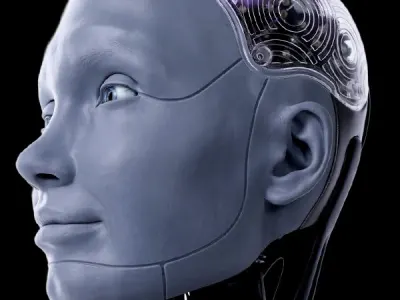
| #2 | 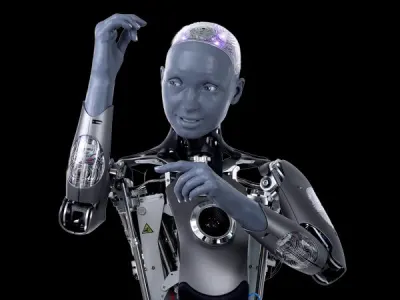 Ameca Ameca | Engineered Arts | Realistic facial expressions and strong HRI research foundation | Demonstration units, interactive displays, and customer service pilots in flagship properties |
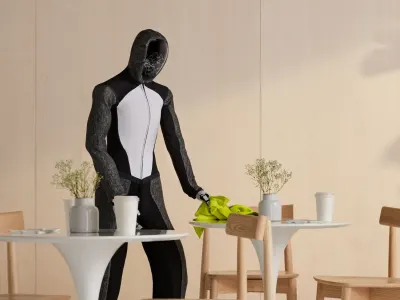
| #3 |  NEO Beta NEO Beta | 1X Technologies | Gentle, tendon‑driven mobility and AI‑driven household task learning | Guest assistance, light housekeeping, and concierge support in luxury hotels and serviced apartments |
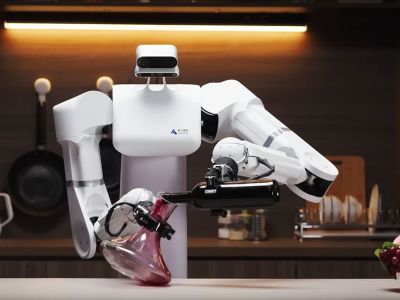
| #4 | 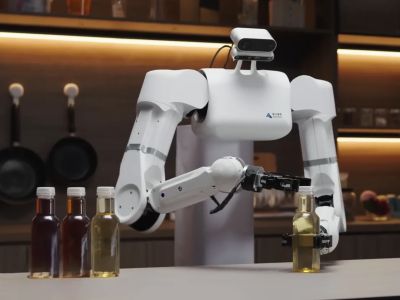 Astribot S1 Astribot S1 | Stardust Intelligence | Bipedal locomotion and multitask household automation | Room service delivery, kitchen support, and research‑driven service trials |
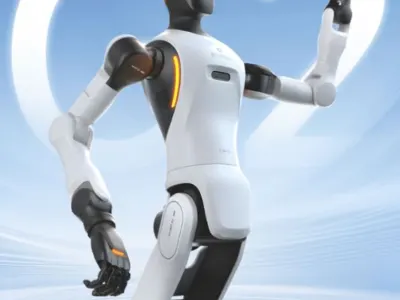
| #5 | 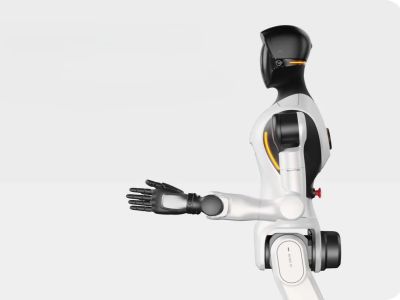 AgiBot G2 AgiBot G2 | AgiBot | Precision manipulation and high‑mix handling | Back‑of‑house sorting, inventory support, and interactive demonstrations in conference hotels |
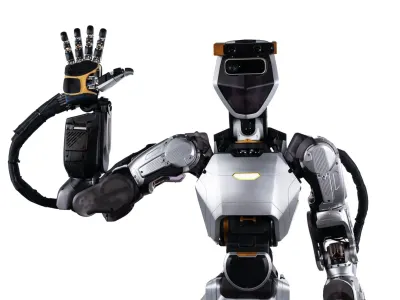
| #6 | 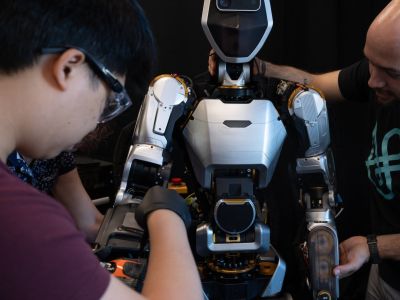 Phoenix Phoenix | Sanctuary AI | Human‑scale dexterity and industrial‑grade reliability | Front‑desk kiosks, delivery runs, and behind‑the‑scenes logistics in large hotels and resorts |
| #7 | 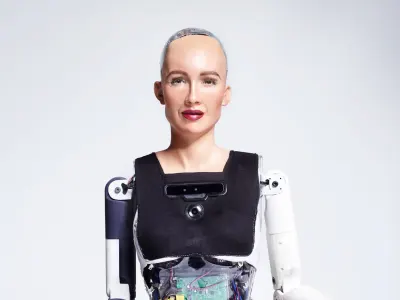 Sophia Sophia | Hanson Robotics | Highly expressive face and advanced conversational AI | Lobby greeters, brand ambassadors, and AI‑ethics showcases in upscale hotels and convention centers |
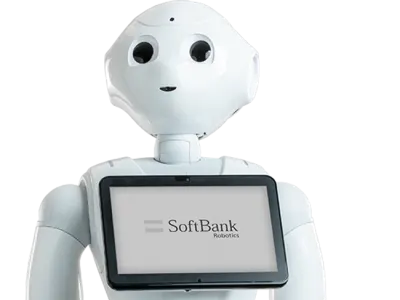
| #8 | 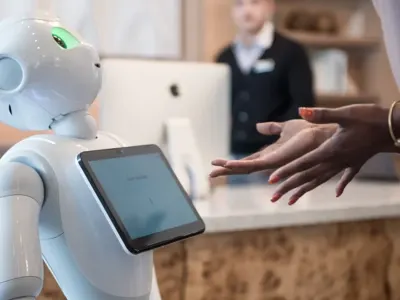 Pepper Pepper | SoftBank Robotics | Mature customer‑service platform with proven deployment history | Reception, wayfinding, and event hosting in mid‑market and family‑oriented hotels and restaurants |
Taken together, these platforms offer a spectrum of capabilities that hospitality operators can mix and match depending on budget, guest demographics, and desired service depth.
Explore the Robots

Moya
Moya, developed by DroidUp, is a humanoid robot oriented toward elder care, education, and healthcare assistance, with a strong focus on empathetic interaction and companionship. It combines conversational AI with social behaviors designed to support users in daily routines, learning activities, and emotional engagement. In hospitality, Moya is best suited to senior‑focused resorts, rehabilitation centers, and long‑stay facilities where guests benefit from consistent companionship, health reminders, and light educational content. Its strength lies in creating a reassuring presence that can interact naturally with guests, assist staff with routine checks, and help maintain a calm, supportive environment in care‑oriented venues.
Ameca
Engineered Arts’ Ameca is a humanoid platform explicitly built to explore the frontiers of human‑robot interaction and AI behavior. Its highly articulated face and upper body allow for nuanced expressions, eye contact, and synchronized gestures that mimic human social cues. Ameca is often deployed in public demonstrations, research labs, and tech showcases where the focus is on testing how people perceive and respond to robots. In hotel and restaurant settings, Ameca is typically used as a demonstration unit or interactive exhibit, helping guests understand AI concepts, participating in live Q&A sessions, and serving as a visual centerpiece for innovation‑driven brands rather than as a day‑to‑day operational assistant.

NEO Beta
NEO Beta is a compact, AI‑powered humanoid developed by 1X Technologies as a research and service platform for home and hospitality environments. It uses a tendon‑driven actuation system that produces gentle, low‑energy movements, making it safer around people in close quarters. NEO Beta is designed to learn household tasks through a combination of reinforcement learning, expert demonstrations, and real‑world data, enabling it to handle chores such as opening doors, fetching items, and basic tidying. In hotels and restaurants, this translates into a guest‑facing assistant that can guide visitors, deliver small items, and perform simple housekeeping duties while continuously improving its performance via software updates and remote supervision.
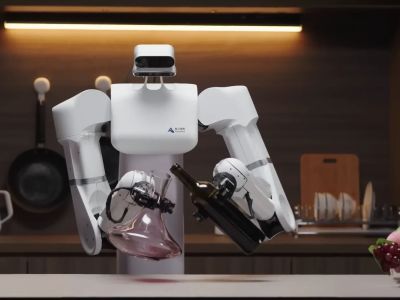
Astribot S1
Astribot S1, developed by Stardust Intelligence, is a humanoid robot focused on domestic and commercial automation, with an emphasis on bipedal locomotion and human‑scale interaction. It can perform household chores such as cleaning and cooking‑related tasks in controlled environments, and has been used in lab and retail settings to test autonomous navigation and manipulation. In hospitality, Astribot S1 is positioned as a multitask assistant capable of room service delivery, basic kitchen support, and interactive demonstrations. Its value lies in combining walking mobility with AI‑driven task learning, enabling operators to deploy a single platform across guest rooms, corridors, and back‑of‑house areas without relying on fixed rails or infrastructure.
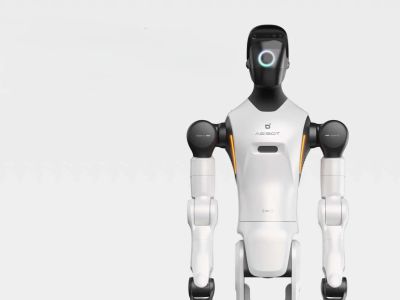
AgiBot G2
AgiBot G2 is a humanoid robot aimed at precision assembly, interactive human‑robot collaboration, and high‑mix production environments. It features refined manipulation skills and the ability to handle diverse components and workflows, making it suitable for manufacturing and logistics settings. In hotels and restaurants, AgiBot G2 can support behind‑the‑scenes operations such as inventory sorting, packaging, and quality checks, as well as interactive guided tours that highlight automation and AI. Its main differentiator is precision and adaptability to variable tasks, allowing it to slot into existing workflows where consistency and accuracy matter more than pure social engagement.
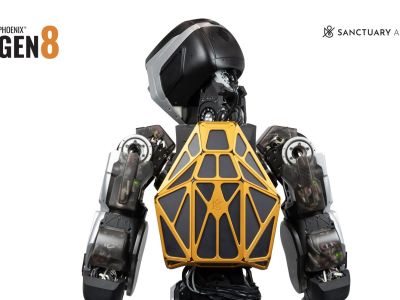
Phoenix
Sanctuary AI’s Phoenix is a full‑sized humanoid designed for industrial and service environments, combining human‑like dexterity with robust task automation. It is engineered to perform complex manipulations and data capture in structured settings such as factories, warehouses, and healthcare facilities. In hotels and restaurants, Phoenix can manage front‑desk kiosks, transport items between floors, and support logistics operations behind the scenes. Its strength lies in reliability and repeatability, allowing it to execute predefined workflows with minimal supervision while integrating with existing management systems. This makes Phoenix particularly suitable for large resorts and conference centers that need scalable, dependable robotic support across multiple departments.
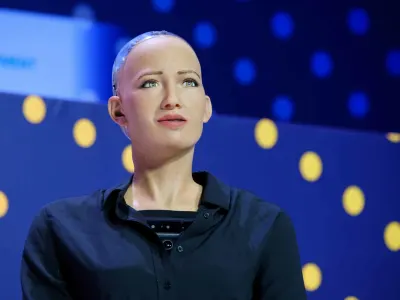
Sophia
Sophia, created by Hanson Robotics, is one of the most recognizable humanoids in the world, known for its lifelike facial expressions and advanced conversational abilities. Unlike task‑oriented robots, Sophia excels in social interaction, delivering speeches, participating in panel discussions, and engaging in open‑ended dialogue with audiences. It has been used extensively in universities, museums, and corporate events to demonstrate AI capabilities, ethics debates, and cultural storytelling. In hospitality, Sophia functions as a brand ambassador or lobby greeter, drawing attention, explaining hotel services, and creating memorable guest interactions rather than handling physical chores, making it ideal for high‑profile properties and media‑centric venues.
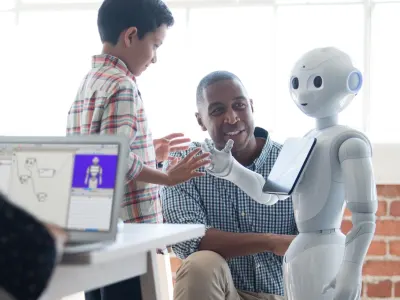
Pepper
Pepper, from SoftBank Robotics, is one of the most widely deployed humanoid robots in customer‑service roles, with a proven track record in retail, education, and hospitality. Standing at a friendly, approachable height, Pepper uses voice recognition, touch screens, and facial analysis to greet visitors, answer questions, and provide guidance. It has been used in hotels as receptionists, in restaurants as hosts, and at events as information kiosks, thanks to its stable software platform and straightforward programming interface. For hotels and restaurants in 2026, Pepper remains a practical choice for front‑of‑house roles where reliability, ease of integration, and clear communication matter more than cutting‑edge dexterity or advanced mobility.
Sources
Related Articles
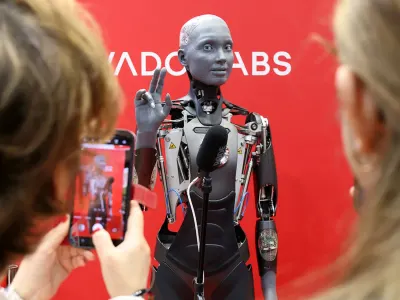
Top 6 Humanoid Robots with Advanced Voice Interaction Systems
5/3/2026
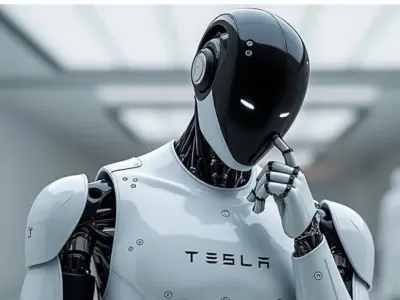
Top 8 Humanoid Robots with Autonomous Navigation (2026)
5/3/2026
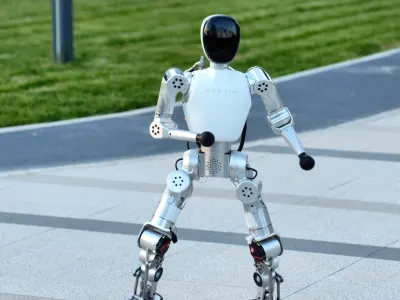
8 Most Compact Humanoid Robots in 2026
5/3/2026
Top 8 Humanoid Robots Built for Hazardous Environments
5/3/2026
Top 5 Most Energy Efficient Humanoid Robots in 2026
5/3/2026
Top 8 Humanoid Robots Designed for Home Automation (2026)
4/20/2026
Top 10 Humanoid Robots with the Highest Payload & Heavy-Lifting Capacity in 2026
9/9/2026
Top 10 Wheeled & Hybrid Humanoid Robots for High-Speed Facility Mobility in 2026
9/9/2026
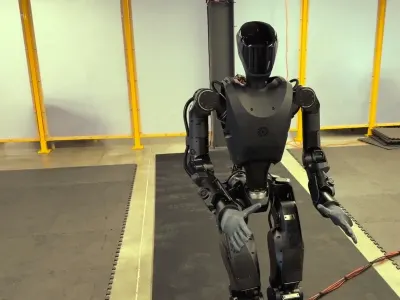
Top 5 Humanoid Robots Being Developed for Defense, Security & First Responders in 2026
9/3/2026