Top 8 Humanoid Robots Built for Hazardous Environments
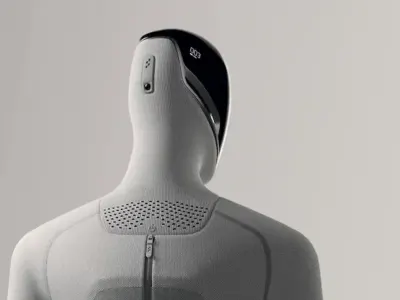
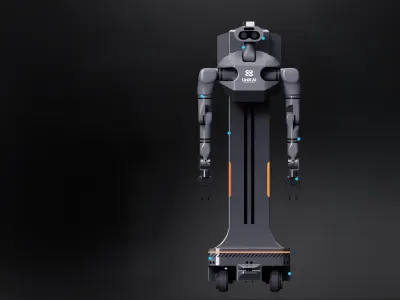
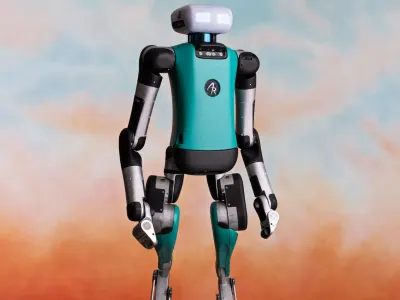
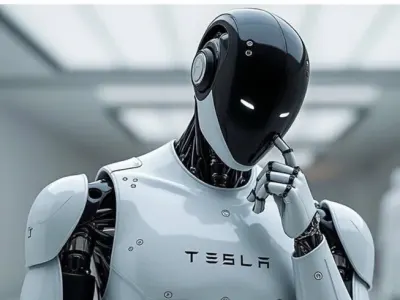
Hazard Frontier Shift
Humanoid robots are surging into hazardous environments, tackling risks from toxic factories to unstable infrastructure sites that endanger human workers. Led by Tesla's Optimus and Boston Dynamics' Electric Atlas, these machines now handle repetitive dangers like battery handling in high-voltage zones and inspections amid chemical spills, with recent 2025 demos showing Optimus lifting car parts unsupervised and Atlas navigating debris fields. This pivot matters now as labor shortages hit industrial sectors, enabling 24/7 operations in confined, volatile spaces like nuclear plants or disaster zones. Deployments in Tesla factories signal scalability, cutting injury rates by automating exposure to fumes, falls, and heavy loads while boosting productivity in unforgiving conditions.
Resilience Surge
Driving this trend are unified neural networks and video-trained AI, allowing robots like Figure 03 and Agility's Digit to adapt in real-time to unpredictable hazards without teleoperation. Recent upgrades, including Optimus Gen 3's 22-degree hands for precise gripping in oily environments and Apptronik's Apollo for eldercare-adjacent risky transports, distinguish them from rigid predecessors by enabling dynamic recovery from slips or collisions. UBTECH's Walker S2 excels in battery-swapping amid sparks, while PAL's Talos wields industrial tools in noisy factories. These advancements, fueled by Tesla's self-driving AI stack, promise fleets of affordable units under $30,000, transforming hazardous logistics from human-dependent to autonomous by late 2025.
Quick Overview
These top humanoids excel in hazardous settings through specialized durability and autonomy.
| Rank | Robot | Manufacturer | Key Strength | Best For |
|---|---|---|---|---|
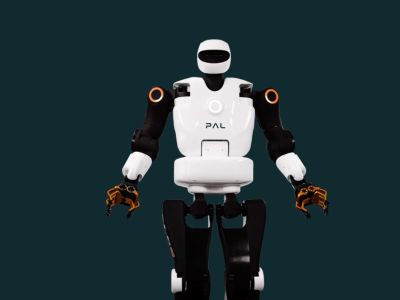
| #1 | 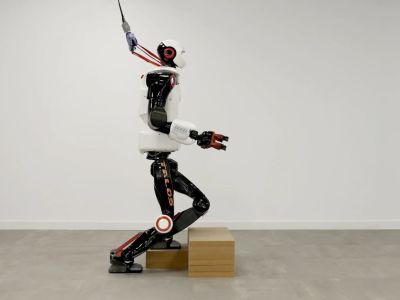 Talos | PAL Robotics | Tool operation robustness | Drilling in industrial hazards |
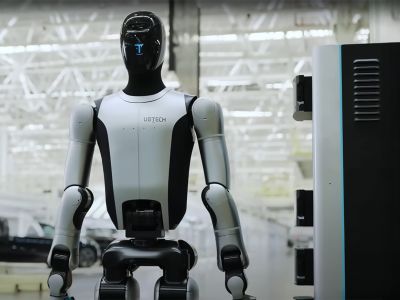
| #2 | 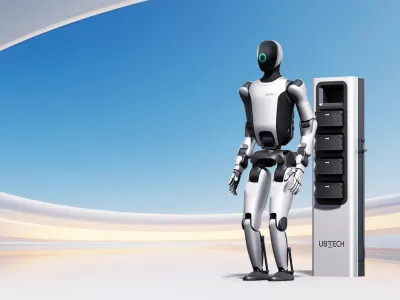 Walker S2 | UBTECH Robotics | Precision assembly endurance | Quality checks amid machinery |
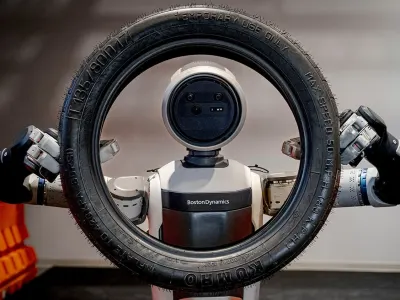
| #3 | 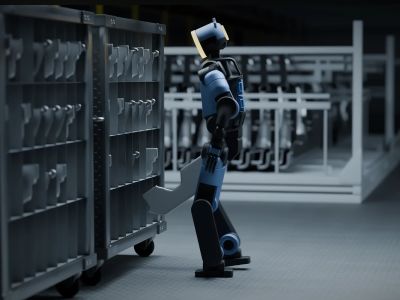 Atlas (Electric 2025) | Boston Dynamics | Humanoid / General Purpose | Heavy automotive part sequencing, damper strut lifting |
| #4 | 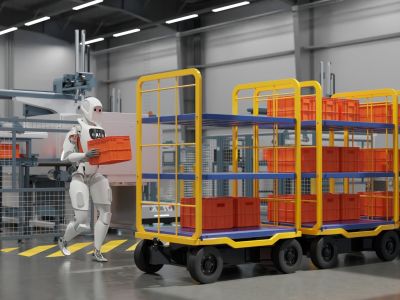 Apollo | Apptronik | Versatile mobility | Logistics in risky manufacturing |
| #5 | 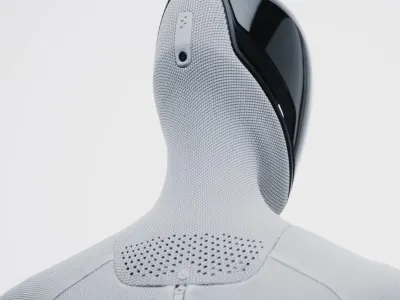 Figure 03 | Figure AI | Light task reliability | Cleaning in contaminated homes |
| #6 | 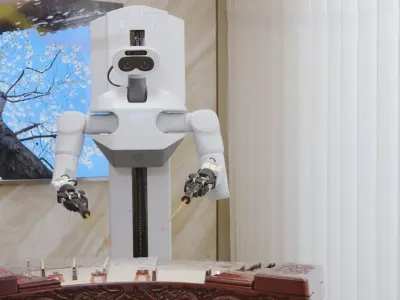 Panther | UniX AI | Multi-scenario vigilance | Security patrols in unsafe sites |
| #7 | 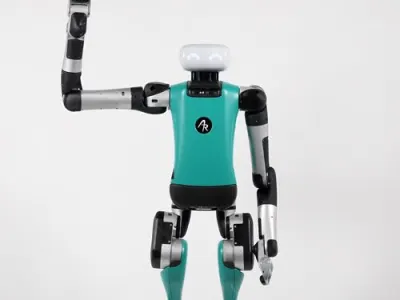 Digit | Agility Robotics | Tote manipulation stability | Unloading in volatile warehouses |
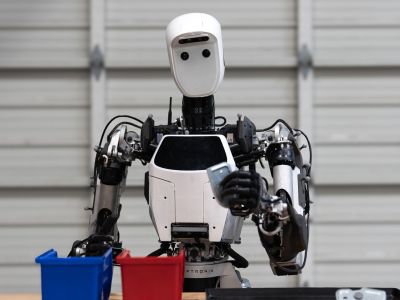
| #8 | 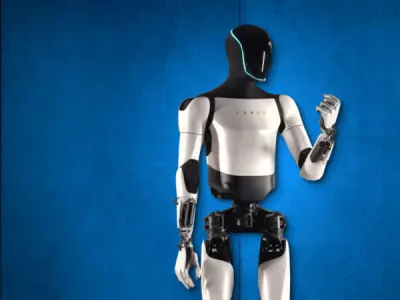 Optimus | Tesla | Neural net adaptability | Battery handling in factories |
These robots position humanoid tech as essential for safer industrial futures.
Explore the Robots
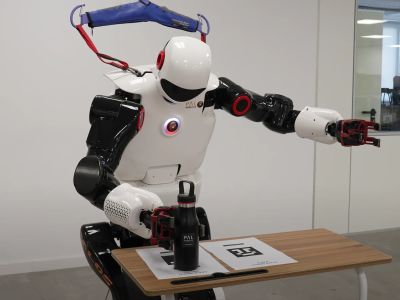
Talos
Talos is PAL Robotics' research humanoid, launched in 2017 at 1.75 m and 95 kg. It was built for steady movement and for working alongside people. Each arm carries 6 kg, and the body has 32 degrees of freedom. RGB and depth cameras give it a view of the work area, and a 1,080 Wh battery lasts about 1.5 hours. It is a platform for studying walking and manipulation in rough settings such as noisy industrial bays, and it is not a finished product for hazardous jobs.
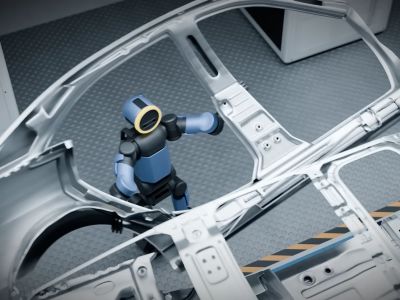
Walker S2
UBTECH's Walker S2 is built for factory floors, where assembly happens next to sparks and heavy machinery. The 73 kg robot walks at up to 7.2 km/h, and each arm carries 15 kg. Binocular RGB cameras, depth LiDAR and force sensors in the arms and wrists help it handle parts and avoid collisions. It swaps its own battery between two 2.3 kWh packs, so it can keep working past the two hours one charge gives. UBTECH unveiled it in July 2025.
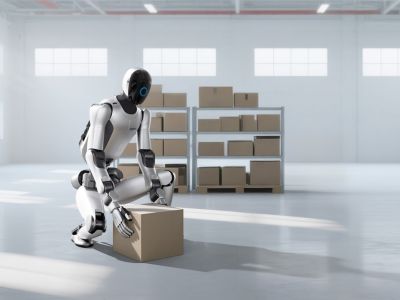
Atlas (Electric 2025)
Atlas is on this list because it can work in spaces designed for people that are unsafe for them. Being fully electric, it has no hydraulic fluid to leak, unlike its retired predecessor, and joints that rotate a full 360 degrees let it work in tight spots. It lifts 50 kg, and LiDAR and depth cameras let it map where it stands. Hyundai factories and Google DeepMind's labs are its first homes in 2026. Its work so far is industrial, so hazardous sites remain a direction for now.
Apollo
Apollo is on this list for heavy, repetitive industrial work that wears people out; it is not a disaster-response machine. Lifting 25 kg cartons hundreds of times a shift is a common cause of back injuries, and Apollo is designed to take that job. Force-torque sensors in its joints let it work next to people without a safety cage. Apptronik grew out of the University of Texas lab that helped develop NASA's Valkyrie humanoid. It is a worker, built to keep people out of strain.
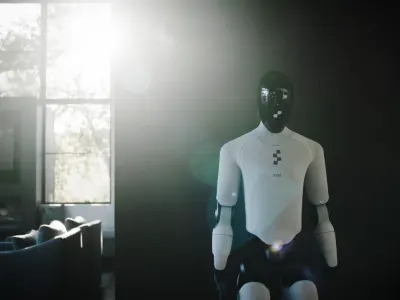
Figure 03
Figure 03 is not a disaster robot, but it belongs in a hazard-focused ranking as a way to move people out of repetitive, injury-prone tasks. Figure AI introduced it on October 9, 2025 for homes and for mass production at its BotQ facility. Soft coverings and tactile hands are designed for safe work around people, and the Helix system lets it adapt to new tasks. Heavy, monotonous lifting that strains workers' backs is the kind of job it is meant to take over.
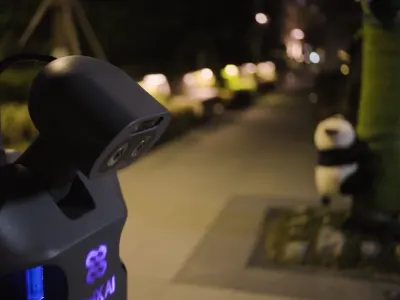
Panther
UniX AI's Panther suits the dull, risky parts of site work: night rounds through dark lots and construction sites full of trip hazards. Four wheels keep it stable on flat ground, and its arms, each carrying 12 kg, can move tools and materials so people stay out of harm's way. One charge covers a full overnight round, up to 16 hours. UniX AI sells it for commercial sites, not homes. Cameras and a six-microphone array let it spot hazards and hear alarms.
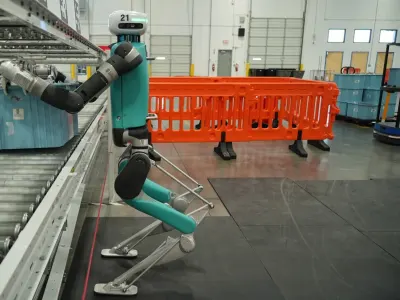
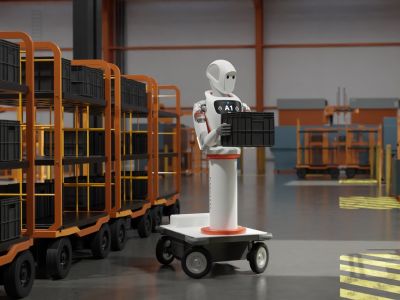
Digit
Digit's case for hazardous work is about injuries, not disasters: repetitive lifting and tote handling wear people out, and Digit takes them over. Each tote it moves is one a worker does not have to bend for, hundreds of times a shift. Its legs let it work in aisles and on surfaces made for people, so a site does not have to change its layout to use it. Amazon tested it from October 2023, and GXO signed a multi-year agreement in June 2024.
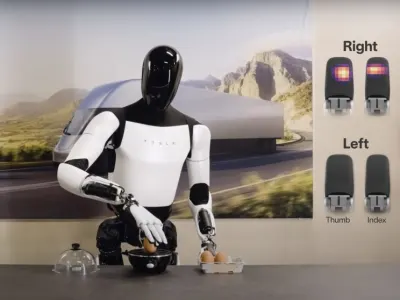
Optimus
Optimus is meant for repetitive work in places where people get hurt, such as oily floors and uneven lighting. Tesla has said the first jobs are the dull and dangerous tasks in its own factories. Touch sensors in the fingers and force sensors in the feet and joints help it feel slippery surfaces and unstable loads. It carries 20 kg. Tesla first showed prototypes on stage on September 30, 2022, and the robot has stayed inside Tesla while it matures.
Sources
- Atlas (Electric 2025) Profile
- Apollo Profile
- Figure 03 Profile
- Panther Profile
- Digit Profile
- Optimus Profile
- Talos Profile
- Walker S2 Profile
- Atlas (Electric 2025): official specifications (Boston Dynamics)
- Boston Dynamics: Boston Dynamics reveals the all-electric Atlas as the successor to the retired hydraulic
- Apollo: official specifications (Apptronik)
- Apptronik: Apptronik unveils Apollo, a 5 ft 8 in humanoid built for work alongside people in
- Figure 03: official specifications (Figure AI)
- The Robot Report: Figure AI raises more than $1 billion in a Series C round, lifting its valuation to $39
- Digit: official specifications (Agility Robotics)
- Agility Robotics: Agility Robotics launches the next generation of Digit, redesigned for logistics work.
- CNBC: Tesla announces a humanoid robot, then called Tesla Bot, at its AI Day event
- Electrek: Tesla shows Optimus Gen 2 in a video, with faster walking, a lighter body and hands with
- Talos: official specifications (PAL Robotics)
- PAL Robotics: PAL Robotics launches TALOS, a 1.75 m, 95 kg high-performance humanoid for research and
- CnEVPost: UBTECH unveils the Walker S2, a humanoid that swaps its own battery autonomously in about
Related Articles

Best AI-Powered Humanoid Robots for Hotels & Restaurants (2026)
5/3/2026
Top 6 Humanoid Robots with Advanced Voice Interaction Systems
5/3/2026
Top 8 Humanoid Robots with Autonomous Navigation (2026)
5/3/2026
Top 5 Humanoid Robots Compared by Energy Use: Battery, Runtime and Power (2026)
5/3/2026
Top 8 Humanoid Robots Designed for Home Automation (2026)
4/20/2026
10 Humanoid Robots with the Best Hand Dexterity (2026)
4/18/2026
Japanese Humanoid Robots in 2026: Every Major Model Compared
10/31/2026
Humanoid Robots That Can Fold Laundry in 2026, Ranked by What They Really Do
10/30/2026
Waterproof and Dustproof Humanoid Robots in 2026, Ranked by IP Rating
10/29/2026