Top 8 Humanoid Robots with Autonomous Navigation (2026)


Navigation Revolution
In 2026, humanoid robots equipped with autonomous navigation capabilities are reshaping industries from factories to homes, enabling seamless movement through dynamic environments without human oversight. Tesla's Optimus leads with its neural network trained on human videos, allowing it to traverse uneven terrain, dodge obstacles, and handle car parts while sweeping floors or stirring pots. Boston Dynamics' Electric Atlas excels in hazardous zones, while Agility Robotics' Digit and Apptronik's Apollo navigate fulfillment centers and warehouses with tote handling precision. This surge matters now as labor shortages intensify, promising scalable deployment of over 1,000 units in Tesla factories alone by year-end, slashing repetitive task costs and boosting efficiency across manufacturing and logistics.
Driving Autonomy
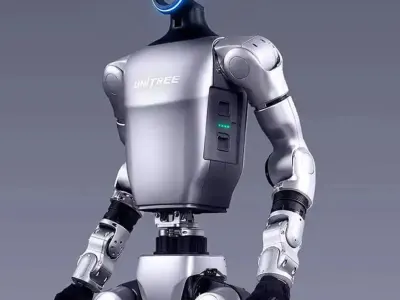
Advancements in vision-based AI and single neural networks propel these robots beyond scripted paths, distinguishing them from prior models reliant on teleoperation or fixed rails. Recent demos show Unitree G1 mastering stair climbing and palletization via adaptive policies from everyday footage, while 1X Technologies' NEO Home Robot and Figure AI's Figure 03 tackle home chores like cleaning and elderly assistance through real-time environmental adaptation. UBTECH's Walker S2 integrates battery swapping on factory floors, and Figure 03's light manipulation sets it apart for household integration. These evolutions, highlighted in late 2025 updates, scale via internet-scale data, enabling 24/7 operations in unstructured settings and positioning 2026 as the tipping point for commercial viability.
Quick Overview
These eight humanoids showcase cutting-edge navigation tailored to real-world demands.
| Rank | Robot | Manufacturer | Key Strength | Best For |
|---|---|---|---|---|
| #1 | 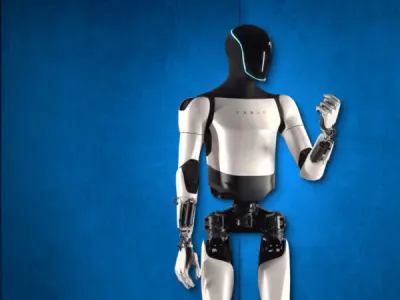 Optimus Optimus | Tesla | Video-trained neural navigation | Manufacturing logistics |
| #2 | 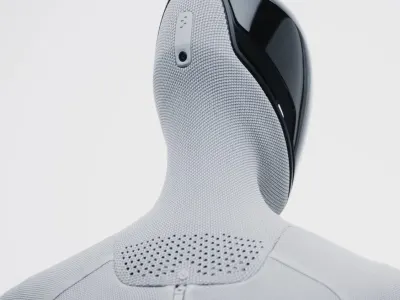 Figure 03 Figure 03 | Figure AI | Chore-specific path planning | Household elderly support |
| #3 |  NEO Home Robot NEO Home Robot | 1X Technologies | Home environment adaptation | Elderly assistance cleaning |
| #4 | 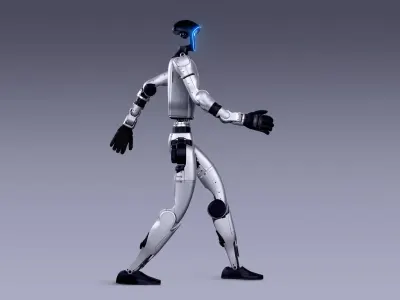 Unitree G1 Unitree G1 | Unitree Robotics | Adaptive stair and pallet nav | R&D assembly and education |
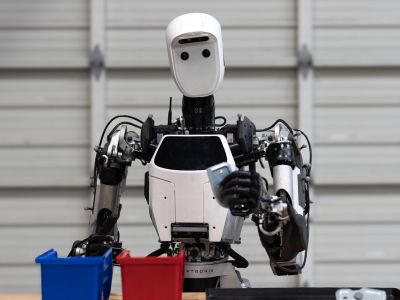
| #5 | 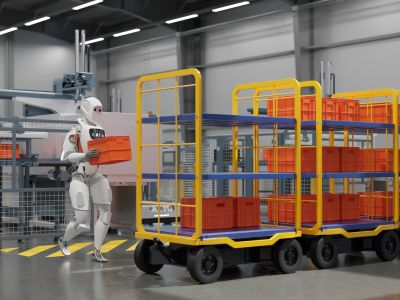 Apollo Apollo | Apptronik | Versatile warehouse mobility | Logistics and eldercare |
| #6 | 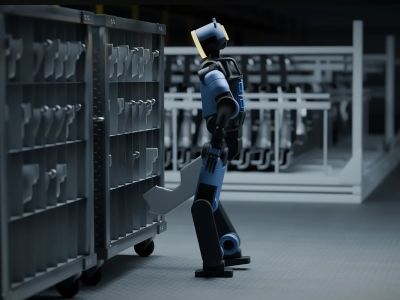 Atlas (Electric Atlas, 2025) Atlas (Electric Atlas, 2025) | Boston Dynamics | Hazardous terrain agility | Industrial hazardous ops |
| #7 | 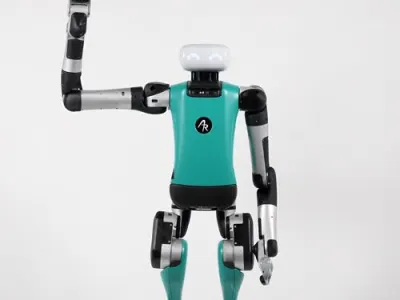 Digit Digit | Agility Robotics | Obstacle-avoiding tote handling | Fulfillment center unloading |
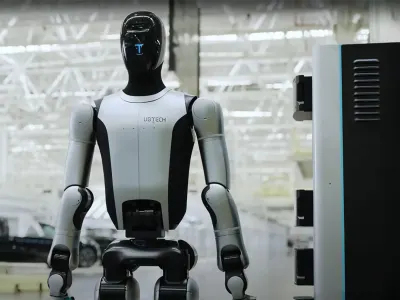
| #8 | 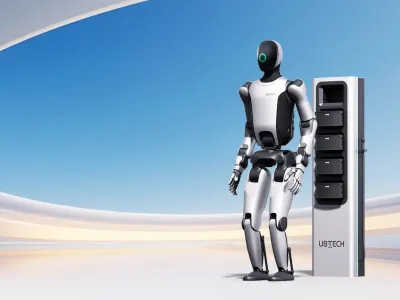 Walker S2 Walker S2 | UBTECH Robotics | Factory floor precision routing | Assembly line transport |
Expect these platforms to dominate deployments by late 2026.
Explore the Robots
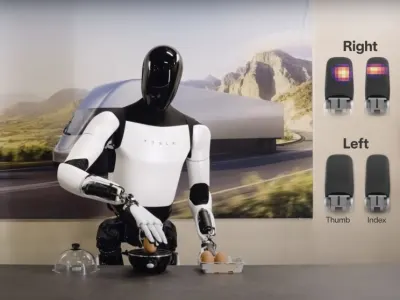
Optimus
Tesla's Optimus stands out as a general-purpose humanoid redefining physical AI, excelling in real-world tasks like sweeping, vacuuming, cooking, and lifting car parts through a single neural network trained on human videos. Its ability to navigate uneven surfaces and structured factories without teleoperation sets it apart, aiming for mass production with over 1,000 units in Tesla plants by 2026. Unlike rigid industrial arms, Optimus adapts dynamically to environments, handling repetitive chores or logistics with human-like dexterity, positioning it as a cornerstone for affordable home and factory labor at $20,000-$30,000 per unit.
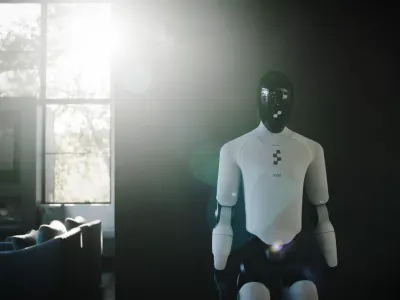
Figure 03
Figure AI's Figure 03 targets everyday homes, autonomously handling chores, elderly care, light manipulation, and cleaning by planning paths around furniture and people. Backed by OpenAI tech, it learns household routines rapidly. Its slim profile and dexterous hands enable precise tasks like folding laundry in tight kitchens, setting it apart from industrial giants by emphasizing safe, conversational integration, paving the way for consumer robotics in multi-generational households.

NEO Home Robot
1X Technologies' NEO Home Robot pioneers domestic autonomy, navigating homes for elderly assistance, cleaning, object manipulation, companionship, and remote monitoring with intuitive social cues. Its lightweight build and energy-efficient gait enable all-day operation without intrusion. NEO sets itself apart by prioritizing emotional intelligence alongside navigation, responding to voice and gestures in cluttered living spaces, unlike factory-focused peers, making it a game-changer for aging populations seeking independent living support.
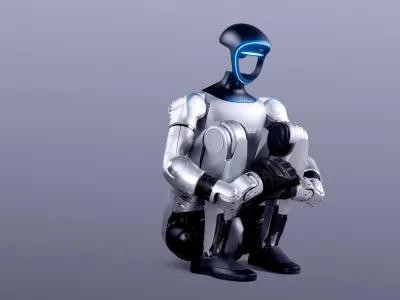
Unitree G1
Unitree Robotics' G1 excels in agile R&D and light manufacturing, autonomously palletizing, assembling, welding, and navigating via imitation learning from human footage, including stairs and uneven ground. Affordable and compact, it stands out for education and demos, enabling universities to prototype applications quickly. Unlike bulkier rivals, G1's 29-degree freedom and scalable control policy allow instant skill transfer to handling or education, fostering widespread experimentation and fast iteration in research labs worldwide.
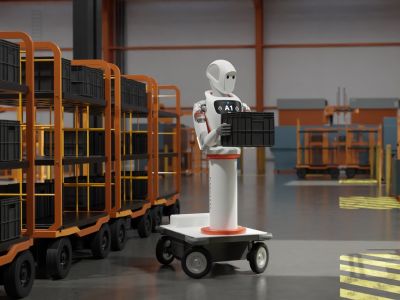
Apollo
Apptronik's Apollo shines in multi-sector versatility, navigating warehouses for picking, manufacturing lines for assembly, and even eldercare homes for gentle assistance. Its collaborative design allows safe proximity to workers, with recent updates emphasizing fluid obstacle avoidance in dynamic spaces. Apollo differentiates through modular adaptability, switching tasks via software updates without hardware swaps, bridging industrial reliability with home-friendly interaction, and positioning it for rapid enterprise adoption in logistics-heavy economies.
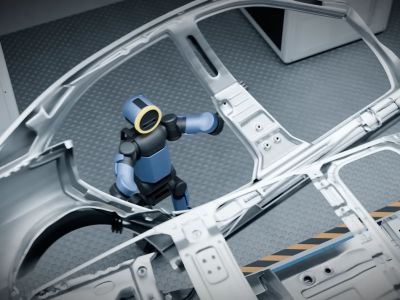
Atlas (Electric Atlas, 2025)
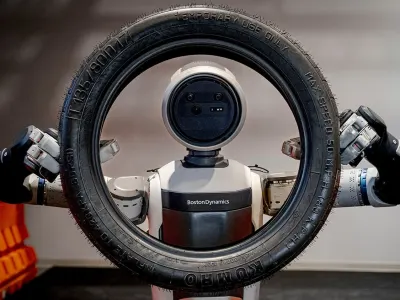
Boston Dynamics' Electric Atlas leads in extreme environments, autonomously navigating warehouses, R&D labs, hazardous sites, and demos with acrobatic recovery from slips or pushes. Fully electric for sustained power, it manipulates heavy loads dynamically. Atlas differentiates through unmatched agility and robustness, conquering slopes, debris, and chaos where others falter, ideal for high-risk ops like disaster response or construction scouting, evolving from viral stunts to practical industrial tools.
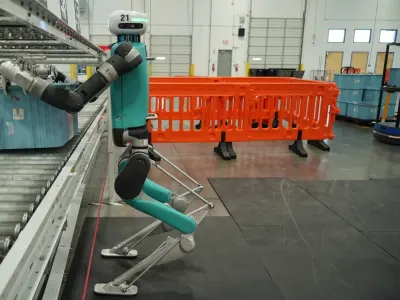
Digit
Agility Robotics' Digit distinguishes itself in high-volume logistics by autonomously navigating fulfillment centers to tote, sort inventory, and load/unload pallets, reducing human strain in e-commerce hubs. Its robust bipedal mobility handles cluttered floors and human coworkers seamlessly, proven in pilot deployments with Amazon. What sets Digit apart is its end-to-end autonomy from perception to manipulation, enabling 24/7 shifts without fixed paths, unlike wheeled bots, making it ideal for scaling warehouse operations amid rising online orders.
Walker S2
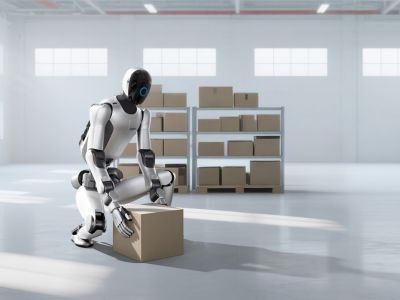
UBTECH Robotics' Walker S2 transforms factory automation, co-working on assembly lines, transporting materials, inspecting quality, and performing battery swaps with pinpoint navigation amid machinery. Its industrial-grade durability handles 12-hour shifts seamlessly. What distinguishes Walker S2 is seamless integration into existing workflows, using AI to predict human paths and avoid collisions, outperforming static robots by boosting throughput in auto and electronics plants without production halts.
Sources
Related Articles
8 Most Compact Humanoid Robots in 2026
5/3/2026
Top 10 Humanoid Robots for Logistics & Delivery Tasks 2026
6/8/2026

Top 10 Humanoid Robots with the Best Learning Capabilities (AI Training) 2026
6/8/2026
Top 6 Humanoid Robots with Advanced Voice Interaction Systems
5/3/2026

Best AI-Powered Humanoid Robots for Hotels & Restaurants (2026)
5/3/2026
Top 8 Humanoid Robots Built for Hazardous Environments
5/3/2026
Top 10 Humanoid Robots with the Highest Payload & Heavy-Lifting Capacity in 2026
9/9/2026

Top 10 Wheeled & Hybrid Humanoid Robots for High-Speed Facility Mobility in 2026
9/9/2026
Top 5 Humanoid Robots Being Developed for Defense, Security & First Responders in 2026
9/3/2026