7 Most Realistic AI Conversations in Humanoid Robots (2026)

Conversation Breakthroughs
In 2026, humanoid robots like Sophia, Ameca, and Aria achieve unprecedented realism in AI conversations, blending natural language processing with expressive facial cues to mimic human dialogue fluidity. These advancements, driven by recent integrations of large language models, enable robots to handle nuanced topics from casual chit-chat to emotional exchanges, captivating audiences at events and in homes. Sophia's recent aviation interviews showcase contextual wit, while Ameca's viral demos reveal seamless back-and-forth on complex ideas. This surge matters now as businesses deploy them for customer service and companionship, blurring lines between machine and human interaction, and sparking debates on AI's societal role amid accelerating adoption.
| Rank | Robot | Manufacturer | Key Strength | Best For |
|---|---|---|---|---|
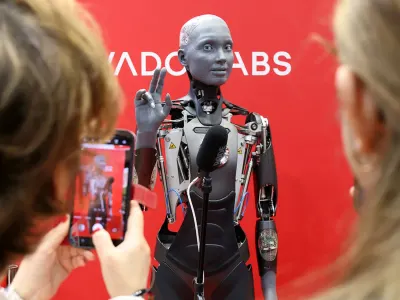
| #1 | 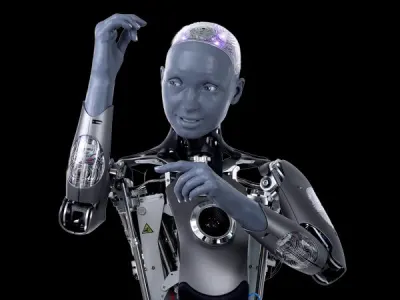 Ameca Ameca | Engineered Arts | Humanoid / General Purpose | Human-robot interaction studies, public demonstrations |
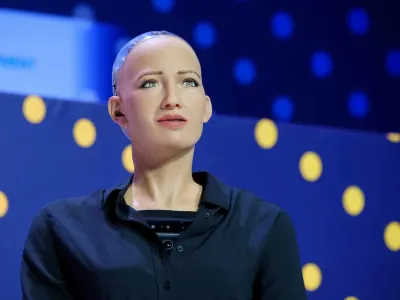
| #2 | 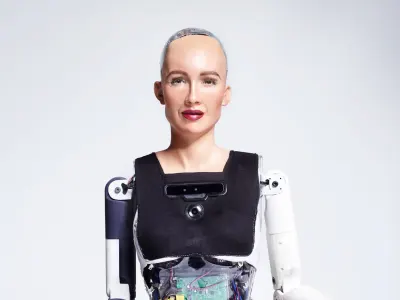 Sophia Sophia | Hanson Robotics | Humanoid / General Purpose | University research, AI and robotics education |
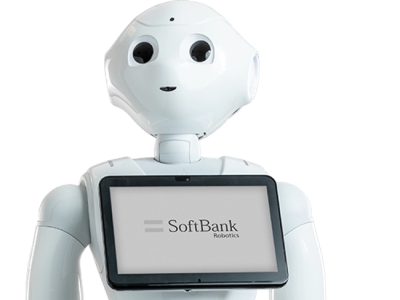
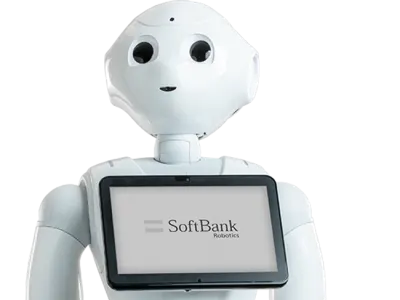
| #3 | 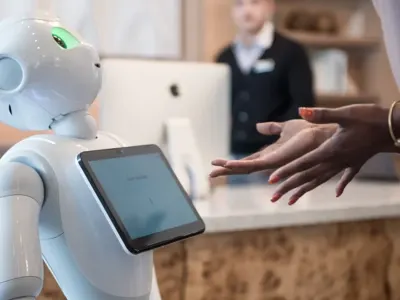 Pepper Pepper | SoftBank Robotics | Humanoid / General Purpose | Customer service, reception |
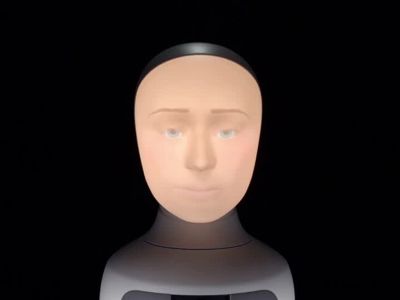
| #4 | 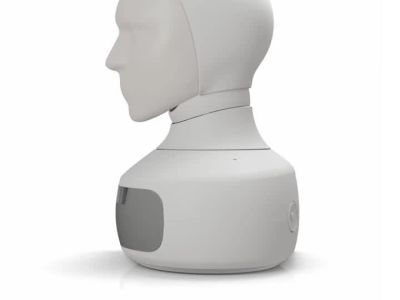 Furhat Furhat | Furhat Robotics | Humanoid / General Purpose | Conversational AI training, customer support |
| #5 | 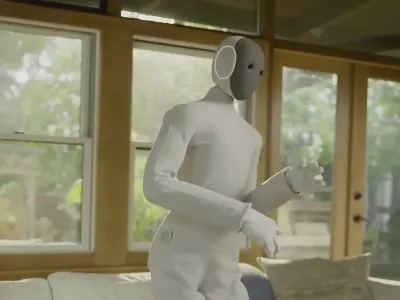 NEO Home Robot NEO Home Robot | 1X Technologies | Humanoid / General Purpose | Household chores, object retrieval |
| #6 |  Aria - Robot Girlfriend Aria - Robot Girlfriend | Realbotix | Humanoid / General Purpose | Multilingual conversational dialogue, facial expressions |
| #7 |  Moya Moya | DroidUp | Humanoid / General Purpose | elder care companionship, educational tutoring |
Explore the Robots
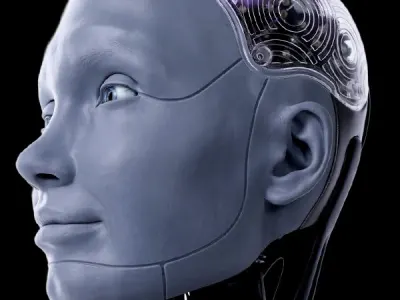
Ameca
Ameca captivates with its hyper-realistic facial movements and fluid gestures, making it a standout for demonstrations that went viral at events like CES. Engineered Arts crafted this humanoid to prioritize lifelike expressiveness over full mobility, allowing it to engage in dynamic, context-aware conversations that feel startlingly natural. In real-world uses, Ameca shines in trade shows, research labs, and media showcases, where its responsive head and hand movements enhance dialogue immersion. Unlike rigid predecessors, Ameca's modular design supports rapid AI upgrades, setting it apart for creators testing conversational boundaries and public fascination with realistic robot personas.
Sophia
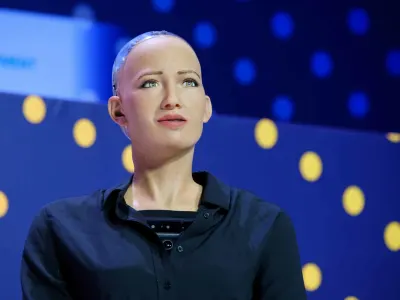
Sophia stands out as a pioneering social humanoid, renowned for her uncanny human resemblance modeled after figures like Nefertiti and Audrey Hepburn, enabling her to forge emotional connections in real-world settings. Developed by Hanson Robotics, she excels in public demonstrations, nursing homes, and educational forums, where her ability to mimic over 60 facial expressions and hold conversations on topics like weather or ethics draws crowds. What distinguishes Sophia is her role as an AI ambassador, sparking global discussions on robotics ethics through interviews and appearances at events like SXSW. Her lifelike skin and gesture imitation make interactions feel personal, positioning her as a bridge between technology and human empathy in entertainment and research.
Pepper
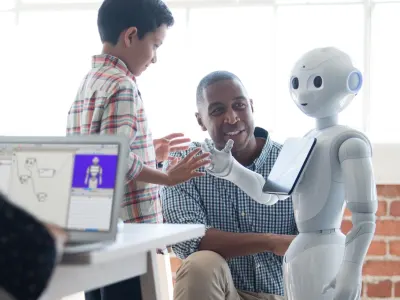
Pepper by SoftBank Robotics has long led in empathetic service interactions, greeting customers in stores and hospitals with warm, context-sensitive conversations. Its compact stature and tablet interface enable it to handle queries, entertain, and detect emotions, setting it apart in high-traffic commercial spaces. Recent field deployments highlight its evolution for personalized retail advice and patient comfort, outperforming screens with physical presence. Pepper's strength lies in scaling human-like rapport across thousands of units worldwide, fostering trust in service industries through consistent, caring dialogue.
Furhat
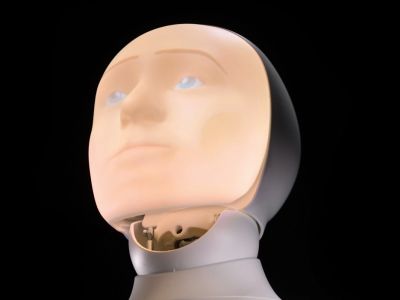
Furhat by Furhat Robotics innovates with its screen-based animated face on a robotic neck, delivering hyper-personalized conversations via changeable avatars and voices. Ideal for education and telepresence, it engages students or remote workers in focused discussions, adapting tones for motivation or clarity. What distinguishes Furhat is its modular head system, allowing quick swaps for cultural relevance, unlike fixed-face humanoids. In classrooms and offices, it excels at collaborative learning and virtual meetings, creating immersive dialogues that bridge physical distances with expressive, customizable realism.

NEO Home Robot
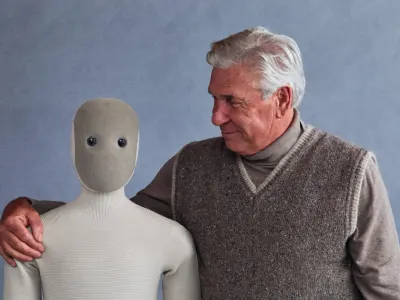
NEO Home Robot from 1X Technologies emerges as a practical household companion, optimized for seamless daily conversations amid chores and family life. Its bipedal form and adaptive AI allow it to discuss schedules, entertain kids, or offer advice naturally, standing out for reliability in cluttered home environments. What sets NEO apart is its focus on proactive engagement, learning household routines to initiate talks without prompts, unlike stationary assistants. Deployed in beta homes, it excels in reducing user friction through casual, context-rich dialogues that integrate with smart devices for effortless living.

Aria - Robot Girlfriend
Aria redefines personal robotics as Realbotix's intimate companion, designed specifically for emotional and romantic interactions that foster deep user bonds. Her soft features and customizable personality enable heartfelt conversations, from daily check-ins to affectionate role-play, distinguishing her in private homes where loneliness drives demand. Unlike public-facing robots, Aria focuses on one-on-one empathy, adapting responses to user moods for therapeutic companionship. Her real-world appeal lies in easing social isolation, with recent updates enhancing voice modulation for soothing, human-like intimacy that feels genuinely relational.

Moya
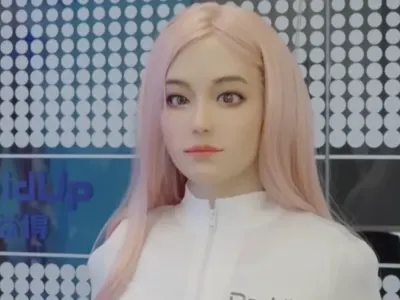
Moya by DroidUp brings approachable humanoid interaction to everyday users, emphasizing multilingual conversations that span cultures and casual scenarios. Notable for its friendly demeanor and portable design, it thrives in social hubs like cafes or community centers, where it facilitates group chats or language practice. Distinguishing Moya is its emphasis on inclusivity, with AI tuned for diverse accents and idioms, making it ideal for global immigrants or travelers. In real-world applications, it builds community ties through light-hearted, adaptive banter that feels like chatting with a knowledgeable friend.
Sources
Related Articles
7 Best Developer-Friendly Humanoid Robots in 2026
4/18/2026
Top 7 Humanoid Robots for Security & Surveillance (2026)
4/18/2026
10 Humanoid Robots with the Best Hand Dexterity (2026)
4/18/2026
Top 7 Humanoid Robots for Retail & Customer Interaction (2026)
4/18/2026
7 Humanoid Robots with the Best Battery Life in 2026
4/18/2026
6 Best Humanoid Robots for Elderly Care & Assistance (2026)
4/18/2026
Top 5 Humanoid Robots Being Developed for Defense, Security & First Responders in 2026
10/9/2026
Top 10 Heavy-Duty Industrial Humanoid Robots for Automotive & Factory Assembly in 2026
10/9/2026
Top 10 Home Humanoid Robots for Domestic Tasks & Personal Assistance in 2026
10/5/2026